






















AUSTRALIA: Goodbye orange arrival card. Digital passenger declarations go national
That mid-flight scramble for a pen, finding your flight number, address in Australia, and other details will soon be over. Wondering if you need to declare that wooden statue/shell necklace you bought in Bali/Fiji (you do). Not to mention declaring that jar of home-grown honey your aunt gave you in Britain/Greece/Turkey.
The Australian Commonwealth government will roll out the digital Australia Travel Declaration nationwide. It will replace the orange incoming passenger card with a digital version across international airports and seaports. The rollout will be over the next 12 to 18 months. It’s part of AU$56.1 million over four years for traveller modernisation. The roll-out follows a Qantas-linked pilot involving more than 450,000 passengers arriving into Brisbane, Sydney and Melbourne.

From Qantas trial to national rollout
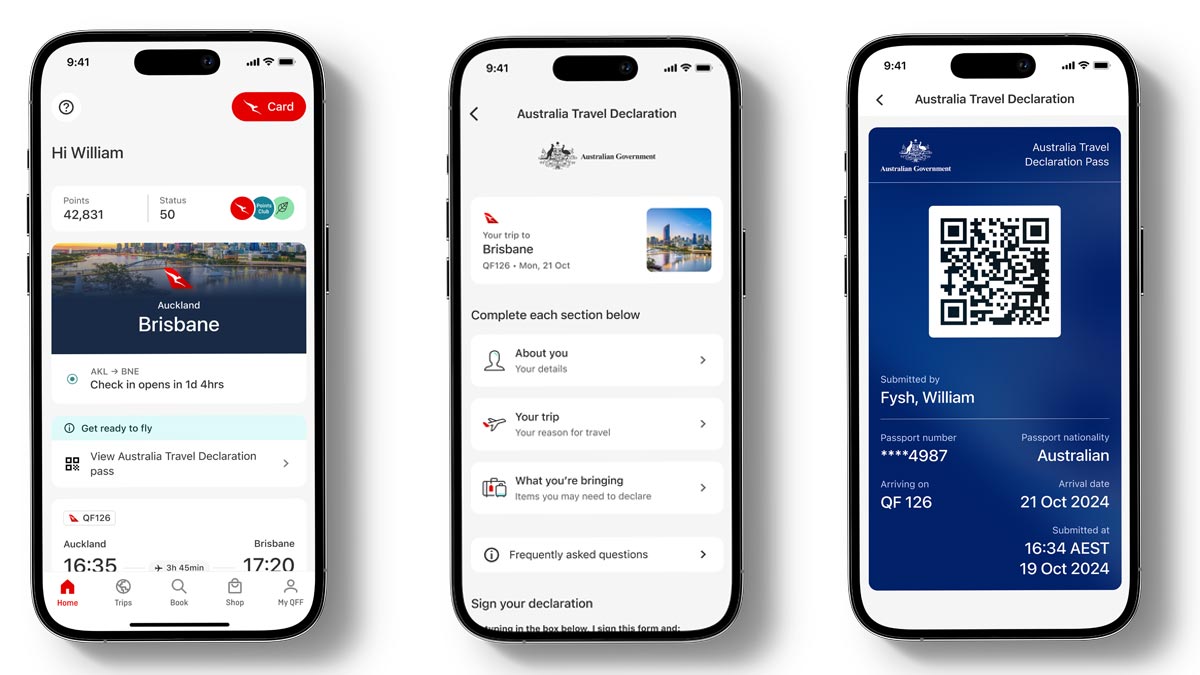
The Australia Travel Declaration has been tested since October 2024 on eligible inbound Qantas flights. The pilot began in Brisbane, later expanded to Sydney, and in May 2026 reached selected Melbourne-bound Qantas flights from Auckland and Queenstown. Eligible travellers could complete the declaration through the Qantas app up to 72 hours before travel, receiving a digital pass and QR code to present on arrival.
That pilot program now becomes the national system. Perth and Adelaide are due to join the Qantas pilot before the end of 2026, before the broader program expands to all international airports and seaports. Initially, the declaration will be available through a webform, with later work planned to integrate it into airline and travel apps.
From 2027, the digital form is expected to be available to all arriving passengers through a website that generates a QR code for scanning on arrival. Travellers who cannot access the webform or app will still be able to use paper cards.
What changes for passengers
The Australian Border Force says passenger cards are used as a record of entry and include identity, flight details, address, customs, quarantine, health, character, and contact details. Most arriving passengers still have to complete one, with penalties for refusing or giving false information.
The digital version moves it to earlier in the journey. It supports risk assessment before passengers reach the arrivals hall. The government says the system will reduce manual processing, improve data quality, and help manage biosecurity and other emerging risks.
The digital declaration will give officials more time to decide which passengers and bags deserve closer attention. So, you still can’t bring in that undeclared salami, mooncake or muddy hiking boot and hope it won’t be detected, and you won’t get fined.
Australia has been here before
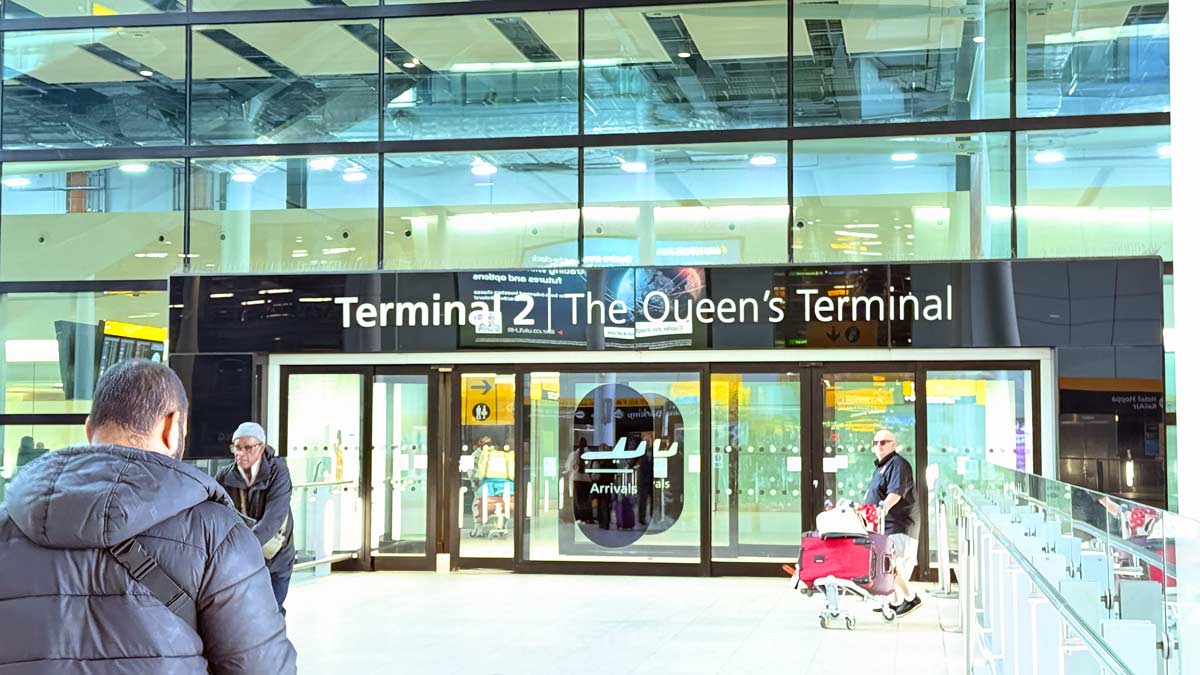
This is not Australia’s first attempt to kill the paper arrival card. The pandemic-era Digital Passenger Declaration was dropped in July 2022 when travellers no longer had to declare COVID-19 vaccination status. Then Home Affairs minister Clare O’Neil said passengers no longer needed to complete the DPD from 6 July 2022.
Before that came the Seamless Traveller dream, which promised a more automated border experience. Unfortunately, that experience did not foster much passenger joy.
The difference this time is that the Australia Travel Declaration has been trialled in live airport operations with Qantas, ABF and agriculture officials, rather than being unleashed on the public fully formed but without much user experience testing.
Airports have been asking for this
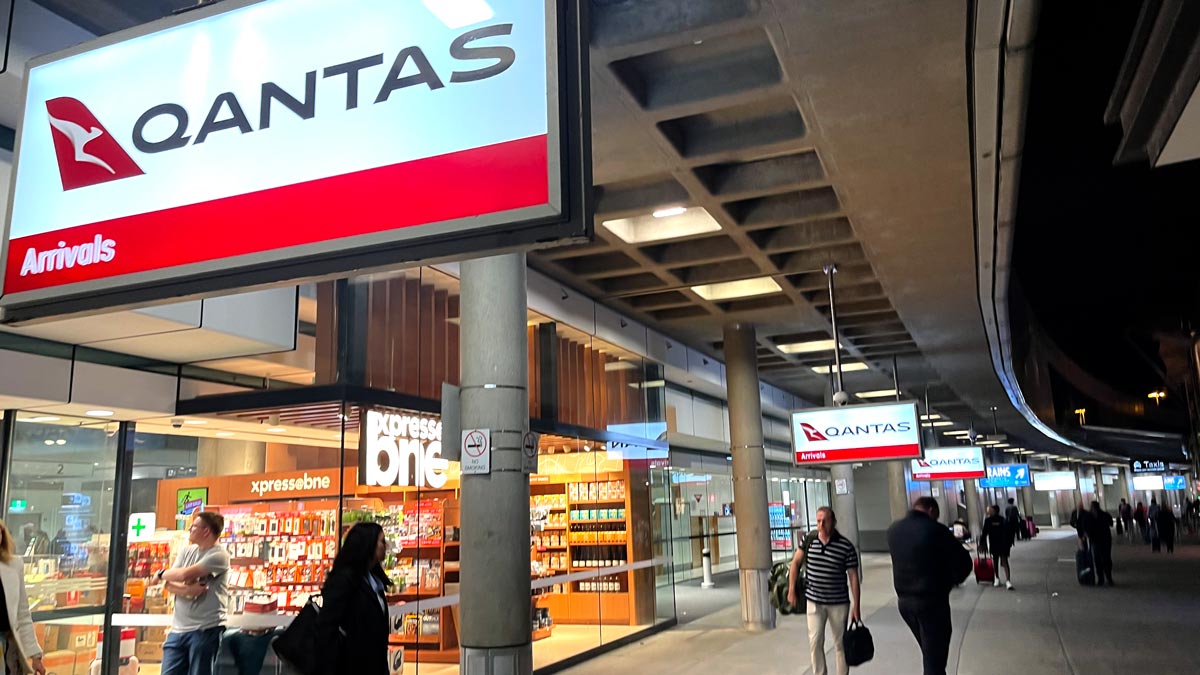
Airports and tourism bodies have been pushing hard for a more modern arrivals experience, especially as international travel grows and the 2032 Brisbane Olympic and Paralympic Games loom.
Sydney, Melbourne and Brisbane airports, along with the Australian Airports Association and Tourism & Transport Forum, have argued that Australia’s current system is too slow and too paper-based for a country that likes to present itself as technologically competent.
Nothing says ‘welcome to Australia’ quite like a queue of jet-lagged passengers balancing passports, phones, pens, children and half-completed orange cards while trying to remember whether packaged tea counts as food.
2PAXfly Takeout
About time. Mind you, given their history of failed attempts to provide a digital replacement for the orange incoming passenger card, I won’t be holding my breath.
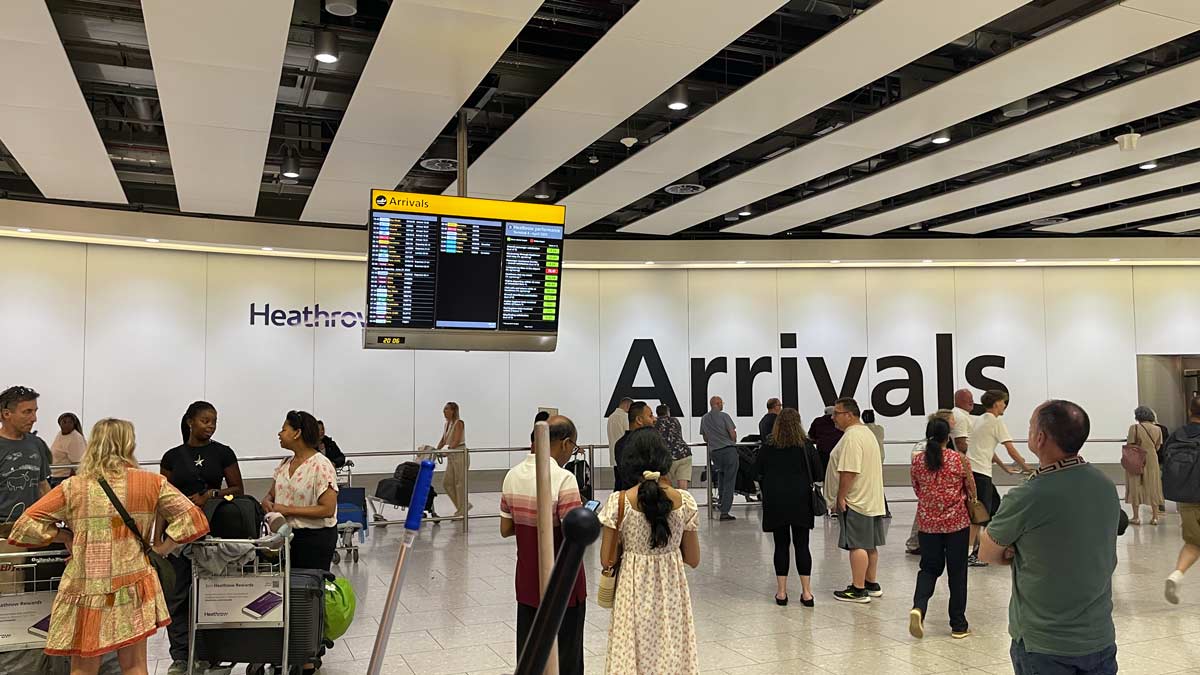
It always amazes me that arrial processes for a foreigner like me at Heathrow in the UK take a shorter amount of time than arriving back in my home port of Sydney Australia.











What did you say?