


















QANTAS: Does Project Sunrise indicate a more premium, lower-volume international strategy, as Joe Aston says?
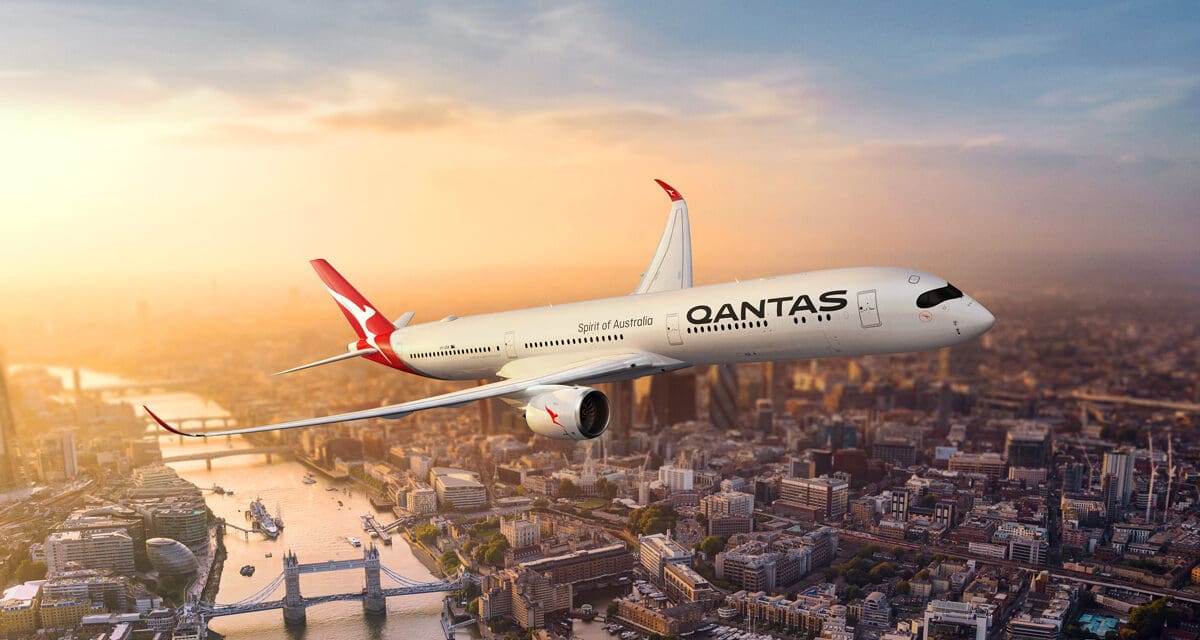
In an Australian Financial Review opinion piece over the weekend, Joe Aston, author of The Chairman’s Lounge: The inside story of how Qantas sold us out, argues that Qantas is changing its international strategy. His core argument is that Project Sunrise is not simply a new pair of ultra-long-haul routes: it shows that Qantas wants to reposition itself as a more premium, lower-volume international airline.
For travellers, that means more space and a better onboard product, but fewer seats and higher fares. He argues that Qantas is retiring its “mass-market” international identity in return for gaining a place among the world’s leading premium airlines.
Here is a revised 2PAXfly outline based on Joe Aston’s full AFR column.

The argument in a nutshell
Aston argues that Project Sunrise is not merely about flying non-stop from Sydney to London and New York, but the centrepiece of a much broader Qantas transformation. He argues that retiring high-capacity aircraft like the A380, reducing economy-seat volumes, adding premium cabins and charging more for a smaller number of seats is a change in tack.
The result could be a substantially better Qantas International product by the early 2030s. It could also make the airline less accessible to price-sensitive travellers, as Qantas consciously abandons some of its mass-market international identity. The unstated argument is that Qantas Group member Jetstar would be left with the mass market.
Project Sunrise is the flagship, not the whole story
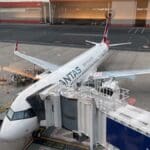
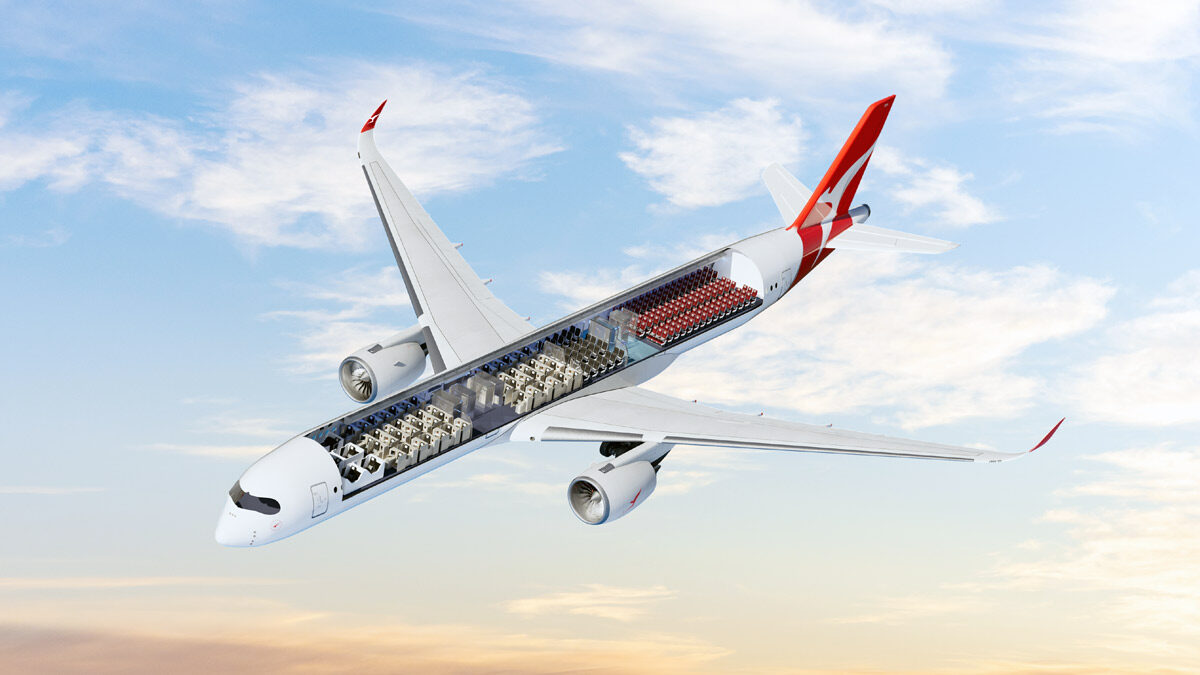
The 12 specially configured Airbus A350-1000ULRs will launch Sydney–London in late 2027, followed shortly after by Sydney–New York. Aston argues that the first six aircraft will be occupied by those two routes, while the next six are now likely to replace Boeing 787s on Perth–London and selected Sydney–US services.
That would leave Melbourne without the non-stop London and New York flights many expected when Project Sunrise was first announced. Qantas has never formally promised those services, but it certainly allowed the idea to circulate. Whether they come with further expansion of the ultra-long-range fleet is unknown.
![Qantas upgraded First Class Suites on the A380 [Schuetz/2PAXfly]](https://www.2paxfly.com/wp-content/uploads/2019/10/Qantas-A380-First-1-1024x683.jpg)
The A380 retirement is central to the economics
The column’s key insight is that the eventual exit of Qantas’ Airbus A380 fleet is about per passenger yield.
The A380 can carry a large number of passengers, particularly in economy. Its replacement aircraft will have fewer engines, fewer total seats and a much greater share of premium cabins. That lowers operating costs while reducing the supply of lower-priced seats.
In this model, fewer seats are not a compromise. They are the business plan.
A new international fleet will reshape the network
Over the next five years, Qantas is due to take delivery of 12 Project Sunrise A350-1000ULRs, 12 standard A350-1000s and 12 additional Boeing 787 Dreamliners. The airline is also expected to seek more widebody aircraft from Airbus and Boeing.
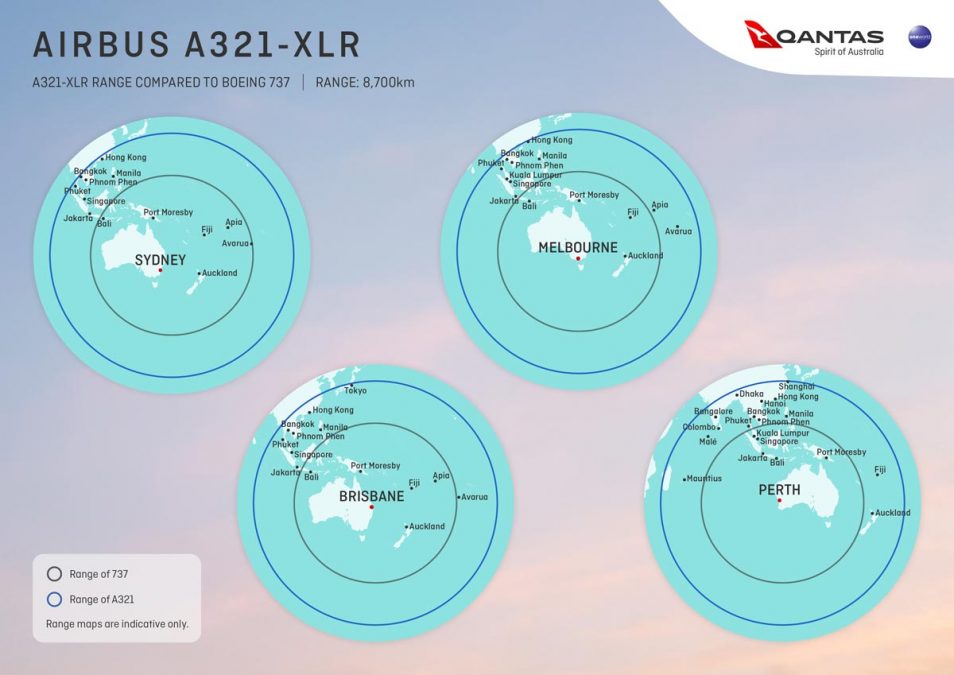
The likely result is a network where A380s disappear from London, Los Angeles, Dallas, Hong Kong and Johannesburg. Dreamliners take over more long-haul work, while Airbus A321XLRs replace ageing A330s on transcontinental flights and open thinner international routes from cities including Adelaide and Brisbane.
That is a more flexible fleet, capable of serving routes that would never justify an A330, 747 or A380. It should also provide a far better aircraft experience on some of Qantas’ less glamorous international services, like India, Hawaii and some Asian destinations.
The improved passenger experience at a price
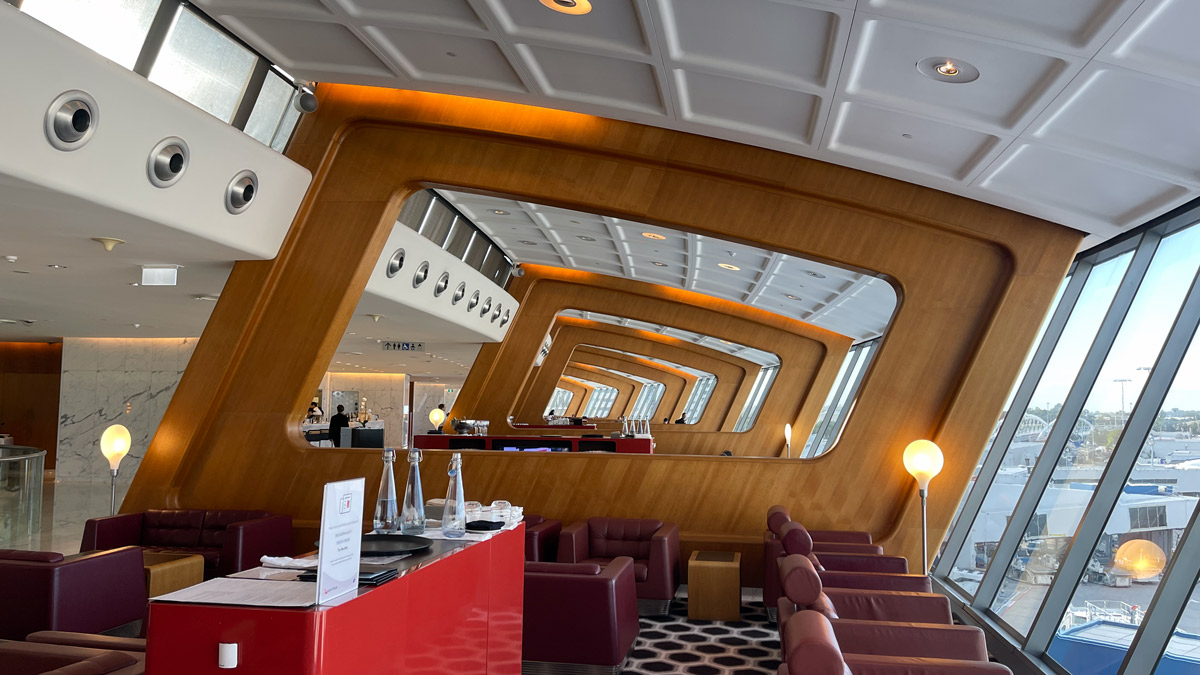
Aston’s argument is that Qantas will rejoin the global premium-airline status for the first time since the early A380 era. An era also heralded by the opening of its Marc Newson-designed Sydney and Melbourne First lounges.
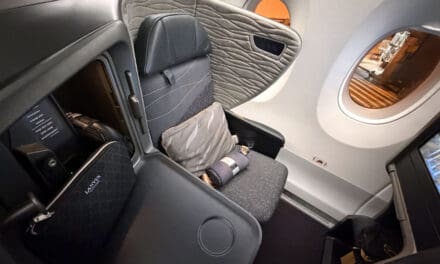
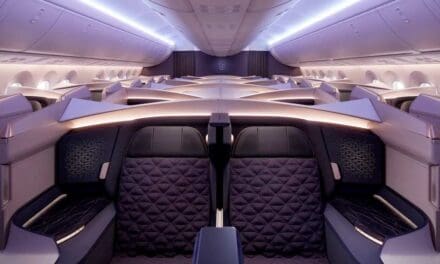
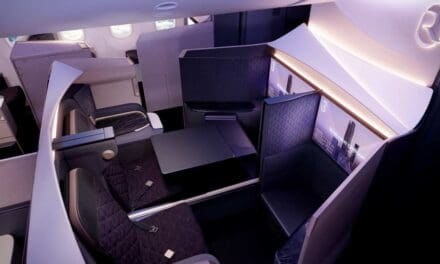
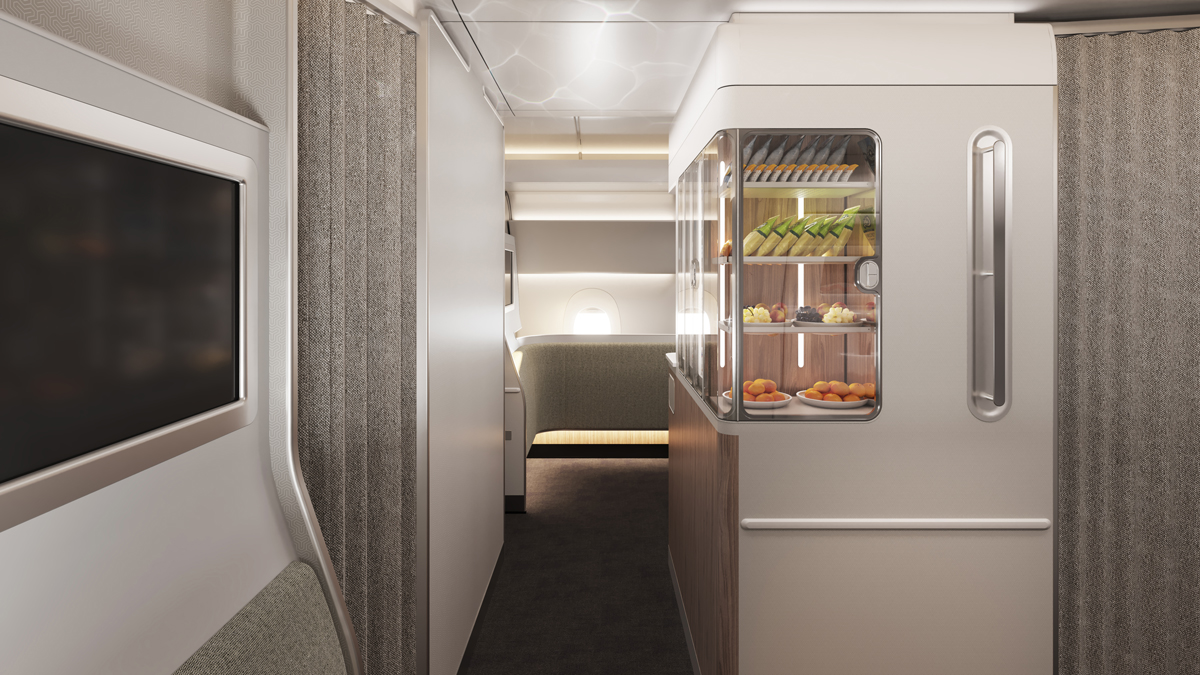
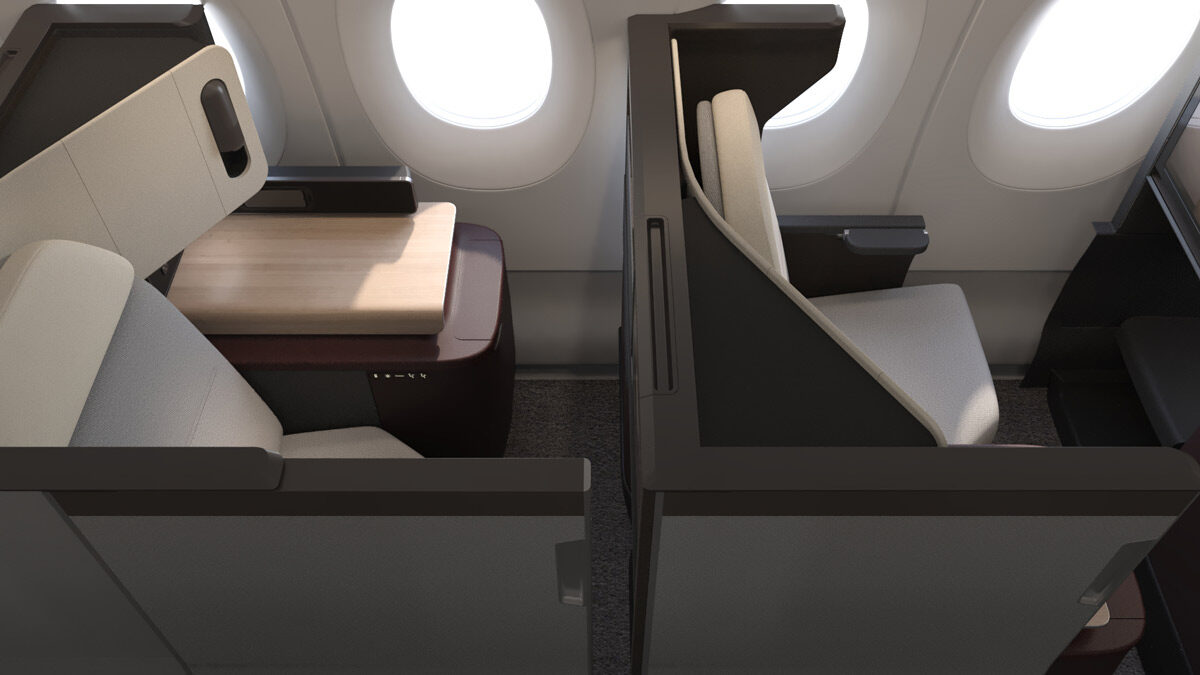
The Project Sunrise A350s will have six First suites, 52 Business suites, 40 Premium Economy seats and just 140 Economy seats. Qantas will also introduce Economy Plus and a wellbeing zone designed for stretching, hydration and snacks on the ultra-long flights.
This argument is appealing, except that, arguably, the A380 passenger experience with its 14 First Class suites, 70 seats in Business Class, and 60 Premium Economy is a better passenger experience. That is despite its 341 in Economy.
Qantas is following the market here. Baby boomers, now over 60, are not strapped for cash and can afford premium cabins. With birth rates diving, there will not be the clamour for cheap seats to get those post-teens off on their gap year. I can see that argument. But there is more Qantas will need to do to regain a premium market

Wi-Fi
One area where Qantas could still lag is onboard connectivity. Its new aircraft are being fitted with Viasat Wi-Fi, while Qatar Airways, Emirates, Singapore Airlines, Air France, Air New Zealand, British Airways, United and Virgin Atlantic are moving towards the far superior and quicker Starlink.
The risk is that Qantas will spend billions on cabins and aircraft only to have internet that is a generation behind its main international competitors.
2PAXfly Takeout
I can see Aston’s argument that there is a larger story than the flashy Project Sunrise PR campaign. That is, Qantas International is retreating from the current high-volume model it has pursued since the days of the Jumbo 747. The airline is betting that newer, smaller aircraft, premium-heavy cabins and higher fares will create a more profitable global airline.
With the international division currently earning profits at margins far below its Frequent Flyer scheme, this is a necessary move. But we won’t know for sure until we see more of the Jetstar strategy. If Jetstar continues to expand on the mass market cheap end, that should confirm the strategy. A sure sign will be if Jetstar eventually services UK and European destinations. Then we will know that the Qantas Group has all its market bases covered.
The strategy might work until others enter the direct, nonstop field, as Turkish is proposing to do. It will also rely on enough passengers being willing to forgo their stopover and prepared to pay a premium for doing so.









What did you say?