











QANTAS: Project Sunrise, test flights start, certification and other delays
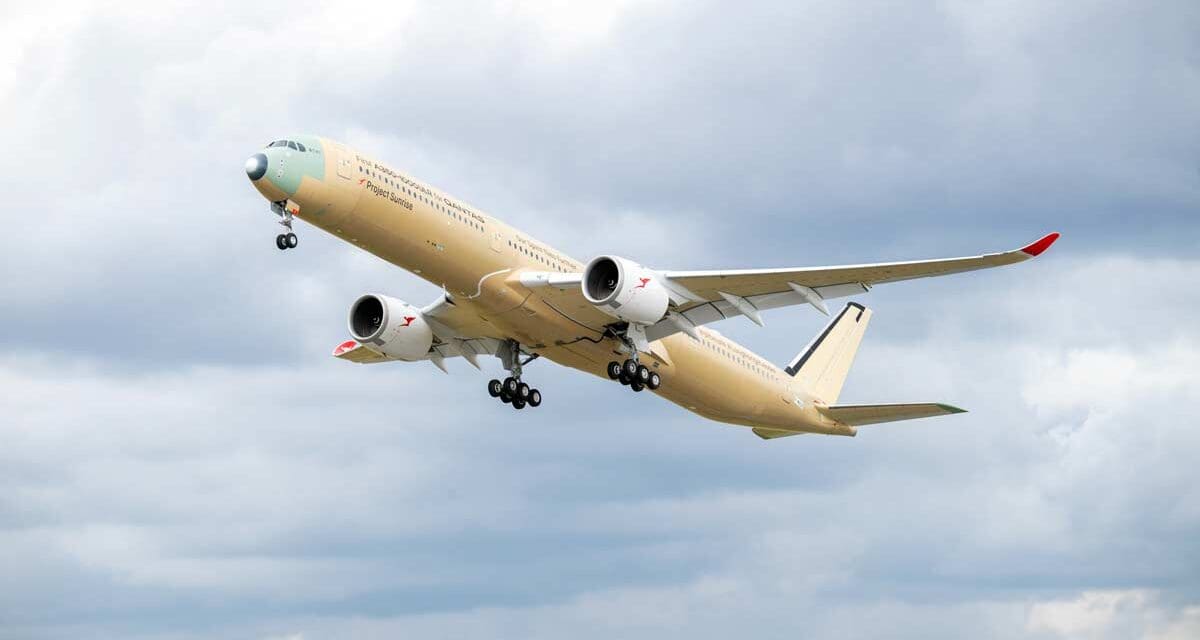
On the day Qantas celebrates the successful maiden test flight of the first Project Sunrise Airbus A350-1000ULR, I thought it might be timely to look more closely at the project. Below, I examine publicly available information and other possible reasons for the delay in the aircraft and project launches.
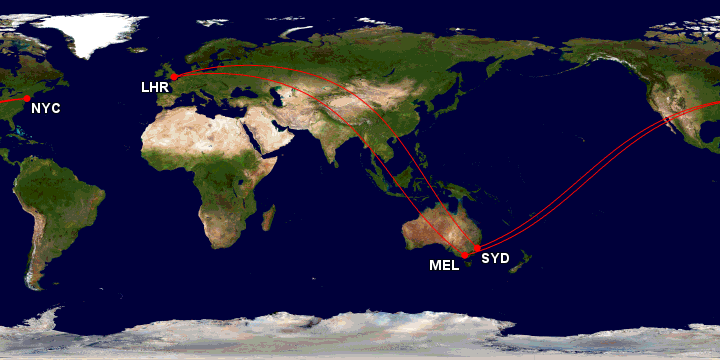
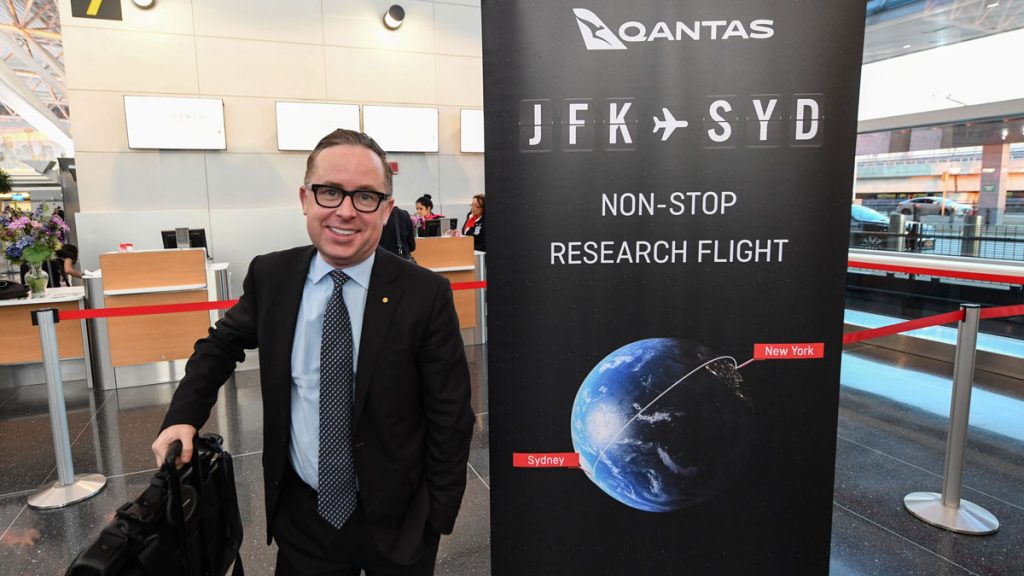
The airline’s first Airbus A350-1000ULR has now been built and completed its first test flight, but its commercial launch has been delayed again. This time to April 2027. That means the world’s longest commercial flights, linking Sydney and Melbourne non-stop with London and New York, are now looking more like a later-2027 event.
The public explanation is not that the seats are the problem. Airbus has pointed to broader A350 supply-chain issues. But with Project Sunrise, the seats are still part of a much bigger certification puzzle. These aircraft are highly customised, ultra-long-range machines with new premium suites, new economy seating, a modified fuel system and a special passenger Wellbeing Zone.
In other words, this is a flying certification headache plus mood lighting.
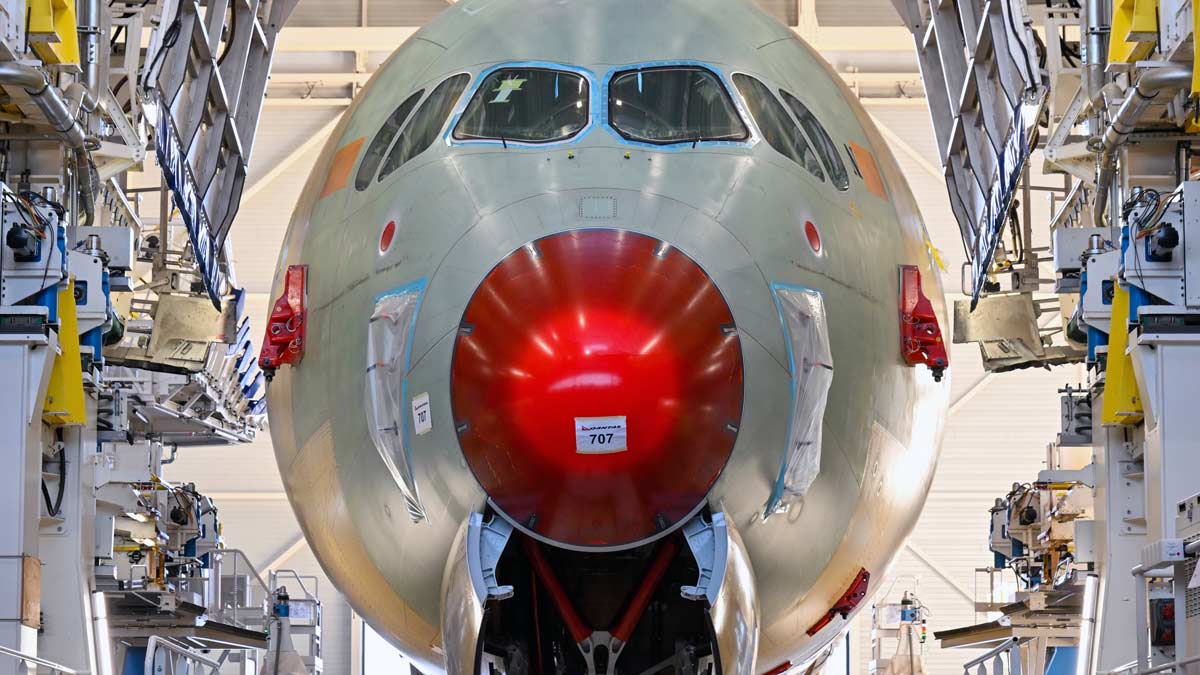
The aircraft has been built
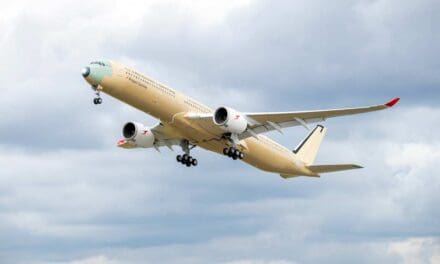
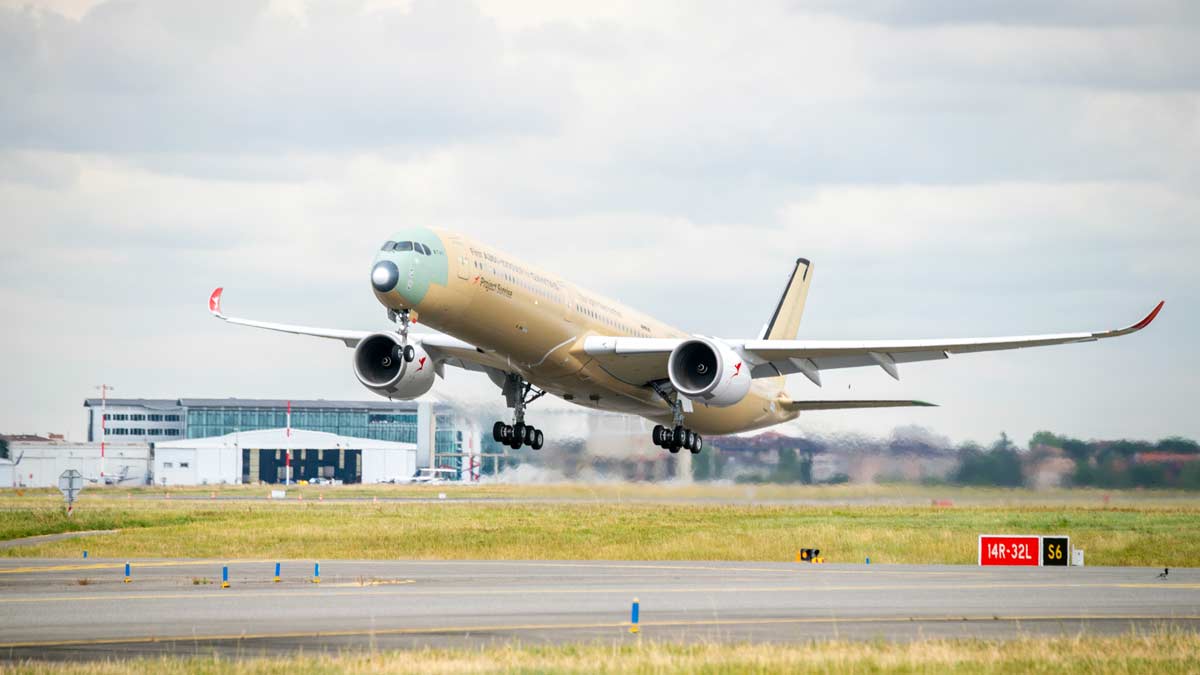
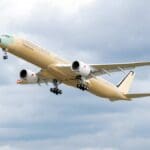
The first Project Sunrise A350-1000ULR has been assembled at Airbus in Toulouse and has been flown under the French test registration F-WZNK.
It rolled out in April 2026 with its major structures, landing gear and Rolls-Royce Trent XWB-97 engines fitted.
From there, the aircraft moved into ground checks, flight testing, and certification activities before handover to Qantas. That process involves proving the aircraft does what Airbus and Qantas say it will do, safely and repeatedly.
The fuel system is a major certification issue
Project Sunrise is not using an off-the-shelf Airbus A350-1000.
The aircraft is a specially modified A350-1000ULR designed to fly sectors of up to around 22 hours. To do that, it needs additional fuel capacity, including a rear-centre fuel tank of around 20,000 litres.
That extra tank has already caused trouble. European regulators required a redesign of the additional fuel tank, which contributed to earlier delays in the programme.
That is important because it puts the latest delay in context. The certification challenge is not only about seats. The aircraft itself is different from a standard A350-1000, and the long-range fuel system has been a key part of the approval workload.
So when Qantas says it is continuing to work with Airbus to test and certify the aircraft, that includes the airframe, the fuel system, the cabin and the operational approvals needed before passengers can settle in for a near-day-long flight.
The cabin is highly customised
Qantas’ Project Sunrise A350s will carry just 238 passengers across four classes: First has 6 suites, Business has 52 seats, Premium Economy has 40 seats, and Economy has just 140 seats. It’s a premium heavy set map.
That is a very low-density layout for an A350-1000. More than 40 per cent of the aircraft is dedicated to premium seating, which makes sense when Qantas is trying to sell ultra-long-haul comfort rather than simply packing in as many people as possible.
But low-density does not mean low-complexity. Quite the opposite.
The aircraft will include enclosed First suites, Business suites with sliding privacy doors, a redesigned Premium Economy cabin, roomier Economy seats, plus that Wellbeing Zone between Premium Economy and Economy.
Each of those elements must be approved for the aircraft interior. A cabin is not just fitted , it has to be certified for crashworthiness, evacuation, fire safety, access, head-strike risk, structural attachment and emergency operation.
The furniture needs paperwork.
![Proposed new First Class on Project Sunrise A350s [Qantas]](https://www.2paxfly.com/wp-content/uploads/2023/02/Qantas-First-A350-2-1200x675.jpg)
Safran is making First and Business
Qantas’ First and Business suites are being manufactured by Safran Seats. The designs were developed with Qantas, Caon Design Studio and the University of Sydney’s Charles Perkins Centre.
The Charles Perkins Centre has been involved in Qantas’ ultra-long-haul research, including passenger wellbeing, sleep, movement, lighting and meal timing.
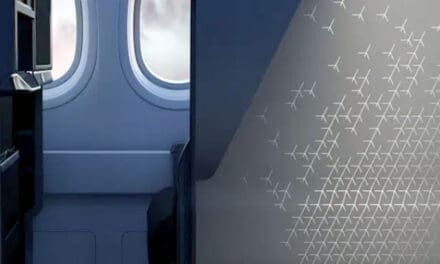
The First suites are the glamour act with six enclosed suites in a 1-1-1 layout. Each has a separate reclining armchair and fixed bed, plus wardrobe space, a large dining and work table, and a 32-inch ultra-high-definition screen.
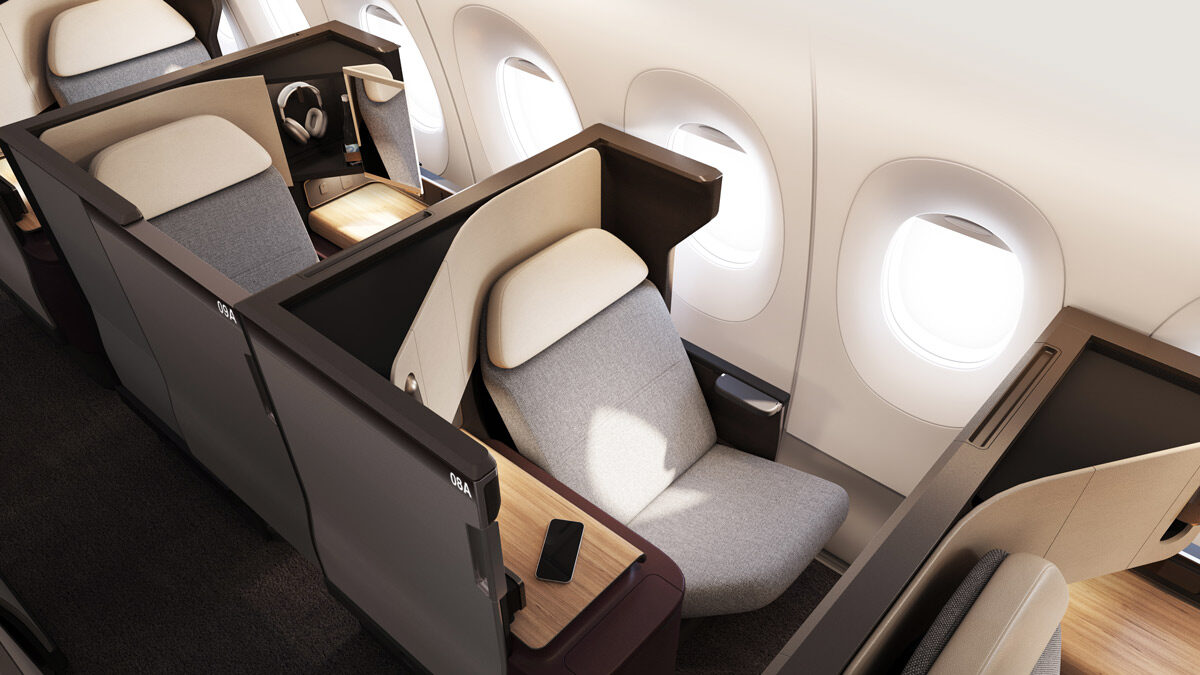
That is excellent news if you are one of the six people up front. It is also a more complex certification proposition than a conventional airline seat. A separate chair and bed, enclosed suite walls, storage spaces, screens, tables and moving parts all have to behave safely in normal and emergency conditions.
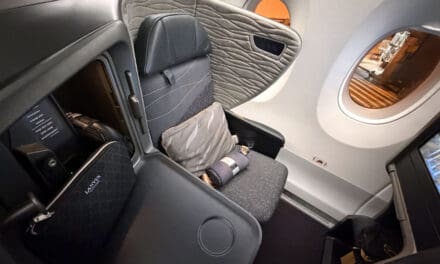
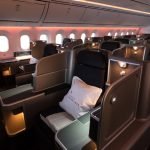
The Business suite is based on Safran’s Unity platform, with Qantas as a launch customer. That means its a certification ingénue. Qantas’ version includes sliding privacy doors, high walls, storage, lighting, a large screen and a fully flat bed.
Again, lovely for passengers. Less lovely for the certification teams. Doors need to open when required. Storage must latch. Panels must remain attached. Screens and consoles must not create unacceptable injury risks. Crew must be able to access passengers. Passengers must be able to get out.
Your private suite may feel like a cocoon, but regulators are very keen that it not become a coffin.
Recaro is making Economy
Down the back, Qantas has selected Recaro Aircraft Seating for Economy.
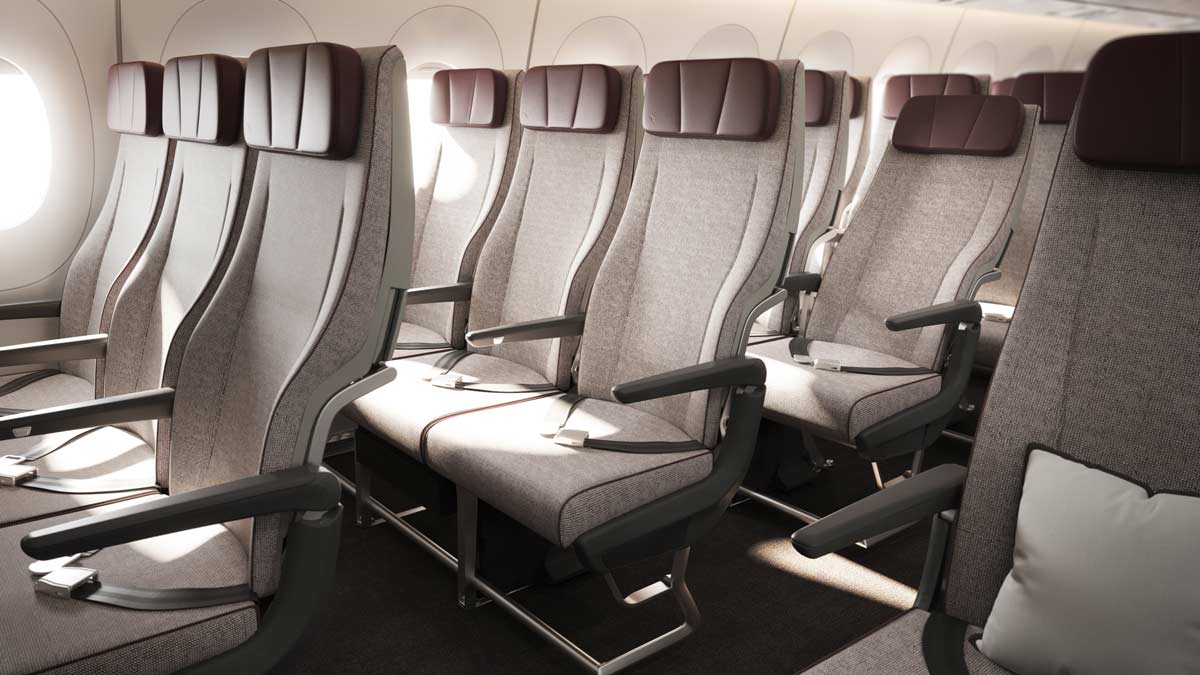
These are based on Recaro’s CL3810 economy seat, with 140 seats on each of the 12 aircraft. Qantas has specified a 33-inch pitch, which is generous by modern long-haul standards, especially when compared with the increasingly miserable 31-inch pitch found on many international aircraft.
That matters because Project Sunrise Economy is not just ‘standard economy, but for longer’. Qantas knows that asking passengers to sit upright for up to 22 hours requires at least some concessions to human anatomy.
Whether that will be enough is another question. Twenty-two hours is still 22 hours, even with a better headrest.
Premium Economy remains less clear
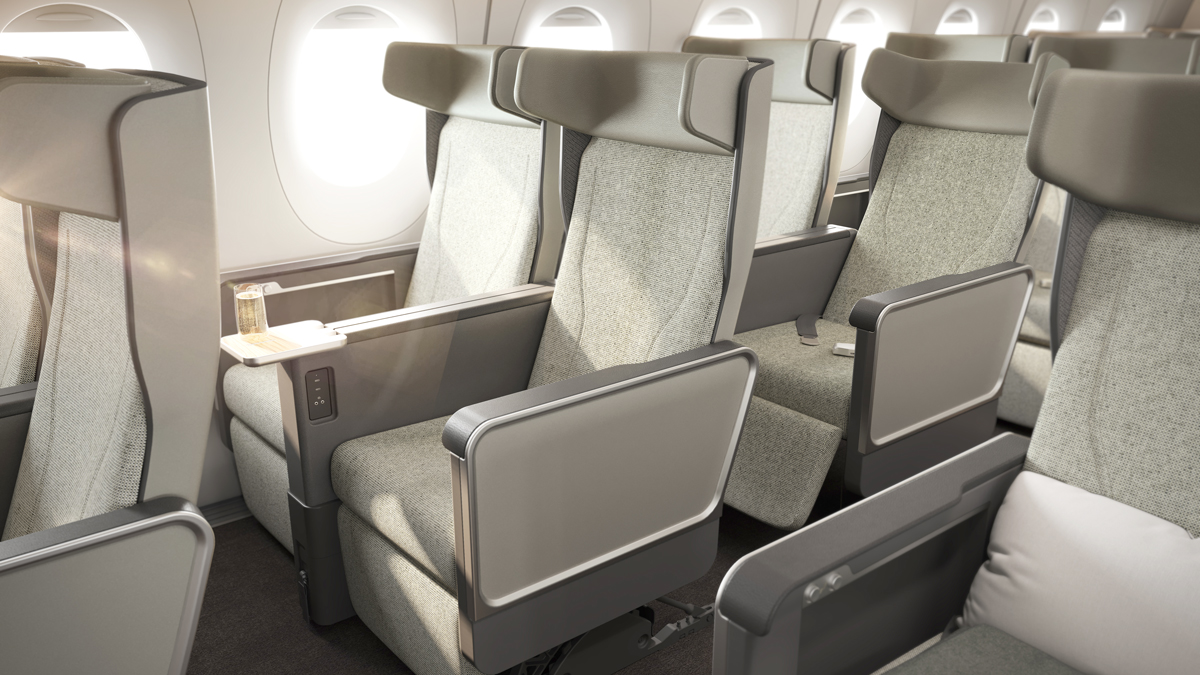
Qantas has confirmed the Premium Economy layout: 40 seats in a 2-4-2 configuration with a 40-inch pitch.
The Qantas version also includes a six-inch recline, a six-way adjustable headrest, an articulating seat pan, custom cushions, a foot net, personal storage, and a 13.3-inch Panasonic Astrova OLED screen with Bluetooth, 4K resolution, and USB-C power.
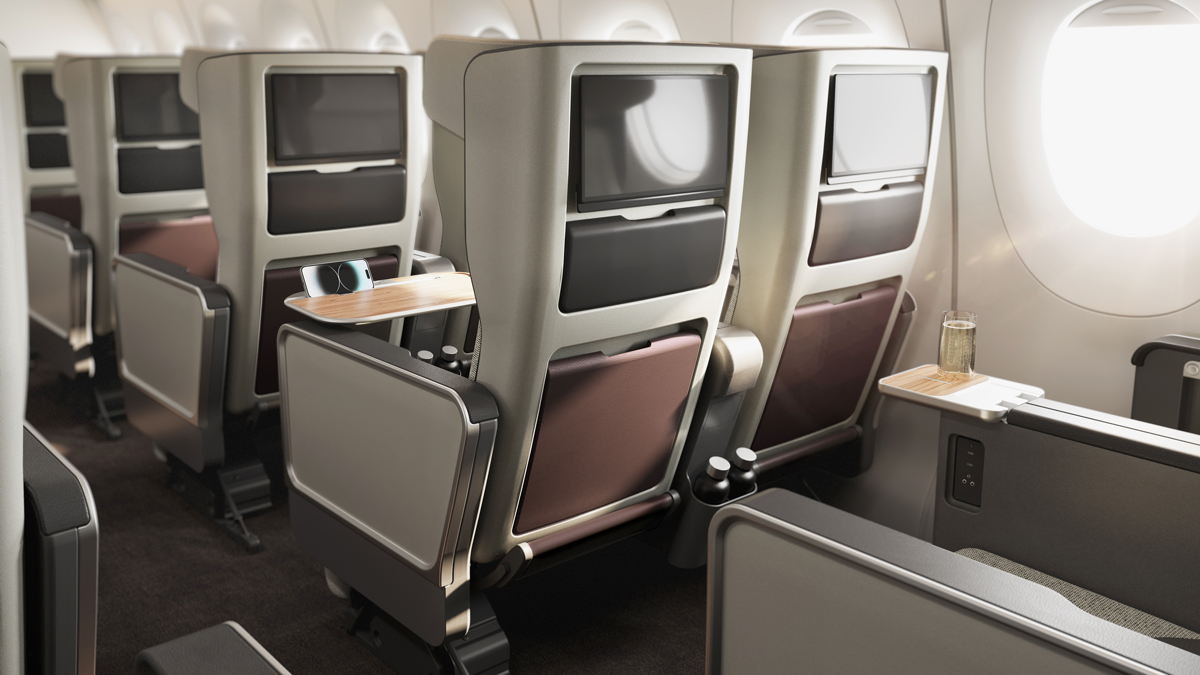
Less clear is the seat manufacturer. Safran has been publicly identified for First and Business. Recaro has been publicly identified for Economy. But the Premium Economy supplier has not been confirmed, as far as I can see, in any public materials.
That may change soon, with the launch of the interior rumoured in the next few weeks. It may also be another first timer, which could be adding to the certification delays.
That Wellbeing Zone also needs approval
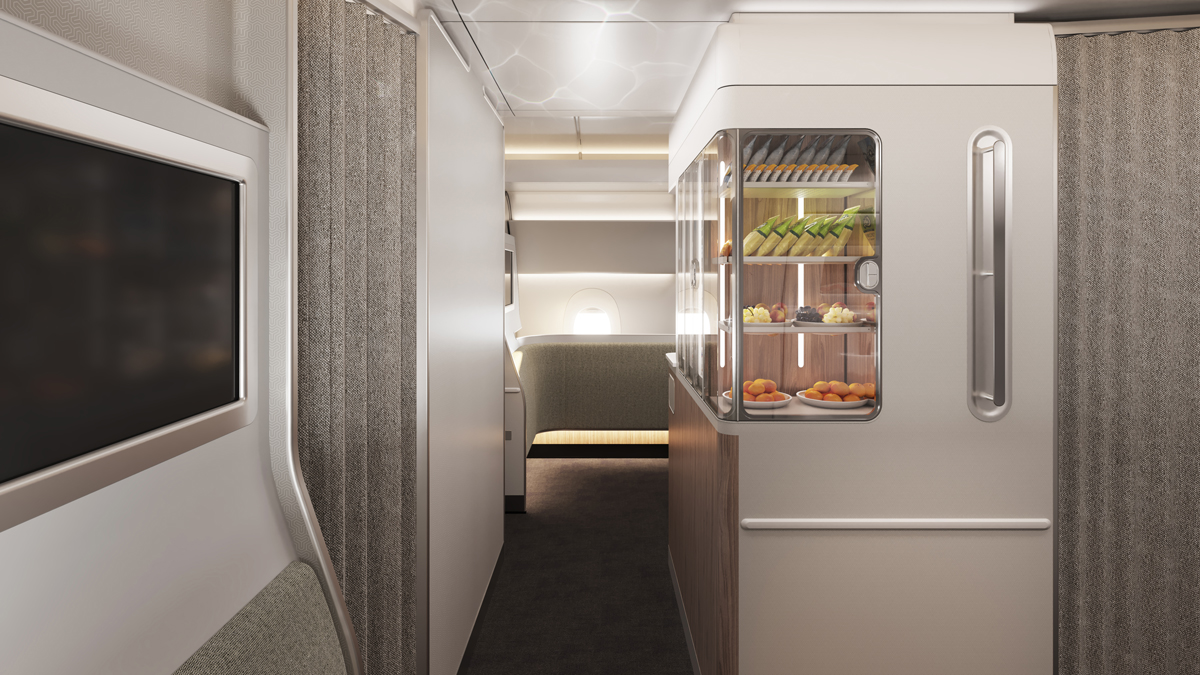
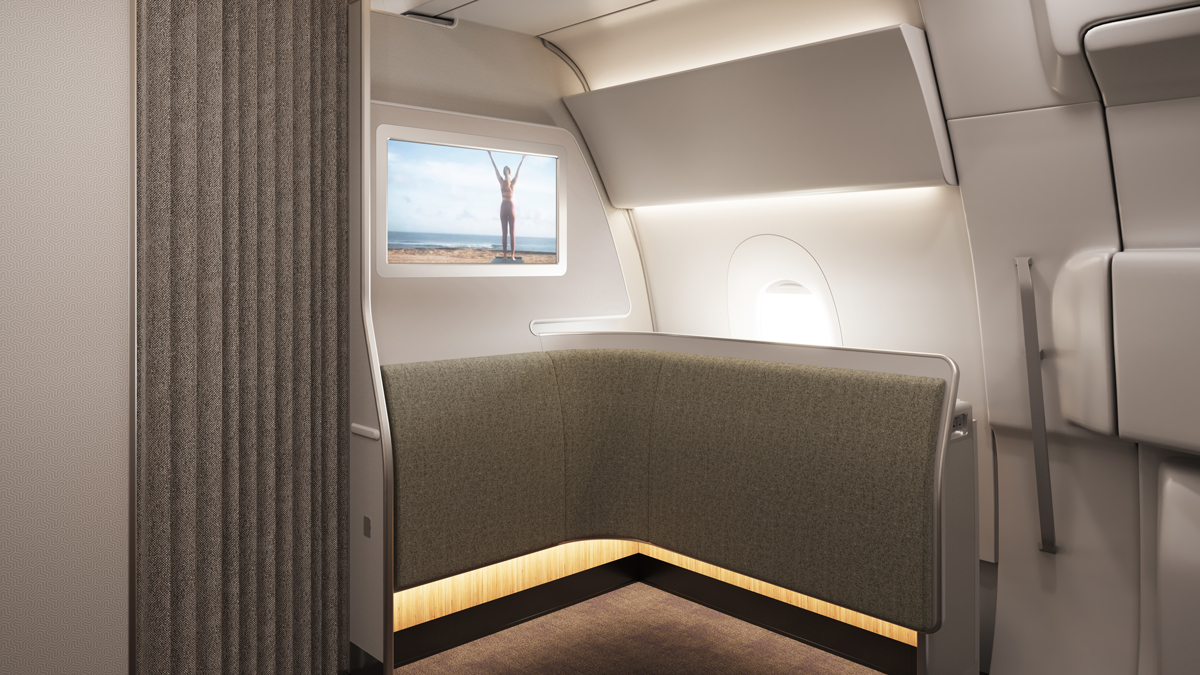
One of the more unusual Project Sunrise features is Qantas’ Wellbeing Zone, positioned between Premium Economy and Economy.
This is intended as a shared space for passengers from all cabins, with room to stretch, move, and serve self-service refreshments. It is a clever response to the reality of ultra-long-haul flying: at some point, even the most obedient passenger needs to stand up.
But the Wellbeing Zone is also part of the needs-to-be-certified aircraft interior.
That means it must work safely during flight, be managed during turbulence, not interfere with evacuation, and not create new hazards in the cabin. Regulators will want to know how it is used, secured and integrated into the rest of the aircraft.
A small stretching area may sound simple. On an aircraft, nothing is.
Are the seats causing the delay?
This is the crucial point: there is no public confirmation that Qantas’ Project Sunrise seats are the specific reason for the latest delay.
The latest delivery slip to April 2027 has been attributed by Airbus to broader A350 supply-chain issues. Earlier delays were linked to the need to redesign the aircraft’s additional fuel tank to meet European regulatory requirements.
That does not mean the seats are irrelevant. The Safran First and Business suites, Recaro Economy seats, Premium Economy cabin and Wellbeing Zone still have to be certified as part of the total aircraft interior.
But there is no public evidence at this stage of a Lufthansa Allegris-style situation in which seats are fitted but not approved for passenger use.
The safer reading is that Project Sunrise is facing a combined certification and delivery burden: a modified aircraft, an extra fuel system, a new cabin, new seats, new operational procedures and the usual supply-chain gremlins.
What happens before passengers board?
Before Qantas can confidently sell the first Project Sunrise flight, several things still need to happen.
Airbus must complete testing and certification work on the aircraft. The modified fuel system must be approved. The aircraft interior, including all seats and the Wellbeing Zone, must be signed off. Qantas then has to accept the aircraft, train crews, prepare maintenance and support systems, prove the aircraft on intended operations and secure route-specific operational approvals.
Only then does Project Sunrise launch.
Qantas has previously discussed launching commercial Project Sunrise flights in the first half of 2027, subject to regulatory approvals and certifications. With the first delivery now pushed to April 2027, passenger services are more likely later in 2027.
For travellers
Project Sunrise will almost certainly be a remarkable aircraft when it arrives. The low-density cabin, premium-heavy layout, First suites, Business doors, roomier Economy, and Wellbeing Zone mean Qantas is taking ultra-long-haul comfort seriously.
But until the aircraft is delivered, certified and scheduled, it remains a promise, not a reality.
2PAXfly Takeout
Lets just say that I won’t be shocked if there are more delays.
A project of this size is so complex that issues will arise, and sometimes solutions take longer than expected. Qantas, and it must be said, Alan Joyce were visionaries to even attempt this project.
I’m still extremely excited about the project, although I just couldn’t conceive of spending 22 hours at the back of the bus, even with 33 inches of pitch and a wellness space.






What did you say?