












QANTAS: A380 retirement to be brought forward?
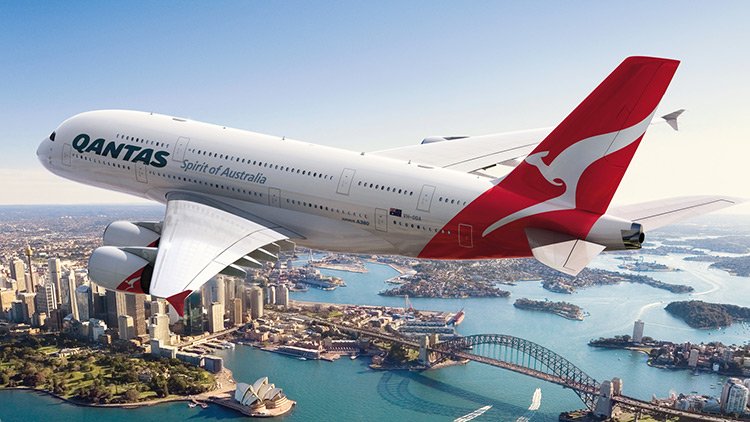
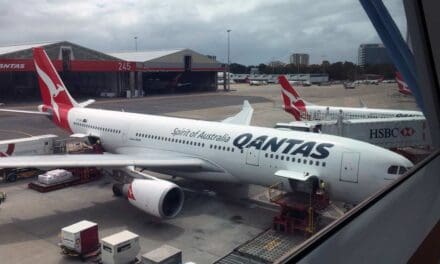
Qantas may be preparing to bring forward the retirement of its Airbus A380 fleet, despite only completing the expensive restoration of all ten surviving superjumbos late last year.
That is the central claim in a Rampart report by Joe Aston (paywall article), written after last week’s Qantas investor and media briefing in Toulouse. Aston says the airline is considering an earlier A380 exit than the “early 2030s” subsequently announced as 2032, which Qantas had previously announced. Aston suggests that confirmation could potentially arrive alongside the airline’s full-year results on 27 August.
Qantas has not commented publicly on any revised retirement timetable. But the report lands as the airline weighs its next major widebody aircraft order. That decision will shape not only the future of the A380, but also the network that follows it.
The A380 replacement question
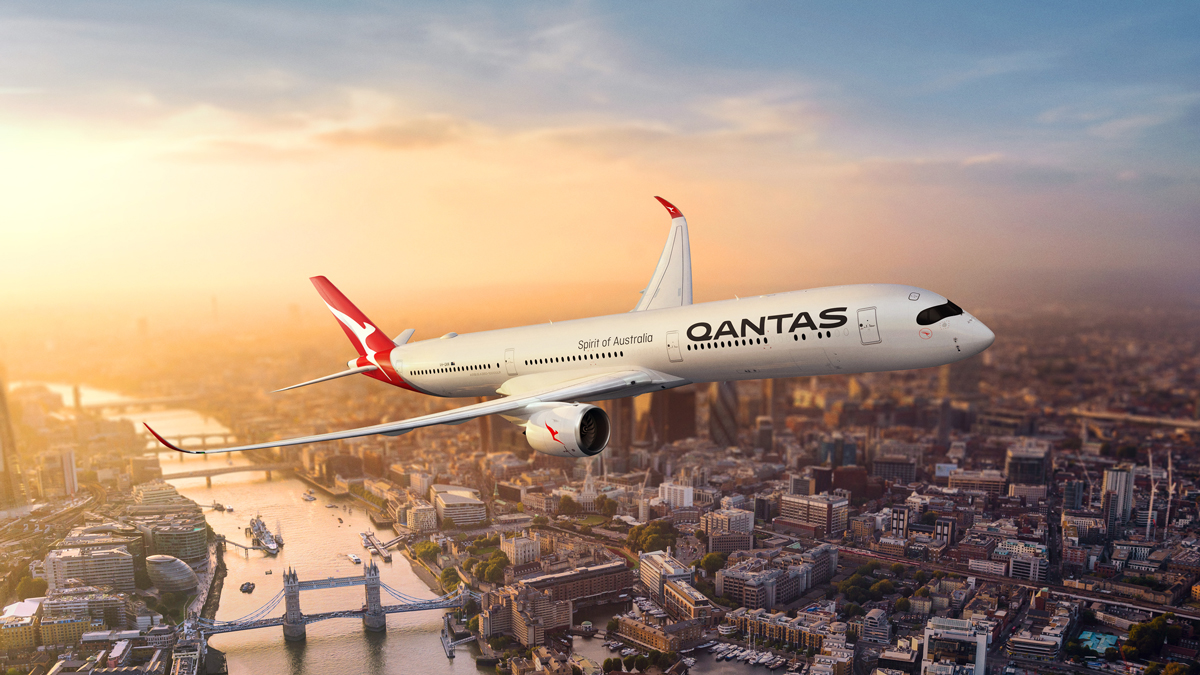
Until now, Qantas’ stated plan has been to begin replacing its ten A380s from around FY32, using new-generation Airbus A350s.
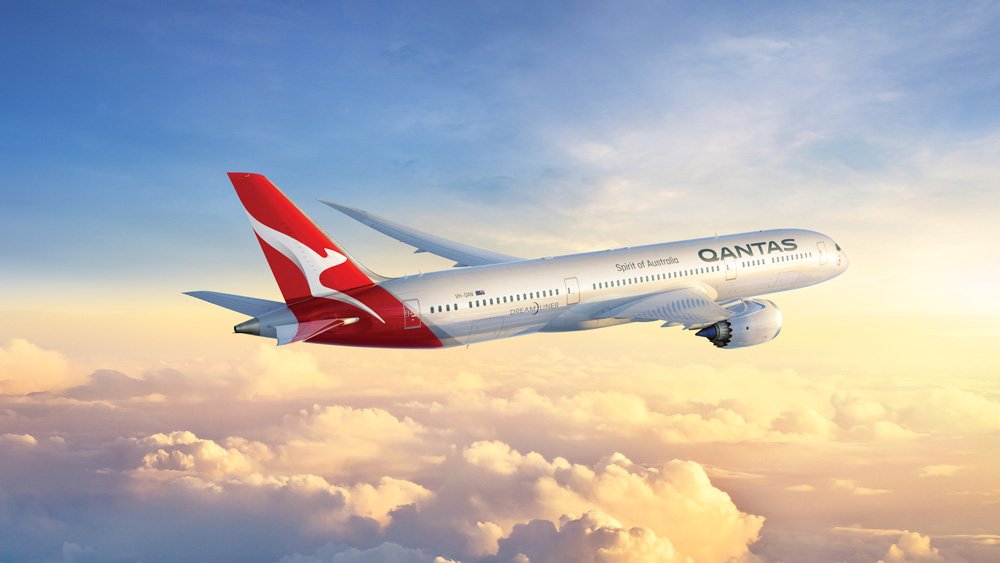
The airline has already ordered 24 Airbus A350-1000s, but none was originally earmarked as an A380 replacement. Twelve are the specially configured Project Sunrise A350-1000ULRs, which will fly non-stop from Sydney and Melbourne to London and New York. The other dozen are standard long-range A350s, arriving from 2028, intended primarily to replace Qantas’ ageing Airbus A330s.
The standard A350s will also be a lower-density, three-class proposition: Business, Premium Economy and Economy. They will not carry the new First suites set to debut on Project Sunrise aircraft.
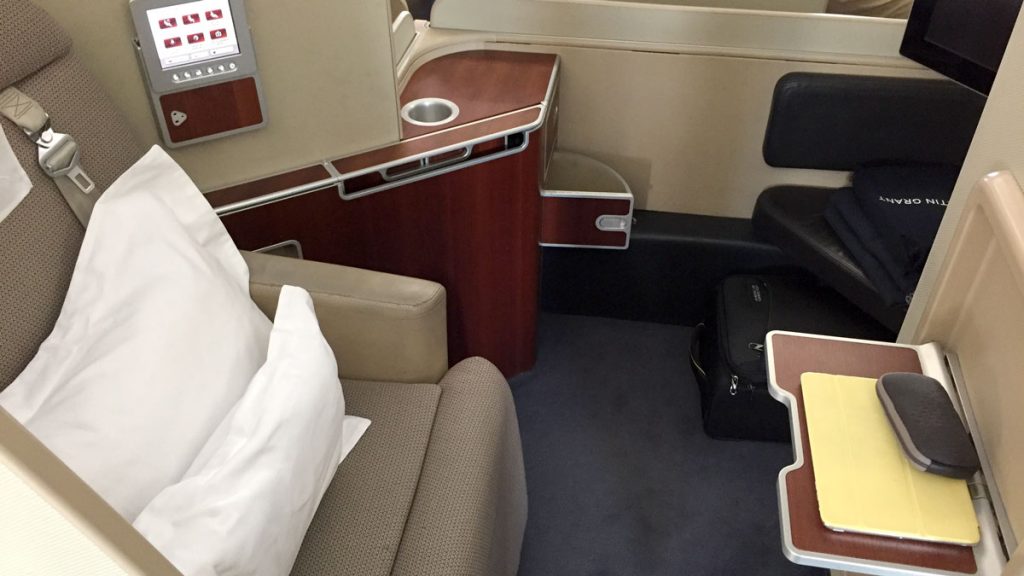
The Qantas A380 is currently the carrier’s only aircraft with a First cabin. Removing the type earlier than planned would sharpen the question of where, and how often, Qantas intends to offer First Class outside the Project Sunrise network.
The obvious answer is a further widebody order. Qantas has been reported to be weighing a purchase of around 20 additional Airbus or Boeing twin-aisle aircraft, potentially including more A350s, Boeing 787s, or a split order across the two manufacturers.
It also holds aircraft purchase rights with both Airbus and Boeing. That gives it some useful flexibility, although neither manufacturer is exactly short of customers. Qantas will need to make decisions soon if it wants deliveries to line up with an earlier superjumbo retirement.
An expensive comeback
The potential change is particularly striking because Qantas only restored its tenth and final operational A380, VH-OQC, to service in December 2025.
That aircraft had spent almost six years out of Australian service. It spent years in long-term storage and more than two years in heavy maintenance in Abu Dhabi. Qantas said its return involved over 100,000 engineering hours. Work included replacement of the landing gear, extensive component work, assessment flights, and a full cabin refresh.
It was no small undertaking for an aircraft that could now enjoy only a comparatively short second life.
Qantas originally operated 12 A380s. Two, VH-OQE and VH-OQF, were scrapped after the pandemic, leaving a ten-aircraft fleet. The survivors have all been refurbished into a 485-seat layout with 14 First suites, 70 Business seats, 60 Premium Economy seats and 341 Economy seats.
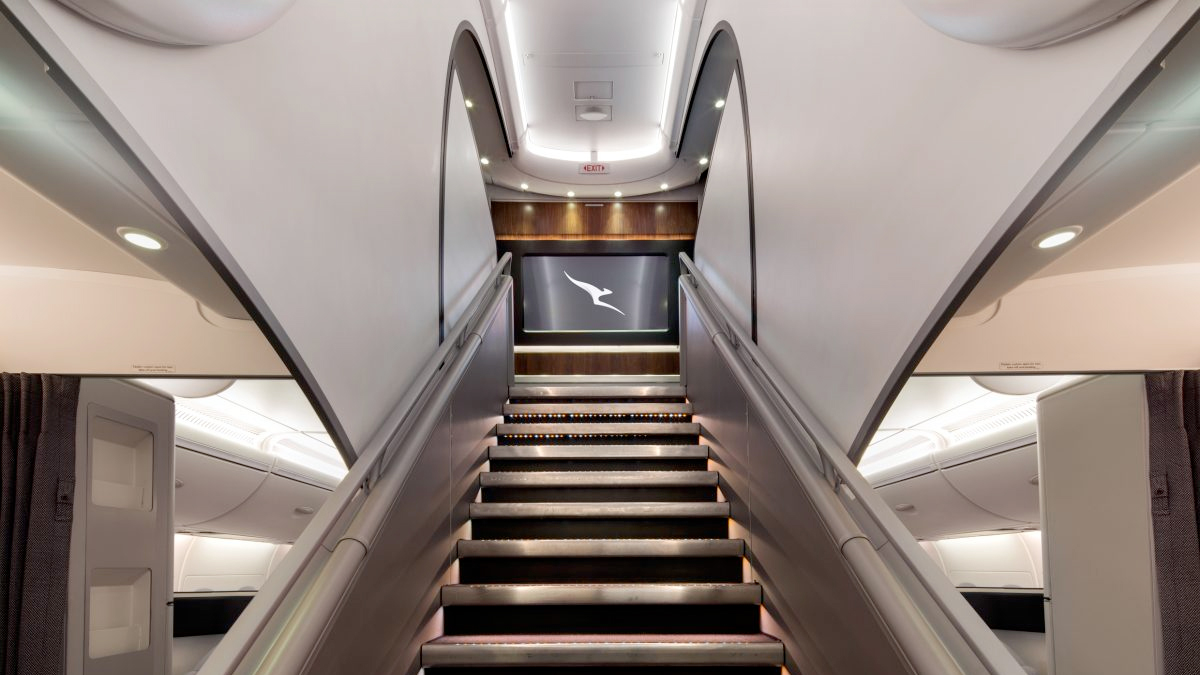
The A380 remains a favourite way to travel for passengers, including me. The aircraft has a spacious upper deck, a proper onboard lounge, a small First cabin and more room to move than Qantas’ Boeing 787-9s. For the airline, however, the aircraft is a four-engined giant designed for a different aviation economy.
To parody Animal Farm, ‘four engines bad, two engines good’ in aircraft terms. They consume less fuel, are more fuel efficient anyway, and don’t carry the technology developed after they debuted, which is present on aircraft like the A350 and B787 families.
Capacity v efficiency
Qantas has already shown it is prepared to move the A380 around to match demand.
The airline recently withdrew the superjumbo from Melbourne to Los Angeles from October, replacing it with the smaller Boeing 787-9. The A380 capacity was redirected to Sydney–Singapore, where Qantas sees stronger demand due to the war in the Middle East.
The superjumbo also remains central to several of Qantas’ heaviest international services. That includies flights to London, Dallas/Fort Worth, Johannesburg, Los Angeles and Singapore.
That suggests any retirement will be a gradual process, rather than a dramatic farewell tour. Qantas is likely to keep deploying A380s where their 485 seats and sizeable premium cabins can be filled profitably, while progressively substituting A350s or 787s on routes better suited to smaller aircraft.
The challenge is that no twinjet will be a like-for-like replacement. An Airbus A350-1000 may be far more efficient, but it carries fewer passengers and offers less premium-cabin real estate than an A380. Replacing the superjumbo is therefore as much a network-planning exercise as a fleet decision.
The 2PAXfly Takeout
The decision on the replacement aircraft will also give us some insight into Qantas’s future plans. Smaller, nimbler twin-engined jets will allow it to serve routes with lower demand. That could indicate growth in its network of destinations. Larger aircraft like the A350s might indicate that it is going to stick to its major trunk routes. If it chooses to order more of the ULR option, then it will be putting a lot of eggs into the ultra-long-haul basket.
I’ll be awaiting an announcement on 27 August to see how long my favourite aircraft will remain in the Qantas fleet. Either way, this decision on a replacement aircraft will determine the Qantas strategic direction for decades to come.





Interesting that you don’t mention the new 777, which while ridiculously delayed already should most certainly be flying in five years.
Hi Christian,
You make a fair point. There are a couple of reasons I think this is unlikely. Qantas has no 777s in its fleet, so that would mean introducing a whole new aircraft family with the simulators, staff training and engineering adaptation that would involve. Secondly, given the A350-1000ULR delays, they might feel that the 777X was coming out of the fryingpan and into the fire.