



















INDONESIA/WEST PAPUA: Pilot killed and aircraft burned in remote highlands attack
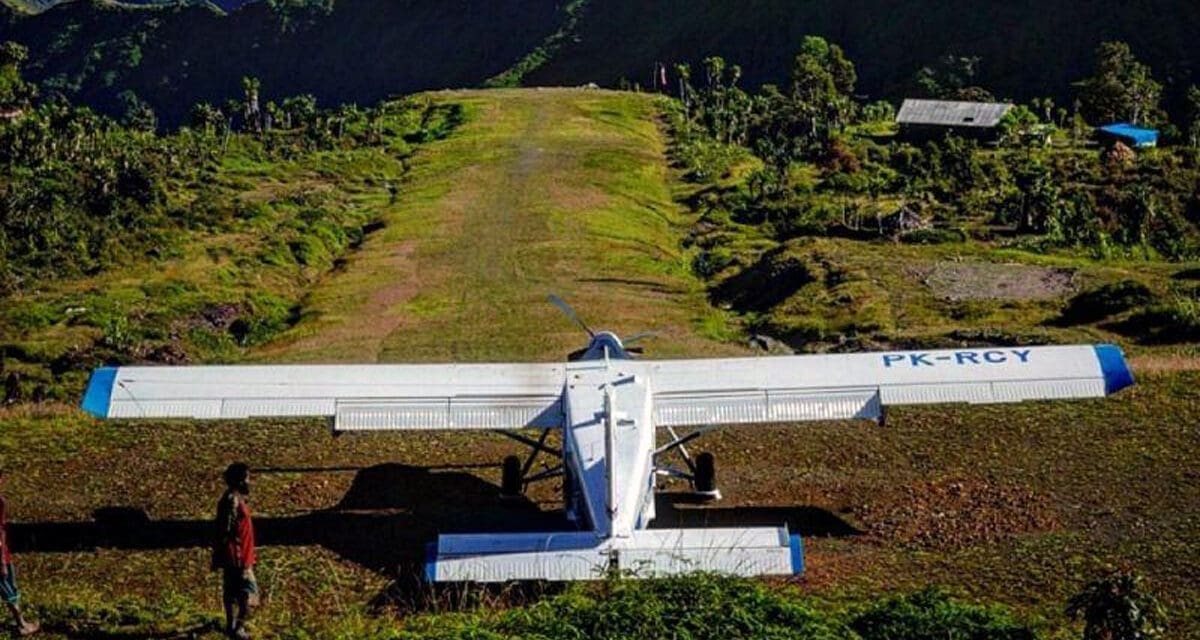
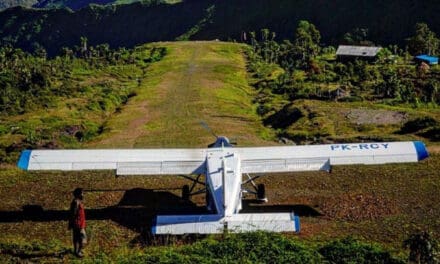
An American pilot flying one of the small aircraft that keep Indonesia’s remote Papuan highlands connected has been killed after his Pilatus PC-6 Porter was attacked and burned at an isolated airstrip.
This tragedy highlights the perils of flying into disputed areas, amid political turmoil.
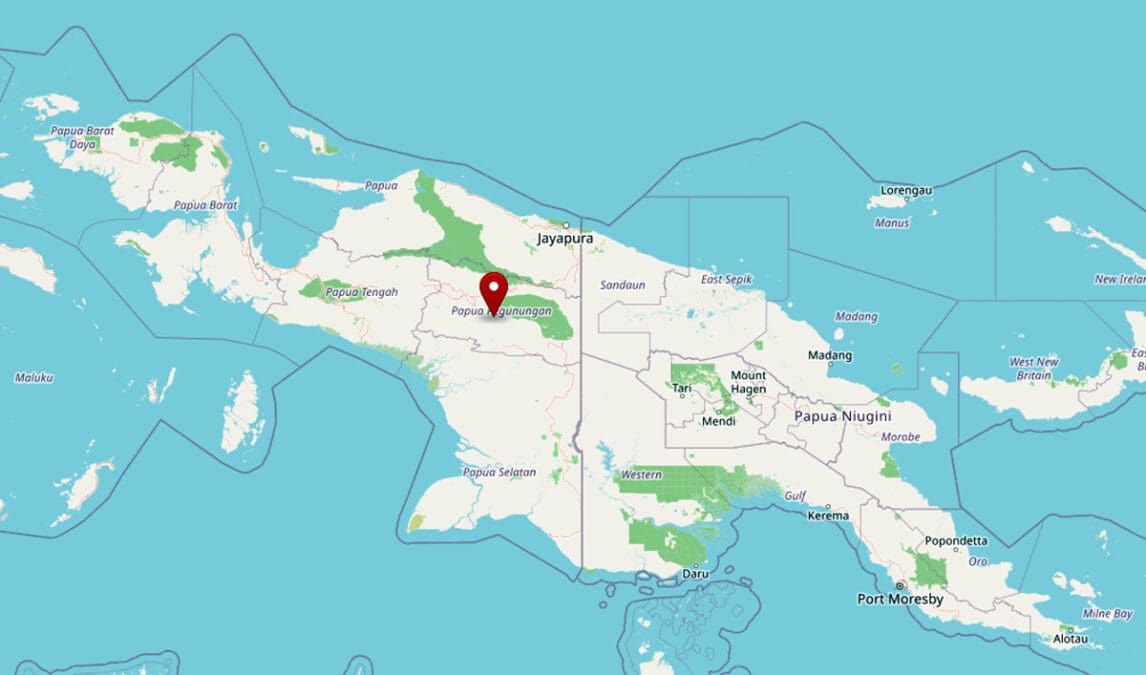
Captain Nicholas F. Gosselin was operating the Associated Mission Aviation (AMA) aircraft, registration PK-RCY, from Wamena to Ipdeheik airstrip at Balinggama in Yahukimo Regency, Highland Papua. The single-engine aircraft carried seven local Papuan passengers. Indonesian aviation authorities said communications stopped after the aircraft landed. Separatist fighters from the West Papua National Liberation Army, known as TPNPB, later claimed responsibility for shooting Gosselin and burning the aircraft. They claimed that the aircraft was involved in transporting Indonesian military personnel.
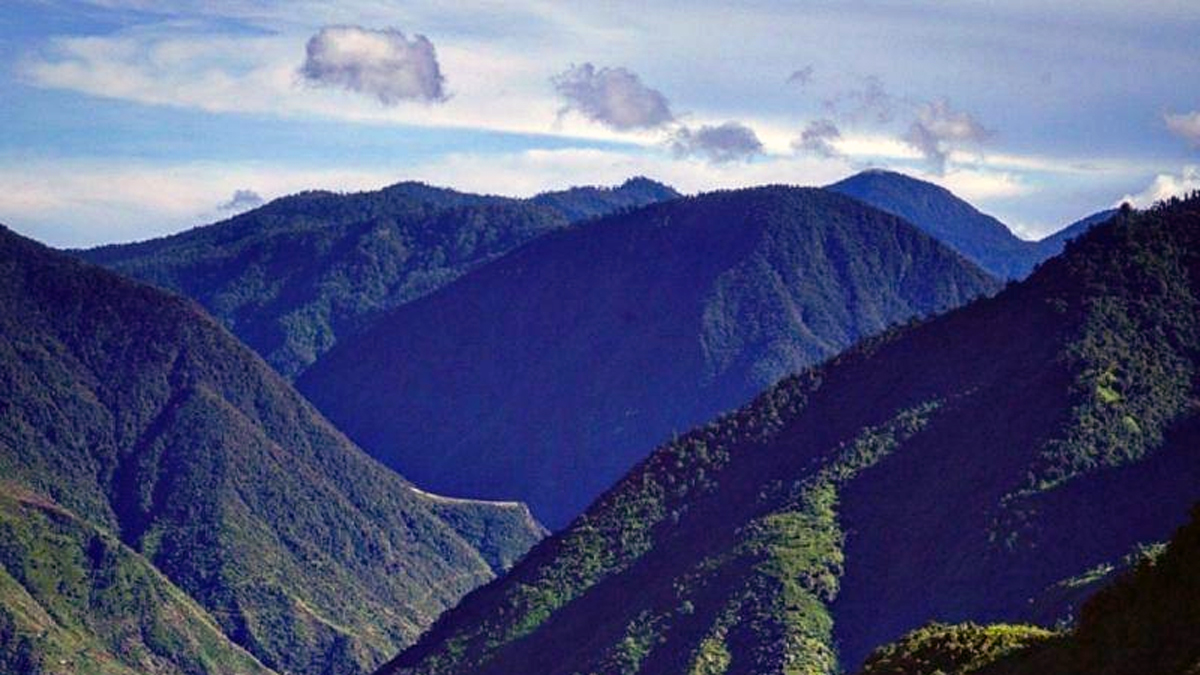
The Indonesian military says the seven passengers, including three women, were unharmed and denies the aircraft was carrying troops. Authorities have faced immediate difficulties reaching the site: there is no road access, the terrain is mountainous and poor weather has complicated attempts to conduct an evacuation and investigation.
A small aircraft doing an outsized job
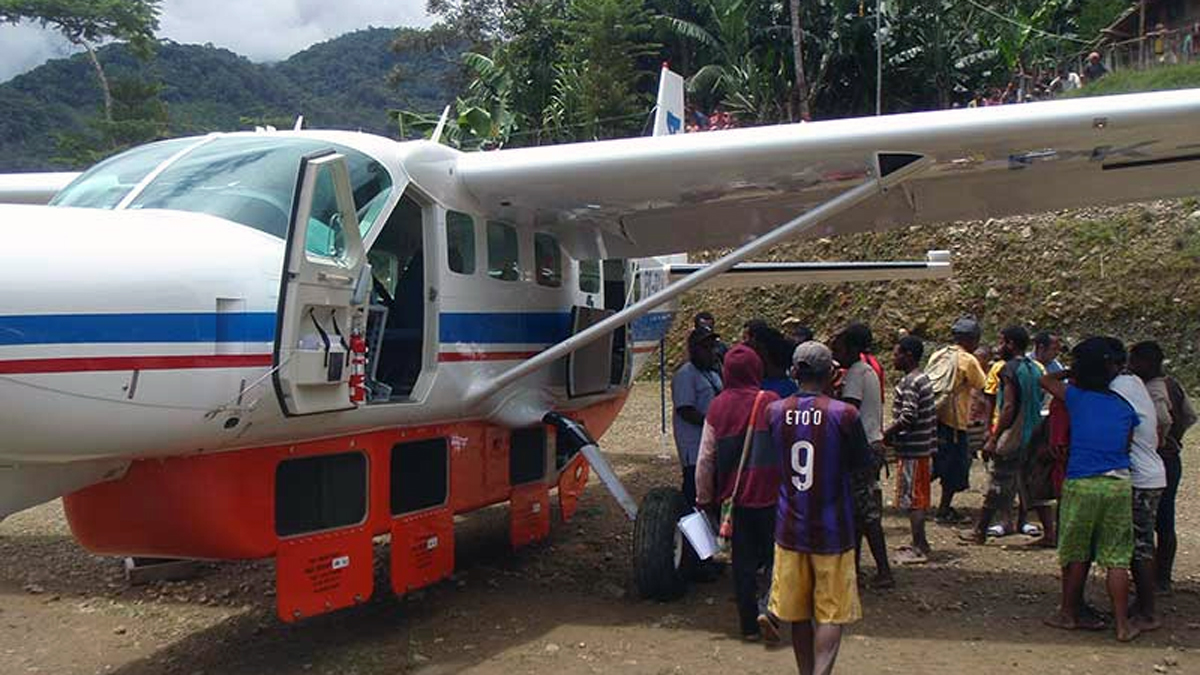
PK-RCY was no ordinary commuter aircraft. It was a Pilatus PC-6/B2-H4 Turbo Porter, one of aviation’s great utility workhorses and exactly the sort of machine required in Papua’s rugged interior.
AMA uses the Swiss-designed, single-engine STOL aircraft for the shortest and roughest airstrips in its network. The airline says a PC-6 can operate into strips under 280 metres long, carry up to nine passengers and land on surfaces that would be completely unsuitable for a conventional regional aircraft.
That capability matters in a region where a basic grass or dirt runway can be the only practical link between a mountain village and a larger town. These aircraft move passengers, medical supplies, fuel, food, mail, building materials and sometimes patients needing evacuation.
Civil aircraft caught in a political conflict
The TPNPB alleges that civilian aircraft have been used to transport Indonesian military personnel and supplies into conflict areas. It says PK-RCY had breached a warning against flights into what the group considers rebel-controlled territory.
Those claims have not been independently verified.
But the allegation exposes a grim dilemma for pilots and operators in Papua. A small aircraft transporting local passengers, food or medical supplies can be seen by a community as a lifeline. Or, by armed groups as part of the infrastructure supporting the Indonesian state.
That places pilots in an impossible position. Remote strips cannot be secured like commercial airports. A community’s aviation link cannot be withdrawn without major consequences for supplies, healthcare and travel. Operational hazards of Papua flying —weather, terrain, short strips, and limited communications—are compounded by political violence.
West Papua and pilots
The violence is rooted in a conflict that has run for decades. Papua, is the western half of New Guinea and a former Dutch colony. It became part of Indonesia after a 1969 United Nations-sponsored vote. Indonesia considers the issue settled. Many Papuan independence supporters regard the process as illegitimate and have continued to pursue self-determination through political and armed resistance.
The TPNPB is the armed wing of the wider Papuan independence movement. Its conflict with Indonesian security forces has intensified in recent years. ,This is particularly concentrated in the highlands. Civilians, security personnel and separatist fighters are all caught in the violence.
This is not the first such incident. New Zealand pilot Phillip Mehrtens was abducted after landing a Susi Air aircraft in Nduga in February 2023 and was not released until September 2024. In August 2024, New Zealand helicopter pilot Glen Malcolm Conning was killed after landing in the Mimika region.
The killing of Gosselin and destruction of PK-RCY therefore does not come from nowhere.
2PAXfly Takeout
This is first and foremost a human tragedy for American pilot Captain Gosselin, his family, and colleagues. But it is also a chilling reminder of the burden carried by pilots flying the world’s most remote routes.
Papua’s terrain and flying conditions are risky enough without the addition of political conflict. The sooner the right to sovereignty of the West Papuans is recognised and the political and military conflict is resolved, the better.
But as with most issues of independence and sovereignty, resolution will be complex and time-consuming. Unfortunately, I don’t think this will be the last such incident.






What did you say?