



















QATAR & ETIHAD: A380s retreat from Australia as the superjumbo shuffle continues
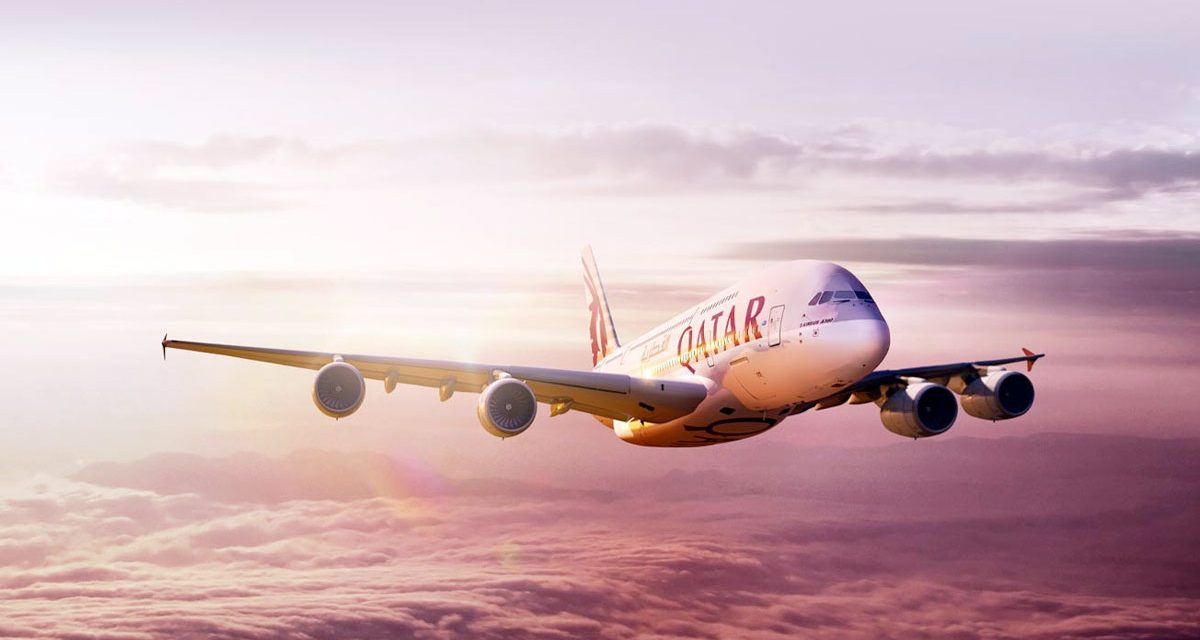
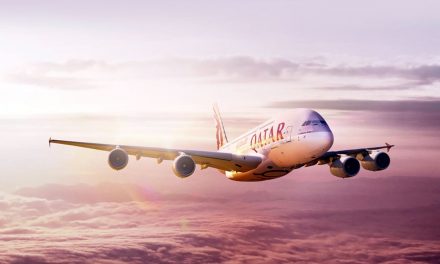
Qatar Airways is cutting back planned A380 service to Australia and China, with the superjumbo now concentrated on a much smaller number of routes as the airline rebuilds its network after disruption in the Middle East. AeroRoutes schedule filings show Qatar’s regular A380 operations from 16 June to 15 September 2026, limited to Bangkok and London Heathrow, not Australia.
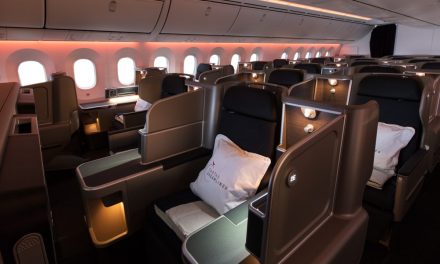
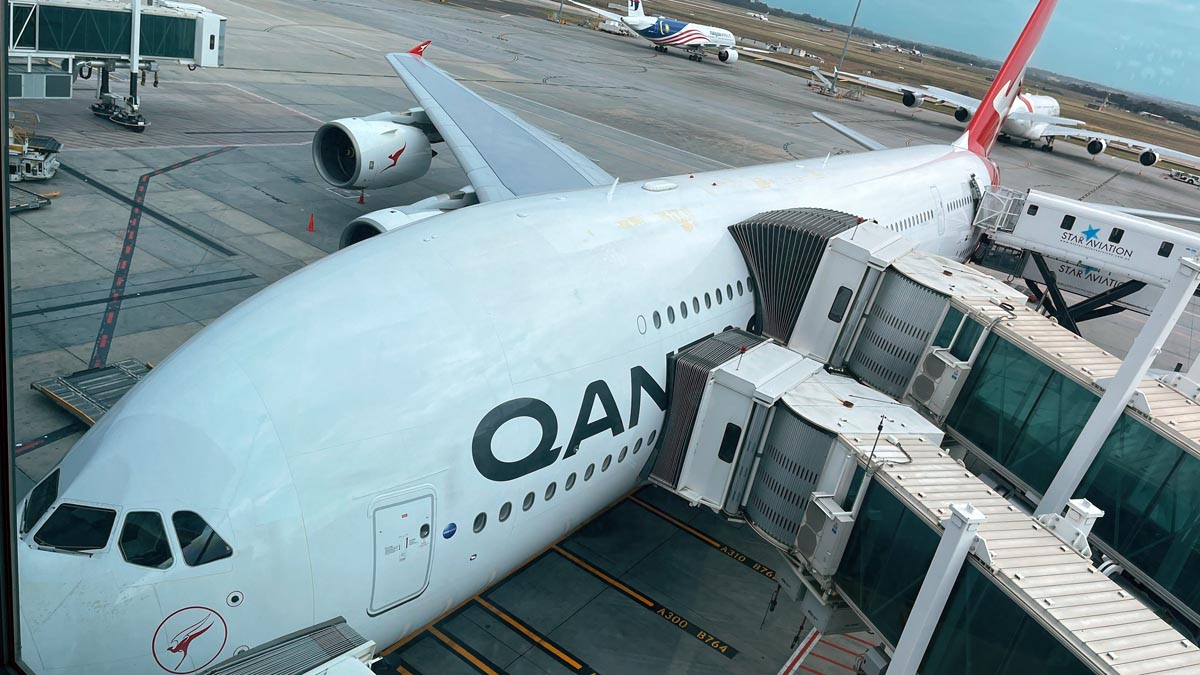
For Australian travellers, that matters. The A380 is not just a bigger aircraft. It usually means more premium seats, more award availability and sometimes First Class. When an A380 becomes a Boeing 777, A350 or 787, capacity drops, and the seat map can change sharply.

Why the A380 is being shuffled
Qatar Airways has been rebuilding its global network as a result of the Iran war and wider Middle East disruption, which affected airspace, operations and profitability. Qatar Airways’ annual net profit fell by more than 7%, as the airline worked to restore global connectivity following airspace closures and thousands of cancellations.
Qatar’s own operational update says flights to and from Doha are still using dedicated corridors coordinated with Qatar’s civil aviation authority, and warns that schedules remain subject to change for operational, regulatory and safety reasons. That means Qatar is not expecting the disruptions to cease any time soon.
AeroRoutes’ 10 May filing shows Qatar operating about 85 per cent of its previously planned services between 16 June and 15 September 2026, compared with the earlier March schedule. Several services remain suspended, including Canberra, while other destinations are being restored or increased.
Etihad is playing the same game
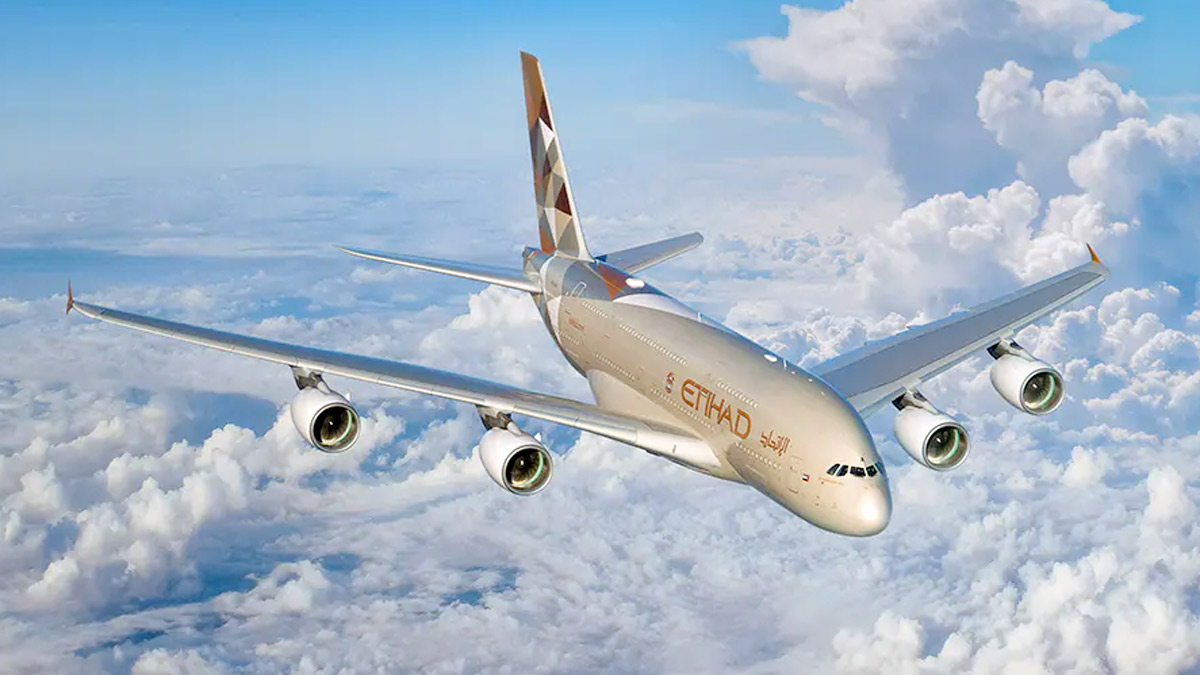
Qatar is not alone. Etihad is also moving its A380 pieces around the chessboard. Etihad had planned to use the A380 on the Abu Dhabi-Singapore route, but has instead filed a change to operate the route with Boeing 787-9 Dreamliners from 1 July to 24 October. That is a serious capacity haircut: from roughly 484–494 seats on the A380 to 226 seats on the 787-9. Business Class falls from 70 seats to 28.
But the A380 has not vanished from Etihad’s network. It is being redeployed where Etihad thinks it can get more value. Paris Charles de Gaulle gets two daily A380s this summer, with other Etihad A380 routes including London Heathrow, Tokyo Narita and Toronto.
Effectively, Singapore loses the superjumbo, and Paris gets two.
![Etihad The Residence, A380 [Etihad]](https://www.2paxfly.com/wp-content/uploads/2023/11/etihad-a380-residence-1.jpg)
Australia loses seats
Fewer A380s generally means fewer seats, especially in premium cabins.
That is particularly relevant for Australians using Gulf carriers to Europe. The Gulf hub model has long depended on big aircraft feeding huge banks of connections. If a superjumbo is removed from an Australian route, passengers may still get where they are going, but with less capacity in the market, less upgrade space, and potentially fewer reward seats.
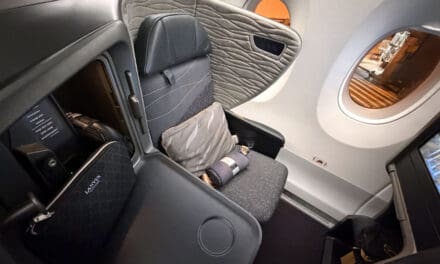
It also makes the aircraft lottery more important. You might book one cabin product and end up on another. That can mean different Business Class seats, a loss of First Class, altered seat maps, or a cabin that is OK rather than outstanding.
Singapore an A380 reshuffle zone
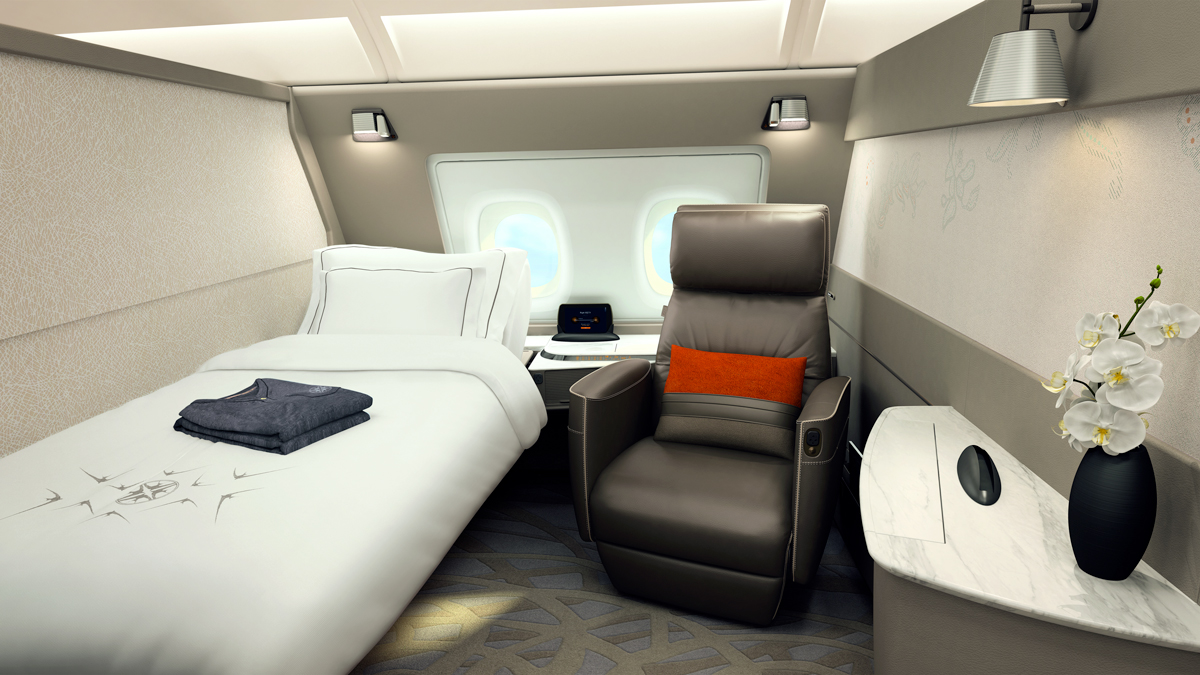
Singapore is a useful case study in how volatile A380 planning has become. Etihad is removing its A380 from Abu Dhabi–Singapore, and Qatar is not expected to resume A380 operations to Singapore until September. Emirates continues to operate some A380 services to Singapore while using Boeing 777-300ERs on others. Singapore Airlines, meanwhile, has adjusted its own A380 plans, including deploying the type to Melbourne.
That is the small consolation prize for Australian superjumbo tragics. Melbourne still gets some A380 love from Singapore Airlines, even as Gulf carrier A380 flying becomes more selective.
For travellers
Check your booking. Aircraft swaps can happen quietly, with the first sign being a changed seat map.
If you are chasing First Class, be especially careful. Many replacement aircraft do not offer First at all, and even where they do, the cabin may be smaller. If you are using points, aircraft swaps can also affect the availability of upgrades and rewards.
If you are connecting through Doha, Dubai or Abu Dhabi, be especially careful. The region’s carriers are rebuilding, but current advisories and operational updates make it clear that schedules are still more fluid than usual. That means monitor your booking.
2PAXfly takeout
The Middle East conflict has brought home some realities and adjusted passenger demand, especially for flights via the Gulf carriers. The A380 is not dead; it’s just that airlines are eyeing their bottom lines more closely as conflict and fuel prices become unpredictable. Airlines are redeploying their limited superjumbo fleets where the commercial case is strongest. It looks like that doesn’t always mean Australia.






What did you say?