























AIR NEW ZEALAND: Koru program replaces Airpoints
Air New Zealand has officially launched its refreshed loyalty programme, Koru, replacing the long-running Airpoints brand and shifting more than five million members into a new tier structure from 22 April 2026.
Existing Airpoints and Status Points carry across, so members are not starting again from scratch. The less thrilling news is that the real value will depend on how often you fly, what cabin you buy, and whether the new benefits are useful when you need them.
Airpoints becomes Koru
The refreshed programme replaces Airpoints as the umbrella loyalty brand, although the familiar Airpoints currency remains. Koru has two key currencies: Airpoints and Status Points, with members moving into equivalent Koru tiers based on their current Airpoints status.
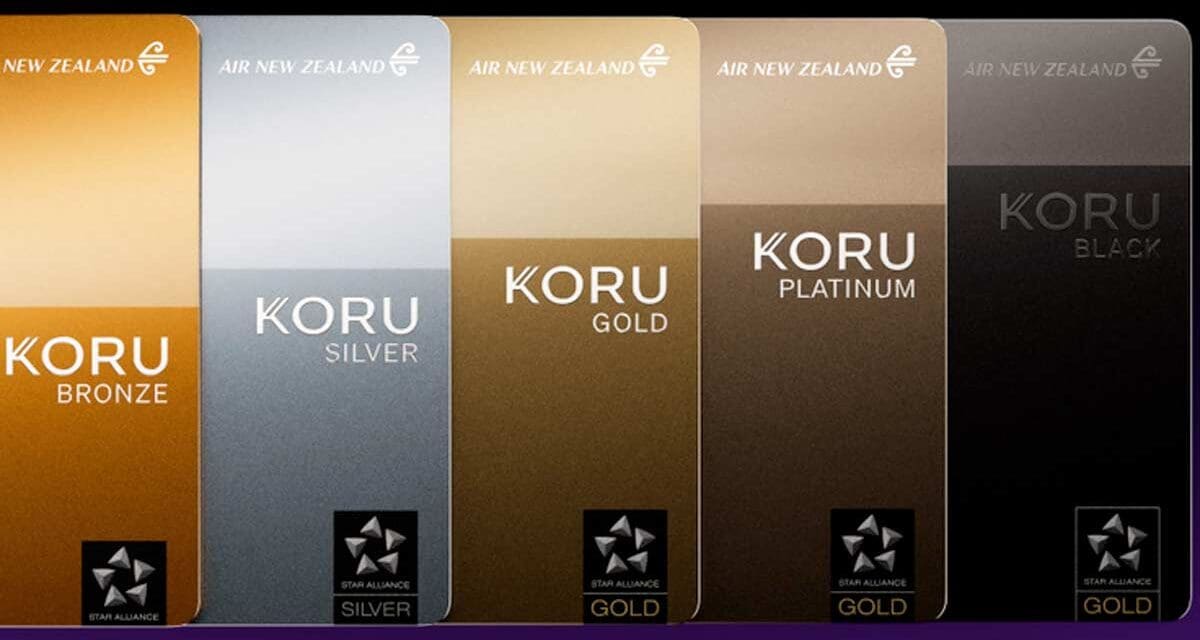
The new status ladder and Status Credits required to gain and retain is:
Koru Bronze (entry level), Koru Silver (450/405), Koru Gold (900/810), Koru Platinum (1,500/1,350) and Koru Black (3,200/3,040).
Air New Zealand, like all airlines, claims that the programme has been shaped by customer feedback. Members asked for clearer benefits and an easier way to understand progress. Who knew?
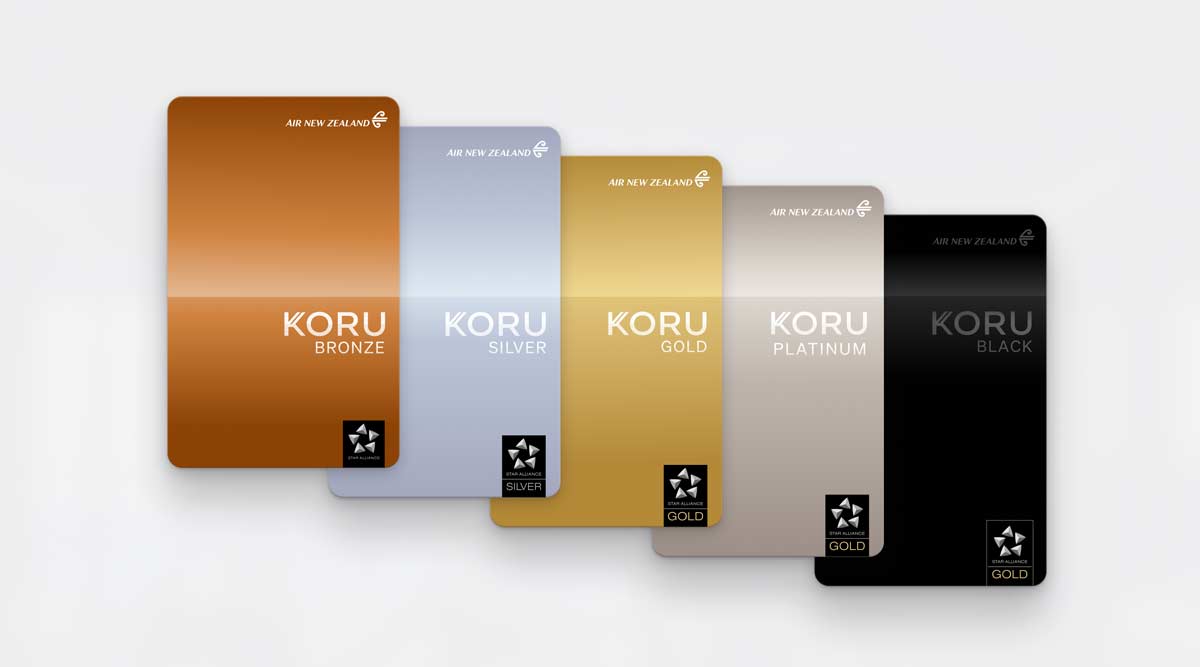
Bronze is the everyday entry point
Koru Bronze is the starting tier. Because many members will earn from shopping rather than flyint, Air New Zealand is leaning into everyday earning, with more than 40 partners across categories such as fuel, groceries, retail and financial services.
Gold members
The real changes start at the Koru Gold level. Those members receive milestone Status Rewards, which can include Airpoints for future travel or spending in the Airpoints Store. They also get two Recognition Upgrades each membership year, allowing them to move up one cabin class when they achieve or retain Koru Gold. Those upgrades are valid for that membership year.
The usual upgrade caveats apply: availability, fare rules, eligible flights and the airline’s appetite for actually releasing upgrade space. As with Qantas Classic Upgrade Rewards, the benefit is only as good as the inventory available.
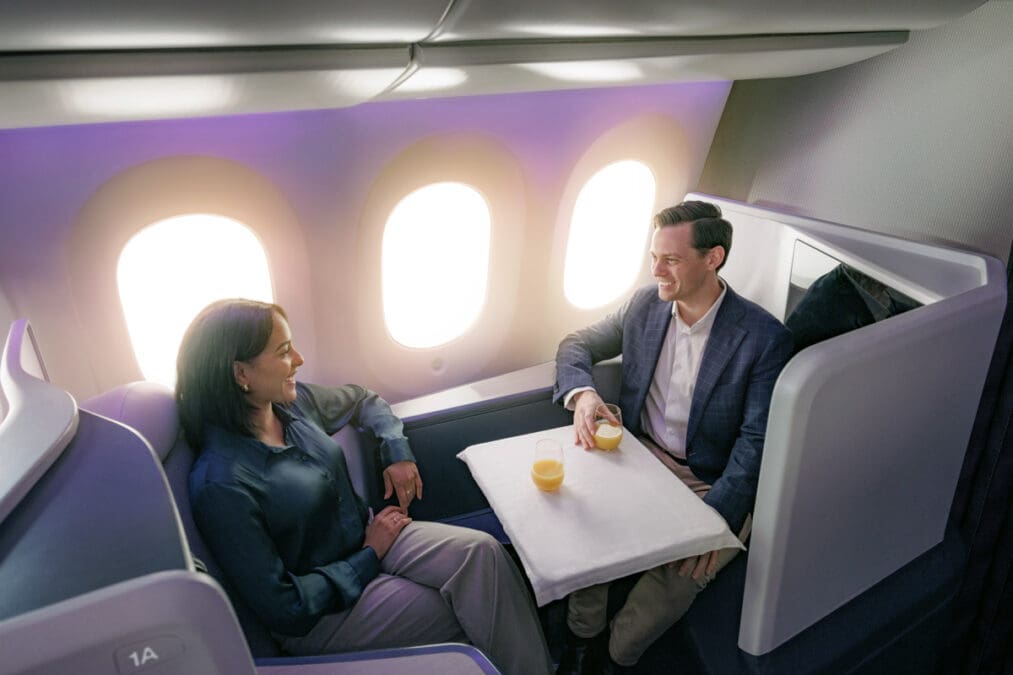
Koru Black – top-shelf tier
The headline addition is Koru Black, a new top-earned tier for Air New Zealand’s most frequent travellers. It sits above Koru Platinum and includes more personal recognition, additional upgrades and Koru Circle, which lets members share selected benefits with friends or family.
Koru Black also brings Air New Zealand closer to the style of top-tier recognition used by major international carriers, such as Qantas’ Platinum One.
Status Retain gives near-miss members a hand
Air New Zealand is also introducing Status Retain, aimed at members who fall just short of keeping status. The airline says this will apply to Koru Gold, Koru Platinum and Koru Black members.
For Koru Black members, Air New Zealand’s own tier page says Status Retain can provide up to 70 Status Points to help retain that tier.
That is a sensible move. Frequent flyer programmes increasingly need to recognise real-world travel patterns, where work trips disappear, fares spike, aircraft go missing, and life occasionally has the temerity to interrupt status runs.

Auckland lounge upgrade is coming
The loyalty relaunch also links into Air New Zealand’s lounge plans. Construction on the new Koru Premier Lounge at Auckland International Airport is due to begin later in 2026. Air New Zealand says the footprint will nearly double, with two distinct spaces: one for Koru Platinum and Koru Black, and another for Koru Gold, Star Alliance Gold, Koru Silver, and Koru Club members.
That split is important. Lounges are now central to status value, but overcrowding has eroded the shine across many airline networks. A larger Auckland flagship lounge with clearer status zoning could be a genuine improvement.
What this means for Australian travellers
For Australians flying Air New Zealand across the Tasman, onwards to North America, or through Auckland into the Pacific, Koru is mostly a branding and benefits refresh.
The practical things to watch are upgrade availability, partner earning rules, lounge access conditions, and whether Status Retain helps real travellers rather than just the already ultra-frequent. Australian-based members should also compare Koru with Qantas Frequent Flyer, Velocity, and Star Alliance options before shifting too much of their loyalty across the Tasman.

2PAXfly Takeout
This is a little more than rearranging deck chairs, but it is not revolutionary.
But the proof, as ever, will not be in the launch language. It will be in whether upgrades clear, lounges improve, partners deliver value, and ordinary travellers can understand the programme without opening a spreadsheet and a bottle of pinot noir.











What did you say?