




















INTERNATIONAL FLYING: Middle East conflict and fuel crisis cuts one in four flights
Almost a quarter of international flights from Australia were cancelled in April. That’s according to the AFR, as airlines scrambled to deal with soaring fuel prices and widespread airspace disruptions.
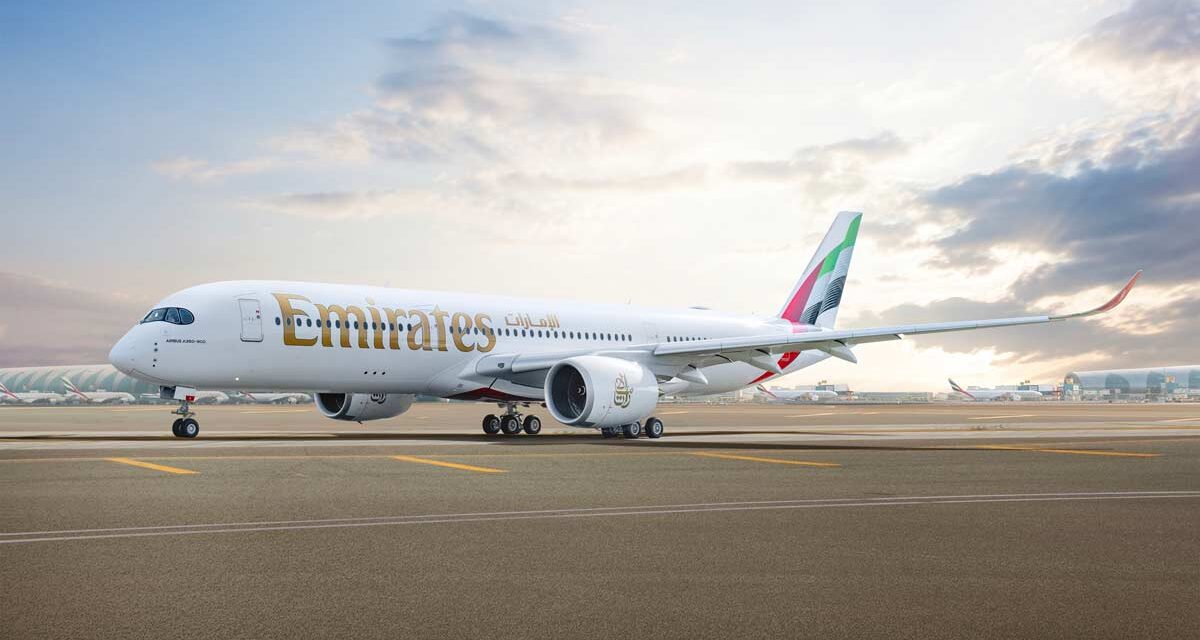
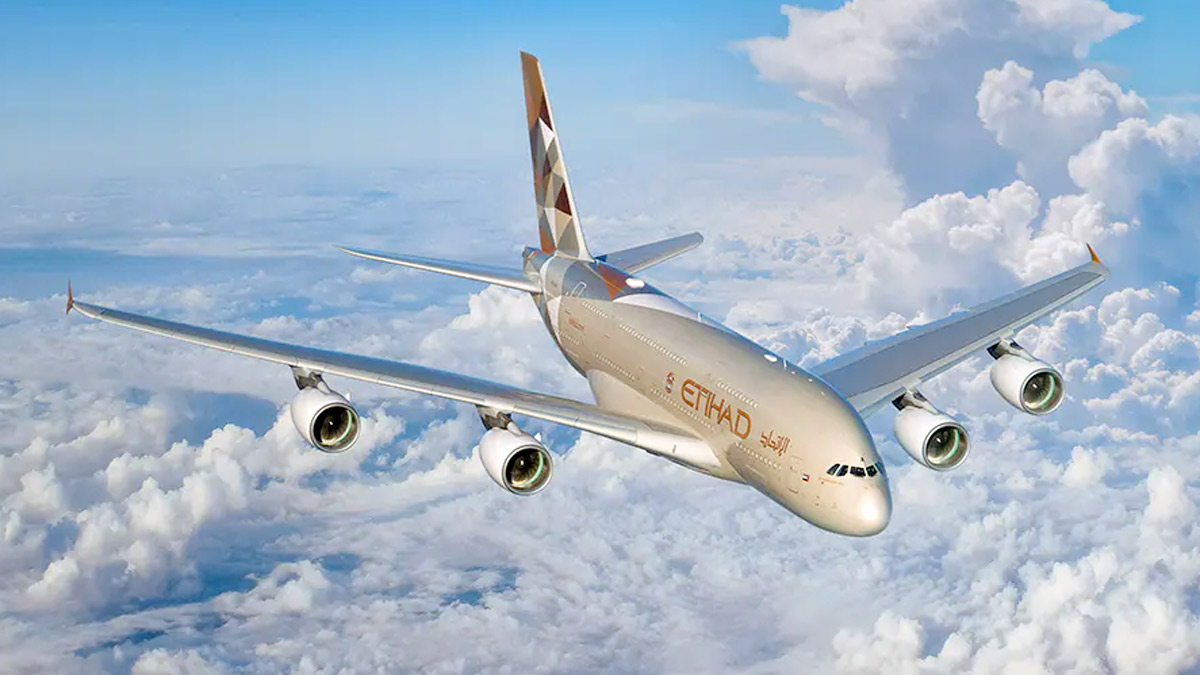
The trigger is the escalating conflict involving Iran, which has effectively shut down large parts of Gulf airspace since late February. That has hit the major Middle Eastern hubs of Emirates, Qatar Airways and Etihad Airways, and the knock-on effects are global.
Fuel prices and airspace closures drive cancellations
The Strait of Hormuz, a critical oil shipping route, has become a chokepoint, with tankers stranded and jet fuel prices effectively doubling. That’s forcing airlines to cut back.
In April, around 25% of international flights from Australia were cancelled. Tracking for May indicates roughly 20% fewer flights than on pre-war schedules.
According to the International Air Transport Association, Middle Eastern carriers saw flights drop by more than 60% in March, dragging global aviation growth down to just 2.1%.
Outside the region, demand is still strong — but airlines are starting to feel the cost pressure.
Southeast Asia and Gulf carriers pull back
Airlines across Southeast Asia, including Philippine Airlines, Vietnam Airlines and AirAsia, have cut capacity by between 20% and 70% on some routes through to October.
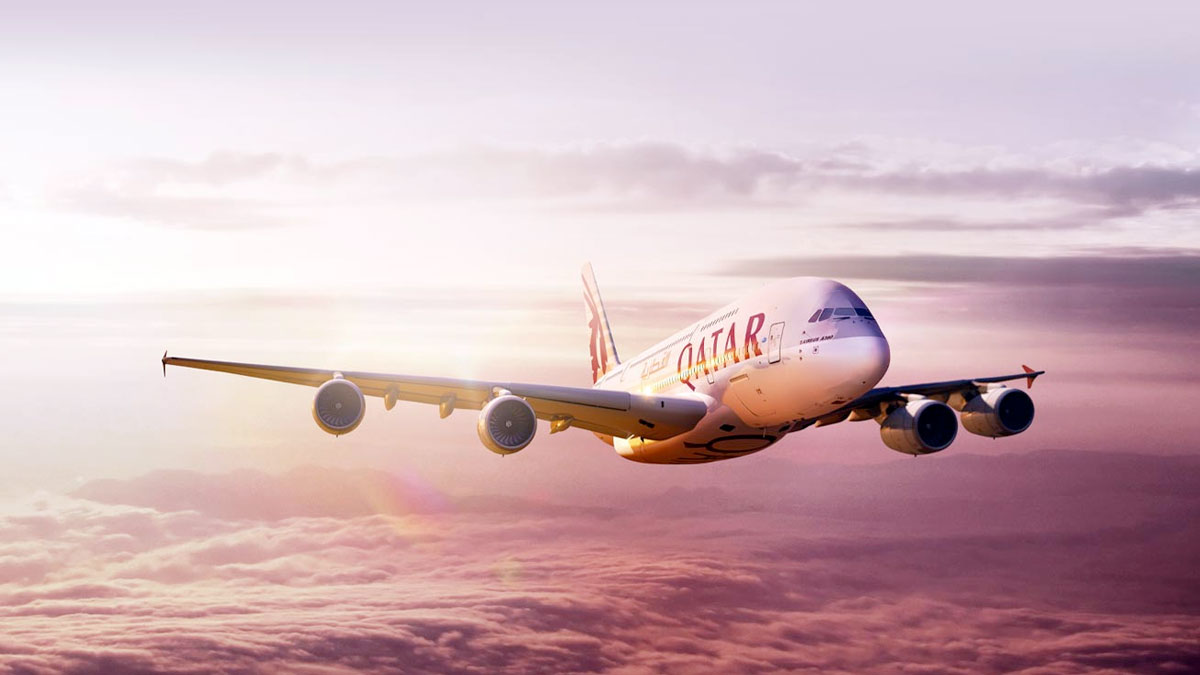
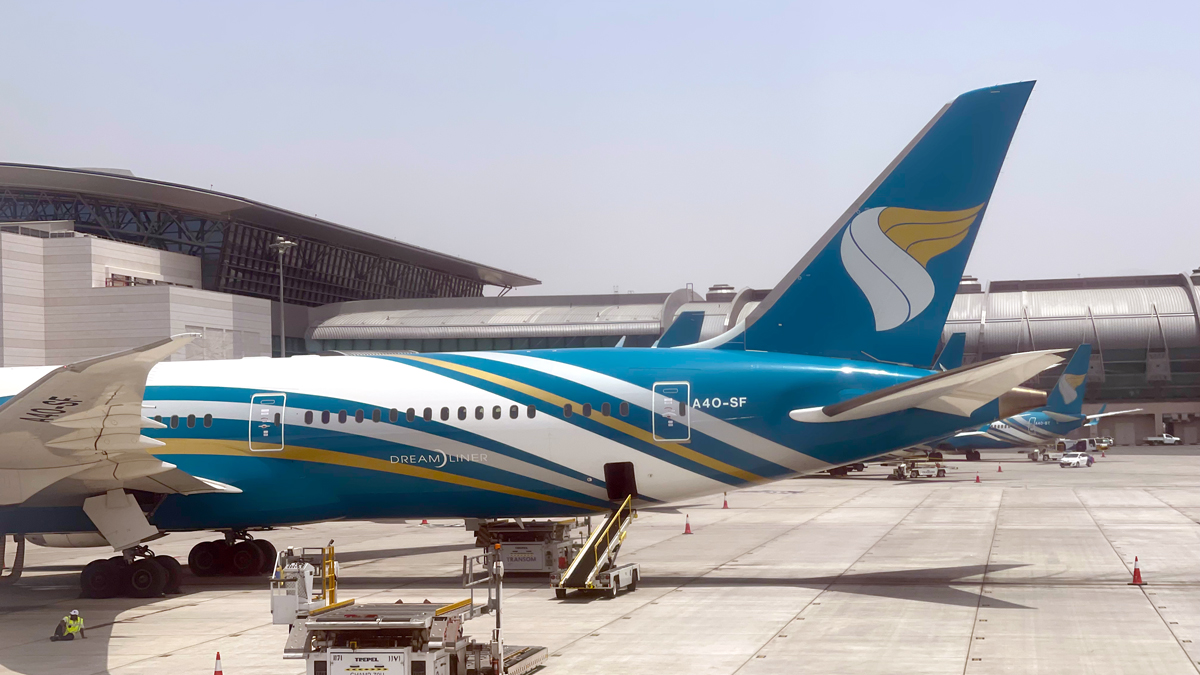
At the same time, Gulf carriers have slashed services. Qatar Airways has cut around half its capacity and downgraded aircraft on routes such as Doha to Sydney, while Emirates has halved some Brisbane services.
The result is fewer seats, fewer direct options, and rising fares.
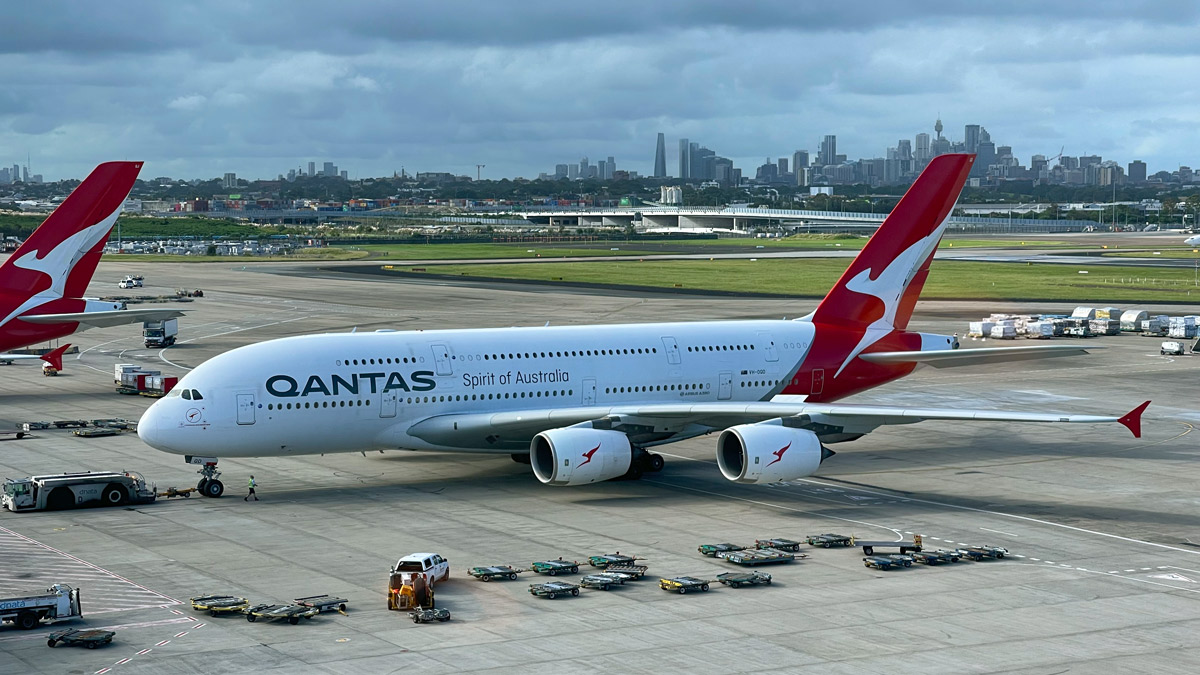
How Australia compares to the rest of the world
Australia is particularly exposed, but it is not the only region affected by the Middle East conflict.
Unlike Europe or North America, Australian long-haul travel relies heavily on transit through the Middle East and Asia. When Gulf hubs are disrupted, Australian travellers lose a disproportionate number of routing options.
In contrast, European and US markets have more direct flights and alternative hubs, allowing airlines to reroute more easily.
There are some workarounds. Chinese carriers have redirected aircraft towards Europe, while airlines are shifting capacity away from the US to meet demand elsewhere. But these are only partial fixes rather than a full replacement for lost capacity.
Qantas and Virgin: different impacts
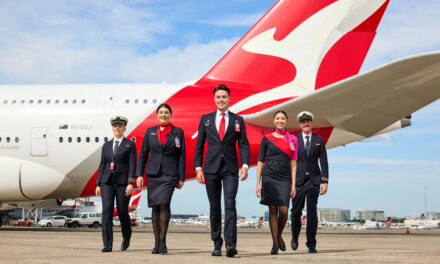
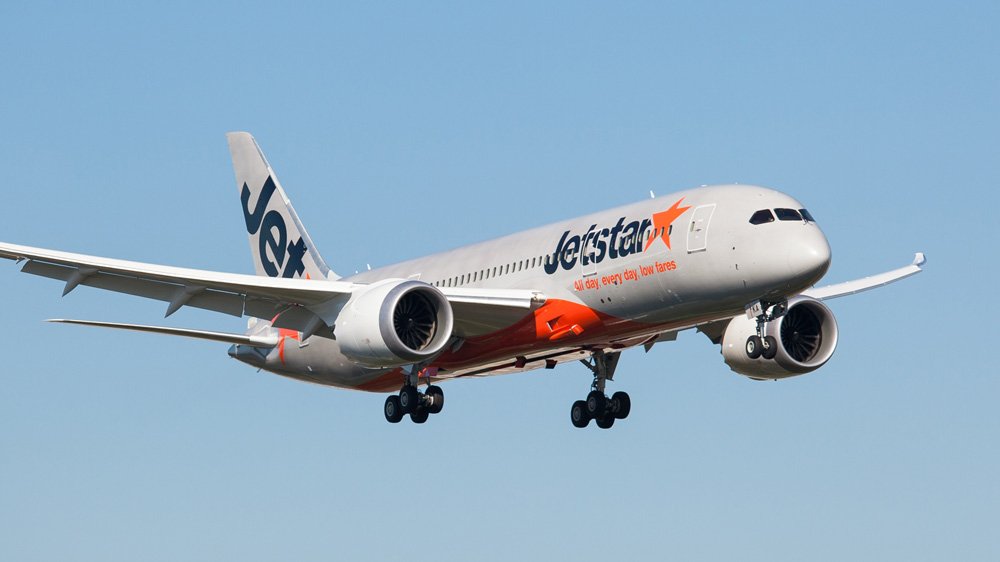
Qantas and Jetstar have so far avoided major long-haul cuts, although some trans-Tasman services have been trimmed and capacity shifted toward Europe.
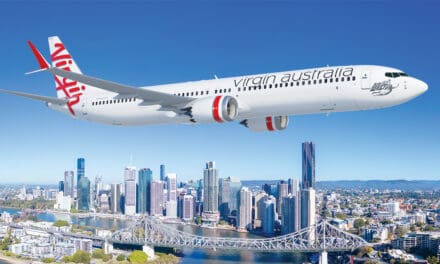
Virgin Australia has been hit more directly. Its Qatar Airways-operated Doha flights have been suspended, with Brisbane and Perth services not expected to return until mid-September. That removes a key pathway to Europe for Australian travellers.
What this means for travellers
Flights are harder to find, fares are climbing, and itineraries are becoming more complex. Routes that once relied on a single connection through the Gulf are now being rerouted via Asia or North America, often adding time and cost.
I’m currently on a trip returning from Europe on Turkish Airlines. My return flights and connections will take a total of a little over 27 hours. And that’s with two layovers in Istanbul and Singapore, of what I think of as a safe minimum of around 3 hours.
The timing of the conflict and the flight reductions couldn’t be worse, especially for Australians. With the European summer peak putting additional pressure on already constrained capacity.
2PAXfly Takeout
The uncertainty the conflict creates will have longer-term impacts. With many airlines only just recovering from COVID-19-related privations, this current conflict will adversely affect the already meagre financial reserves of many airlines. We think of Middle East operators as having unlimited cash. But when the source of that cash is threatened, they get nervous.







What did you say?