



















UNITED STATES: Trump administration floats airport squeeze on ‘sanctuary cities’
I have refrained largely from reporting on USA affairs. That’s partly because I don’t want to besmirch my reputation if I decide to travel to the USA again. However, there are just some things that need to be reported in the interests of Australians travelling to the USA. The Trump administration is reportedly considering a plan that could make international travel to parts of the United States even more difficult than usual.
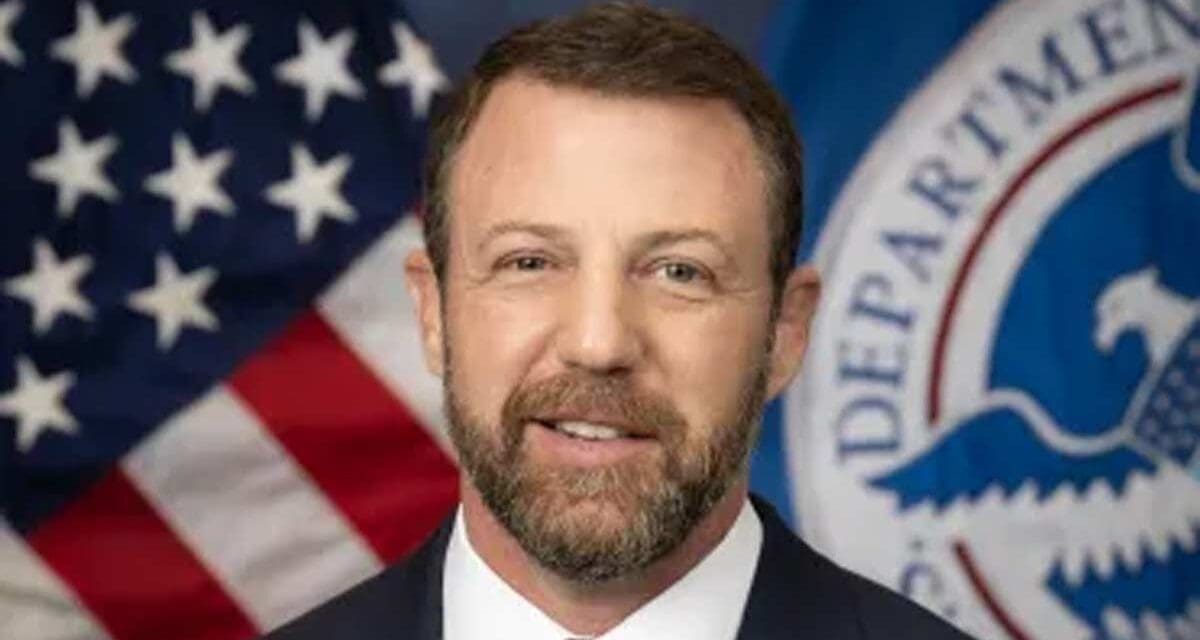
According to reporting by The Atlantic, US Homeland Security Secretary Markwayne Mullin has told airline and travel industry executives that his Department may reduce Customs and Border Protection staffing at major airports serving so-called ‘sanctuary cities’ and regions that limit cooperation with Immigration and Customs Enforcement.
The aim is to put pressure on cities such as New York, Los Angeles, Chicago, Portland and Washington, DC. The passenger impact, however, would be rather less surgical. Think cancelled flights, longer immigration queues, cargo delays, re-routed services and international travellers becoming pawns in a domestic political fight.
Airports affected
The airports discussed include Portland International Airport, New York’s JFK, Newark Liberty and Washington Dulles. Other major airports could also be vulnerable.
The plan would not necessarily close airports. Instead, the squeeze would come through reduced federal staffing for processing international passengers and cargo. In practice, that could mean airlines are forced to cut or re-route international flights because they cannot get passengers and freight cleared through the border efficiently.
For Australian travellers, the obvious worry is Los Angeles. LAX is not just a destination in its own right, but one of the main gateways for Australians entering the US.
Impact on travellers
International aviation does not work like moving chess pieces around a board. You cannot simply tell an airline to send a Frankfurt–New York flight to Dallas instead, then expect everything to work out nicely by tea time.
Airlines plan international schedules around gates, aircraft rotations, crew availability, onward connections, airport slots, border processing and cargo contracts. Large airports such as JFK, LAX and Newark are not just local airports; they are major global gateways.
Reduce border staff at these airports, and the pain will spread well beyond the targeted city.
The World Cup
The timing is also deliciously awkward. The United States is co-hosting the 2026 FIFA World Cup with Canada and Mexico, with millions of international visitors expected to enter North America.
DHS is preparing for up to seven million international travellers during the event. That means the administration may be reluctant to create airport disruption before the tournament concludes. The proposal, if pursued, would likely be considered after July 2026.
Still, even floating the idea is enough to make airlines, airports and tourism operators nervous. The US has form here. Trump’s first-term travel bans created airport confusion and legal challenges. Long security queues during the recent US government shutdown also left travellers fuming.
Cargo hit too
International cargo also relies on Customs and Border Protection staffing.
Cutting border resources at major airports would delay freight, disrupt supply chains, and impose costs on businesses nowhere near the targeted cities. Airlines that rely on ‘belly cargo’, freight carried in the hold of passenger aircraft, would also be affected if long-haul flights are reduced or rerouted.
The political play
The proposal is reportedly part of a broader attempt by the Trump administration to pressure sanctuary jurisdictions into greater cooperation with ICE. The administration wants local jails and law enforcement agencies to hand over people for immigration enforcement before they are released.
It may also backfire politically. International airports are highly visible places to create disruption. Nobody likes a border queue at the best of times.
Traveller advice
No final decision has been made. But travellers planning US trips later in 2026 should keep an eye on developments, particularly if travelling through New York and Los Angeles.
For Australians, the safest strategy remains the boring one: allow generous connection times, avoid tight same-day domestic transfers after arriving in the US, and keep travel insurance documents handy. Also, make sure any US domestic connection is on the same ticket where possible, rather than stitched together a budget Frankenstein itinerary.
2PAXfly Takeout
International airports are not just local infrastructure. They are national gateways, economic engines and critical pieces of the global aviation network. Reducing border staff to punish city governments would almost certainly hurt travellers, airlines and businesses well beyond the intended targets.
So, it’s not just your social media history you now have to worry about if entering the US.








What did you say?