




















HAWAIIAN AIRLINES: Alaska integration sees entry to OneWorld alliance
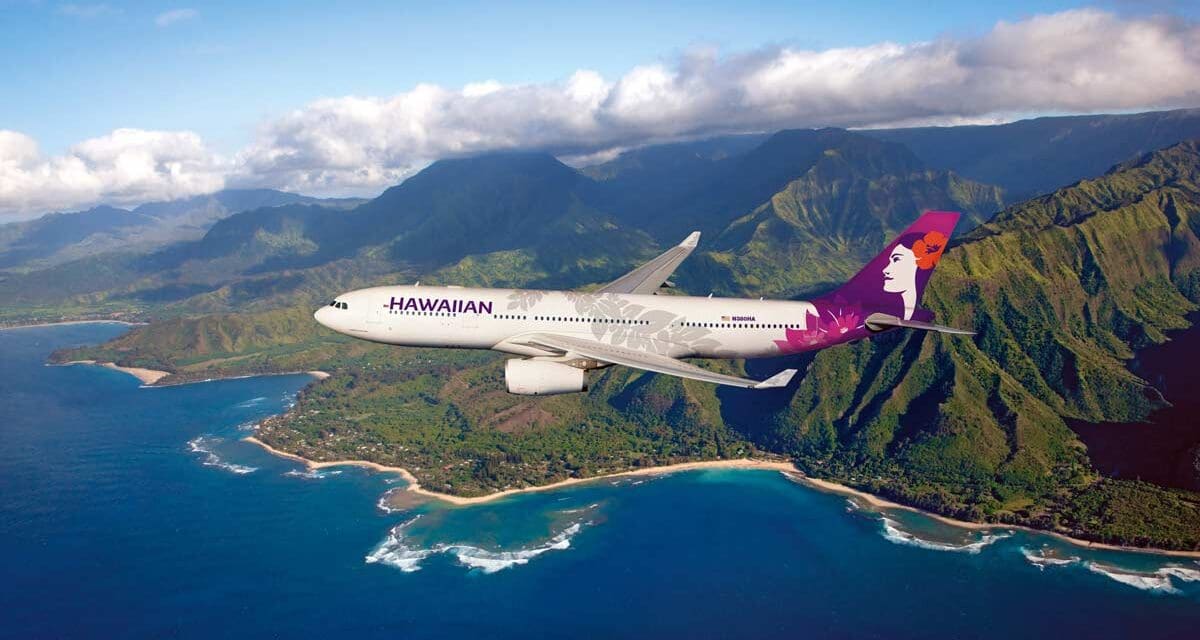
Alaska Airlines’ takeover of Hawaiian Airlines, finalised in September 2024, has been deliberately paced. April 22, 2026, stands out as one of the most consequential milestones. Today, multiple strands of the merger come together. This allows the two carriers to function as one behind the scenes while retaining distinct brands.
Operational Integration
Operationally, the shift includes a single passenger service system and a unified booking platform and app. But it also, most symbolically, sees the retirement of Hawaiian’s long-standing “HA” flight code in favour of Alaska’s “AS” code.
Passengers will still board Hawaiian-branded aircraft on island routes. Every flight now carries Alaska flight numbers, marking the end of the HA code, in continuous use since 1929.
Hawaiian Airlines Joins OneWorld Alliance
At the same time, Hawaiian Airlines has officially joined the OneWorld Alliance as its 16th member and third North American carrier. This long-expected move significantly expands the alliance’s Pacific reach and comes during a rare period of growth for the alliance.
For travellers, this unlocks full OneWorld functionality on Hawaiian flights. Frequent flyers of any OneWorld alliance airline can now earn points and status credits on Hawaiian services, as well as redeem miles across its network.
Hawaiian is also now included in OneWorld’s round-the-world fares, adding greater routing flexibility across the Pacific.
Loyalty and Benefits
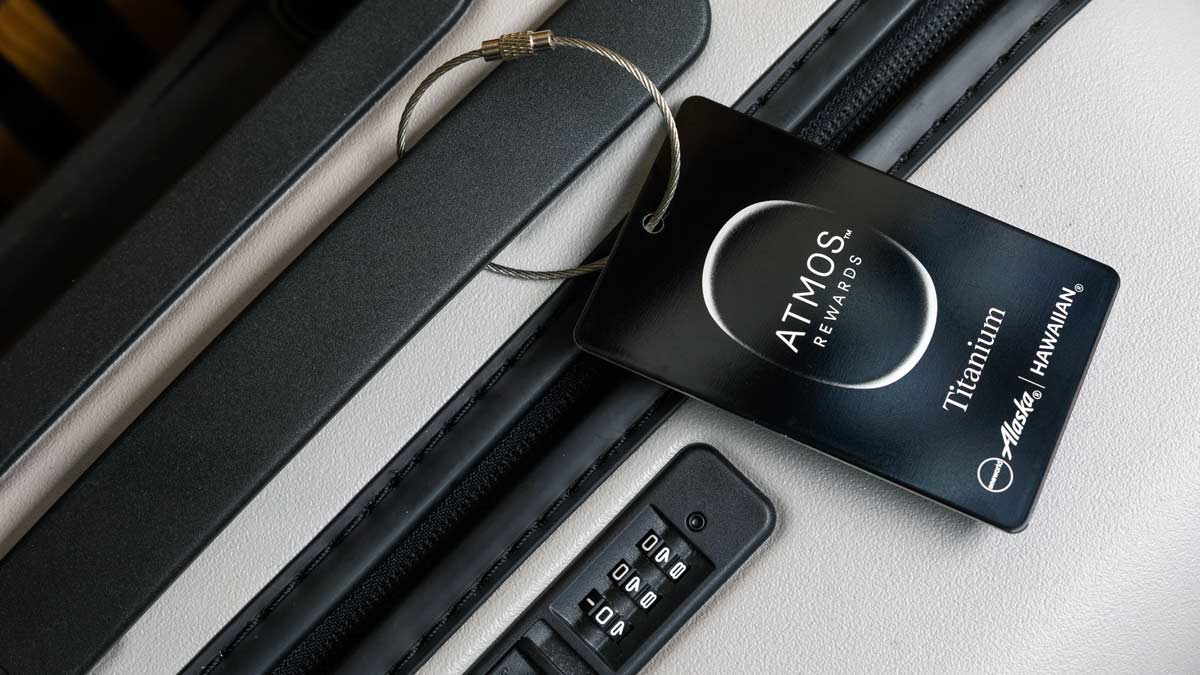
The transition is relatively seamless for existing Hawaiian customers, who were already migrated into the combined Atmos Rewards program shared with Alaska Airlines.
This program aligns fully with oneworld tiers:
- Oneworld Ruby = Atmos Silver
- Oneworld Sapphire = Atmos Gold
- Oneworld Emerald = Atmos Platinum and Titanium
Reciprocal benefits now extend across the alliance, including lounge access, priority boarding, extra baggage, and seat selection based on status level.
For travellers loyal to other alliance carriers, the change is even more significant. Hawaiian flights now integrate cleanly into the alliance’s earn-and-redeem ecosystem, replacing the patchwork of bilateral partnerships that previously existed.
The expanded alliance access is already visible for frequent flyers. For example, members of the Qantas Frequent Flyer program can redeem points for Hawaiian Airlines flights at Classic Reward rates, including long-haul routes such as Sydney to Honolulu.
Hawaiian’s network, which covers all major Hawaiian Islands, multiple United States cities, and international destinations, is now fully accessible within the oneworld ecosystem.
Flight Numbers
The adoption of Alaska’s “AS” code across all flights was implemented in two stages. Hawaiian flights were first renumbered into a new range in late 2025, then switched codes entirely in April 2026.
This change simplifies reservations, ticketing, and alliance integration, particularly for partner airlines.
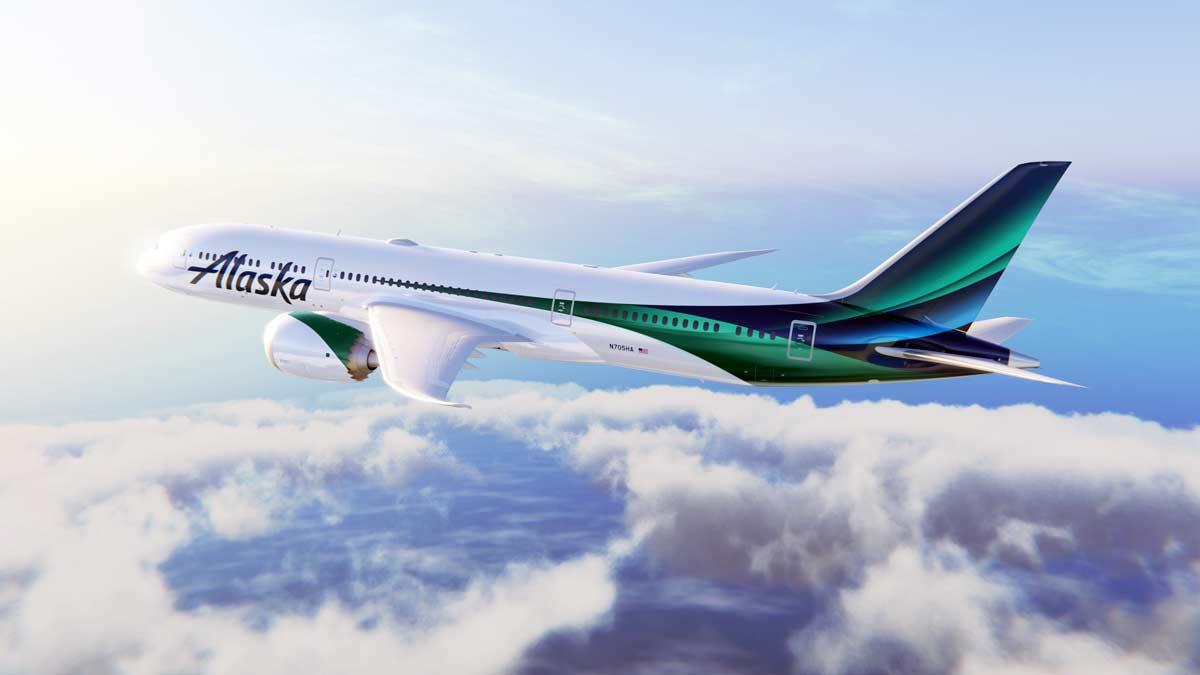
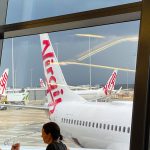
Despite this operational unity, Alaska Air Group continues to maintain a dual brand strategy. Flights to and from Hawaii operate under Hawaiian Airlines branding, complete with the iconic Pualani livery, while other routes operate as Alaska Airlines.
Fleet strategy and onboard experience
The integration is also reshaping fleet deployment. Former Hawaiian Boeing 787-9 aircraft are being repurposed as Alaska’s long haul flagship from Seattle, serving Asia, Europe, and possibly Australia.
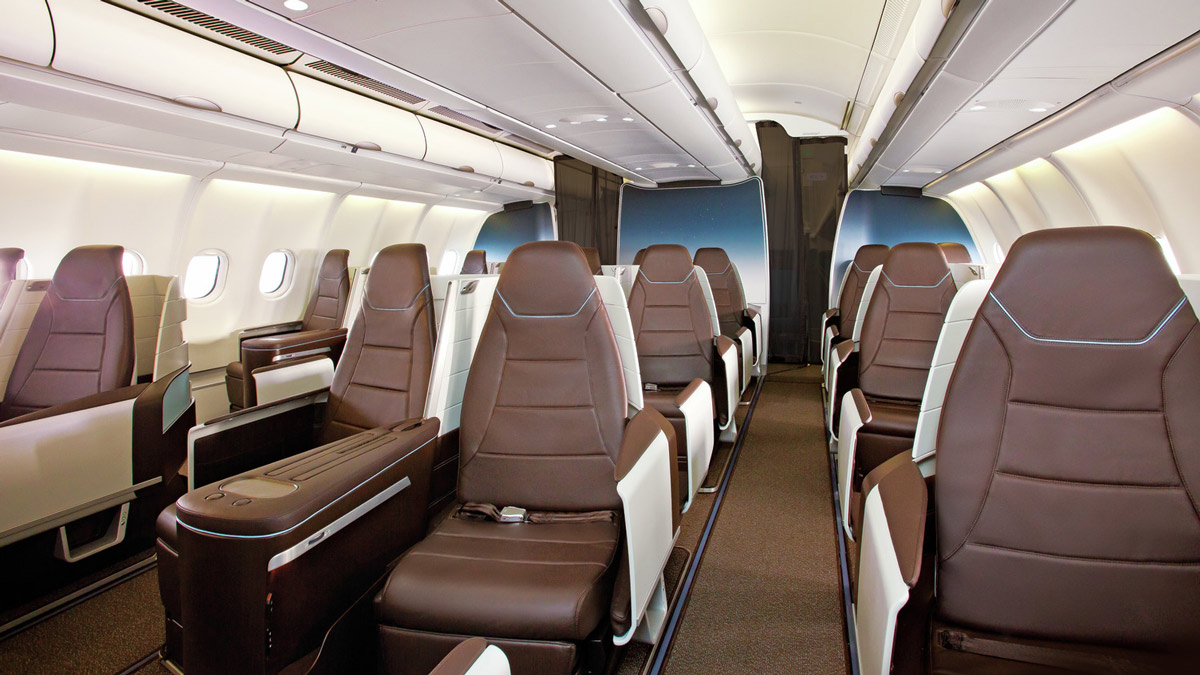
These aircraft retain Hawaiian’s modern cabin design, including business class suites with privacy doors, but will gradually adopt Alaska’s West Coast styling on future deliveries.
Meanwhile, Hawaiian’s Airbus A330 fleet is scheduled for a major upgrade starting in 2028, with new business class suites and the introduction of premium economy to remain competitive.
What’s to come
With loyalty, operations, and systems now unified, the Alaska/Hawaiian merger is considered about three-quarters complete. The remaining task is aligning labour agreements across employee groups, a process expected to continue into 2027.
For passengers, however, the biggest changes are already in place. These include a single streamlined airline operation, expanded global connectivity, and full integration into one of the world’s major airline alliances.
2PAXfly Takeout
This feels like a clever integration. The retention of the Hawaiian brand maintains the identity of the origins of both airlines, Alaska and Hawaii. While the integrations, I am sure, make for economic and other efficiencies, the retention of the two brands, I think, is essential for customer and regional respect.
Although now another US airline behemoth, it still represents the organisation as two more boutique brands. I think that was the right decision, honouring the history of both airlines and their image with the travelling public.






The big question: when will Alaska/Hawaii flights be bookable with Avios?
Hi Pat, thanks for your comment.
Who knows. Your talking British Airways there.