










GOVERNMENT: Budget grounds taxpayer-funded Qantas Club memberships
The Australian Federal Government has cottoned on to the public service’s travel habit of taxpayer-funded airline lounge memberships.
Finance Minister Katy Gallagher has banned Commonwealth agencies from charging taxpayers for Qantas Club, Virgin Australia lounge and similar airline memberships. The directive emerged from the 2026 budget papers.
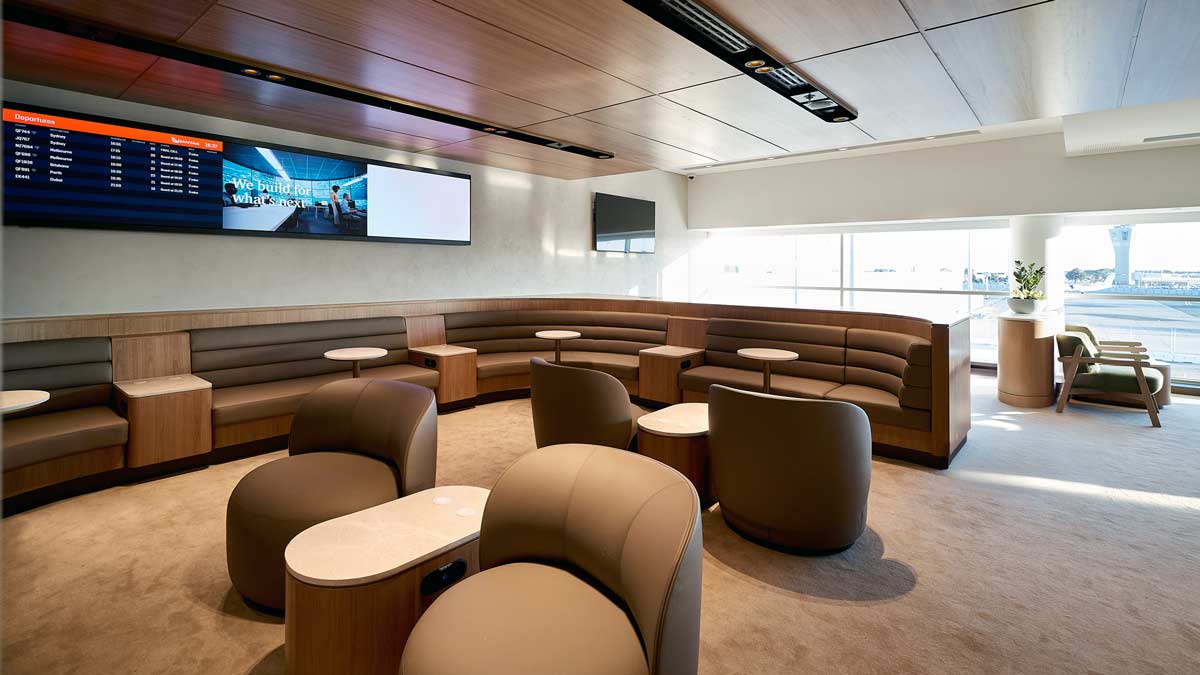
Lounge bill
The directive follows reports that Services Australia spent more than AU$200,000 over three years on airline lounge memberships for staff. According to the AFR, AU$163,375 went to Qantas and $37,047 to Virgin Australia.
Qantas Club membership generally costs around $799 a year, with Virgin Australia lounge membership costing AU$450 annually. That means the Services Australia paid for about 300 of its staff to have lounge membership.
Previously, only senior executives received taxpayer-funded lounge memberships. Other staff could qualify if they had a ‘significant’ (more than 10 trips per year) work-related trips.
A Commonwealth Auditor-General review found that fewer than 40 per cent of lounge memberships purchased for non-Senior Executive Service (SES) staff had written approvals for the expense.
The government has already banned a bunch of senior staff from first class on overseas flights. I have also banned some senior bureaucrats from business class on short domestic sectors such as the Canberra/Sydney/Melbourne triangle.
![Virgin Australia Lounge entry, Adelaide [Schuetz/2PAXfly]](https://www.2paxfly.com/wp-content/uploads/2023/03/VA-Virgin-Australia-Adelaide-2023-IMG_1427-1200x675.jpg)
Focus on Qantas
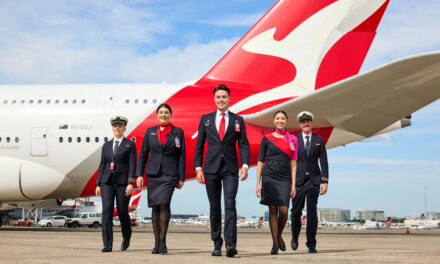
Qantas dominates federal government travel. It receives around 80% of domestic flight expenditure by federal Members of Parliament (MPs). Virgin Australia’s share of government travel has roughly halved recently.
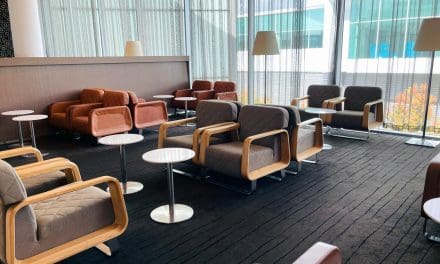
Qantas does have a larger domestic network, more frequent flights and a much bigger lounge footprint, 40 lounges in Australia, compared with Virgin Australia’s seven.
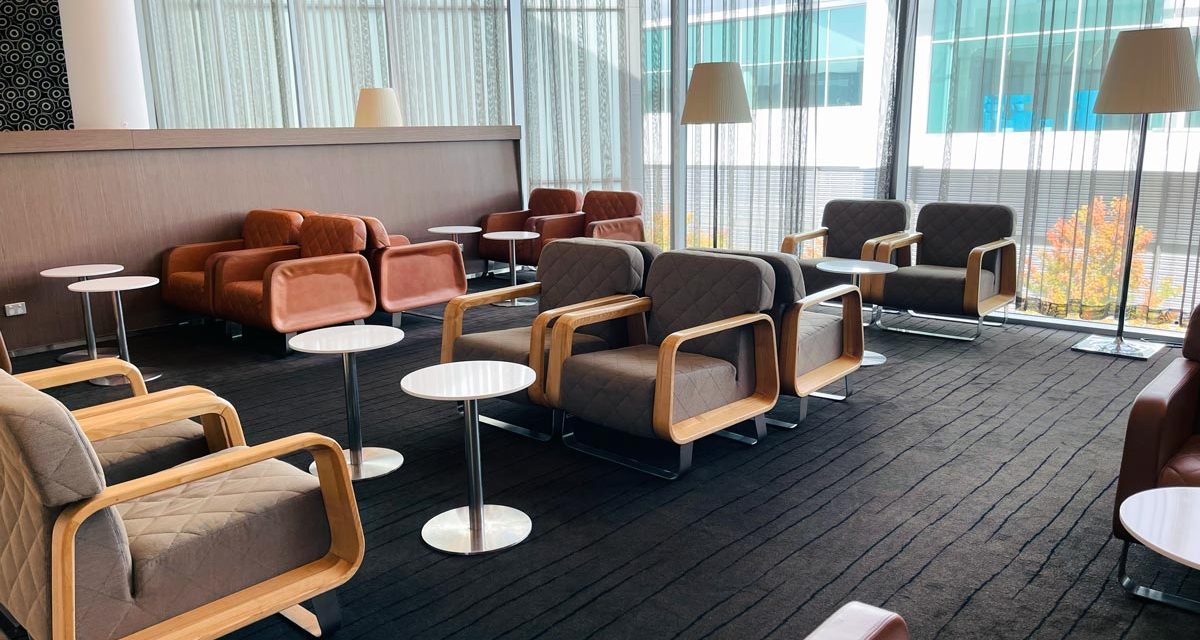
For regular government travellers, that matters. A lounge is not only a toasted sandwich and a sauvignon blanc, but also somewhere to work.
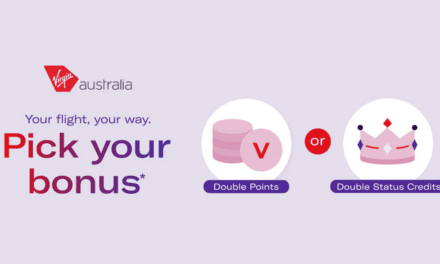
Airlines have also been told to block access to double status credit promotions for government travellers.
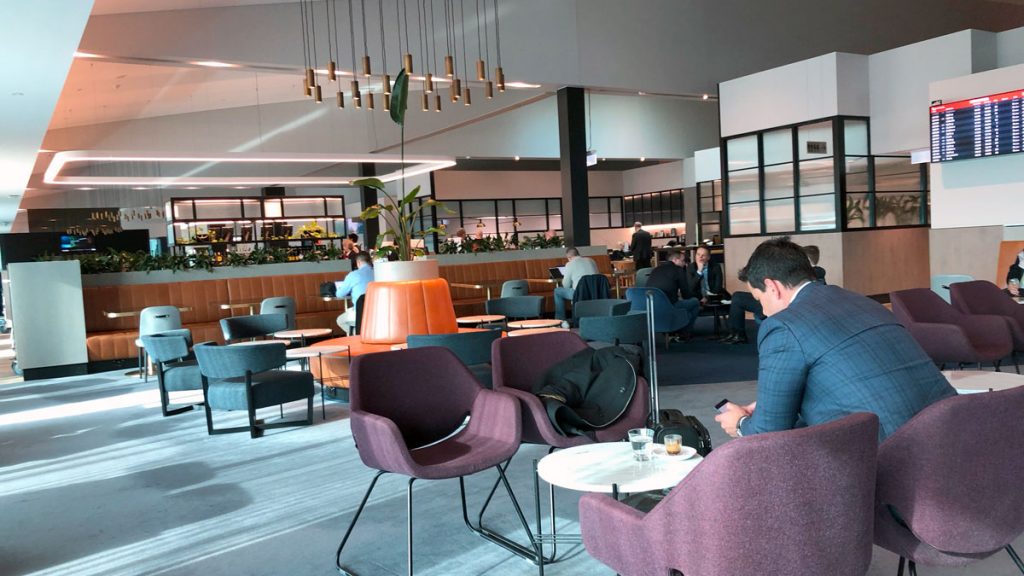
Status credits survive
Although public servants cannot earn frequent flyer points on taxpayer-funded travel, they can earn status credits. Higher status brings lounge access with it. So, truly regular flying public servants should still get access to a recharger and a glass of Shiraz!
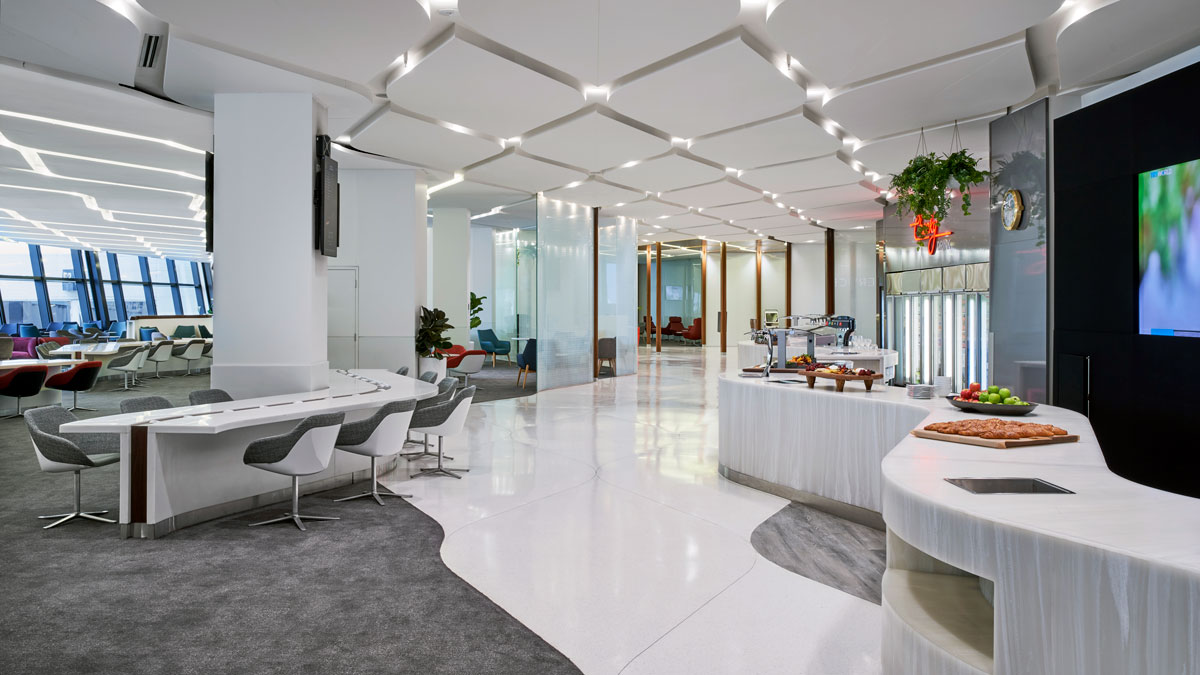
Chairman’s Lounge stays
Despite the new directive, senior public servants can still accept complimentary memberships to exclusive airline lounges, such as the Qantas Chairman’s Lounge. That is Qantas’ invitation-only lounge. It is reserved for senior politicians, top officials, business figures and other VIPs.
That access doesn’t directly cost the government, although some would argue it is more than paid for by the currency of influence.
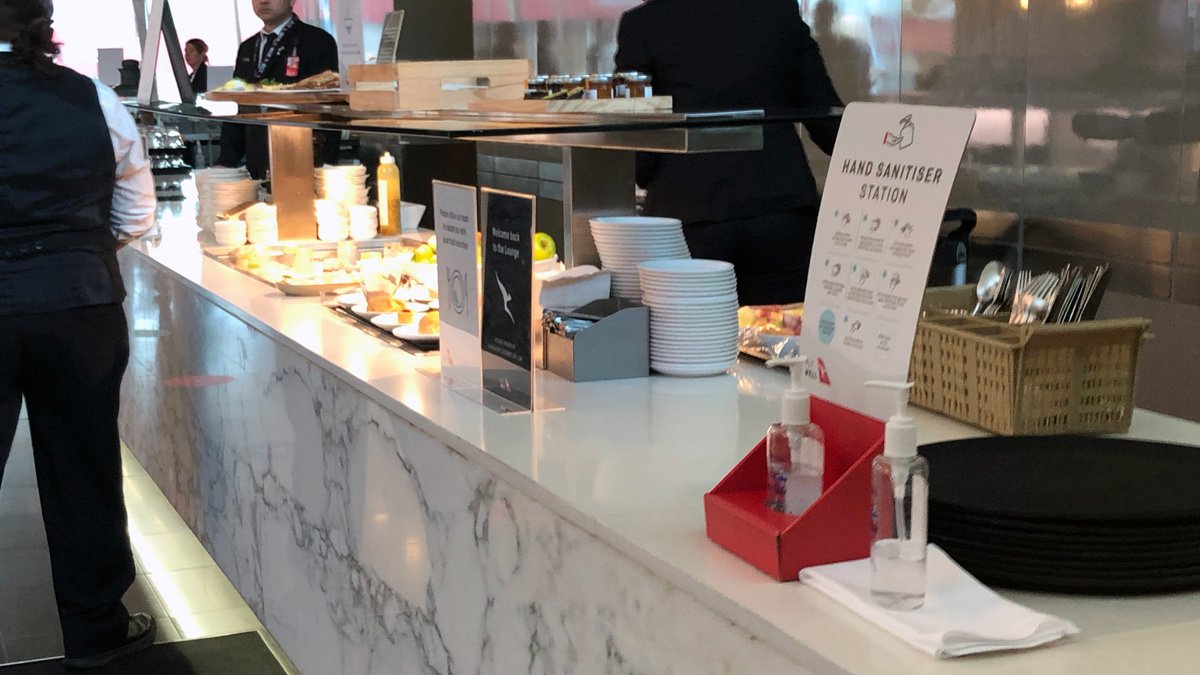
2PAXfly takeout
For anyone who travels regularly for work, lounge access is not just a perk but, I would argue, an efficiency necessity. The small comforts and practicalities that lounge access supplies merely make working on the hop more effective. They in no way compensate for the loss of time with family and loved ones, or the stress of travel.
However, I agree that taxpayers should not routinely pay for airline lounge memberships. If an employee is flying constantly for government work, then they will earn their lounge access via their status.






What did you say?