












JET LAG: I have been suffering the worst jet-lag of my life. Here is what I should have done
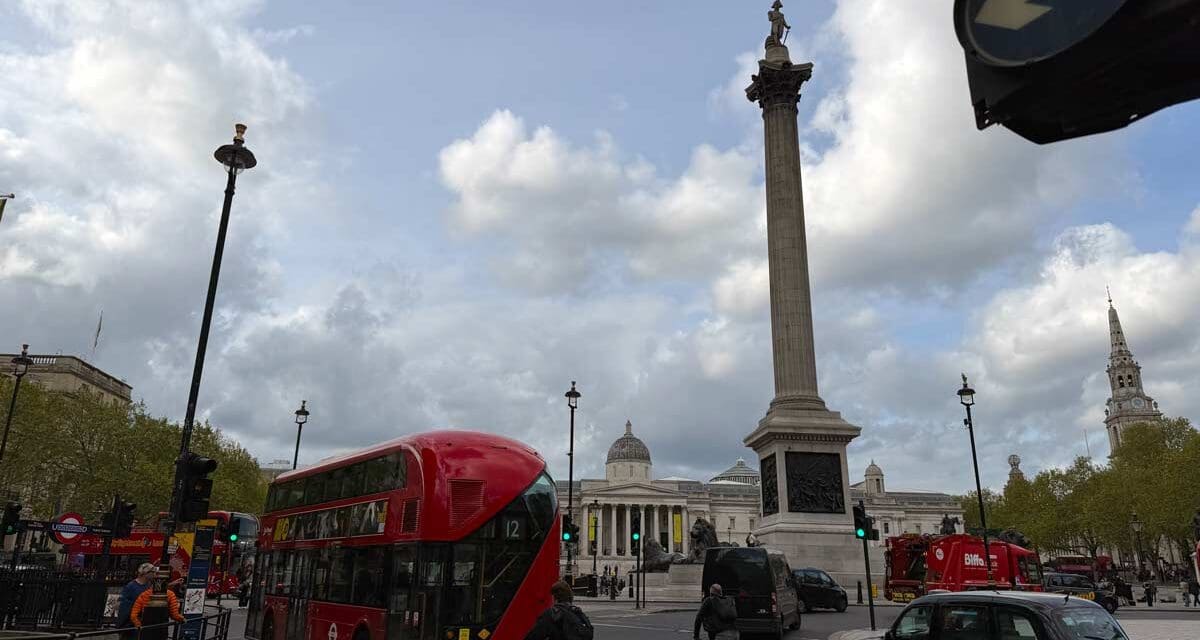
About a week ago, I returned from London to Sydney via Istanbul and Singapore. My flights were mostly with Turkish Airlines, with the last leg on a wet-leased Finnair A330 on a Qantas ticket.
It’s been a week, and I am still desperately sleep deprived, irritable, brain fogged, and useless. I have always thought that Jet Lag was something to basically be endured, and that there was little to be done about it. I even wrote a post about it. But with this current experience, which I never want to have again, I have been forced to re-evaluate the scientific evidence on how to cope with Jet Lag. Below is what I should have done, and what I actually did. Hope you find it helpful for your next long-haul trip recovery.

JET LAG: How to survive London–Istanbul–Singapore–Sydney on Turkish and Qantas
Flying from London to Sydney via Istanbul and Singapore is not simply long-haul. It is a three-airport, two-airline, multi-meal-service body-clock mugging trip.
Here is my routing:
| Sector | Flight | Scheduled timing | Flight duration | Transit after arrival |
|---|---|---|---|---|
| London Heathrow–Istanbul | Turkish Airlines TK1986 | Depart LHR 16:45, arrive IST 22:35 | 3h 50m | 3h 20m in Istanbul |
| Istanbul–Singapore | Turkish Airlines TK54 | Depart IST 01:55, arrive SIN 17:55 | 11h 00m | 3h 05m in Singapore |
| Singapore–Sydney | Qantas QF82 | Depart SIN 21:00, arrive SYD 06:45 next day | 7h 45m | — |
Total scheduled flying time: 22h 35m
Total scheduled transit time: 6h 25m
Total scheduled journey time: about 29h 00m, gate-to-gate.
The body-clock problem
London to Sydney is an eastbound journey. That usually means you are trying to push your body clock forward, which many travellers find harder than flying west. A medical review of jet lag notes that westward travel is often less disruptive because it is generally easier to lengthen the circadian cycle than shorten it. (PMC)
Sydney is nine hours ahead of London during the northern summer, seven hours ahead of Istanbul, and two hours ahead of Singapore. So when I boarded TK1986 at Heathrow at 16:45, it was already 01:45 the next day in Sydney. My destination clock thought it was the middle of the night before I had even left London.
Jet lag is not just tiredness. The CDC Yellow Book describes jet lag as circadian misalignment, with symptoms shaped by the number of time zones crossed, light exposure, medication use and individual factors. It also notes that jet lag calculators can help plan the timing of sleep, light exposure, caffeine, and melatonin intake. (CDC) There are a bunch of these calculators to try (Google it), but it might be good to start with one provided by British Airways.
Before departure: don’t start broken
The best jet lag plan starts before I leave Heathrow. It’s best not to board already sleep-deprived. Late packing, a heavy farewell dinner and too many glasses of wine are not preparation. I was fairly abstemious, but had not slept well. That seems standard when I am anticipating a long trip.
In the two or three days before departure, I should have nudged my schedule slightly earlier. Go to bed and wake 30 to 60 minutes earlier if you can. Eat slightly earlier, too. I should have started the nudge to Sydney time while still in London. Even a small shift can help. That’s easier said than done, when I had a full social life leading up to my departure.
On departure day, I should have got more morning daylight in London. My aim should have been not to sleep for every airborne minute, but to use sleep, light, food and caffeine in a way that dragged my body clock towards Sydney time.
London to Istanbul: wind down
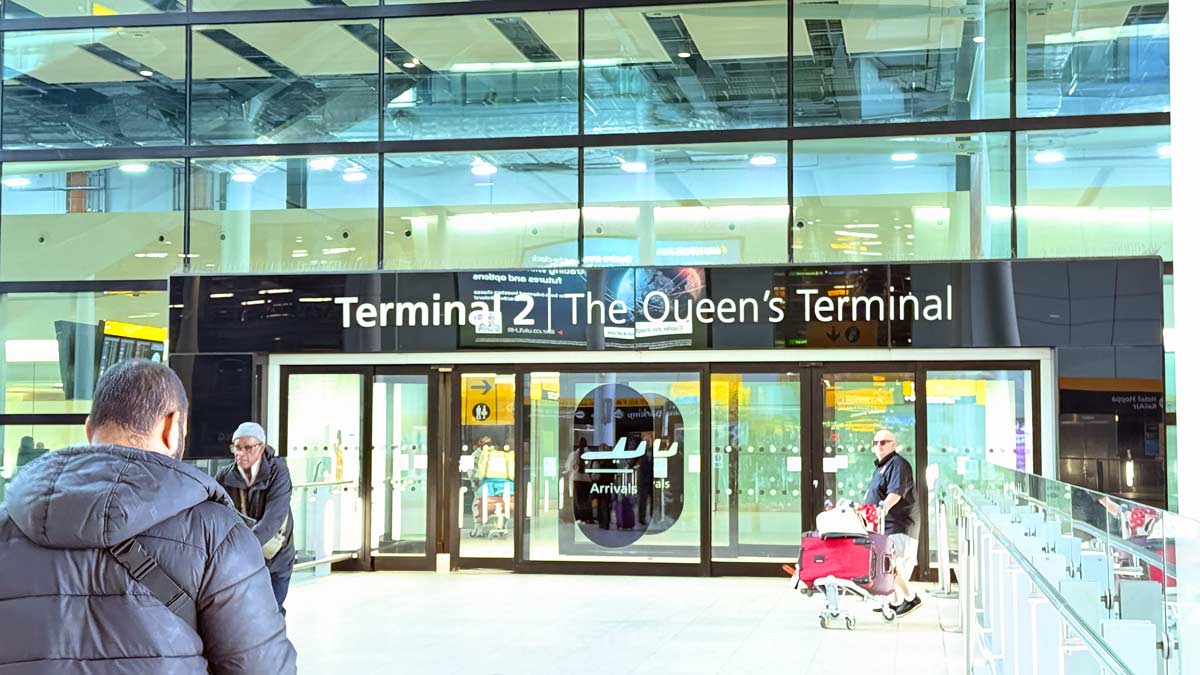
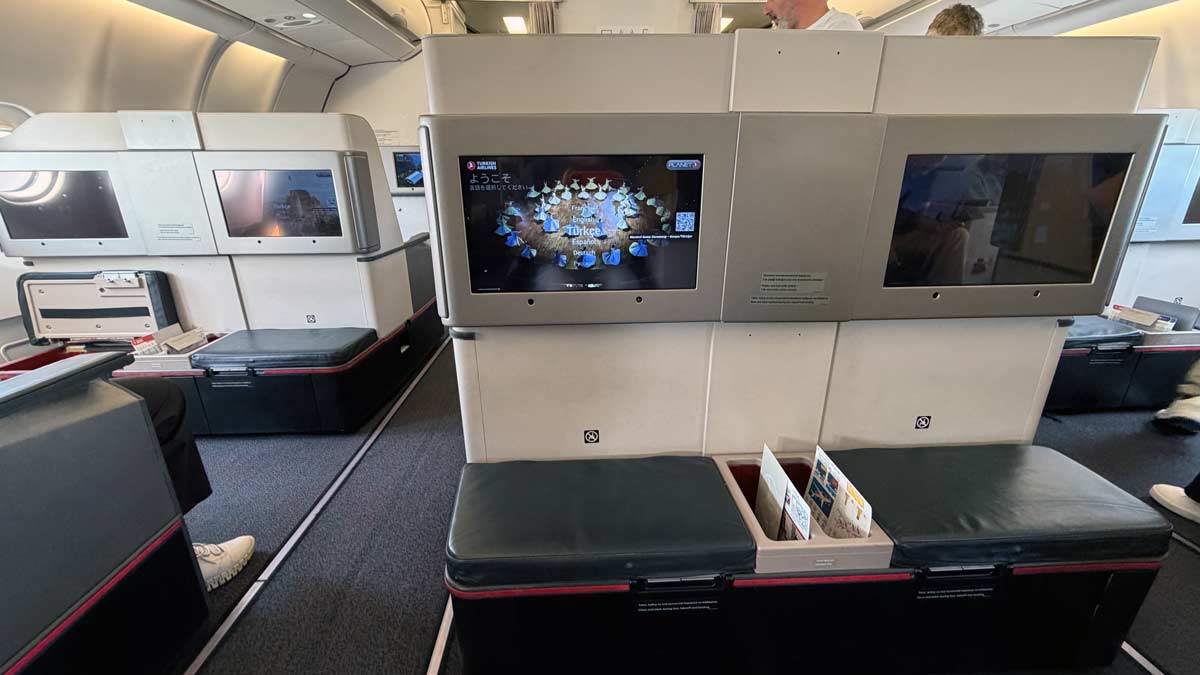
TK1986 left Heathrow at 16:45 and arrived in Istanbul at 22:35. This is not long enough for meaningful deep sleep, so I used it as a wind-down sector.
I did not eat lightly or avoid alcohol, which I should have done. Alcohol may make you feel sleepy, but it can fragment sleep and worsen dehydration. Neither is ideal when I still had Istanbul, Singapore and half a continent to go.
Apparently, I should have dimmed my screen, avoided bright cabin light where possible, and used an eye mask and headphones. I did nap and rest, which is apparently the right thing to do. The aim is to stop stimulating your brain, not to watch three episodes and then wonder why your circadian rhythm has filed a complaint.
Istanbul transit: keep it quiet
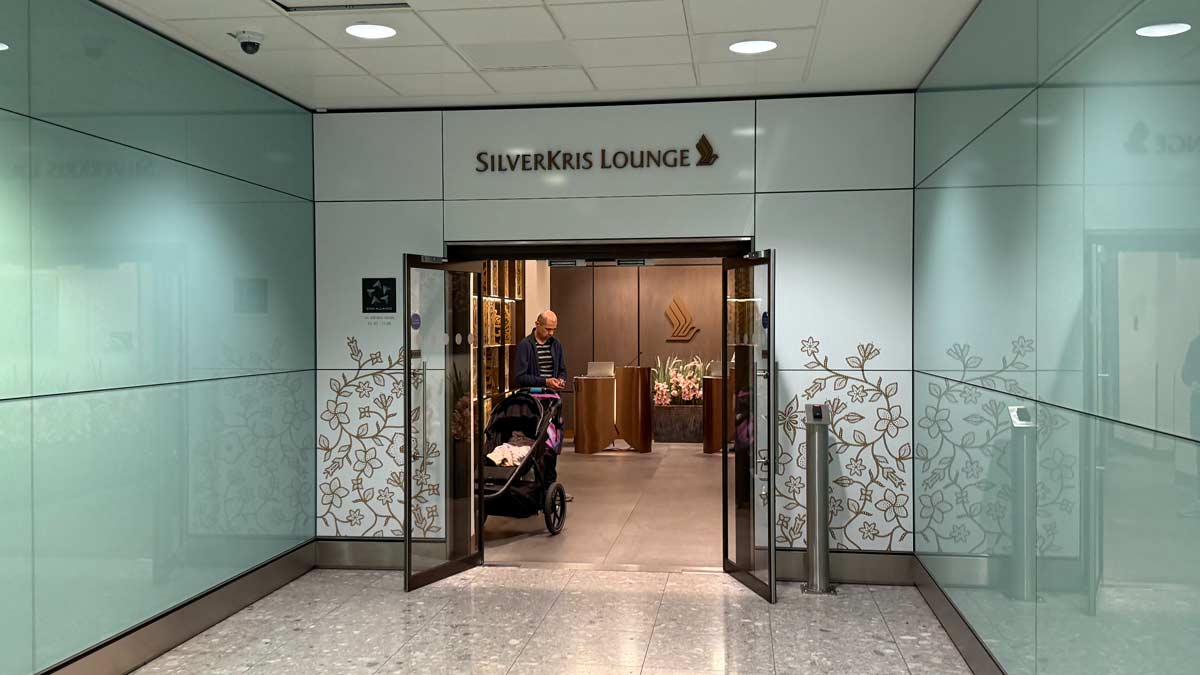
I arrived in Istanbul around 22:35 local time, with TK54 to Singapore leaving around 01:55. So I had about three hours and 20 minutes in the terminal.
I kept the transit boring. I wrote a couple of posts in the lounge, walked a little (well, it was 17 minutes from the lounge to the gate), hydrated, and avoided food. That’s all the things I am supposed to do. However, its impossble to avoid the bright terminal lights and screens.
The CDC notes that light suppresses melatonin and is a major cue for circadian timing. Mayo Clinic also says timed light exposure can help shift the body’s clock after travel across time zones. (CDC)
Istanbul to Singapore: the awkward main sector
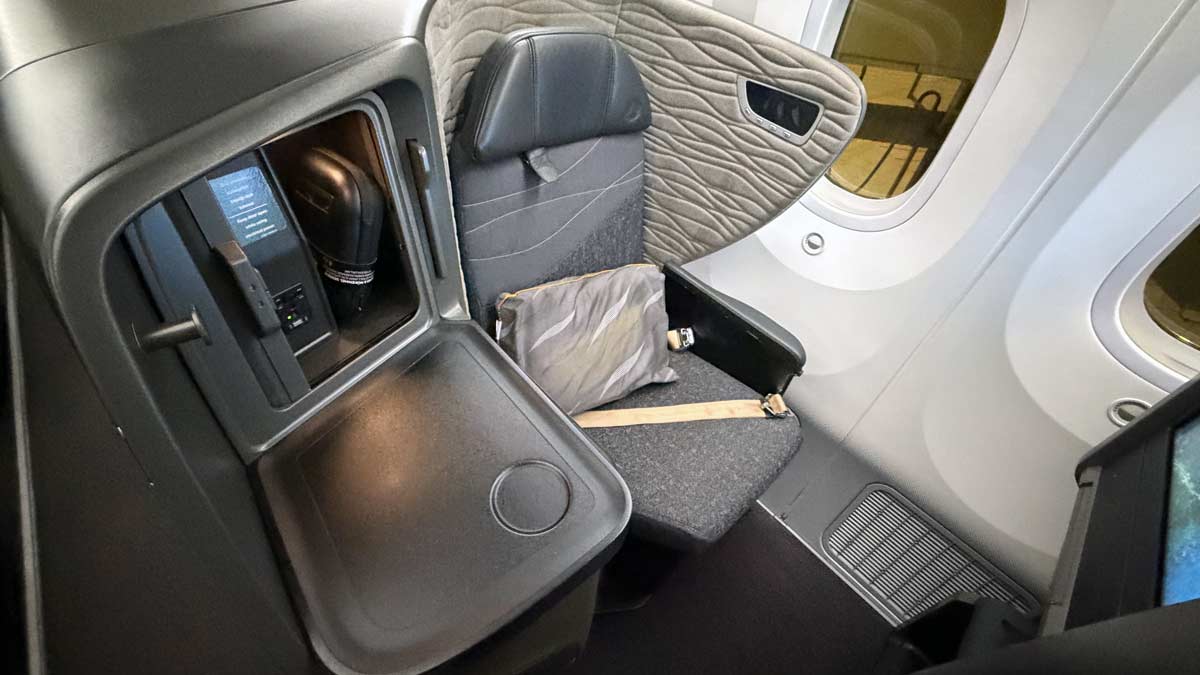
TK54 is scheduled to leave Istanbul at 01:55 and arrive in Singapore at 17:55. In Sydney time, that is roughly 08:55 to 00:55.
I thought this long sector would be good, allowing for a meal and a generous sleep time allowance. Apparently, I was wrong. The flight starts when Sydney is beginning the day and lands near Sydney’s bedtime. So, on that basis, I should have stayed up for most, if not all, of the flight. But because I was coming off a late London–Istanbul flight and an overnight transit, I really needed to sleep.
Apparently, the sensible compromise would have been to sleep in the first half to two-thirds of the Istanbul–Singapore flight. But try to wake for the last few hours before Singapore, eat lightly, hydrate and prepare for an evening transfer. Unfortunately, I did the opposite. Mainly because, although Turkish brags about dining on demand, they serve the main meal early in the flight, and if the flight to Europe is any guide, they won’t give you a hot meal later.
By the time I was approaching Singapore, Sydney was heading towards midnight.
Singapore transit
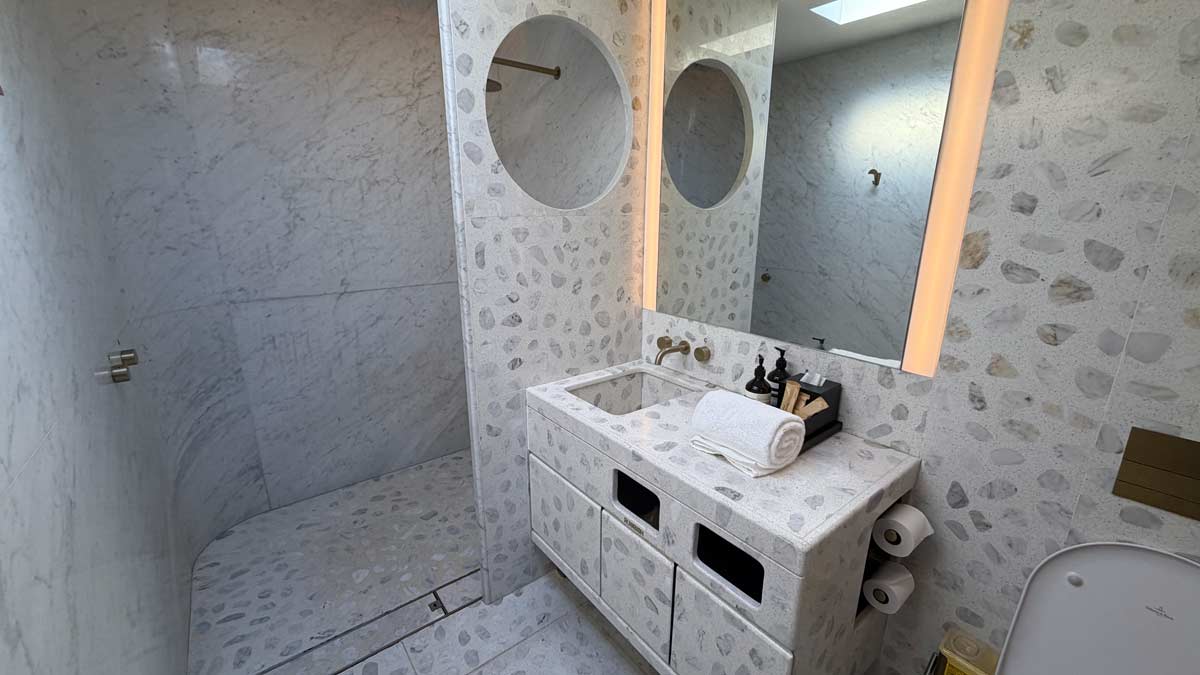
I did use Changi as a reset zone. I had a bit of a walk, and a shower in the Qantas First lounge, did some work, and had a light dinner. Ok, I should have avoided alcohol. I did not, having a glass of champagne and a cocktail.
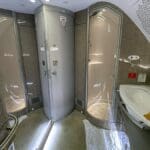
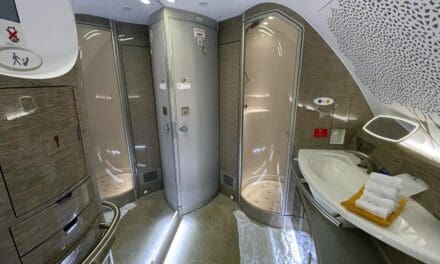
The shower was refreshing, and I would have felt far worse without it. Those ‘Flinstone chic’ (as my husband describes them) showers in the Qantas First lounge in Singapore are luxurious in size, and have actual skylights!
Singapore to Sydney
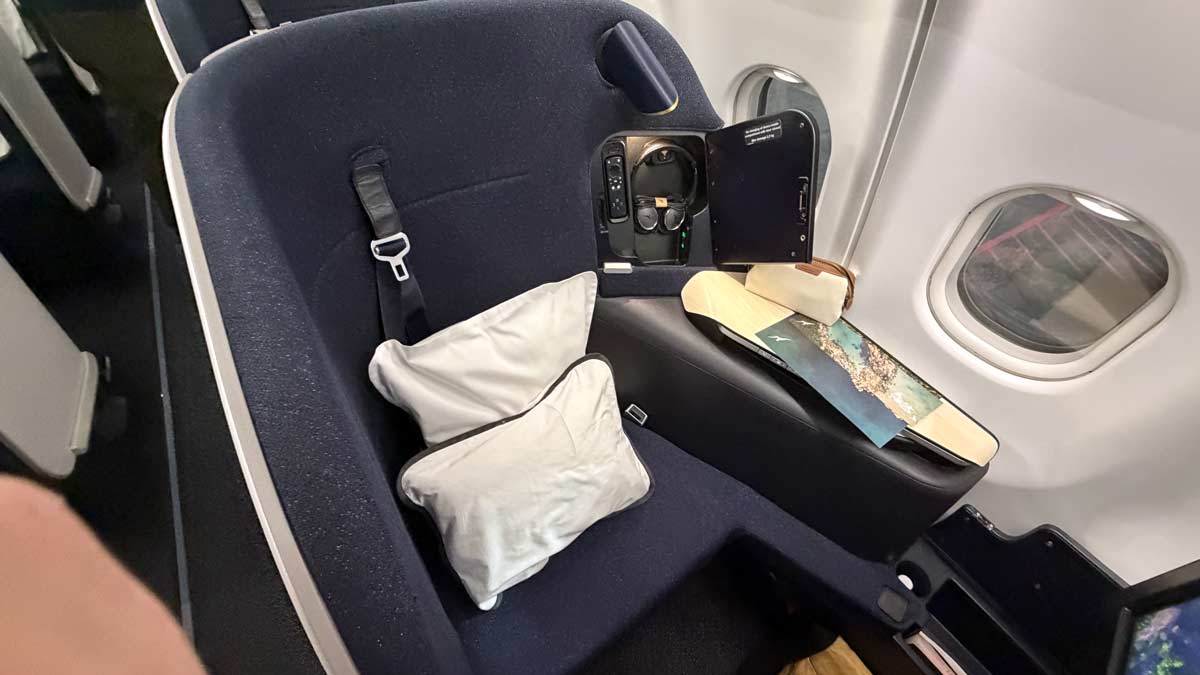
QF82 is the most useful sleep opportunity of the itinerary. It leaves Singapore around 21:00 and arrives in Sydney around 06:45. That lines up well with Sydney night.
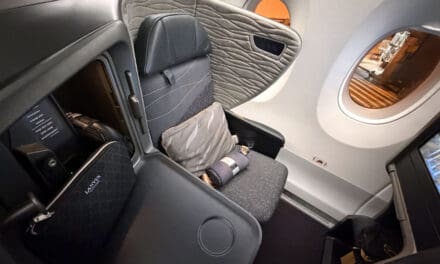
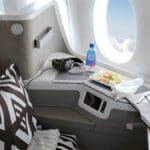
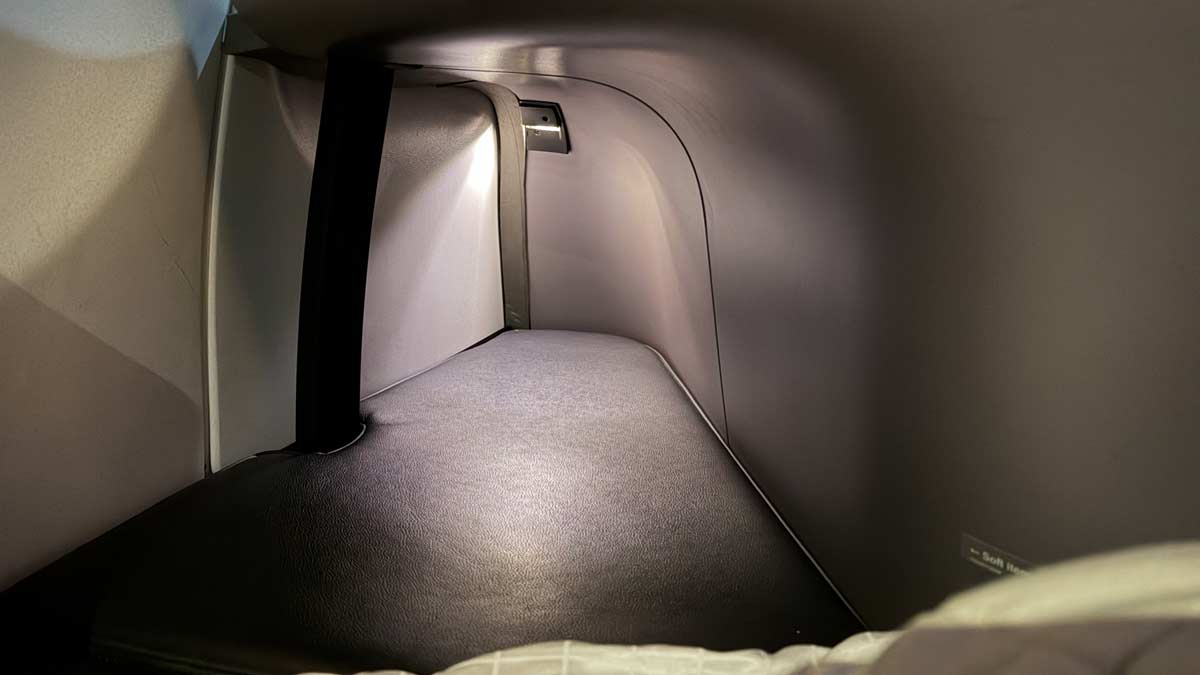
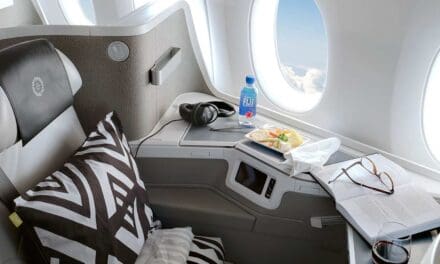
Once on board, I tried to switch into sleep mode. Those Finnair Airlounge seats make it easy to do. But I did eat and had a pre-takoff champagne. The rest of the time, it was an eye mask on, earplugs in, and lying as close to horizontal as was comfortable. I slept for a while, but with turbulence and jet lag approaching, I did not get more than about three hours.
Unfortunately, I had not packed my melatonin cache. Apparently, this leg would have been the right one to use it on. I should have used it at the start of this planned sleep period. Melatonin is a timing signal, not a mallet. Mayo Clinic says evidence suggests melatonin can improve jet lag symptoms such as alertness and daytime sleepiness, while the CDC stresses that timing matters and that use should be coordinated with sleep and light exposure. (Mayo Clinic)
A Cochrane review found oral melatonin could prevent or reduce jet lag after travel across several time zones, but it still needs to be taken at the right time. More is not automatically better, and travellers with medical conditions or who take regular medications should seek professional advice first. (PubMed)
I did wake 90 minutes before landing for an express breakfast. I did not have a coffee, although this is suggested.
Arrival in Sydney: daylight, breakfast, discipline
Landing at 06:45 is better than 05:10. It is still early, but Sydney is at least vaguely open for business.
The most important thing to help combat jetlag is daylight, and I should have spent some time outside after arrival. Clinical and travel-medicine guidance consistently points to properly timed light exposure as the main external cue for resetting the body clock. (CDC)
I did not do that, but went to bed for four or five hours, because I was exhausted. Apparently, that is how one bad day becomes four, or in my case, a week or more. Advice is that if you absolutely must nap, keep it short: 20 to 30 minutes, ideally before mid-afternoon. Set alarms. Be ruthless. That advice is all very well, but when you have maybe had less than 5 hours of sleep in the last close to 30 hours, it’s hard to stomach.
I did aim for a normal local bedtime on my first night in Sydney. I hit the sack around 9 pm, but of course woke up bright-eyed and bushy-tailed at 2 am, and stayed up for three or more hours.

Evidence-backed tools that actually help
Now, I am all for evidence-based scientific advice, so this is it. The most useful jet lag tools are not glamorous. They are timing tools.
Light is the strongest. Get bright outdoor light after arrival in the local morning, especially when flying east to Australia. Avoid bright light late at night. Mistimed light can worsen jet lag, so a reputable jet lag calculator or app can help. The CDC specifically notes that calculators can offer personalised schedules for sleep, light, caffeine and melatonin. (NCBI)
Melatonin may help some travellers, but it is not a sleeping pill in the ordinary sense. It helps signal biological night. The Sleep Health Foundation says melatonin can help reset the body clock, while the Mayo Clinic notes evidence that it can improve jet lag symptoms. Use it cautiously. In Australia, you can only get it legally under prescription, which means you need to seek the advice of a medical practitioner. If you are pregnant, have epilepsy, use blood thinners, take sedatives or antidepressants, have autoimmune conditions, or are considering it for children, you definitely should be seeking professional advice. (Sleep Health Foundation)
Meals are a secondary contributor to jet lag, but still useful. Eat lightly during the trip and start eating at Sydney meal times once you arrive. The CDC lists stomach problems among the symptoms of jet lag and suggests eating smaller meals before travel may help. (CDC)
Movement helps you arrive less wrecked. Walk during transits, stretch during the flight, and take a daylight walk after arrival. It will not magically cure jet lag, but it combines light, circulation and alertness in one low-tech package.
A practical timing plan summary
Here, according to advice is what I should have done on this trip returning to Sydney from London via Istanbul and Singapore. Before leaving London, I should have got a good shot of daylight and avoided starting the trip sleep-deprived.
On TK1986 to Istanbul, I should have wound down and rested.
During the Istanbul transit, I should have kept things quiet: no caffeine, light food, limited screen glare, gentle movement. That’s basically what I did do.
On TK54 to Singapore, sleep in the first half to two-thirds of the flight, then wake, hydrate and prepare for the final overnight sector. Unfortunately, I did the reverse.
In Singapore, I did the right thing in the main, using the connection to shower, walk, eat lightly, avoid alcohol (oops!) and prepare for sleep.
On QF82 to Sydney, sleep as soon as practical after take-off and treat it as your Sydney night. I tried, I really did, but I should have packed the melatonin.
After landing, I should have got more daylight, eaten breakfast, stayed awake, and taken only a short early nap if essential, and gone to bed at a sensible local time.
2PAXfly Takeout
It turns out, I wasn’t far off following the advice, except for that long sector between Istanbul and Singapore. My fatal mistake might have been bunking down on arrival in Sydney.
Next time, I’m going to consult the jet-lag oracles before I fly, rather than after. Although I find the effectiveness of all this advice limited, I don’t want to suffer again as I have on this return trip, so I am prepared to give the scientific advice another go.
My next trip is basically a non-stop flight eastward to North America, with travel time in both directions of around 15 hours. I’m hoping that will be easier to deal with than the nearly 30-hour trip between Europe and Sydney via Istanbul! We shall see.








What did you say?