
























QANTAS: More cuts to domestic flights but flights to Paris and Rome extended
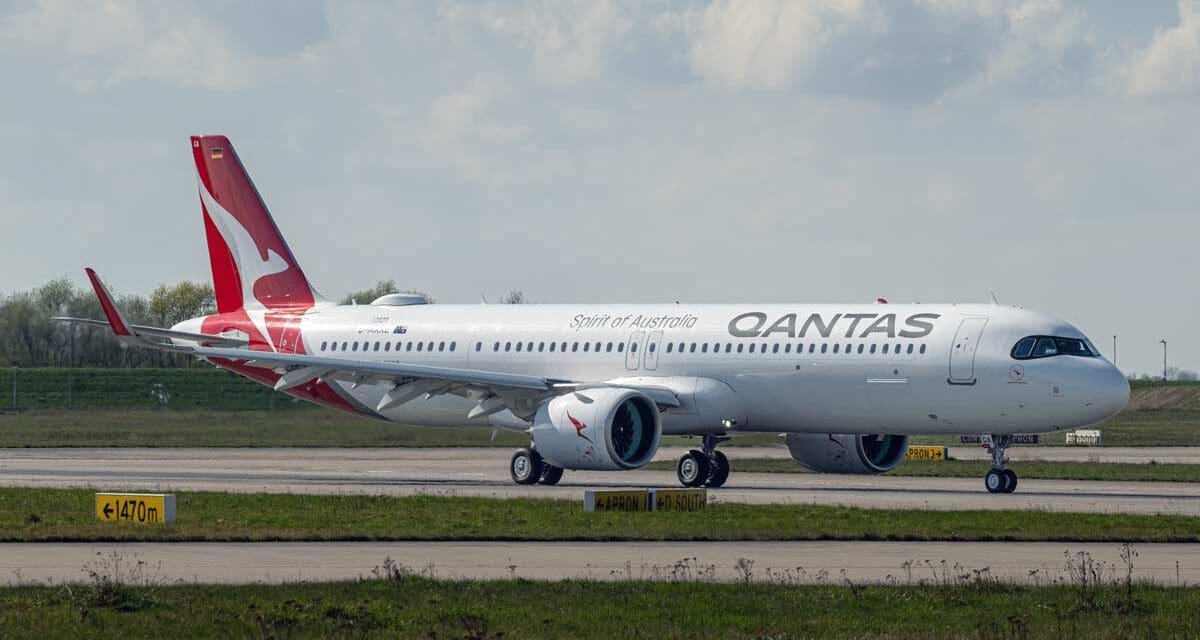
Qantas has confirmed it will extend its 5% reduction in domestic capacity through to September, stretching what was initially a short-term cut from May–June into a full winter slowdown. Its low-cost sibling Jetstar is following suit, with both airlines also trimming flights across the Tasman and within New Zealand.
For travellers, that means fewer flights, tighter availability, and upward pressure on fares.

Fuel crisis continues to reshape airline schedules
At the heart of these changes is the ongoing fallout from the Middle East, Iran/Israel/USA war, which has sent jet fuel prices soaring and disrupted global supply chains.
Airlines worldwide are grappling with higher oil and fuel costs, reduced supply, and softer demand in some domestic markets. For Qantas, the hit is significant. The airline has already flagged a potential $800 million fuel expense blowout for the second half of 2026.
That’s forcing some hard decisions. Cutting flights reduces fuel burn, but it also limits capacity in key markets. It’s a balancing act between cost control and customer demand.
Industry experts warn this may be just the start. Energy analysts suggest that if fuel prices remain elevated, cancellations and schedule reductions could become normalised across the industry.
Government steps in to shore up fuel supply
The Australian government has secured shipments of 100 million litres of jet fuel bound for Perth and Brisbane, along with 50 million litres of diesel for Darwin. According to Trade Minister Don Farrell, the move is designed to keep essential transport running and provide confidence for travellers and industry alike.
Australia is heavily reliant on imported fuel, using around 10 billion litres of jet fuel each year, with more than 80% sourced from overseas. China alone accounts for roughly a third of those imports, making recent signals from China about resuming exports particularly important.
While any increase in supply could help stabilise the market, analysts caution that prices remain high, and any relief is likely to be gradual rather than immediate.
International flying trimmed while Europe demand surges
Qantas is also tweaking its international network, with overall capacity set to dip by around 2% into early 2027 as aircraft are redeployed.
However, not all routes are being cut equally. Demand for Europe remains strong, particularly as travellers avoid traditional Middle Eastern transit hubs. In response, Qantas is extending its Perth–Rome services through to late October and continuing Sydney–Paris flights via Singapore, adding around 2,000 extra seats per week to Europe-bound routes.
At the same time, the airline is pulling back elsewhere. Its Sydney–Bengaluru service will be paused from August before returning at the end of October, while trans-Tasman flying has been reduced by around 4%, with Jetstar also cutting some domestic New Zealand services.

A shifting global aviation landscape
Qantas isn’t alone in adjusting its network. Airlines across the region are responding to the same pressures. Fiji Airways, for example, has already announced it will cancel its Fiji–Dallas route from September due to high fuel costs and changing demand.
Meanwhile, some carriers are doubling down on stronger markets. Emirates is increasing capacity to Australia, including boosting Melbourne to double daily flights and reinstating Brisbane services.
What this means for travellers
Domestic routes will have fewer frequencies through winter, making it harder to find convenient departure times and increasing the likelihood of higher fares. Trans-Tasman options are also thinner, particularly on secondary routes. Some international destinations, like India, are temporarily disappearing from the Qantas map.

2PAXfly takeout
This is capacity discipline in action, and is driven by forces well beyond Qantas’ control.
The airline is sensibly trimming where demand is softer or margins are thinner. It is protecting and expanding routes to Europe, where demand is high, and travellers are willing to pay to avoid the Middle East. It’s a rational strategy and will help preserve the airline’s income while fuel prices continue to drain its finances.








What did you say?