




















QANTAS & VIRGIN AUSTRALIA: Why both airlines are having domestic sales
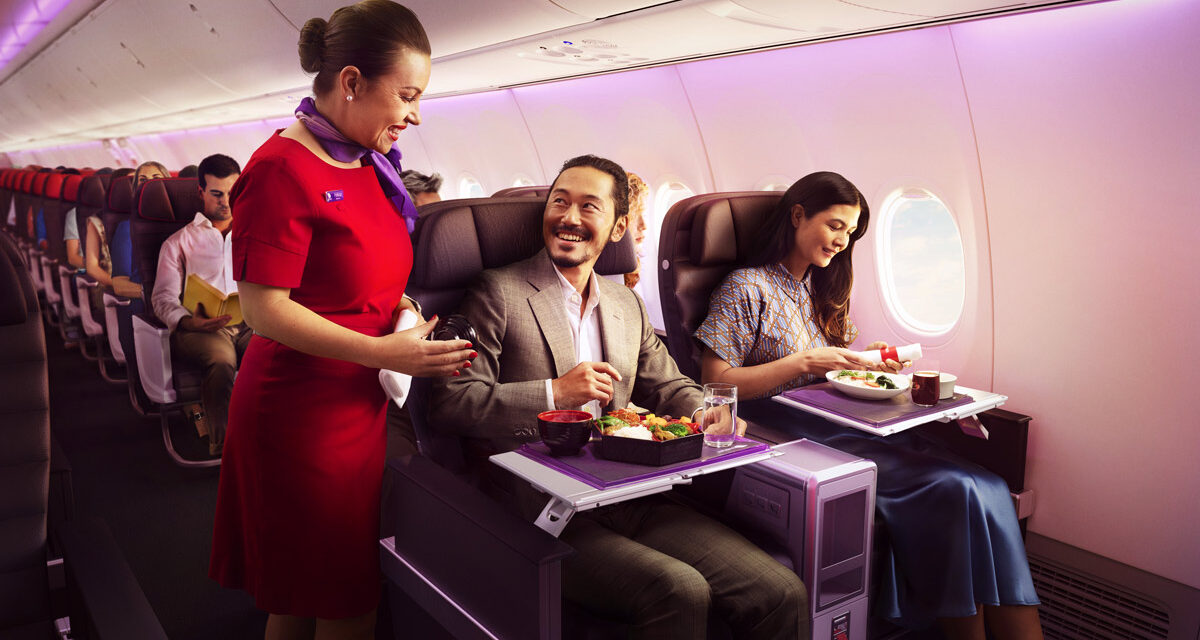
Yesterday I wrote an article about airlines cutting flights, and earlier this month about prices increasing due to fuel costs. So, why are Australia’s two major airline groups currently running domestic sales?
These sales are happening at the same time as one of the biggest cost shocks the airline industry has faced in years. As fuel costs soar, these sales tell you a lot about where airfares are heading next.
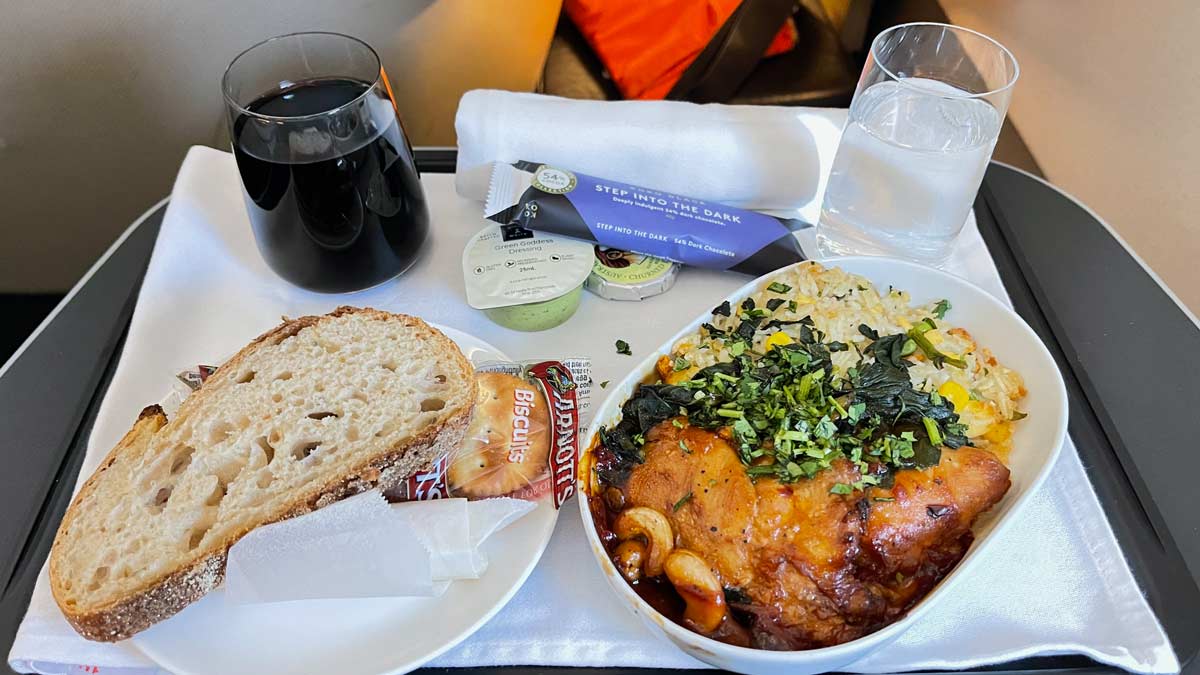
Cheap fare in an expensive market
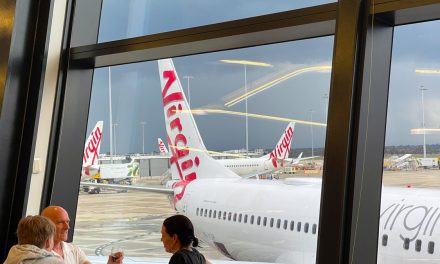
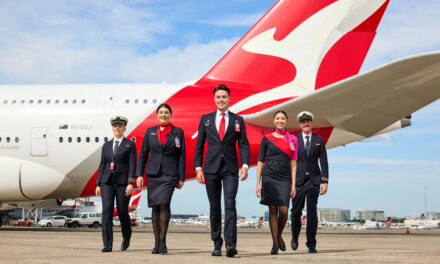
On the surface, the deals look compelling. Qantas has released millions of discounted seats from AU$99. Virgin is pushing fares as low as AU$55 on some routes. But these sales are landing just days after both airlines warned of sharply higher fuel costs and rising fares.
That contrast isn’t accidental. It reflects a key tension in airline pricing right now. Fuel costs are pushing fares higher, but airlines still need to stimulate demand to keep planes full. Globally, airlines are dealing with a situation where rising costs and strong demand are colliding. That’s forcing them to balance pricing very carefully.
Fuel cost is driving everything
Jet fuel prices have surged dramatically since late February, when Israel and the US started bombing Iran. In some cases, rising by more than 100% within weeks. That increase in jet fuel pricing has outpaced the cost of crude oil. The likely reason is that crude needs to be highly refined to get to the kerosene suitable for Jet fuel, and that involves transporting the crude. Currently, its that transport through the Gulf or Hormuz that is the risky and therefore expensive part of the supply chain. That extra fuel expense is feeding directly into airline operating costs.
For travellers, that translates into higher ticket prices. Industry estimates suggest fuel is adding roughly AU$100 or more per long-haul passenger, depending on the route, while domestic fares are also under pressure. Airlines typically see fuel account for around 20% to 35% of their total costs, so when prices spike this sharply, the impact is immediate and significant.
This is why airlines are warning that fares will continue to rise, even as they run sales to generate cashflow.

Why are airlines discounting?
This comes down to how airline economics works. Once a flight departs, any empty seat represents lost revenue that can never be recovered. Even in a high-cost environment, it makes sense for airlines to offer lower fares to fill those seats. That way they maximise overall revenue at only a slight marginal cost of extra fuel to put more bums on seats on a flight.
Domestic routes also provide a relatively stable source of income compared to international flying, which is currently more exposed to geopolitical disruption. By stimulating local demand, airlines can generate steady cash flow while managing risks elsewhere in their networks.
Capacity cuts are tightening the market
Globally, airline schedules have been trimmed in recent months, with carriers cutting marginal routes and reducing frequencies. This creates a tightening effect in the market: fewer flights, strong demand and higher operating costs all combine to push average fares higher.
This is why travellers are seeing a mixed picture. There are still sale fares available, but overall pricing is trending upward as supply becomes more constrained.
Airlines are gradually raising prices
Rather than introducing sudden, across-the-board price hikes, airlines are gradually raising prices in small increments. This can show up as higher base fares, fewer discounted seats being released, or the reintroduction of fuel surcharges on some routes.
In some markets, ticket prices have already increased by tens of dollars per flight, with further rises expected if fuel costs remain elevated. The approach is deliberate. Raising prices slowly helps maintain demand while still recovering higher costs.
What this means for Australian travellers
Domestic travel is becoming the main area where deals can still be found, as airlines use sales to keep planes full and maintain revenue. At the same time, international travel is becoming more expensive and less predictable, with longer routes, reduced capacity and higher fuel costs all contributing to rising fares.
Demand for travel remains strong, which means airlines are able to pass on at least some of these increased costs without significantly reducing bookings.
Volatility
The biggest shift in 2026 isn’t just higher prices; it’s also unpredictability.
Airfares are no longer following the usual seasonal patterns. Instead, they’re being driven by a combination of fuel price swings, geopolitical events and rapid changes to airline schedules. That makes it much harder for travellers to predict when to book.
2PAXfly Takeout
Those $99 fares aren’t a sign that flights are getting cheaper. But that shouldn’t put you off buying them. At the moment, airfares are only heading in one direction, and that is up. So, putting unpredictability aside, it’s probably better to buy now than to purchase later.
If you are in the market for domestic flights, head over to Qantas (various travel dates) and book before Tuesday, 28 April, or to Virgin Australia and book before Sunday, 26 April, for travel between May and December.






What did you say?