




















QANTAS: New open skies deal between Australia and Canada opens more flights and destinations

A new open skies agreement between Australia and Canada has removed limits on flights between the two countries, giving Qantas the green light to expand its services.
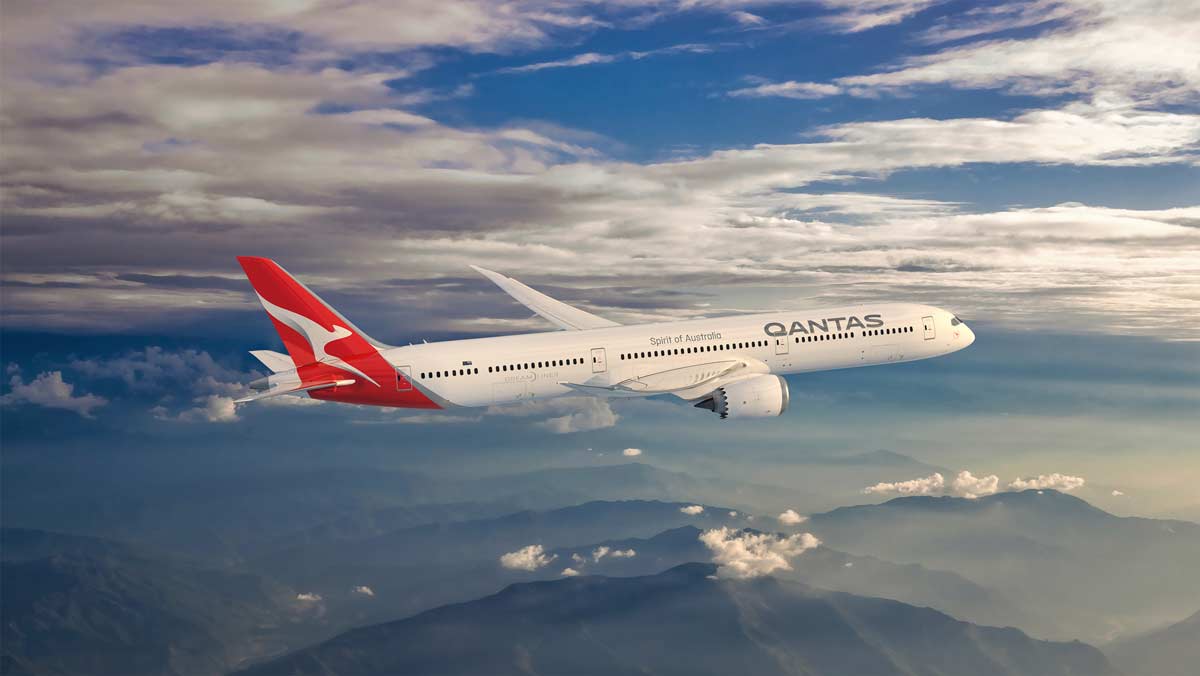
The updated air services arrangement allows unlimited passenger capacity for Australian carriers, replacing the previous cap that effectively limited Qantas to a daily Sydney–Vancouver Boeing 787 service.
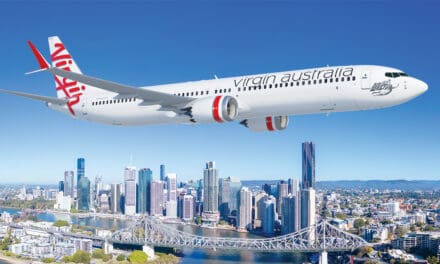
Although the agreement is general for Australian airlines, that basically means the Qantas Group. Virgin Australia does not currently offer any services to North America on its own metal. In the longer term, of course, that may change.
Greater flexibility
Qantas can now add more flights as demand grows, rather than being constrained by regulatory caps. The ruling also extends to any wholly owned subsidiary, which means low-cost arm Jetstar could potentially enter the market with its Boeing 787 fleet. For travellers, that opens the door to more seats, more competition and, in time, sharper fares.
New destinations?
While the agreement removes regulatory barriers, launching routes beyond Vancouver, such as Toronto or Montreal, would require more than just permission. Those routes would require Qantas/Jetstar to have more long-range aircraft and a strong commercial case. For now, Vancouver remains the natural gateway and the focus of any expansion.
Qantas can also lean on its partners to extend its reach. Codeshare arrangements with American Airlines and WestJet allow passengers to connect beyond Vancouver to destinations across North America, including Dallas and other major cities.
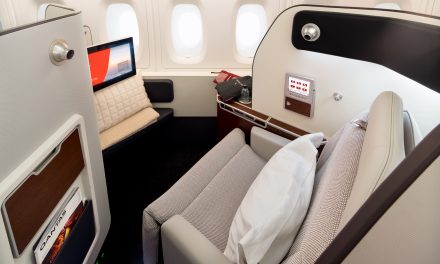
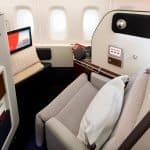
![Qantas 787 business class interior [Qantas]](https://www.2paxfly.com/wp-content/uploads/2019/05/Qantas-787-bus_171013_2060-1200x765-1024x653.jpg)
Vancouver, a good performer
Vancouver has already proven itself as a strong performer. Qantas has grown the service from a seasonal operation launched in 2015 to a year-round route, with daily flights during peak periods.
I was set to try this route last year, but a case of COVID put paid to that option. It should be noted that Qantas went above and beyond and issued a full refund for the flight, which was beyond what it was contractually required to do. As the phone agent explained, Qantas would prefer that you not travel while infectious.
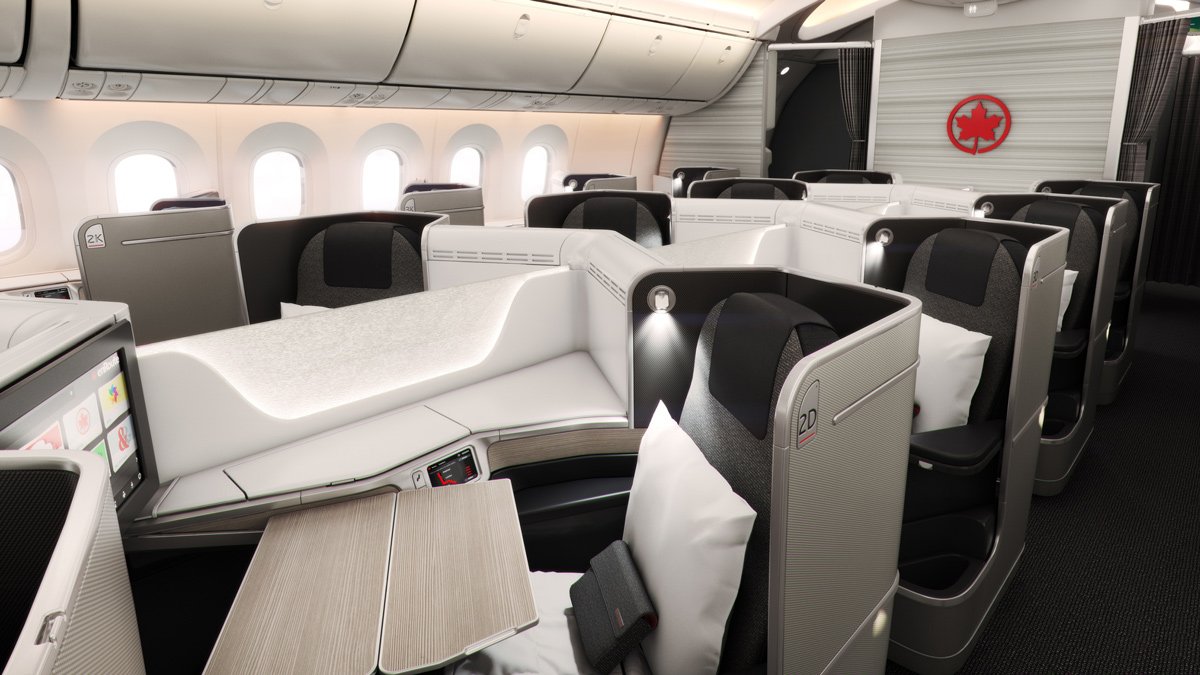
Competition on the route remains healthy, with Air Canada also flying from Sydney and Brisbane to Vancouver, giving travellers multiple options. In fact, I will be putting that to the test later this year, with me travelling on Qantas, and my husband travelling on Air Canada. Hopefully, with his cooperation, I will be able to provide a side-by-side comparison.
Onboard, both airlines offer lie-flat business class in a 1-2-1 layout, so it might come down to seat padding, amenities, food and service.
Demand continues to drive the market
Canada remains a popular destination for Australians, particularly during the ski season, while the reverse flow sees Canadian travellers heading to Australia for summer.
The removal of capacity limits allows airlines to better match that demand, potentially easing peak pricing pressure and improving availability. Time will tell
2PAXfly Takeout
I generally view open skies agreements favourably. They tend to add flexibility to the market and competition. It means airlines are not constrained by bilateral agreements.
It will be interesting to see what the effects are on the market, and what that does to pricing. Interestingly, I have seen Business Class prices fluctuate on that route from around AU$7,000 to over AU$15,000! I can assure you that I bought my fare at the lower end.







What did you say?