




















QANTAS: Cuts thousands of flight across network
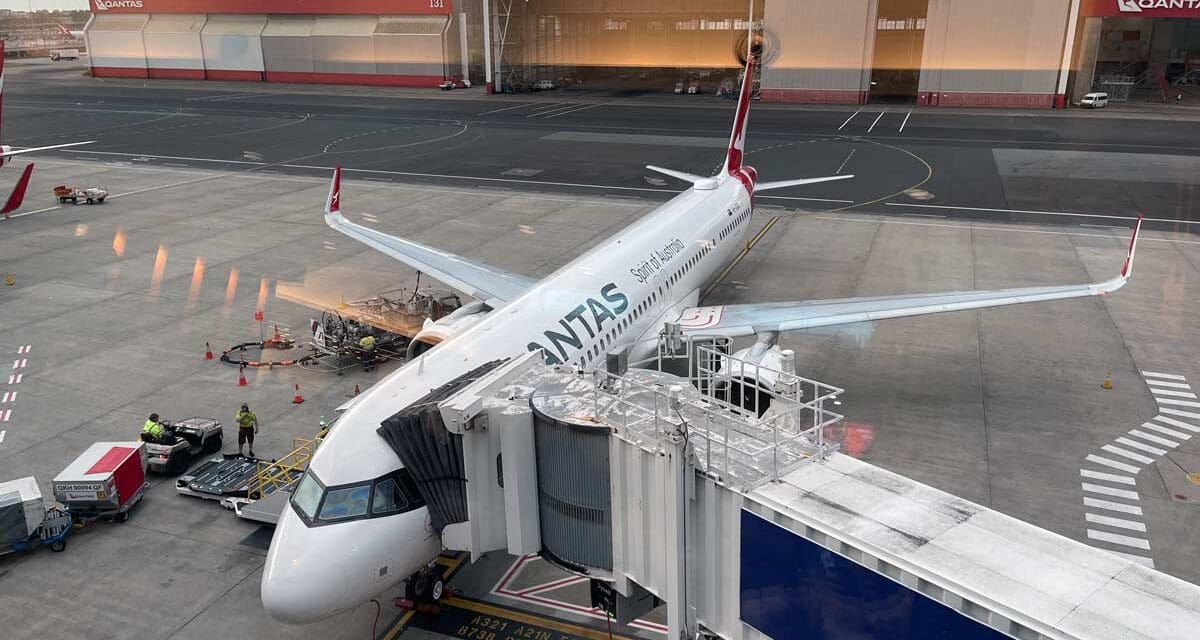
It’s only been a week since I reported that Qantas was boosting its flights to Europe by swapping to larger aircraft and tinkering with schedules. Now, in reaction to further uncertainty about the Straits of Hormuz due to the US/Israeli conflict with Iran, Qantas has quietly cut thousands of flights across its network. It has trimmed capacity and even axed some routes altogether, as it grapples with a surge in jet fuel costs.
The airline is framing this as a temporary adjustment, but the ripples for Australian travellers are numerous.
The cuts
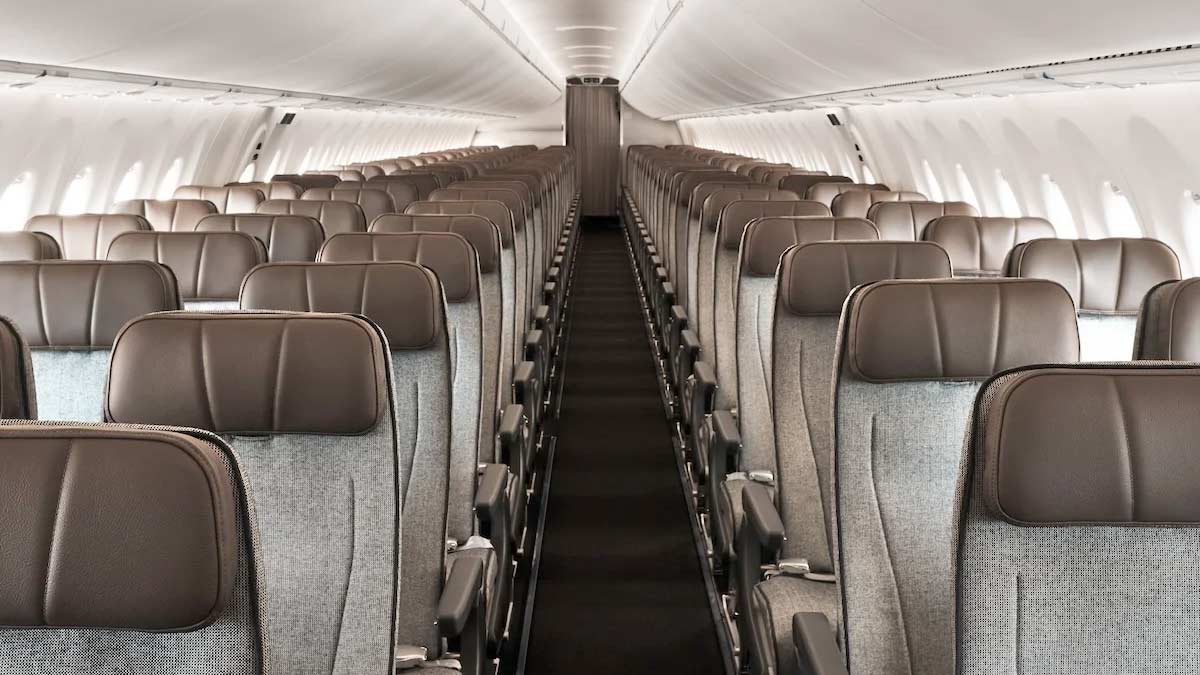
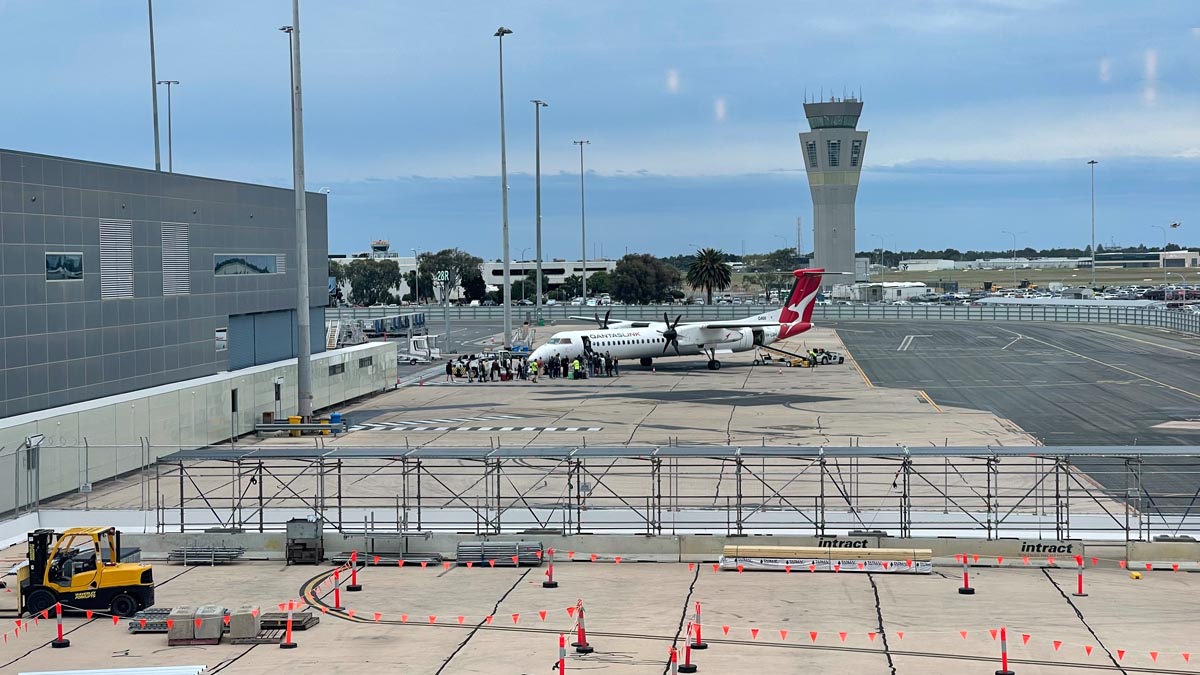
Qantas is reducing overall domestic seat capacity by around 5%, targeting lower-demand flights and off-peak services. Several routes are being paused entirely, including Melbourne to Hamilton Island and Melbourne to Coffs Harbour between mid-May and late June.
There are also cuts at its low-cost arm, Jetstar, with Sydney-Busselton suspended through winter and Darwin-Gold Coast paused until October.
One route is gone for good: Mount Gambier to Adelaide. With load factors reportedly as low as 20%, Qantas says the route is no longer viable.
AU$800 million fuel shock
Qantas expects its fuel bill to jump by AU$600 million to $800 million in the second half of the financial year, taking total fuel costs to as much as AU$3.3 billion.
Even with 90% of fuel costshedged, the airline still has to cope with rising refining costs. These, unhedged, have surged dramatically amid global supply disruptions due to the Middle East conflict. Airlines can hedge oil prices, but not the full cost of turning that oil into jet fuel.
Your airfare is going up
Across the industry, ticket prices jumped by around 18% in early March as the conflict escalated, and Qantas is expected to continue using pricing to offset higher fuel costs.
On domestic routes, fewer flights also mean less competition within the schedule, which tends to push prices up.
The economics: fly fewer planes, fill more seats
With business travel softening in a high-cost environment, the airline is focusing on running fewer flights with higher occupancy, particularly on busy trunk routes between capital cities.
This looks like a deliberate shift toward yield over volume, prioritising full planes and stronger margins rather than maximum frequency. Expect fewer departure times to choose from, flights will be fuller, and there will be little flexibility to change flights without a substantial cost.
International flying
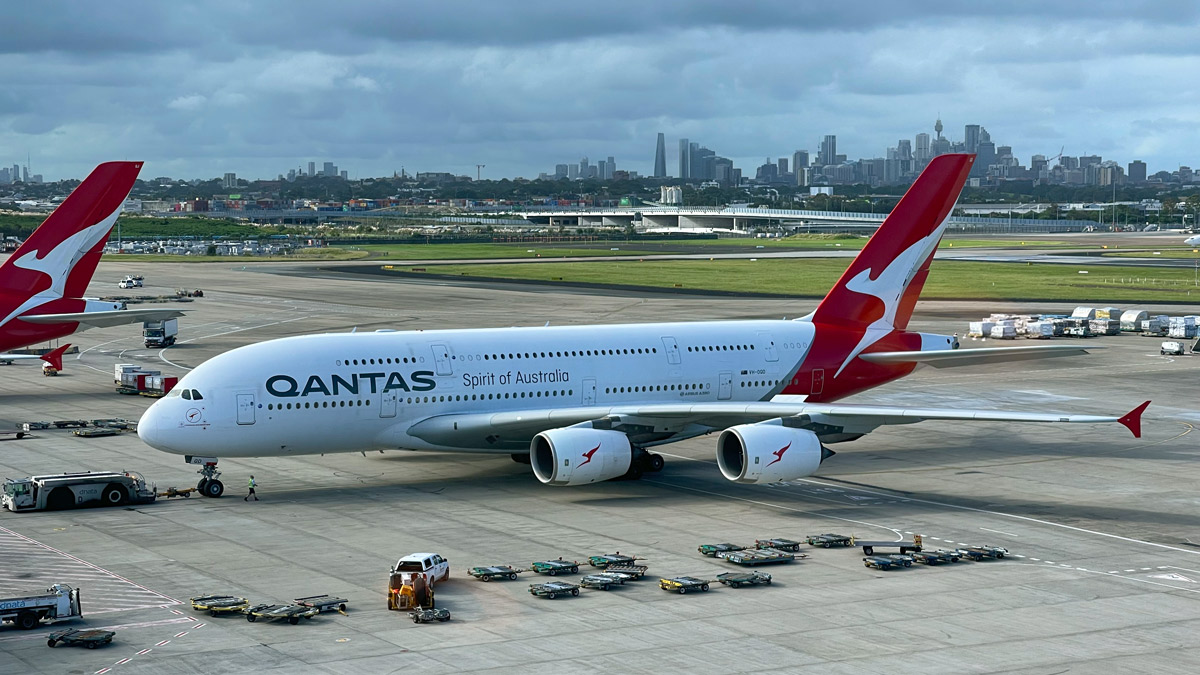
Qantas is dealing with longer flight paths to Europe as it avoids Middle East airspace, increasing fuel burn and costs. However, it’s also benefiting from reduced competition.
Qantas has benefitted from the move away from Gulf carriers like Emirates and Qatar Airways who have cut services. Qantas is sucking up that extra demand and charging higher fares. The airline expects a significant boost in revenue per seat kilometre on international routes as a result.
Qantas is not alone
Virgin Australia has also trimmed domestic capacity and suspended its Qatar flights until at least June, while across the Tasman, Air New Zealand has cut around 5% of its schedule. Even Jetstar has reduced flying in New Zealand by as much as 12%.
What you should do
With fewer flights in the system, availability will tighten, especially during peak periods. Booking earlier is likely to secure better fares and more convenient times. But prices will still rise. To save, you might consider less popular times or routes for leisure travel. You might want to book more flexible fares, although these will come at a premium, they might give you more flexibility.
2PAXfly Takeout
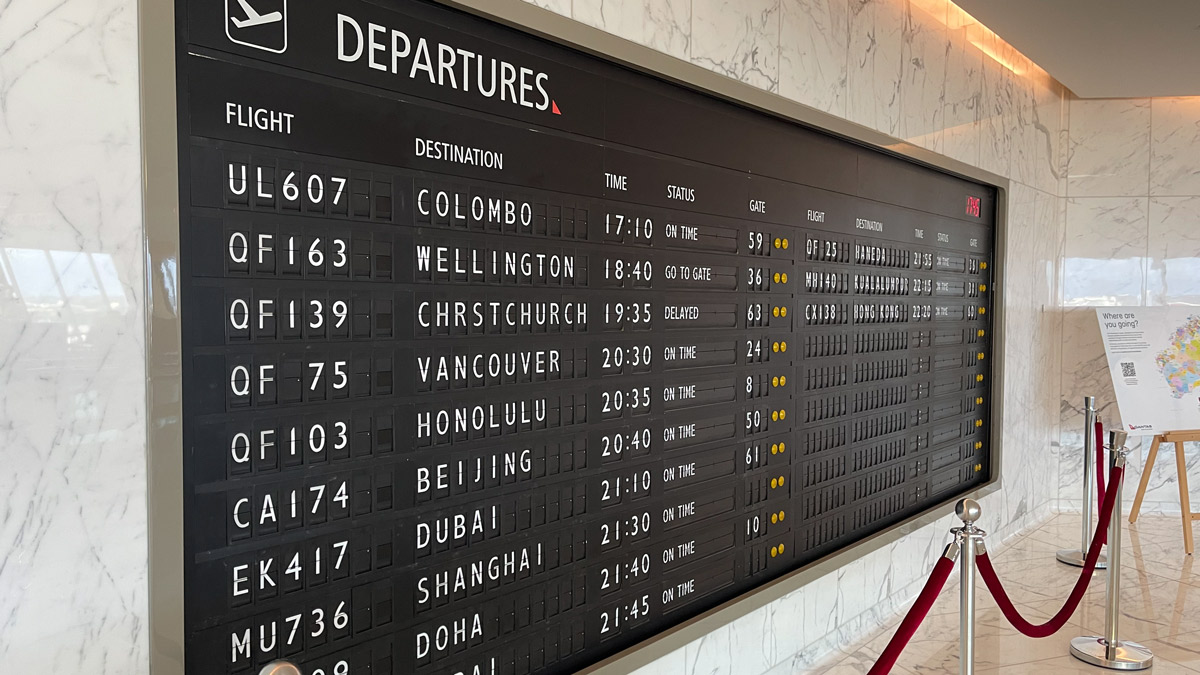
Higher fuel costs are forcing Qantas to rethink its network, prioritising efficiency, profitability and resilience over sheer scale. In one sense, this is what airlines should be doing anyway. It’s just in the Middle East conflict and expected jet fuel shortages, this will cost us the consumer a lot.
Qantas is renowned for its conservative financial management, so see this as a long-term protection. And, a financially stronger airline is better placed to weather ongoing disruption.
For the moment, its goodbye to frequency, cheap fares and choice of purchase. This will also affect the availability of reward redemption availabililty. Qantas won’t be ‘giving away’ reward seats if it can sell them.









What did you say?