

























FIJI AIRWAYS: Dallas USA flights dropped from September

Fiji Airways is reshaping its network, cutting its Dallas route while boosting capacity on other key services amid rising fuel costs.
The airline will suspend flights between Nadi and Dallas Fort Worth from 7 September, marking a retreat from one of its longest and most operationally demanding routes. That removes a non-stop option between Fiji and the US mainland, a route that had been positioned as a key link into the American market.

What happens if you’re booked?
Fiji Airways says most affected passengers will be rebooked on the same day via Los Angeles or through its San Francisco and Vancouver services.
Customers are being contacted directly, with options including rebooking, travel credits or refunds. In practice, expect a longer journey time and at least one connection where there was previously a non-stop flight.
US routes still covered
The airline will continue operating up to 11 weekly flights to the United States via Los Angeles and San Francisco, maintaining its core North American footprint.
Onward connections across the US, including Dallas, will be handled through its partnership with American Airlines. That softens the blow, but it’s not the same as stepping off a single long-haul flight.
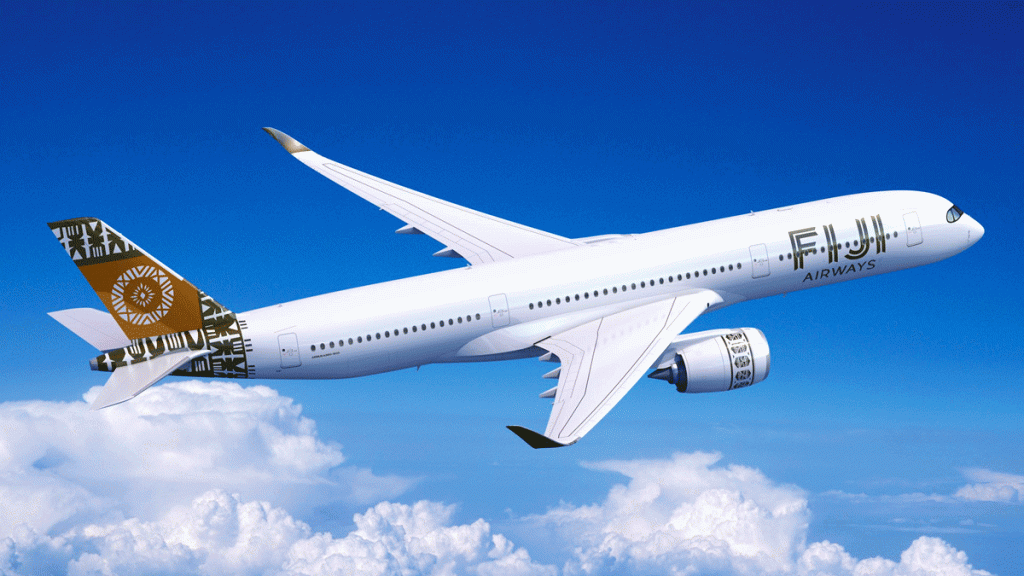
Where Fiji Airways is adding capacity
At the same time, Fiji Airways is doubling down on routes showing stronger demand.
Vancouver services will be upgraded to the airline’s Airbus A350 from September, bringing a more modern cabin and increased capacity. Hong Kong flights will also rise to up to four per week year-round, signalling renewed confidence in Asia-bound travel.
What’s driving the changes?
Fuel costs are the main pressure point. They have surged sharply this year and making ultra-long routes like Dallas harder to sustain.
At the same time, demand is shifting. Fiji Airways says Australia and New Zealand remain standout markets, supported by record visitor numbers and strong forward bookings. That’s pushing the airline to focus on routes with more consistent, year-round demand.
What it means for travellers
For Australian travellers, there’s little immediate impact, and potentially some upside as capacity is concentrated on core routes.
For US-bound passengers, the loss of the Dallas non-stop means longer journeys and less convenience, even if connections remain relatively straightforward.
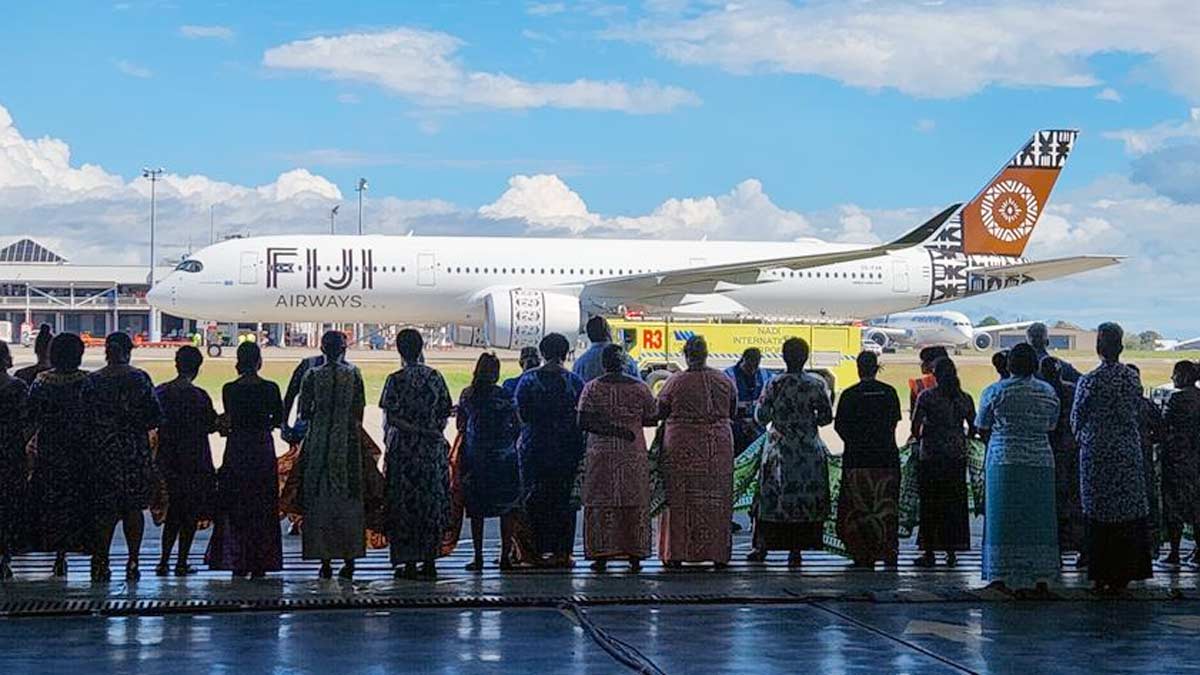
2PAXfly Takeout
The conflict in the Middle East is causing airlines a range of headaches, mainly related to jet-fuel supply. It’s making all airlines reassess their route networks and make changes accordingly. Some of these changes involve letting go of economically questionable routes, and others involve fuel supply or a combination of the two.
Expect to continue to see more of this kind of rationalisation as the crisis continues. I say that because although the US political leadership says that it is about to end, Middle East conflicts rarely end quickly or tidily.








What did you say?