



















CHINESE AIRLINES: Cut Australian flights, increasing flights to Europe
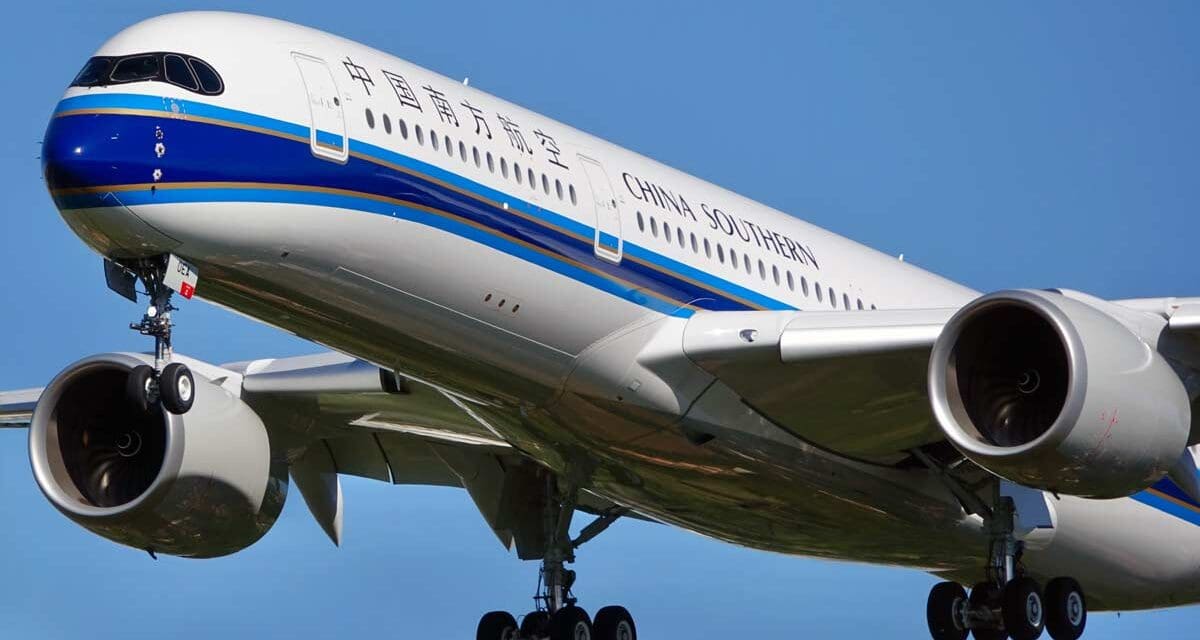
Chinese airlines are quietly pulling capacity out of Australia and redeploying those aircraft to Europe. They are chasing stronger demand and higher yields as global travel patterns shift. Due to the current Middle East conflict between the US/Israel, and Iran.
There are some real consequences for Australian travellers.
Fewer flights and routes to Australia
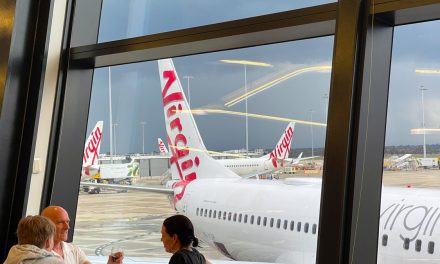
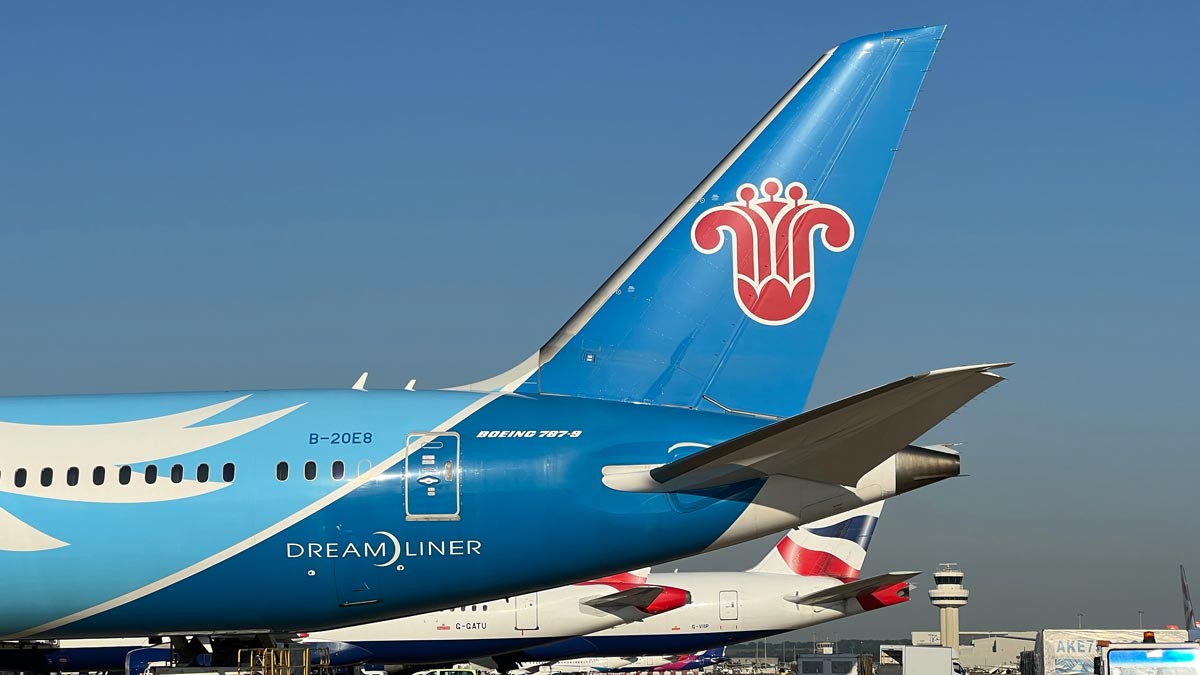
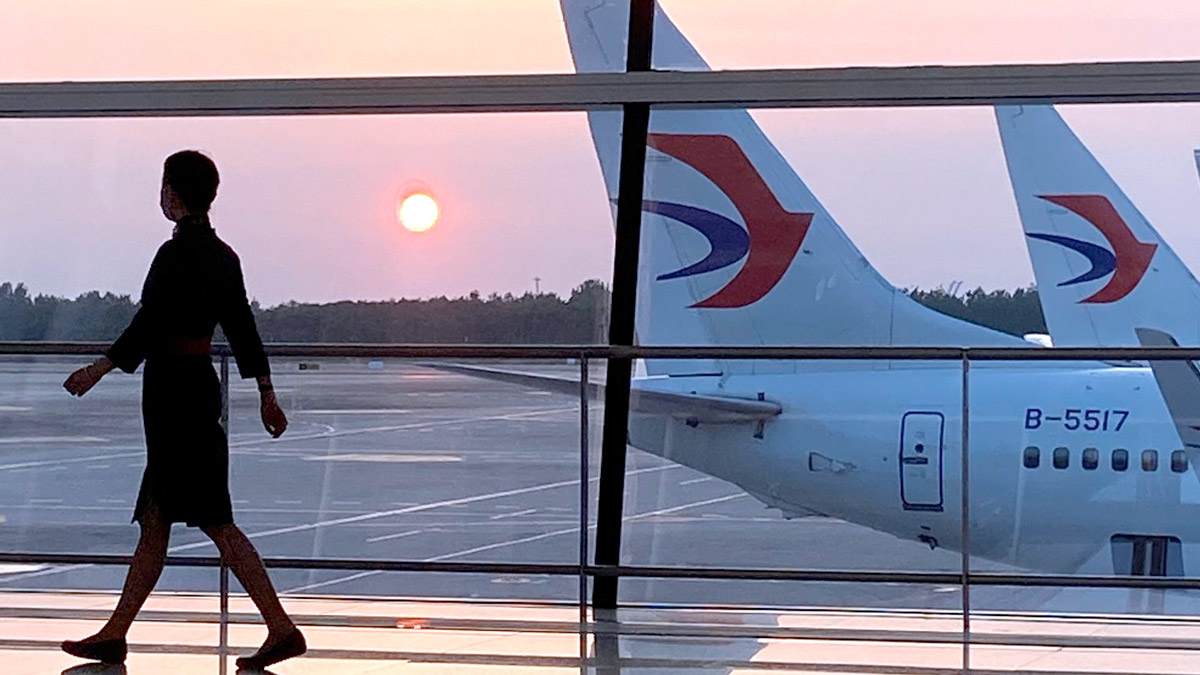
Major carriers, including Air China, China Eastern Airlines and China Southern Airlines, have cut back services to Australia, in some cases significantly. Routes such as Sydney–Hangzhou and Sydney–Jinan are being scrapped altogether, while others, including flights from Wuhan and Nanjing to Sydney, are being reduced by as much as two-thirds. Melbourne services are also being trimmed.
The result is fewer seats between Australia and China, and fewer routing options for travellers who rely on those connections to reach North Asia or Europe.
Airlines are chasing Europe
The aircraft pulled from Australia are being redeployed to Europe, where demand and pricing have surged.
Global travel patterns have shifted quickly due to ongoing disruptions in the Middle East, making traditional transit hubs less reliable and more expensive. However, demand for travel to Europe has remained strong, creating a clear opportunity for airlines that can step in with additional capacity.
Chinese carriers are capitalising on that imbalance by boosting flights between China and Europe, where higher fares and stronger load factors are delivering better returns.

Russian airspace
Unlike many Western airlines, Chinese carriers can still fly over Russian airspace, allowing them to take shorter, more direct routes between Asia and Europe. That reduces flight times and significantly cuts fuel burn, a crucial benefit at a time when jet fuel prices are heading towards the sky.
Those savings mean lower operating costs and stronger margins. This gives Chinese airlines more flexibility to expand European routes while others take longer, more expensive detours.
Australian travellers
On one hand, increased capacity between China and Europe creates more routing options via cities such as Shanghai, Guangzhou and Beijing. On the other hand, reduced flights into Australia mean fewer seats at the starting point of the journey.
That tightening of supply is already feeding into pricing. With fewer flights operating between Australia and China, fares are firming. That even applies to less direct itineraries. In some cases, longer journeys via China are now priced similarly to more direct routes via Southeast Asia, reflecting stronger demand and reduced competition.
Reshaping global networks
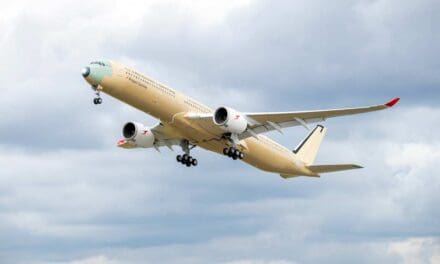
Airlines around the world are adjusting their networks in response to geopolitical disruption, the consequent rise in fuel costs and changing patterns of demand. Middle Eastern carriers such as Qatar Airways, Emirates and Etihad Airways have all reduced or adjusted services, while airlines like Singapore Airlines and Cathay Pacific are repositioning their capacity to capture that displaced demand.
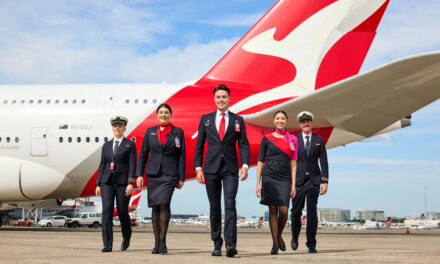
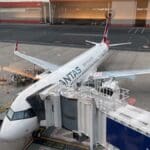
Qantas has redirected capacity toward Europe while cutting domestic services, highlighting the competing pressures airlines are facing.
Chinese airlines moving faster
Chinese airlines entered this period with surplus capacity, partly due to weaker demand on routes to the United States and Japan. That left widebody aircraft available for redeployment quickly as global conditions changed.
Arguably, state backing also allows these airlines to absorb higher fuel costs and expand into new markets more aggressively than some competitors. This combination of available aircraft and financial flexibility means Chinese carriers are responding fast and shifting capacity toward the most profitable routes.
2PAXfly Takeout
For Australian travellers, this is mixed news. Flights to Australia are being cut. That’s not because demand has collapsed, but because airlines can earn more elsewhere, such as on European routes. The result will be fewer options out of Australia. Pricing will firm upwards, but there will be more onward flights out of China, especially to Europe.
Europe-bound travellers may find new options via China, but with longer travel times. Getting to China may be more difficult or expensive.
There have been big adjustments to the global fight map recently due to the Middle East war. The international situation is still unresolved. While that remains the case, expect further international flight adjustments as the situation develops. But whatever happens, flying will be more expensive in 2026, and maybe into the future.





What did you say?