




















FLIGHT CUTS: Middle East conflict gives airlines lots of uncertainty
Planning an international trip in the next few months? You will need to pay close attention to your flights. No time to ‘book and forget’. With the way things are changing, it is more than likely that your flight might change. It might be the departure time, the route, the arrival time, or, most dreaded, your flight might be cancelled. Make sure that your airline has your email and mobile number, and pay attention to any booking updates.
Airlines are already trimming services to Australia, tweaking routes, as well as the more obvious increase in prices as fuel costs surge. Despite promises that a ceasefire or peace is just on the horizon, the conflict’s unpredictability remains. And where there is uncertainty, there is risk.
For Australian travellers, this is yet another period of uncertainty. It’s just shy of chaos, and definitely not business as usual.
Flights are being cut
I’ve reported on some domestic changes and some international ones. But really, flight schedules, both domestically and internationally, are changing at a rapid rate. For example, both of my husbands’ domestic Qantas flights were cancelled over the weekend. Fortunately, it was on a major route, so he was reassigned to flights either 15 minutes earlier or 15 minutes later. Both cancellations were listed as ‘technical’ or ‘operational’ reasons, which could mean anything from a failure of aircraft equipment to a lack of crew, or nearly anything else!
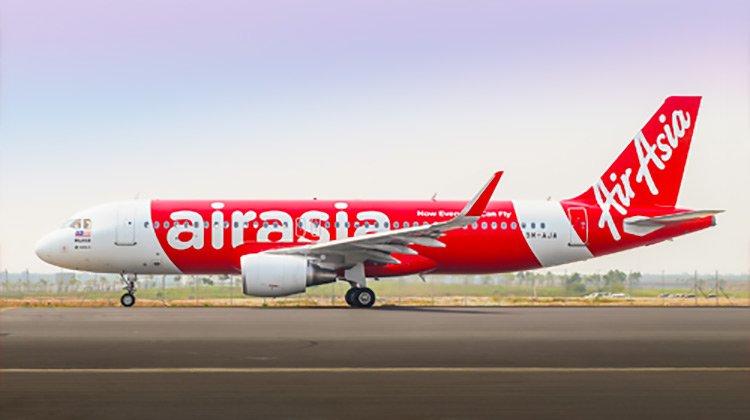
Fiji Airways has just paused some services to Australia and the US, citing high fuel costs and market uncertainty. AirAsia has trimmed flights from Sydney, Melbourne and Adelaide, reduced frequencies, and changed aircraft types on some routes.
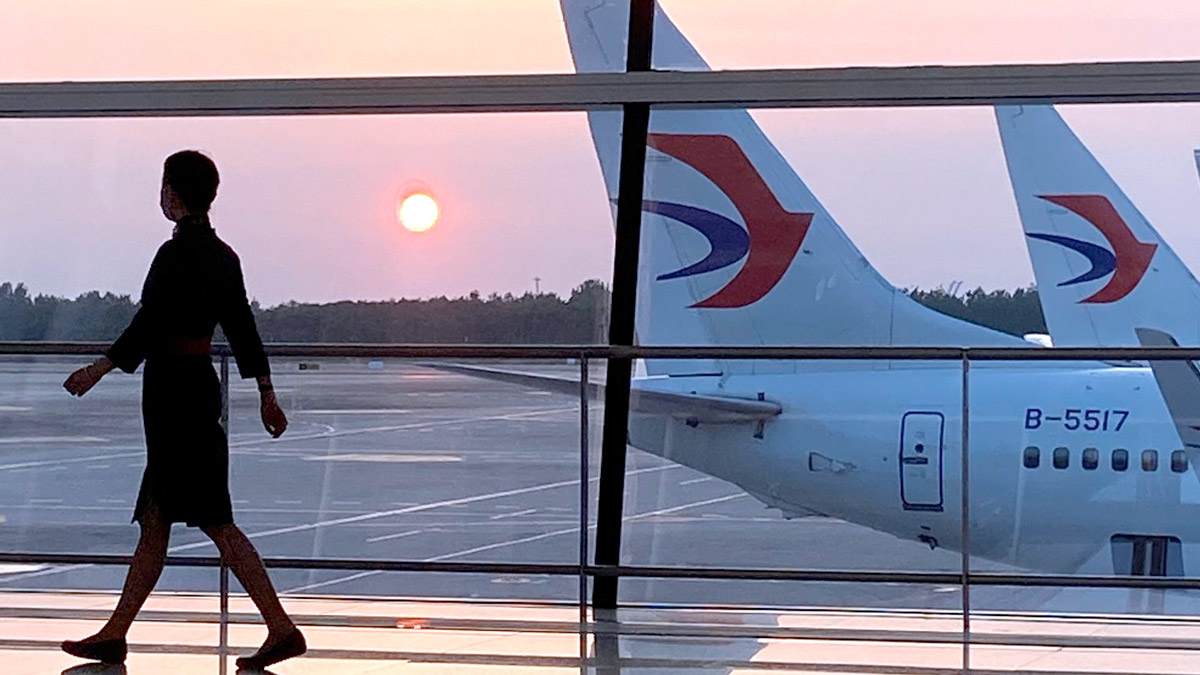
Elsewhere, China Eastern Airlines has temporarily cut Melbourne–Nanjing services, while Cathay Pacific is reducing about 2% of its flights, including some affecting Australia.
Even where flights remain, schedules are being tweaked. That can mean fewer options, less flexibility with your ticket and changes to connections.
Fuel prices
Oil and jet fuel prices have surged since late February, following conflict in the Middle East that has disrupted supply routes, including the Strait of Hormuz, a critical chokepoint for global oil.
For airlines, fuel is one of their highest costs. When it spikes this quickly, the fastest response is to cut marginal routes and reduce capacity. That’s exactly what we’re seeing now.
Higher fares and more surcharges
Most airlines are already passing higher fuel costs on to passengers through fuel surcharges. One Example is Korean Air, which has increased surcharges on routes like Seoul–Sydney rather dramatically over recent weeks.
The other impact is that fewer flights means less competition. And less competition means higher fares. Expect to pay more for the fares available.
First cuts
Airlines are targeting flights that were already on the margins of profitability. A hike in jetfuel prices and those routes quickly become unviable.
Those are the easy cuts or low-hanging fruit.
The harder and deeper cuts will come if the Middle East conflict continues, with fuel prices remaining high in the middle of the year. If that happens, then there will be even deeper cuts. It could even mean some structural changes to airline route schedules.
It could get worse
Of course, demand comes into this, too. Australians, the world’s great travellers, don’t like their travel plans being disrupted. I’d expect demand to soften if flight and route uncertainty is prolonged.
Global airline capacity is down slightly, but international seat numbers into Australia are still expected to grow overall in May. Currently, demand for travel remains stable, which is helping airlines justify both fare increases and limited cuts.
But there’s a clear warning from the industry that if the conflict continues and fuel prices stay elevated, the next phase could involve more significant reductions, including job cuts and larger network changes.

Travellers are double-booking
Because of the uncertainty, some canny and well-off travellers are booking backup flights. They are hedging their bets in case of cancellations or disruptions. Typically, people are booking close-to-fully refundable fares as their backup, knowing they can cancel with minimal penalty.
Although that’s good for travellers to have a backup, it also distorts the demand statistics. If people cancel duplicate bookings at the last minute, airlines may suddenly find themselves with empty seats, especially on higher-priced fares.
There may be an upside to that behaviour for other travellers. Those last-minute cancellations could end up as cut-price tickets for sale very close to the departure date. So, savvy travellers might want to look out for some last-minute bargains amidst this otherwise expensive market.
2PAXfly Takeout
Expect uncertainty is probably the best advice I can give. If you can afford it, then contemplate a backup plan to make sure you get to where you want to go, knowing you can cancel with minimal penalty.
Pay attention to what you have booked and to any communication from the airline you are travelling with. Expect changes and act accordingly.
At the moment, the changes are a bit of a patchwork, focusing on uneconomic or low-margin routes. However, if the Middle East conflict continues and fuel uncertainty persists or worsens, we may see the industry itself reshaped. Low-cost operators will be in trouble, while premium airlines with greater margins will probably do better.
In the longer term, this could affect the democratisation of air travel and move it more to the prestige and luxury end of the market. Back to the 1970’s?







What did you say?