













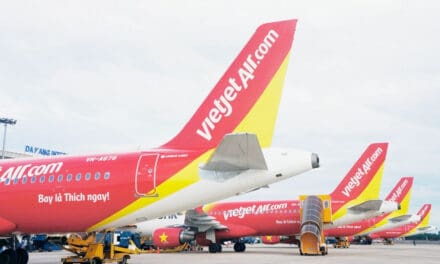






VIETJET: launching Australian airline to rival Qantas and Virgin
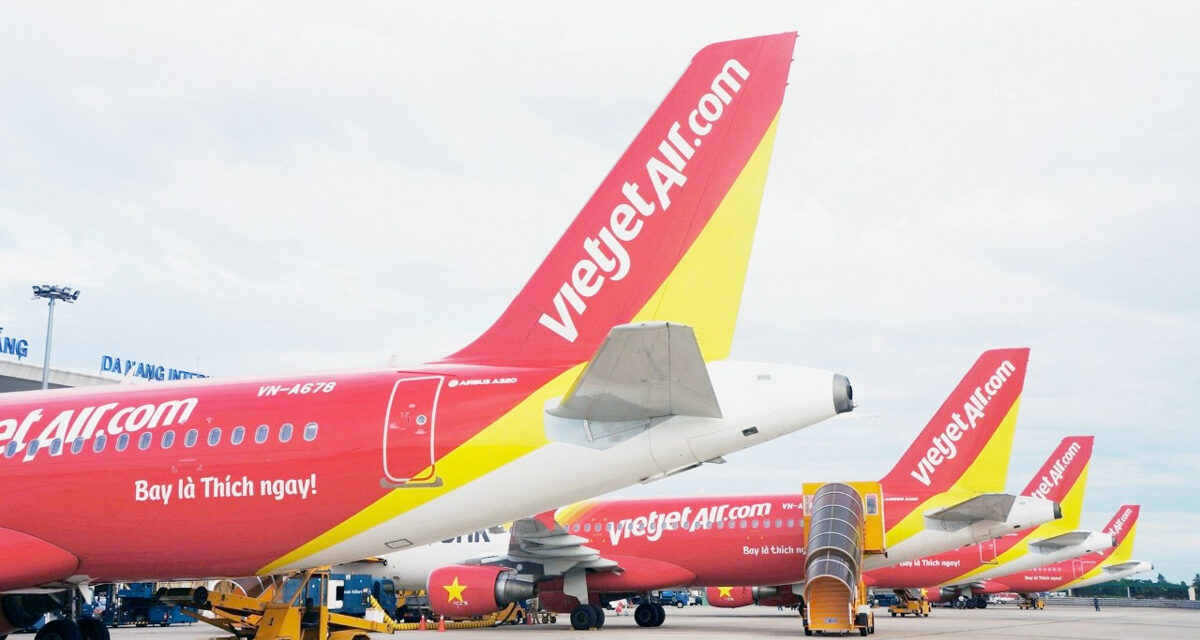
Vietnamese low-cost carrier VietJet is reportedly seeking the approvals needed to launch an Australian subsidiary, in a move that could create a new domestic competitor for Qantas, Jetstar and Virgin Australia.
According to reporting by Ayesha de Kretser in the Australian Financial Review, VietJet has approached the Civil Aviation Safety Authority (CASA) about obtaining an Australian air operator’s certificate (AOC). The airline is reportedly considering a locally incorporated operation centred on 10 Boeing 737s.
Neither CASA nor VietJet has confirmed the proposal; however, it has been reported on a number of mainstream media outlets. This is an exciting possibility, given that the Australian domestic market is now a duopoly between Virgin Australia and the Qantas Group.
A rare potential new domestic player
Australia’s domestic aviation market is once again effectively a two-group contest. Qantas Group, which includes Jetstar, together with Virgin Australia, account for about 99 % of Australian domestic passenger services. It has been that way since the demise of Bonza and the collapse of Rex’s capital-city operation.
Tigerair Australia was the last overseas-backed airline with a meaningful domestic presence. It was absorbed into Virgin Australia but closed during the first months of the pandemic in 2020.
Bonza attempted to serve the underserved leisure market but entered administration in 2024, less than two years after launch. Rex launched a strike on capital city routes before its own board and financial management troubles brought that expansion, and nearly the whole regional airline, to a halt.
Prior to that, there was a string of challengers, including Compass, that had a bash at competing with Qantas and the then-Ansett, but only Qantas survived. Establishing an airline is an expensive way to make a small fortune, provided you start with a very large fortune.
VietJet, however, is no startup.

VietJet has aircraft, scale and a familiar Australian presence
Founded in 2007 by Nguyen Thi Phuong Thao (Madame Thao), VietJet has grown into one of Asia’s largest low-cost airlines. It is listed on the Ho Chi Minh City Stock Exchange and operates a network of more than 250 routes, mostly international.
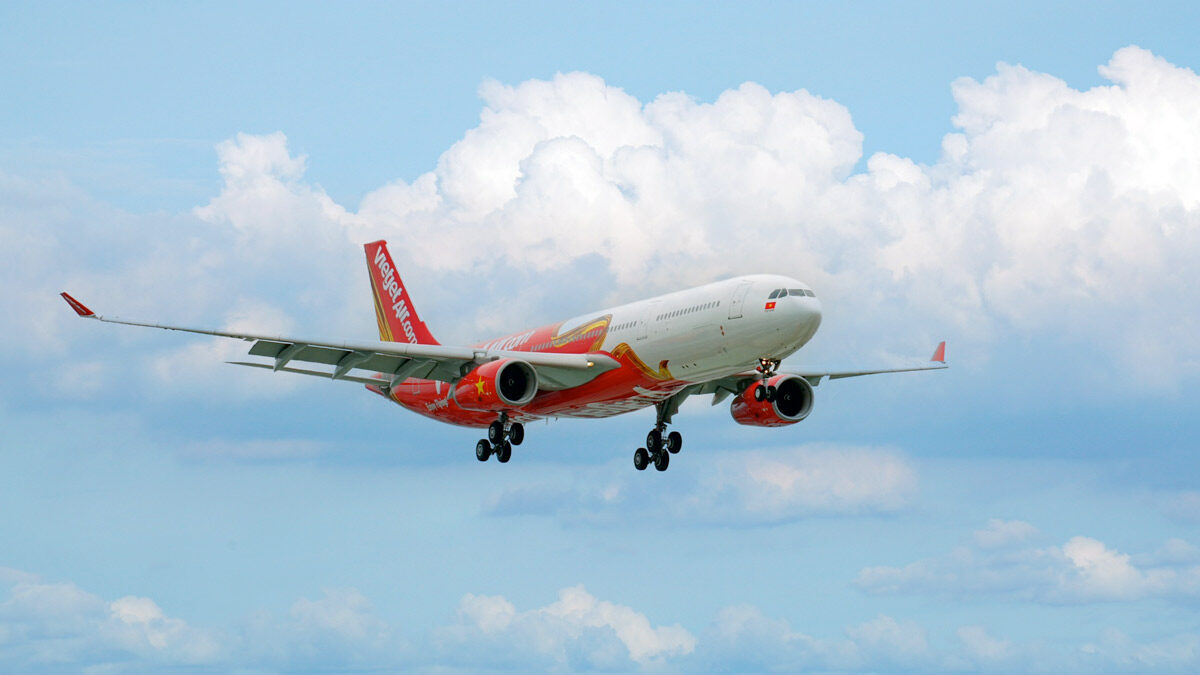
The airline has subsidiary operations in Thailand and Kazakhstan. It has a sizeable aircraft order book of more than 100 aircraft, giving it a substantial delivery pipeline.
VietJet already has a presence in Australia through its flights from Ho Chi Minh City. It operates daily services to Sydney and Melbourne, plus flights to Brisbane and Perth five times weekly.
VietJet is distinctly low-cost. Its early marketing campaigns, including bikini-clad cabin crew and models, made international headlines.

Western Sydney International Airport
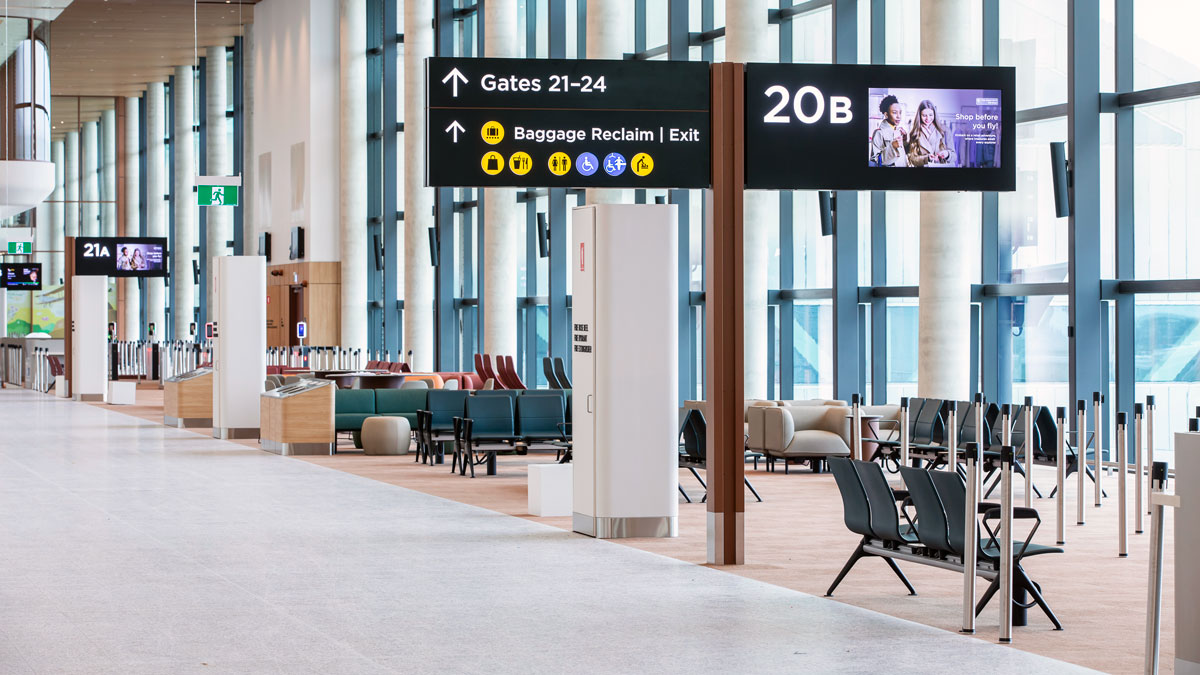
The rumoured launch comes as Western Sydney International Airport prepares to open in October 2026.
The new 24-hour airport has plenty of room for growth. Slots at Sydney Kingsford Smith Airport are tightly constrained. It would also suit a network centred on leisure destinations and secondary-city pairs. That would avoid directly confronting Qantas and Virgin on the busiest trunk routes, and the consequent capacity and price war that would follow.
There is also industry speculation around a block of Sydney Airport slots allocated to an unnamed airline identified as “YYY”. That could be VietJet, or not. It does indicate that another operator is considering Australian flights.
The Australian Competition and Consumer Commission has argued that more competition would benefit travellers. Greater airline choice can mean new routes and lower fares. It also reduces dominant players’ ability to inflate peak-period pricing.
2PAXfly Takeout
VietJet’s interest is interesting. Any competition to the two majors is welcome, whether at the low-cost or full-service end of the market. Focusing on Western Sydney International could also give them an advantage, especially given that Qantas doesn’t seem to have much of an offering at opening.
The strategy that VietJet uses will also be interesting. Some argue that Bonza and its new leisure routes should have been successful. It did not have sufficient or reliable enough capital backing, however. VietJet should, so a similar strategy might work.
And then, of course, there is Koala Airlines, or was that really just a joke?








What did you say?