






















JETSTAR: Consumer protections threaten airline’s existence
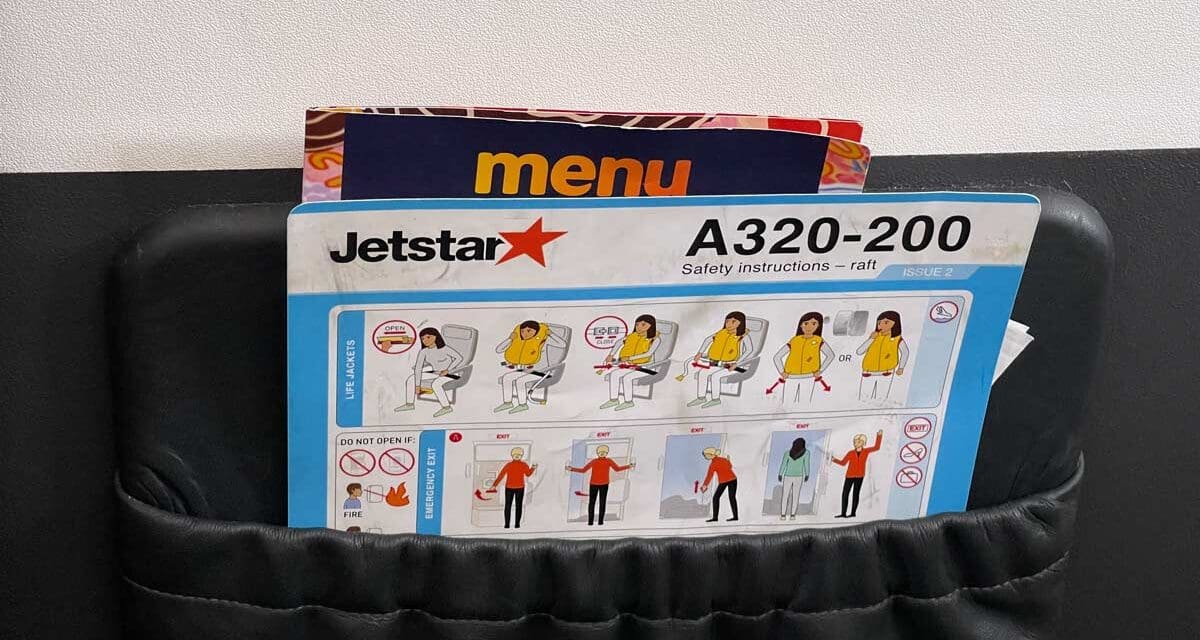
In an article in the SMH, Jetstar chief executive Stephanie Tully warns that the proposed new aviation consumer protections could “undermine Jetstar’s existence”. Quite a phrase from a low-cost airline owned by the Qantas Group.
The comments were made to a Senate committee examining the federal government’s planned Aviation Consumer Protection Charter. This is part of a wider package designed to give Australian passengers clearer rights when flights are delayed, cancelled, mishandled or otherwise malfunction.
The government wants to introduce an Aviation Consumer Protection Framework covering airlines operating domestic flights in Australia, international airlines flying to and from Australia, and Australian airports. It is expected to include minimum standards for booking, check-in, boarding, lost or damaged baggage, delays, cancellations, refunds, complaint handling and assistance for passengers with disability.
In other words, the sort of things passengers might have assumed already existed.

Jetstar says the rules are too prescriptive
Tully told the Senate Rural and Regional Affairs and Transport Legislation Committee that the draft charter takes a “one-size-fits-all” or universal approach and would erode the viability of Jetstar’s low-cost model.
Jetstar’s argument is that airlines should not be held financially or operationally responsible for problems not under their control,. Think air traffic control congestion, airport infrastructure failures, aerobridge issues, and baggage system meltdowns.
Airlines do not run every moving part of an airport, although they are usually the face passengers see when the moving parts stop moving.
The airline also doesn’t like the idea that the carrier selling the ticket should be responsible for customer service, when another airline operates the flight. That’s a headaches for codeshares and partner airline arrangements.
The passenger problem
For passengers, the issue is simpler. When something goes wrong, the airline is the company that took your money, issued your ticket.
At present, Australian passengers face a messy complaint system. You could end up dealing with the airline, the airport, the Australian Consumer Law system, a fair trading body, the Airline Customer Advocate, the ACCC, or an unresponsive void.
The government says the new scheme will include an Aviation Consumer Ombuds Scheme to help resolve eligible complaints that cannot be settled directly with airlines or airports. Consumer advocates have welcomed the idea of an ombuds with the power to make binding decisions. Others are unsatisfied asserting the proposed laws still fall short of a proper passenger bill of rights.
Airlines warn of higher fares
Qantas, Virgin Australia and Jetstar have all pushed back against the reforms. They warn that they could increase costs and drive up airfares.
This is the standard airline response to regulation: passengers want rights, airlines warn fares will rise.
Jetstar argues it already has strong commercial incentives to get things right. Tully said it is cheaper for the airline to operate well, staff are happier when it does, and customers like the airline more when flights run smoothly.
If those incentives were already that powerful, then we wouldn’t see the squadrons of complaints about Jetstar on social media about being stranded by cancelled flights! Does she think we came down in the last shower?
The duopoly
Qantas Group, which includes Jetstar and Virgin Australia dominate domestic aviation in Australia. The ACCC has said the two groups account for about 98 per cent of the domestic airline market.
That concentration leaves passengers with limited practical choice.
Refunds, delays and the fine print
Labor senator Corinne Mulholland questioned whether Jetstar properly makes passengers aware of their rights when buying non-refundable fares.
Jetstar insisted it complies with existing consumer law and stressed that its policies differ whether a delay/cancellation is within or outside the airline’s control. That distinction, she argued, should not be undermined by the new legislation.
The big fight will be who decides what is within an airline’s control, and what is not.

2PAXfly Takeout
Airlines will want narrow definitions. Consumer advocates will want broader ones. Passengers will mostly want to get to Brisbane before the wedding/funeral/birthday/holiday starts.
Jetstar’s warning that consumer protections threaten its “existence” is overdramatic.
Where the responsibility for a disruption is a legitimate question.
Australia does not yet have the kind of clear passenger rights regime seen in some other markets. The government’s proposed aviation charter and ombuds scheme may not be perfect. But the basic idea, that passengers should know what they are entitled to, and have somewhere to lodge a complaint is not unreasonable.
If a low-cost airline model depends on passengers having limited rights, limited remedies and limited clarity, then perhaps the problem is not the rights.











What did you say?