















QANTAS: Trialing automated gates in Sydney at T3

“Computer says no” is coming to a Qantas departure gate near you.
The airline is trialling automated boarding gates at Sydney Airport’s domestic Terminal 3, with the machines set to do what gate agents have been trying to do for years: enforce Group Boarding without having to smile through clenched teeth.
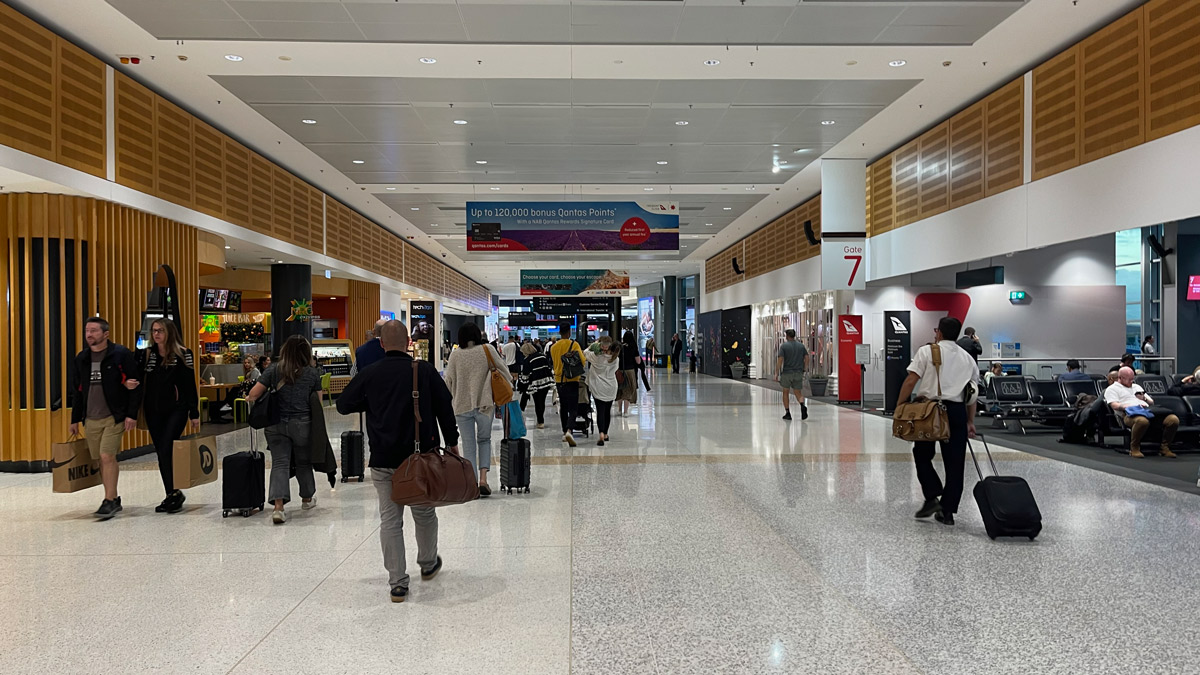
Qantas trial at Gate 10 at Sydney’s T3
The new gates are being tested at Gate 10 in Qantas’ Sydney domestic terminal, Terminal 3.
Passengers boarding selected Qantas flights from that gate will scan a digital or printed boarding pass, wait for the gate to approve them, and then walk through to the aerobridge.
So far, so ordinary, but there will be actual gates. Except these gates are not just glorified ticket scanners. They are designed to support Group Boarding, meaning the system can help control when passengers board based on cabin class, frequent flyer status, and seat number.
In other words, those keen souls who hover around the boarding lane the moment the word ‘boarding’ is whispered may soon find the machine rather less forgiving than a human gate agent.
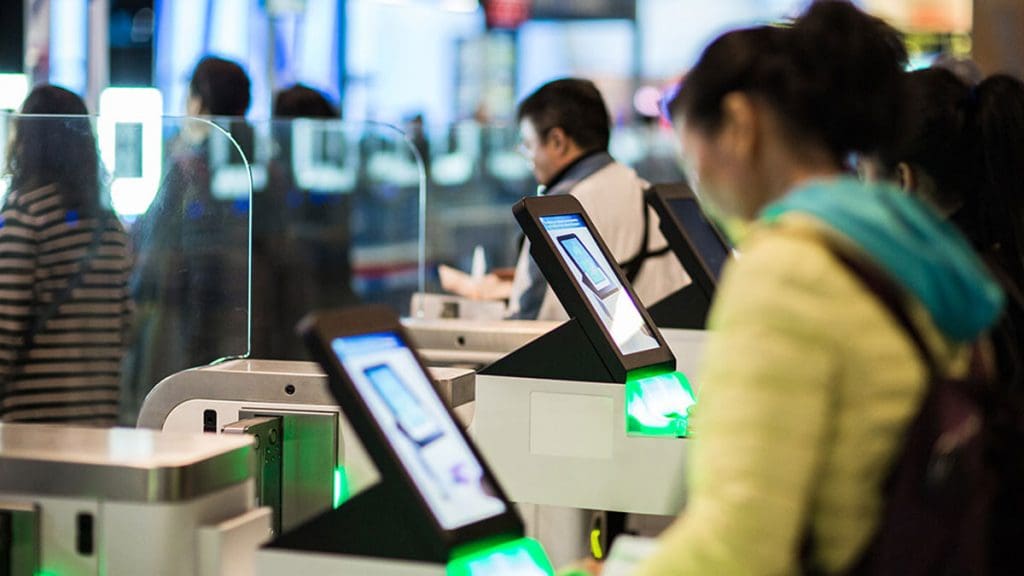
Supplied by SITA, but no biometrics yet
The automated gates are SITA Smart Path, supplied by the aviation technology company SITA in partnership with Sydney Airport.
SITA says its Smart Path gates can be used for self-boarding, lounge access, security, and border control, and claims the technology can speed up boarding times by up to 30% while freeing agents to support passengers who need help. Or help airlines reduce staff on duty, which seems more the usual case. In one SITA case study, boarding a 95% full Airbus A330 with 240 passengers dropped from 19 minutes to nine minutes after Smart Path gates were introduced.
At Sydney T3, however, this Qantas trial does not include biometric scanning, so there is no facial recognition element involved.
For now, it is all about the humble boarding pass, whether printed or digital.
This is already normal overseas
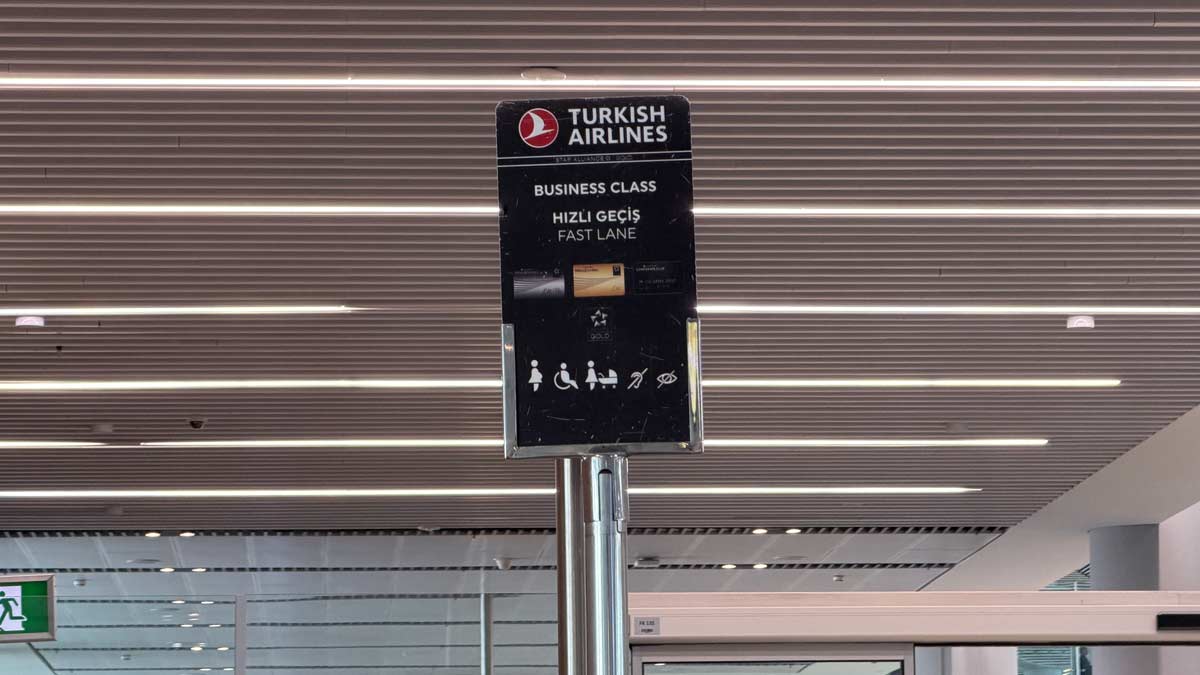
Automated boarding gates are hardly novel. SITA says its biometric systems are in use at 45 airports worldwide, including Beijing Capital, Bangkok Suvarnabhumi and Newark. I last came across them in Istanbul when boarding a Turkish Airlines flight back to Australia.
Beijing Capital International Airport has one of the largest deployments, with SITA previously reporting more than 600 biometric checkpoints across the airport, including automatic gate lanes, kiosks, bag drop, security and boarding touchpoints. Hamad International Airport in Doha is another showcase for SITA’s Smart Path technology, which matters for Australian travellers using Qatar Airways or Virgin Australia’s Doha connections.
The point is not that Qantas is inventing anything new. It is that Australian domestic boarding is finally catching up with technology already familiar to many international flyers.
Successes, failures and passenger grumbles
When automated gates work, they can be excellent. They reduce the boarding pass shuffle, catch passengers heading for the wrong flight, and make it harder for the “I’ll just try my luck” brigade to slip through before their group is called.
They can also remove some of the conflict from boarding. American Airlines has tested a system that makes an audible alert when passengers try to board before their assigned group, with reports that it was later expanded to more than 100 US airports after positive feedback from customers and staff.
But automated boarding is not all smooth scanning and aviation bliss. Boarding passes don’t scan. Phones dim at the critical moment. A cracked screen, a poor printer, a last-minute seat change or a passenger with multiple documents can still gum up the works. With biometric systems, the additional concerns are privacy, consent, and accuracy.
Delta’s biometric boarding trials, for example, were promoted as optional, with passengers able to board using a traditional boarding pass instead. Some travellers love the speed, while others find facial scanning intrusive or confusing.
Frequent flyers who board in the correct group may welcome anything that stops queue jumpers. Privacy-conscious passengers may be wary of any system that smells like facial recognition, even when Qantas says this Sydney trial is boarding-pass-only. Others, and that probably includes me, will just miss the human interaction with Qantas staff and that “Welcome back, Mr Schuetz” I get from my frequent-flyer status.
What Qantas wants to learn
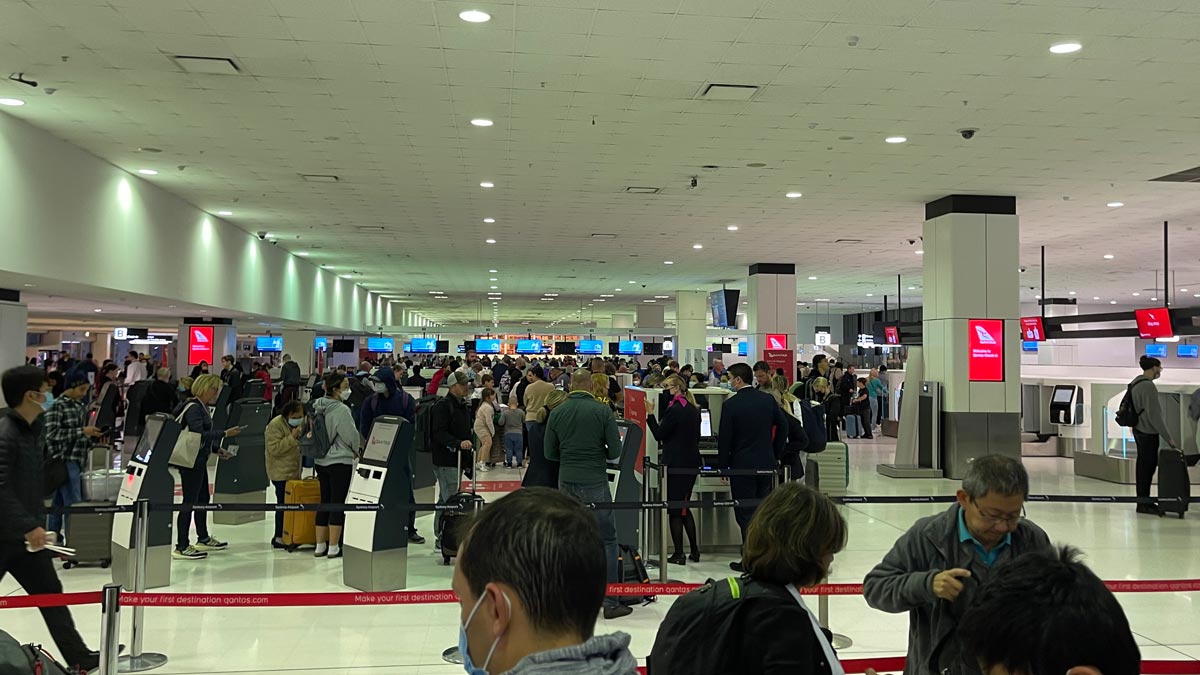
Qantas says the trial will run for around three months to help the airline understand the benefits of automated boarding gates.
The airline is interested in whether the gates can reduce boarding pass errors, speed up boarding, and smooth the process for passengers. There is, of course, a staffing angle: if the machines can handle basic boarding validation, cabin crew and airport staff can spend more time addressing customer issues. That’s what they say, but do I detect a slippery slope of staff reductions?
Passengers and staff will be asked to provide feedback during the trial. So, if you love it or hate it, there’s your opportunity to let Qantas know.
Group Boarding meets machine enforcement
Qantas has been pushing Group Boarding across more flights, particularly on domestic services. The concept is simple enough. Board in an orderly sequence so the aircraft fills more efficiently. It means that premium passengers, status holders, and those seated in particular rows are called when intended.
The practice, as any regular flyer knows, can be more theatrical.
Australian airport boarding areas often resemble a slightly more gentle rugby scrum. Passengers cluster near the lane long before their group has been called. Human agents can wave people away, but enforcement can be awkward, inconsistent and time-consuming.
Automated gates could change that. A machine does not care that you are ‘just asking’, ‘nearly Group 2’, or ‘travelling with someone in an earlier boarding group. Scan too early, and the answer may simply be ‘computer says no’.
2PAXfly Takeout
This is not revolutionary technology. Automated boarding gates are already used widely overseas, from Doha and Beijing to London, Los Angeles, and Istanbul.
The technology has had real successes: faster boarding, better queue control and less staff time spent scanning barcodes. It also has predictable failures: misreads, manual overrides, confused passengers and, where biometrics are involved.
I’m a little split on this. I can see the rationale, and the enforcement of boarding groups, which would be a godsend. But I will miss, yet another opportunity for human interaction. Human contact is slowly but surely being lost from the art of travel.









What did you say?