




















SYDNEY AIRPORT: another near miss, and the ATC staffing problem is getting harder to ignore
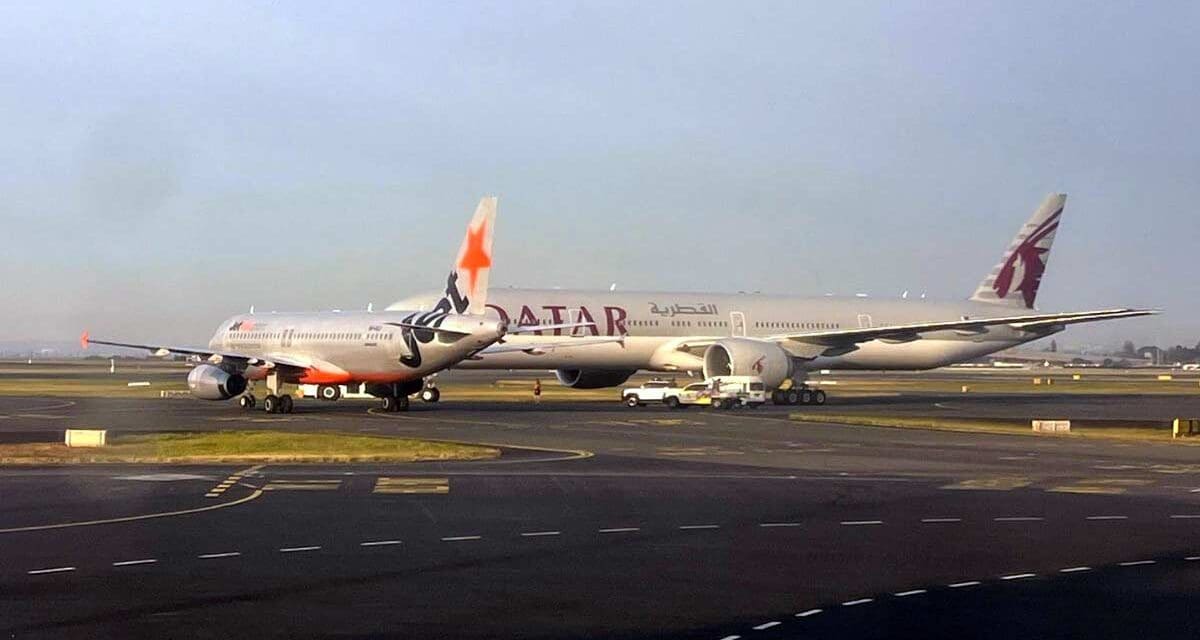
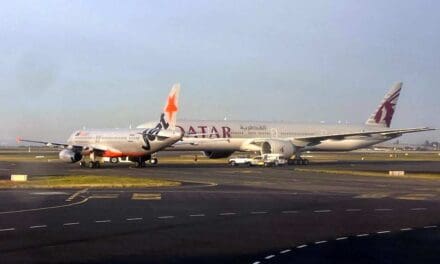
Sydney Airport has recorded its second alarming aircraft near miss in less than two weeks. This time involving a Jetstar Airbus A320 and a Qatar Airways Boeing 777 on intersecting taxiways.
At about 7 am on Sunday, 9 August, Jetstar flight JQ402 was taxiing for departure to the Gold Coast when its pilots were forced to brake sharply. They had encountered a Qatar 777 crossing ahead. The Qatar aircraft, A7-BEU, had arrived from Doha. It was being towed by a tug rather than moving under its own power.
Both aircraft stopped abruptly. A Jetstar cabin crew member who was providing the safety demonstration was injured during braking and required medical attention. Also the connection between the Qatar 777’s nose gear and its tug was damaged. JQ402 returned to the gate and was subsequently cancelled, with passengers moved to other flights.
There appeared to be delays across the airport all day. I was on a flight returning from Melbourne on Sunday afternoon, and we were required to circle Sydney for a while because of traffic congestion, which may have been related to the earlier incident, or to the ongoing staffing issues with Air Traffic Controllers.
Who was supposed to stop?
Jetstar says its A320 was following air traffic control instructions when its pilots were forced to brake. Initial inquiries suggest the tug towing the Qatar aircraft may not have followed its instructions, although the Australian Transport Safety Bureau (ATSB) has cautioned that it is too early to determine exactly where the breakdown occurred.
The ATSB will examine aircraft and ATC data, CCTV and other recordings, and interview the pilots, tug operators, air traffic controllers and witnesses. A ground controller and the tug operator have been stood down for mandatory drug and alcohol testing, which is standard procedure after such an incident.
Three days of controller shortages
The near miss arrived after an exceptionally messy few days at Sydney Airport.
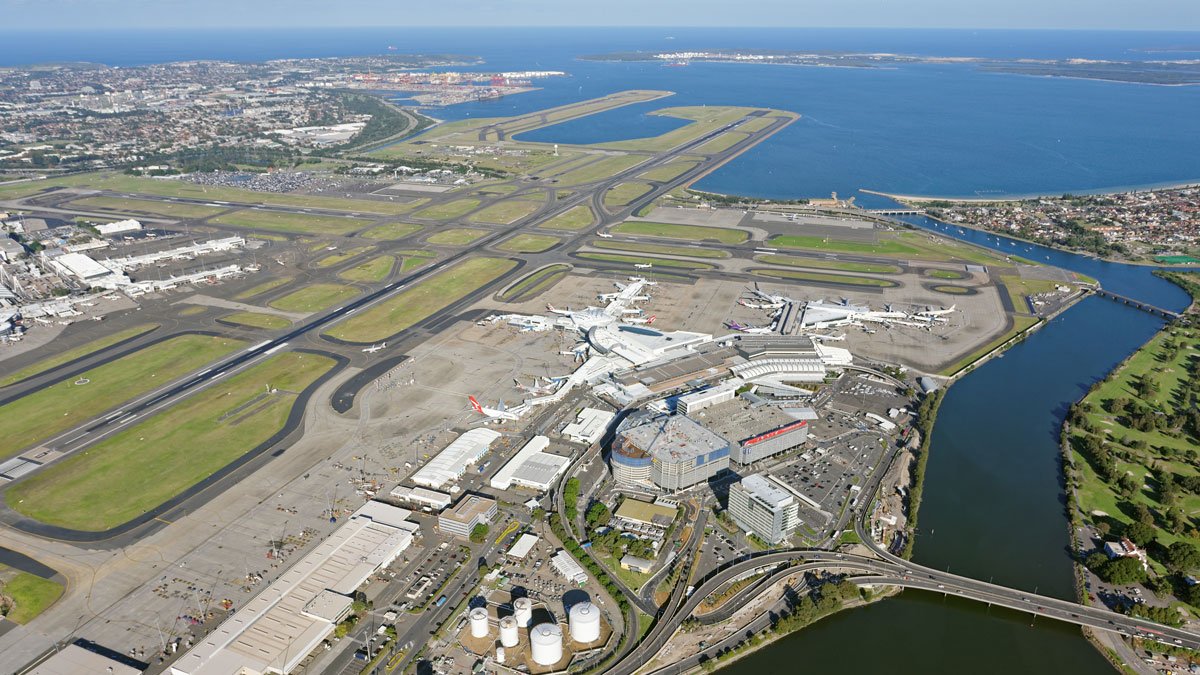
More than 150 flights were affected on Saturday by rostering constraints, following substantial delays on Friday. Airservices Australia had been unable to roster sufficient staff for three consecutive days.
Air traffic movements were consequently restricted, slowing arrivals and departures. The ABC reports ATC was again operating under restrictions between 6am and 8am on Sunday, around the time of the Jetstar-Qatar incident.
That doesn’t establish that controller shortages caused Sunday’s near collision. But having a safety incident occur against a background of an air traffic system already being throttled could be incidental, or causal.
We’ve been here before
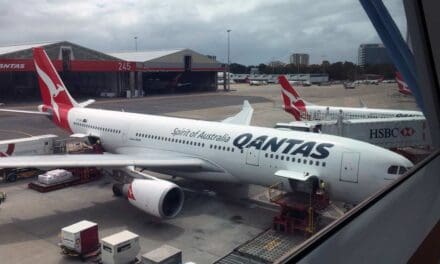
Most concerning is that this follows another Sydney Airport near miss on 27 July. A Qantas Boeing 737 arriving from Queenstown was cleared to cross Runway 34L. At the same time a QantasLink Dash 8 arriving from Canberra was still completing its landing roll.
Air traffic control detected the conflict and warned both aircraft. The 737 stopped after it had passed the runway holding point. The ATSB has classified that occurrence as a serious incident involving a breakdown of coordination and runway incursion.
Two very different incidents, certainly. But two near misses at Australia’s busiest airport within a fortnight, plus days of ATC staffing shortages, could be more than a coincidence.
2PAXfly Takeout
Aviation safety is built around layers. If one person or procedure gets something wrong, another should catch it before metal meets metal. In both Sydney incidents, that did happen. To that extent, it means the system is working.
What’s uncomfortable is that those layers have been uncomfortably thin twice in a short period of time. Add to that not having enough controllers on duty, and it sounds on the surface like a systemic problem.
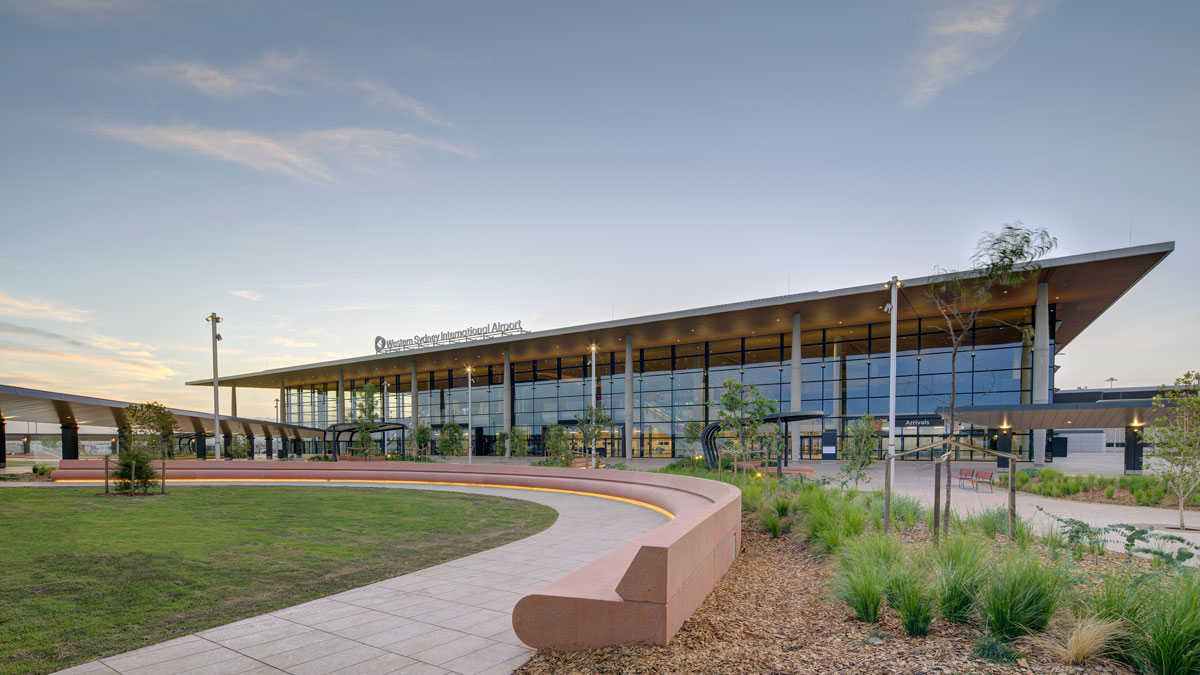
And, the issue is not going to get immediately better. With Western Sydney International beginning passenger operations on 25 October, although it is using a completely different system of remote aircraft management, it will be another call on what seems to be a limited number of specialised aviation staff.







What did you say?