



















QANTAS: Ex CEO Alan Joyce boards his reputational rescue flight with ‘Riding the Jet Stream’
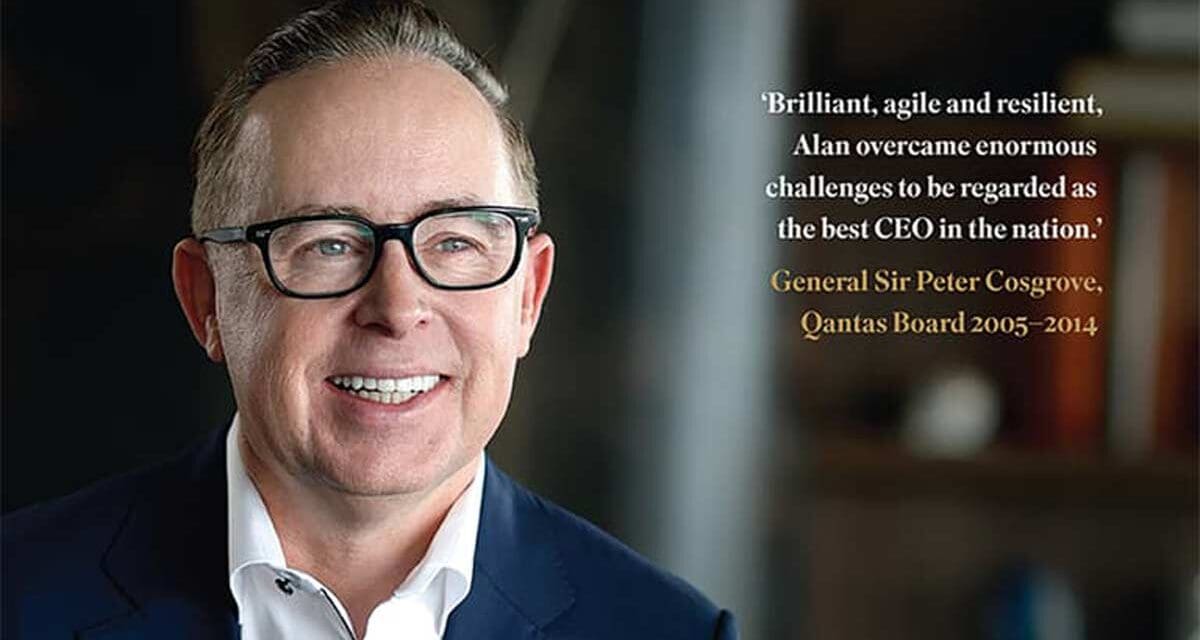
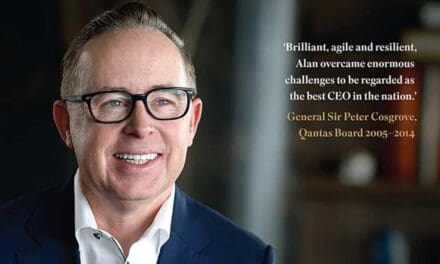
Former Qantas chief executive Alan Joyce has published Alan Joyce: Riding the Jet Stream. It’s a 464-page attempt to explain how he became one of Australia’s most successful corporate leaders. And, by the end, one of its least popular.
Published by Hardie Grant today (28 July 2026), the memoir follows Joyce from his working-class Dublin childhood through Aer Lingus, Ansett and Jetstar to 15 years running Qantas. Along the way, it covers the 2011 grounding of the airline and stranding of 68,000 passengers, industrial warfare, marriage equality, COVID-19, the illegal sacking of 1,820 ground workers, travel-credit chaos and the sale of tickets on flights Qantas had already cancelled.
I’ve already downloaded it, and will read it to add to the other books on Qantas I have already consumed.

Joyce presents the case for Joyce
On the basis of reviews, interviews and newspaper articles, the central argument is that Qantas repeatedly faced disaster. Joyce repeatedly made hard decisions, and the airline survived because he was prepared to do what others would not.
This is the familiar executive memoir formula. All successes are evidence of leadership; all failures are regrettable consequences of complexity, and not the subject’s fault.
Joyce makes no apology for destroying the careers of nearly 2,000 ground staff. Nor the fraudulent sale of cancelled flights, nor the plan to not return flight credits in cash to paying customers. What he does apologise for is describing passengers as not being “match fit” during Qantas’s shambolic post-pandemic restart. He only expresses regret over the outsourcing decision later found unlawful. However, he continues to defend the airline’s intentions during the “ghost flights” scandal and rejects suggestions that the Chairman’s Lounge helped Qantas cultivate political influence. That’s a stance that to me looks largely farcical.
There is some guarded contrition, but it arrives carefully packaged, weighed and approved for carriage.
Reviewers admire the pace, not the penitence
Chris Zappone, reviewing the book for the Sydney Morning Herald and Brisbane Times, describes it as self-serving but full of action, attitude and drama. That assessment could apply to Joyce’s entire tenure!
Caroline Overington in The Australian credits Joyce with addressing personal and professional mistakes, while testing his version against the experience of passengers who endured soaring fares, unusable credits, airport queues and collapsing service standards.
The emerging consensus is that Joyce acknowledges mistakes more readily than he accepts responsibility for them. Apparently, the buck did stop at the chief executive’s office, but only briefly, before being outsourced.
Joe Aston is predictably less charitable. The author of The Chairman’s Lounge portrays Joyce’s memoir as a heroic fable in which a determined outsider saves Qantas, Australian aviation, and perhaps capitalism itself.

Three books and several competing realities
If you are a Qantas obsessive, or just want a good read, then, you have three options. First up is the hagiographic book by Peter Harbison and Derek Sadubin, Alan Joyce and Qantas: The Trials and Transformation of an Australian Icon (2023). It is informative on aviation strategy and Qantas’s commercial transformation, although its admiration for Joyce occasionally makes the book feel less like analysis and more like a nomination for sainthood.
Joe Aston’s 2024 The Chairman’s Lounge: The Inside Story of How Qantas Sold Us Out is the very entertainingly written prosecution brief. It is sharp, funny and devastating on the relationship between Qantas, corporate Australia and Canberra. Aston, a former Qantas insider, has an argument to prosecute and does so with the enthusiasm of a barrister who has already booked lunch and ordered a very expensive bottle of red.
Riding the Jet Stream is Joyce for the defence. He has the advantage of knowing where every body is buried, although he seems understandably reluctant to provide an actual map.
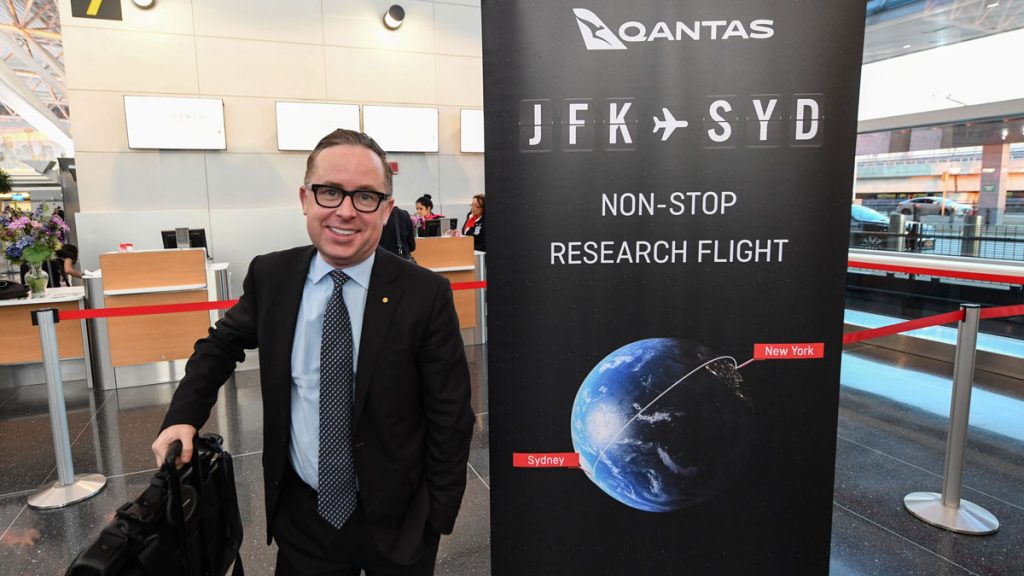
2PAXfly Takeout
2PAXfly followed Joyce’s abrupt early departure, executive bonuses, court defeats and the prolonged attempt to restore Qantas’s reputation after years of treating passengers as an inconvenient input cost.
We also covered the Aston and Harbison books, which offer very different portraits of the same chief executive. Harbison explains the strategic achievement. Aston documents the political access, customer damage and corporate arrogance. Joyce now explains why he believes most of it was necessary.
Reading all three may allow you to deduce the truth. I’ve read two out of the three, and am looking forward to the hat-trick.
As for Joyce’s reputational rehabilitation? The seatbelt sign remains firmly illuminated.









What did you say?