





















KOALA AIRLINES: Not a domestic airline, but an international charter feeder

Koala Airlines has finally revealed something resembling a business model. Strangely, although a huge pivot, it may make more sense than the previous collection of promises, aircraft renderings and mysterious non-statements.
Rather than confronting Qantas, Jetstar and Virgin Australia across Australia’s major domestic routes, Koala now proposes operating charter flights on behalf of international airlines. The domestic sectors would be bundled into passengers’ international itineraries, carrying overseas visitors beyond the major gateways.
Koala no longer appears to be planning a conventional domestic airline. It wants to become the airline behind somebody else’s airline.

From Qantas challenger to subcontractor
According to Bloomberg, Koala is discussing potential arrangements with more than ten foreign airlines. Most passengers would reach Koala through those international partners rather than buying directly from the airline. that means its market is international airlines and not domestic Australians
It’s not even planning to make its own website into much of a ticket portal. It argues that this will keep it away from direct fare competition with Qantas, Virgin Australia and Jetstar. I’m not too sure about that logic, since other than Koala’s existance, these passengers would need to use one of the existing airlines.
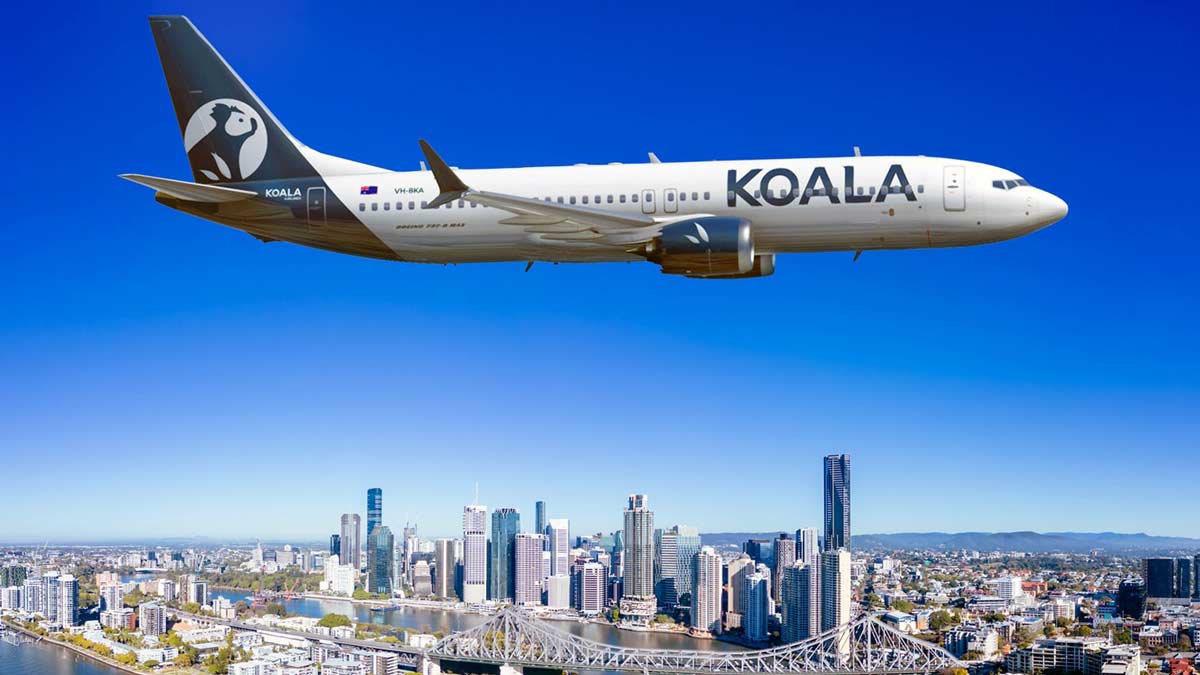
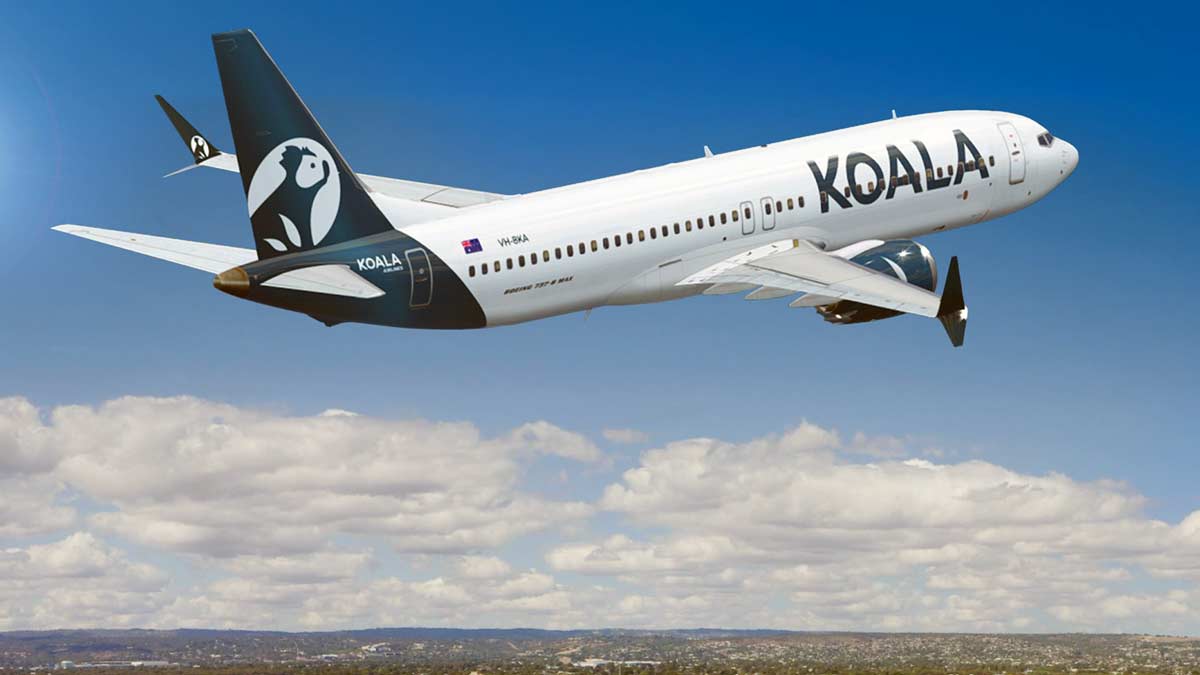
It is reported that possible destinations include Adelaide and tourist centres such as Uluru. So, not the triangle of Sydney/Meblourne,Brisbane. It’s also claiming that operations could begin by the end of 2026 using three leased Boeing 737 MAX aircraft.
That is a considerable change from the strategy outlined last year. Koala previously talked about capturing business and leisure traffic between Sydney, Melbourne and Brisbane while somehow avoiding a fare war with the airlines already dominating those routes.
As I observed in an earlier 2PAXfly article, the plan sounded disjointed. Koala rejected Bonza’s leisure network and Rex’s attempt to compete on price, but still intended to fly Australia’s heavily contested capital-city triangle. It was difficult to determine what was left of the supposedly ‘game-changing’ model.
Judging, perhaps unfairly, this charter model sounds hokey to me. Does it to you?
A more credible niche?
Bear with me. There is some logic here.
Charter or contracted feeder flying can reduce the biggest rich in launching scheduled services. That is hoping enough passengers turn up. Koala could instead negotiate minimum passenger commitments, block-seat arrangements or guaranteed charter payments from its international partners.
That would reduce marketing costs and transfer some revenue risk to the contracting airline. Koala would not need to build a nationally recognised brand, establish a large frequent-flyer program or spend millions persuading Australians to abandon Qantas and Virgin.
For an overseas carrier, the attraction would be an Australian network designed around its arriving international flights. Passengers could conceivably book Shanghai–Melbourne–Uluru, or another similar itinerary, as one transaction rather than arranging a separate domestic ticket.
This also draws on Koala’s operational history. The company acquired Desert Air Safaris in 2019, an operator historically associated with tourism and charter flying. A tourism-focused charter operation is therefore already part of their DNA.
Partners will want more than a cuddly Koala
The difficulty is convincing foreign airlines to place their passenger, and their reputations in Koala’s clawy embrace.
Many international carriers already have codeshare, interline or alliance relationships providing access to Qantas, Virgin Australia or Jetstar networks. Those established airlines offer multiple daily frequencies, extensive airport infrastructure and alternative flights when something goes wrong.
If one aircraft becomes unserviceable, it could disrupt a large proportion of the day’s network. That is particularly serious when passengers are connecting to expensive, once-daily international services.
International partners would also require dependable baggage transfers, compatible reservation systems, through-checking and agreed procedures for missed connections. Koala’s promised advanced technology platform using the magic of AI may help, but airline integration is rarely achieved by sprinkling fairy dust over the booking engine.
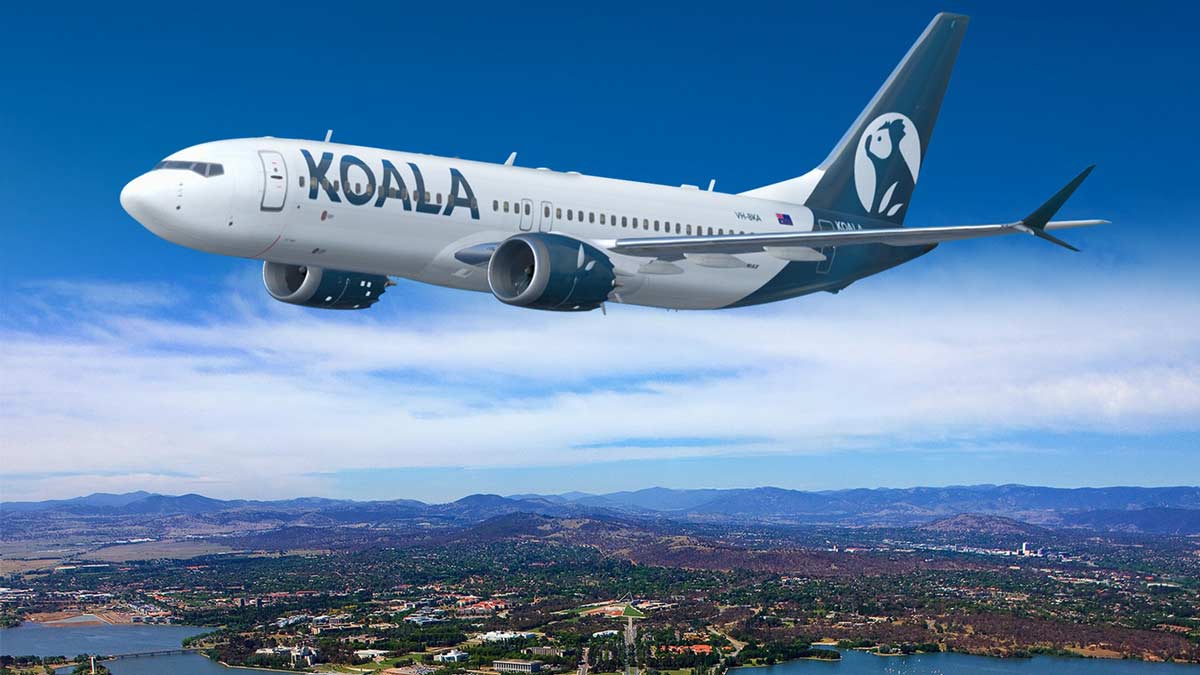
Then there is the aircraft itself. A Boeing 737 MAX might work between major gateways, Adelaide and high-volume tourist destinations. It is a lot of aircraft to fill on thinner tourism routes, particularly outside peak travel periods.
Show me the contracts! Koala needs more than expressions of interest from ten airlines. It needs signed, long-term contracts with minimum revenue guarantees. Otherwise Koala bears the commercial risk while surrendering much of the retail margin to its partners.
Aircraft and certification unresolved
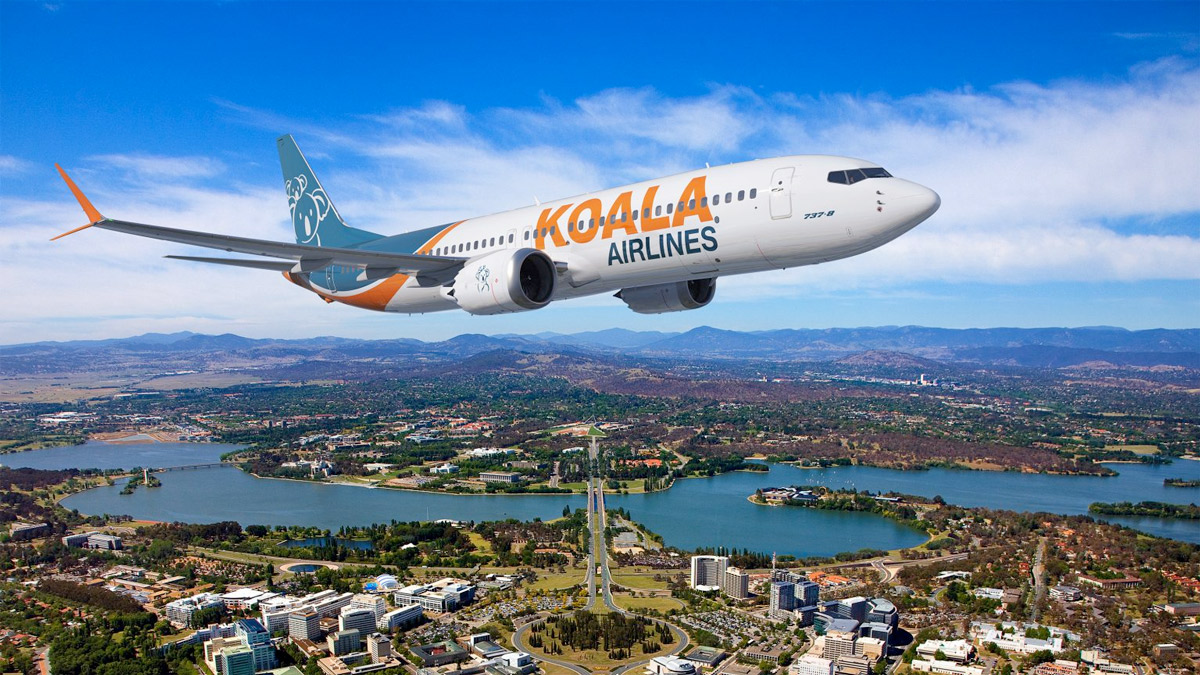
Koala says it has lease arrangements covering three Boeing 737 MAX aircraft. However, the airline’s existing Air Operator’s Certificate comes from the much smaller Desert Air Safaris operation.
CASA has placed that certificate under a direction not to operate because flying large passenger jets is considerably different from operating the aircraft covered by the previous business. Koala acknowledges that further criteria must be met before CASA approves Boeing 737 operations.
If that is the case, then the end-of-2026 launch target should be treated very cautiously.
A serious competitor?
Koala continues to describe itself as a potential ‘credible third-airline presence’ in Australia. That description now looks like a bit of a stretch.
2PAXfly Takeout
I have my pop-corn ready, because I think there is still more to this story. On a more positive note, I wish them luck, and just hope that they have one or more financial investors with deep pockets behind them. A shortage in that area has seen most potential competitors go down the tube. From most recently Bonza, way back to Compass.








What did you say?