











TURKISH AIRLINES: Sydney to Singapore to start in October 2026
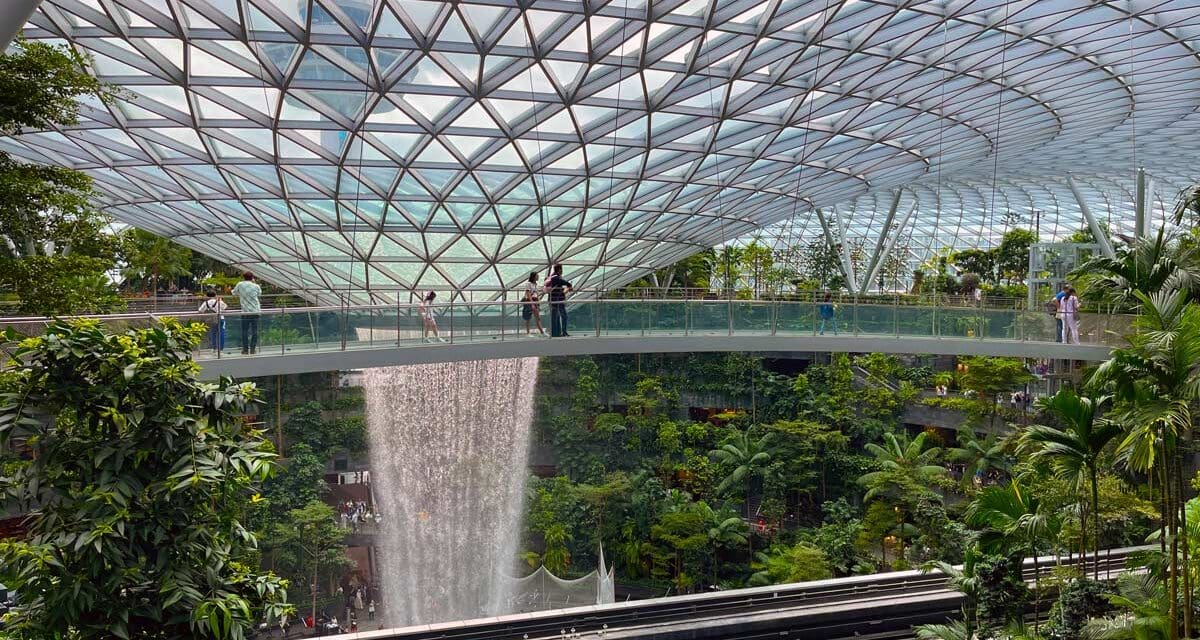
Turkish Airlines is moving its Sydney stopover from Kuala Lumpur to Singapore from 26 October 2026, creating a new five-times-weekly Sydney–Singapore service using an Airbus A350-900.
More importantly, Turkish says it will sell tickets for the Sydney to Singapore sector independently. That makes this a genuine fifth-freedom flight and adds another full-service competitor to a busy route already served by Singapore Airlines, Qantas, British Airways and low-cost carrier Scoot.
It is good news for competition. The timetable, however, appears to have been designed by someone who thinks 2.50 am is a perfectly reasonable time to arrive anywhere. Actually, its more about the timing of the flights between Istanbul and Singapore that determine that very early morning arrival in Singapore.
The Sydney–Singapore schedule
The new routing replaces Turkish Airlines’ existing Istanbul to Kuala Lumpur and on to Sydney flights for the northern winter schedule, currently filed from 26 October 2026 until 27 March 2027.
The flights also change numbers from TK174 and TK175 to TK22 and TK23.
| Flight | Route | Departure | Arrival |
|---|---|---|---|
| TK22 | Singapore–Sydney | 20.30 | 07.25 |
| TK23 | Sydney–Singapore | 21.35 | 02.50 am next day |
For passengers continuing to Istanbul, TK23 leaves Singapore again at 4.35 am and arrives at Istanbul Airport at 11.10 am. In the other direction, TK22 departs Istanbul at 3.20 pm, arrives in Singapore at 6.50 am the following morning and continues to Sydney at 8.30 am.
The schedule makes reasonable sense as an Istanbul service. It is less appealing for passengers terminating in Singapore. A 2.50 am arrival means paying for a hotel night you will barely use, or hanging around Changi until public transport wakes up, or attempting to persuade your hotel that a 4 am is a perfectly respectable check-in time.
The return departure at 8.30 am doesn’t work that well either. Sydney bound passengers will need to be at Changi around 6 am, although the evening arrival into Sydney is convenient.
Airbus A350, but no premium economy
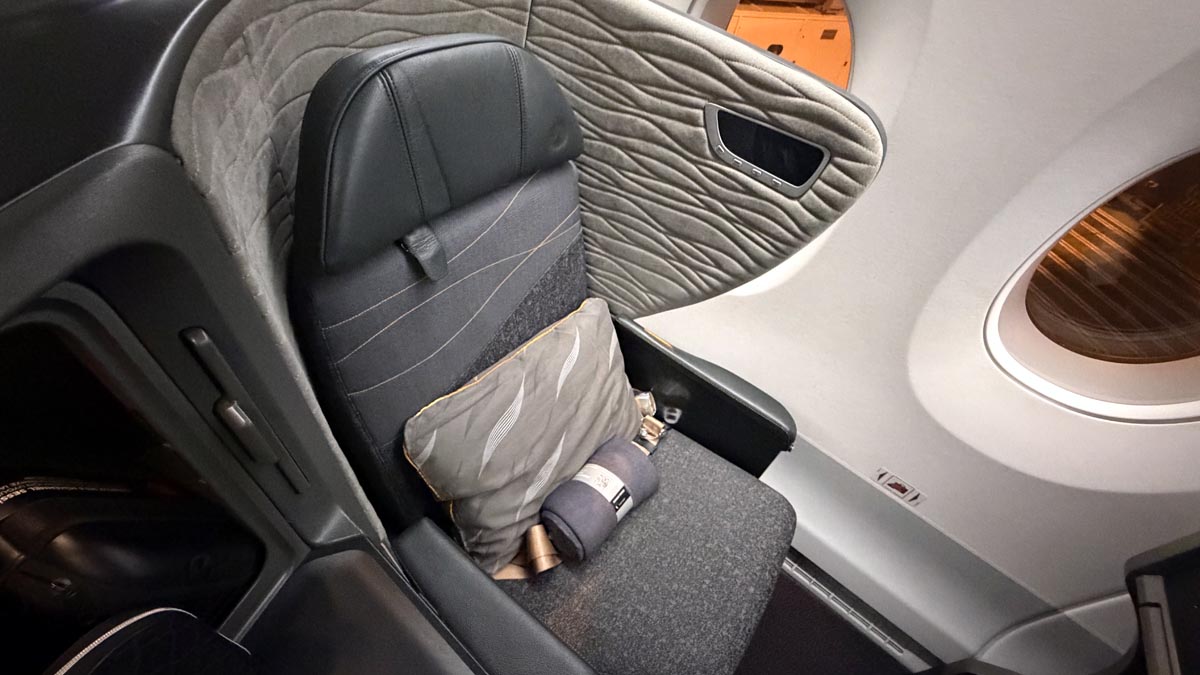
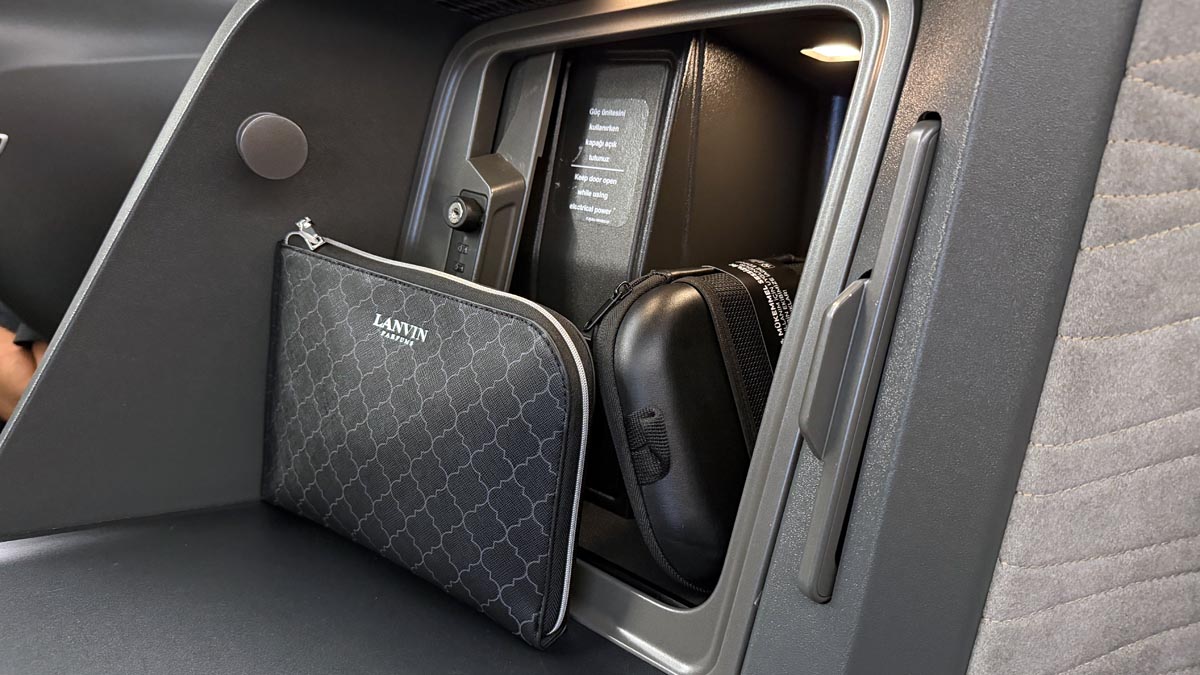
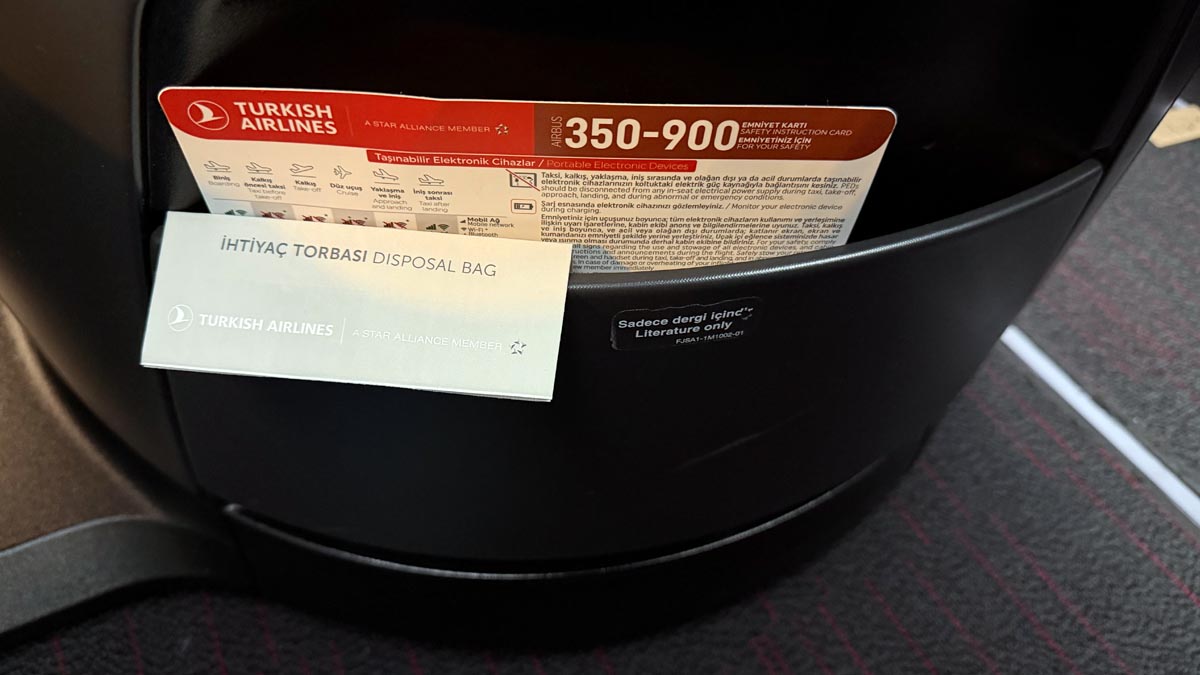
Turkish Airlines has filed the Airbus A350-900 for the route. The aircraft currently used for Sydney services has 32 lie-flat Business Class seats and 297 Economy seats. There is no Premium Economy cabin, despite Turkish confirming that it intends to reintroduce the class on future aircraft.
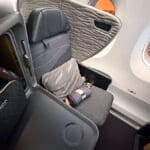
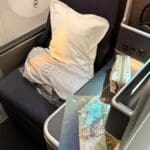
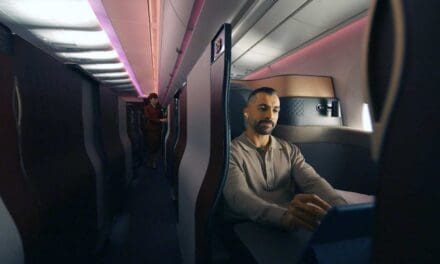
Business Class passengers get direct aisle access, an onboard chef and Turkish Airlines’ generally impressive catering. The seat itself is private and visually attractive, although, as I discovered on my recent Sydney–Kuala Lumpur–Istanbul–London trip, its charms begin to fade after sitting in it for several hours. You can read my first impressions, with a more detailed review to come later in 2026.
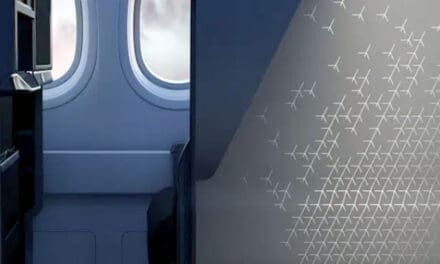
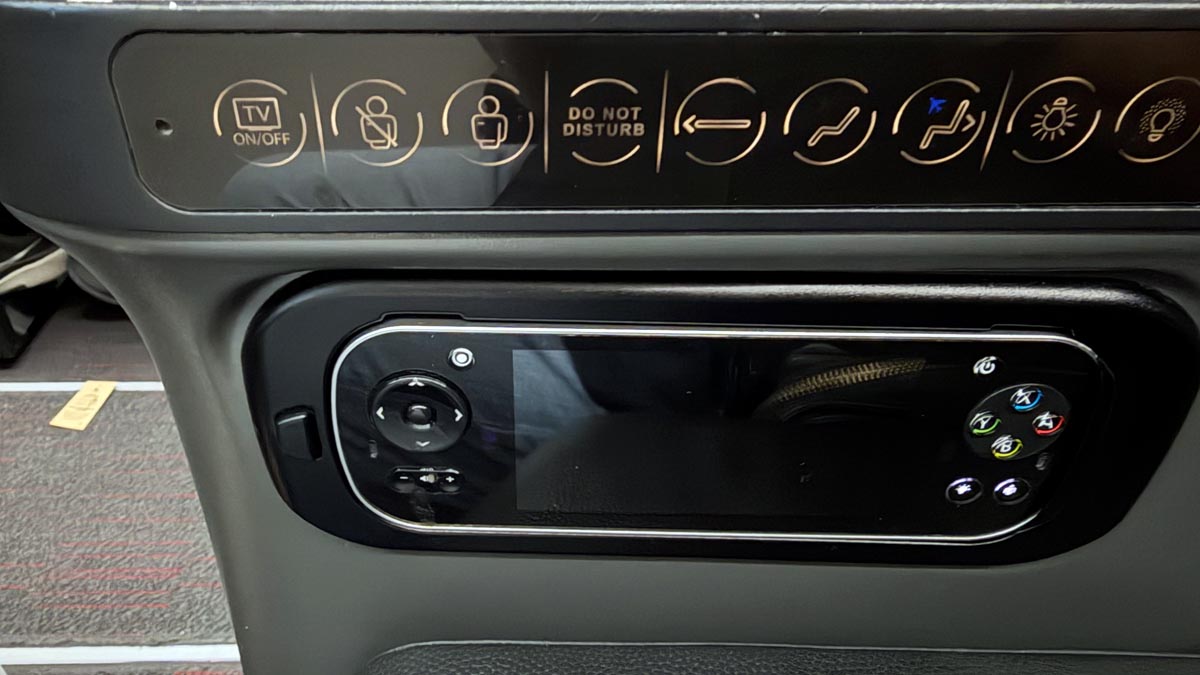
The recline controls offer surprisingly little flexibility, the footwell can be restrictive for side sleepers and the privacy wing beside some window seats succeeds mainly in blocking the window. On the plus side, the food was very good, while the crew operating Kuala Lumpur–Istanbul were excellent—warmer and more attentive than those on my initial Sydney sector.
Changi lounge options
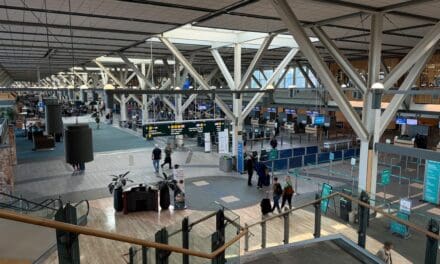
Turkish Airlines uses Terminal 1 at Changi and directs eligible passengers to the Marhaba Lounge. I’ve not visited this lounge, but by reports It’s more serviceable rather than memorable.
Business Class passengers and Star Alliance Gold members can instead travel airside to Singapore Airlines’ lounges in Terminal 3. Business passengers can use the SilverKris Lounge, while status passengers travelling in Economy can access the KrisFlyer Gold Lounge. Allow additional time for the terminal transfer.
Interim before non-stop Istanbul flights
The Singapore rerouting is effectively another interim arrangement while Turkish waits for the aircraft needed to fly non-stop between Istanbul and Sydney.
Those non-stop services were initially promised for late 2026 but have now slipped until the end of 2027. Turkish plans to use a specially configured A350-1000 with 66 Crystal Business Class suites and a premium-heavy layout. Melbourne is not expected to receive its non-stop service until sometime in 2028.
Moving Sydney from Kuala Lumpur to Singapore consolidates Turkish Airlines’ Australian stopovers at a larger hub where it already operates Melbourne flights. It also lifts Turkish’s overall Singapore schedule from 17 to 22 weekly services while reducing Kuala Lumpur from 19 to 14.
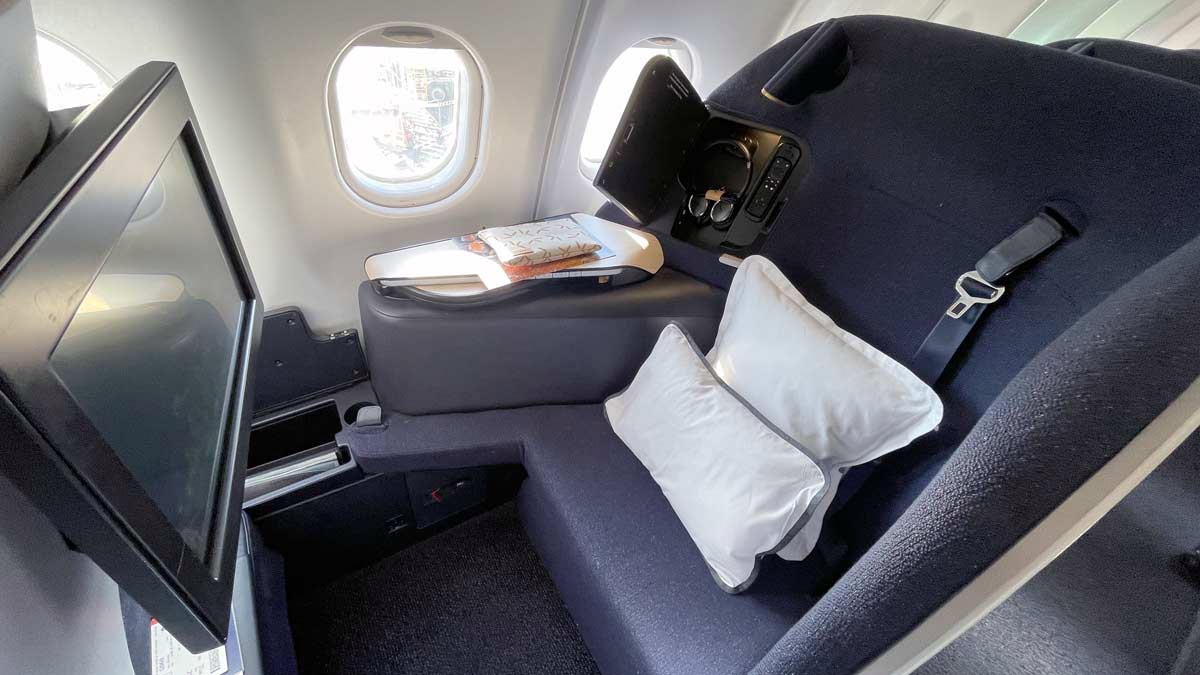
The other downside is you probably won’t be able to book a codeshare flight on Qantas, on QF82 as I did. It meant my final return flight on my Turkish fare was on a dry-leased Finnish A330 with those great non-reclining Business Class AirLounge seats.
2PAXfly Takeout
Turkish Airlines servicing the Sydney/Singapore route is welcome. More airlines generally mean more seats, more fare competition.
The A350 offers a credible full-service product, particularly in Business Class, even though I remain unconvinced by the seat’s ergonomics. As I wrote after flying Turkish earlier this year, a good day on Turkish can beat a bad day on Emirates. The food is certainly capable of beating most airlines.
But this schedule is primarily designed to carry passengers between Australia and Istanbul. Anyone actually visiting Singapore receives the airline equivalent of being deposited outside a nightclub after closing time.
But, if the price is right …




What did you say?