


















ZINC AIRLINES: Australia’s would-be Ryanair hits its first patch of clear air turbulence
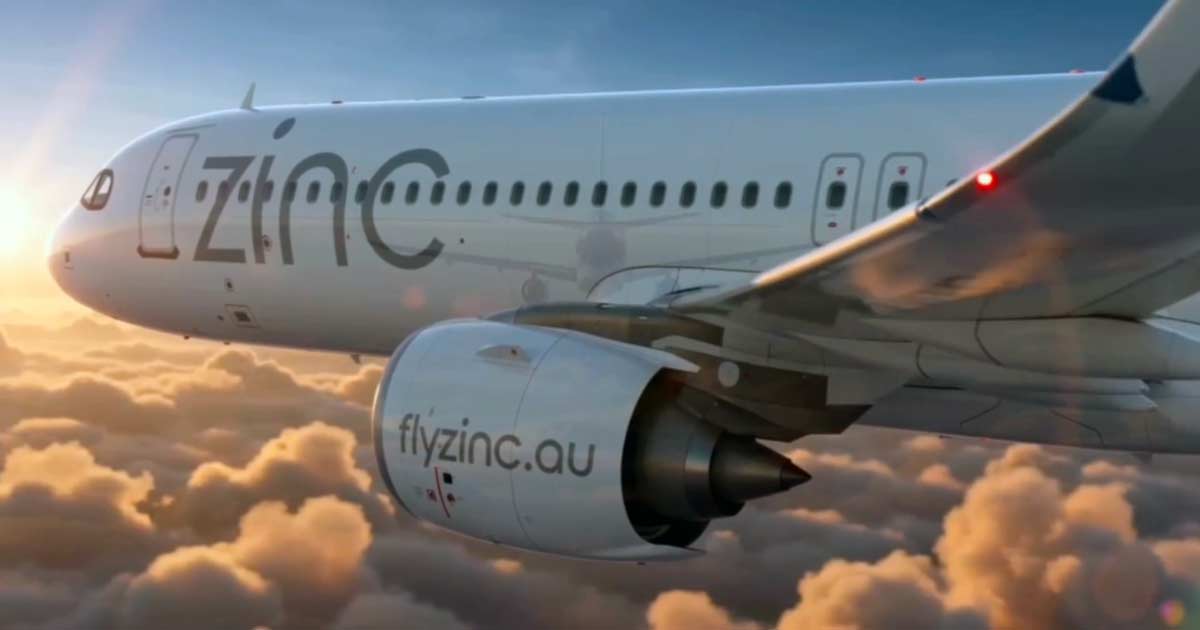
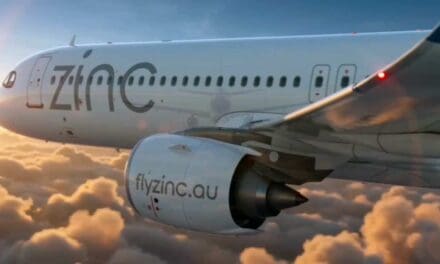
When 2PAXfly first wrote about Zinc Airlines in May 2026, the proposed ultra-low-cost carrier had a simple pitch. That was to raise $200 million, base itself at Western Sydney International Airport, fill Airbus A321neos with up to 232 passengers and sell fares below Jetstar’s prices.
Two months later, its already got more complicated.
Zinc is now targeting an early 2028 launch and AU$30 million more. More significantly, founder Peter Kelly is modelling older Airbus A320ceo and A321ceo aircraft because the preferred new A321neos are very hard to find.
Zinc calls this contingency planning, but we call this reality.
The A321neo fantasy
Zinc’s original model depended on new, fuel-efficient A321neos, a single fleet and aircraft flying for at least 12 hours a day. Crews and aircraft would return to their bases each night, while passengers paid extra for bags, seats, food, flexibility and almost everything beyond breathing. You know, the Ryanair model.
The difficulty is that every other low-cost airline also wants A321neos. Airbus had a commercial aircraft backlog exceeding 9,000 at the end of March 2026. Early delivery positions are scarce, and given demand, leasing available aircraft is unlikely to be cheap.
Older A320ceos and A321ceos may be easier to obtain, but they burn more fuel, may require greater maintenance and could need new seats, cabins and toilets. The smaller A320 would also spread each flight’s costs across fewer passengers.
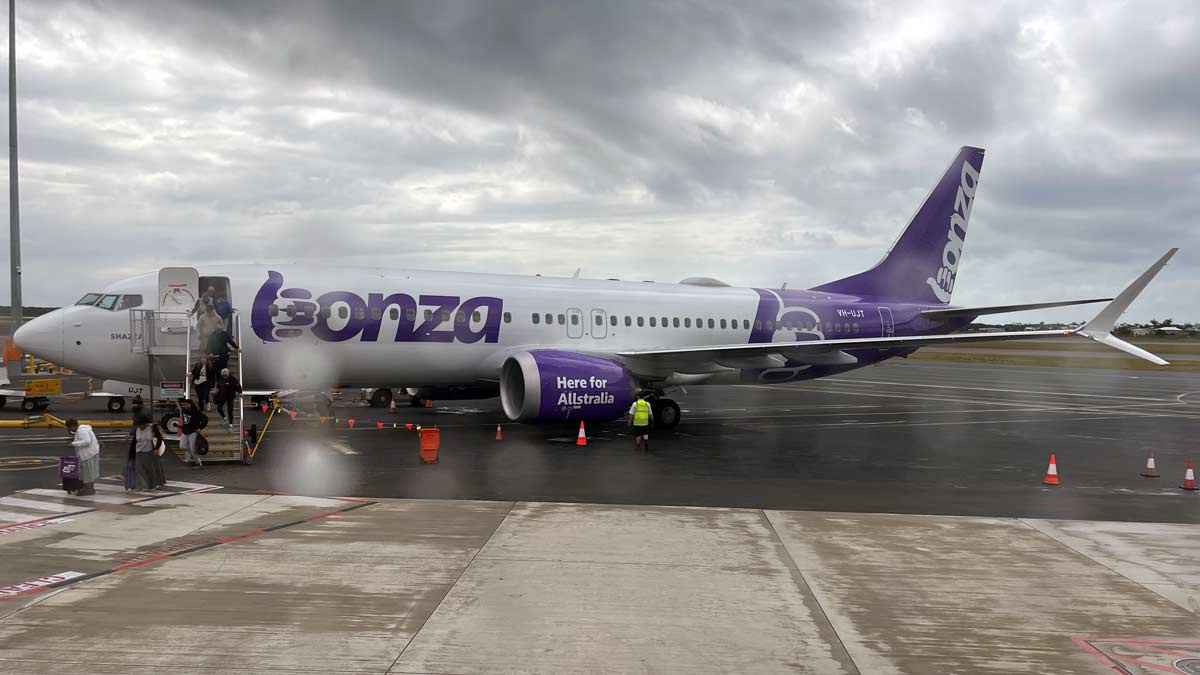
Kelly says this requires considerable additional modelling. Quite. Zinc’s entire proposition is being cheaper than Jetstar without ending up like the now defunct Bonza.
Western Sydney remains the clever part
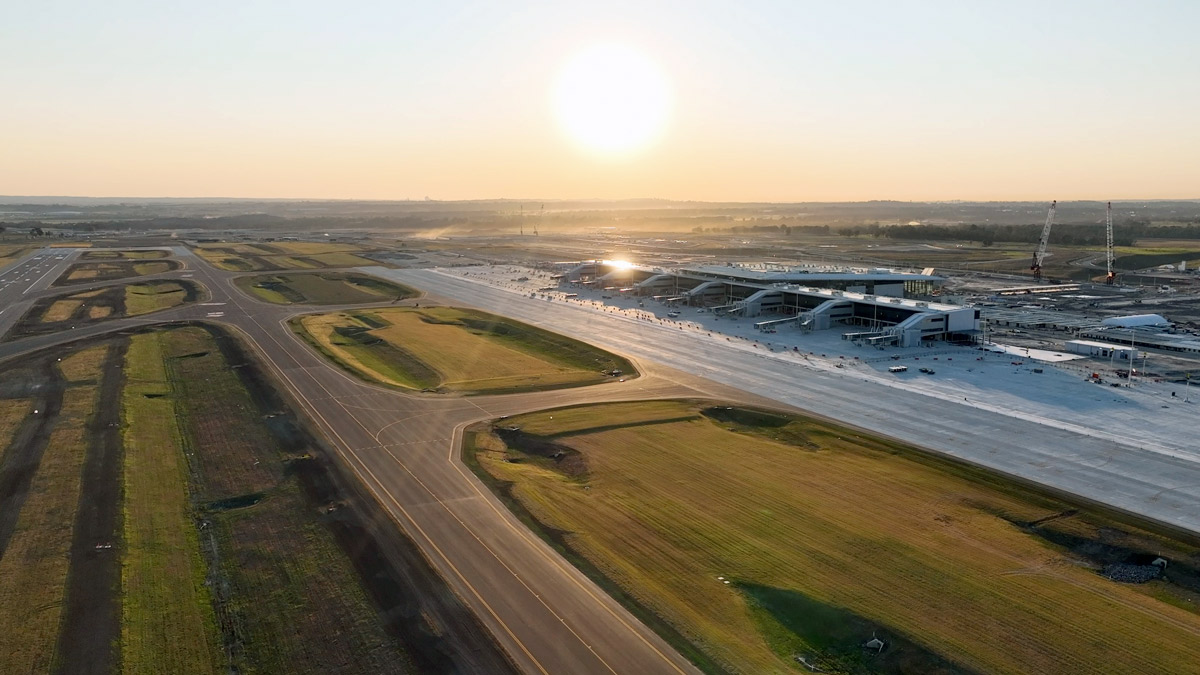
The strongest part of Zinc’s plan remains Western Sydney International Airport.
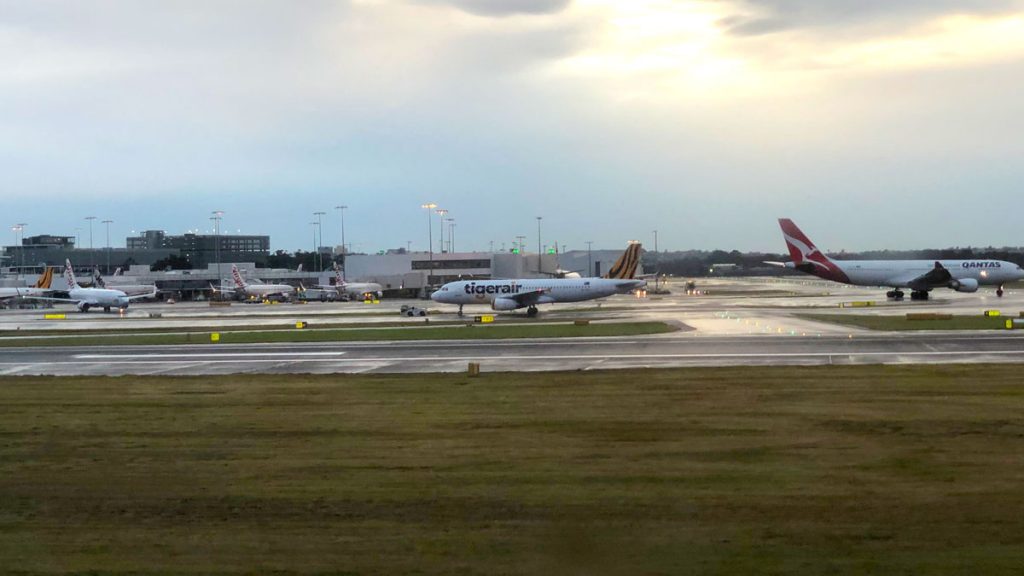
Sydney Airport is regarded as hostile territory for new entrants. Slots are scarce, peak periods are congested, the airport is curfewed, and the incumbents already possess the gates, lounges, schedules and corporate contracts.
Western Sydney offers available capacity, 24-hour operations and a large local population that will no longer need to cross the city to reach Mascot. By Zinc’s proposed 2028 launch, the airport should also be established rather than merely photographed with smiling politicians.
This does not mean Zinc will have Western Sydney to itself. Jetstar will begin passenger services when WSI opens on 25 October 2026, flying to Melbourne, Brisbane and the Gold Coast. QantasLink follows in March 2027.
Jetstar will therefore have more than a year to establish routes, schedules and customer recognition before Zinc’s first flight. The Qantas Group is unlikely to greet its arrival with a fruit basket. Well, not at least without a capacity war plan
A better model than Bonza?
Zinc’s focus on large routes such as Western Sydney–Melbourne and Western Sydney–Brisbane could be more enduring than Bonza’s scattered collection of thin, low-frequency leisure services.
Its proposed single-family fleet is also cleaner than Rex’s attempt to bolt a Boeing 737 capital-city operation onto a regional turboprop airline. And that’s without the boardroom hijinx that some regard as coming with it.
But concentrating on major routes means a hard confrontation with Qantas, Jetstar and Virgin Australia directly. And Qantas, arguably due to Alan Joyce, has deep pockets, well of credit at least. Those airlines can match fares, increase capacity, deploy loyalty programs and wait while a newcomer burns through its investors’ money.
Australia has seen the routine before. Compass collapsed twice. Impulse was absorbed into Qantas. Tigerair was closed by Virgin Australia. Bonza lasted about 15 months. Rex grounded its capital-city Boeing 737 operation in July 2024.
Virgin Blue, now Virgin Australia is the notable survivor, helped enormously when Ansett collapsed and left half the domestic market vacant. Zinc can not rely on Qantas or Virgin providing a similar courtesy.
More proposed airlines than actual competitors
Zinc is also not the only would-be newcomer. VietJet has reportedly applied for an Australian Air Operator’s Certificate and secured a bunch of Sydney Airport slots. It already operates a substantial Airbus fleet and has experience creating international subsidiaries.
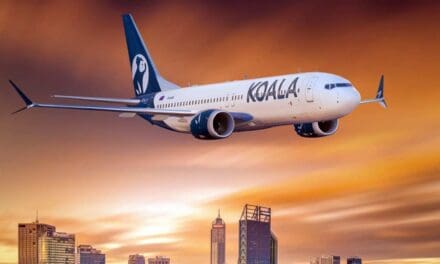
Koala Airlines has meanwhile moved away from a conventional domestic challenge. As we reported recently, it now proposes charter and feeder services for overseas airlines rather than another frontal assault on the duopoly.
Zinc remains the clearest proposal for a genuinely independent, high-frequency ultra-low-cost domestic airline. But it is just a proposal. It still needs funding, aircraft, staff, airport agreements, regulatory certification and enough cash to survive the inevitable incumbent response.
2PAXfly Takeout
In April 2026, Qantas, Jetstar and Virgin Australia carried 98.5 per cent of domestic passengers. Qantas had 34.9 per cent, Virgin Australia 33.3 per cent and Jetstar 30.3 per cent. Rex was left with 1.5 per cent.
That is a duopoly wearing three uniforms. Australia still needs a serious third competitor to maintain meaningful competition, especially on price.








What did you say?