


















QANTAS: Looking at Superjumbo A380 replacement
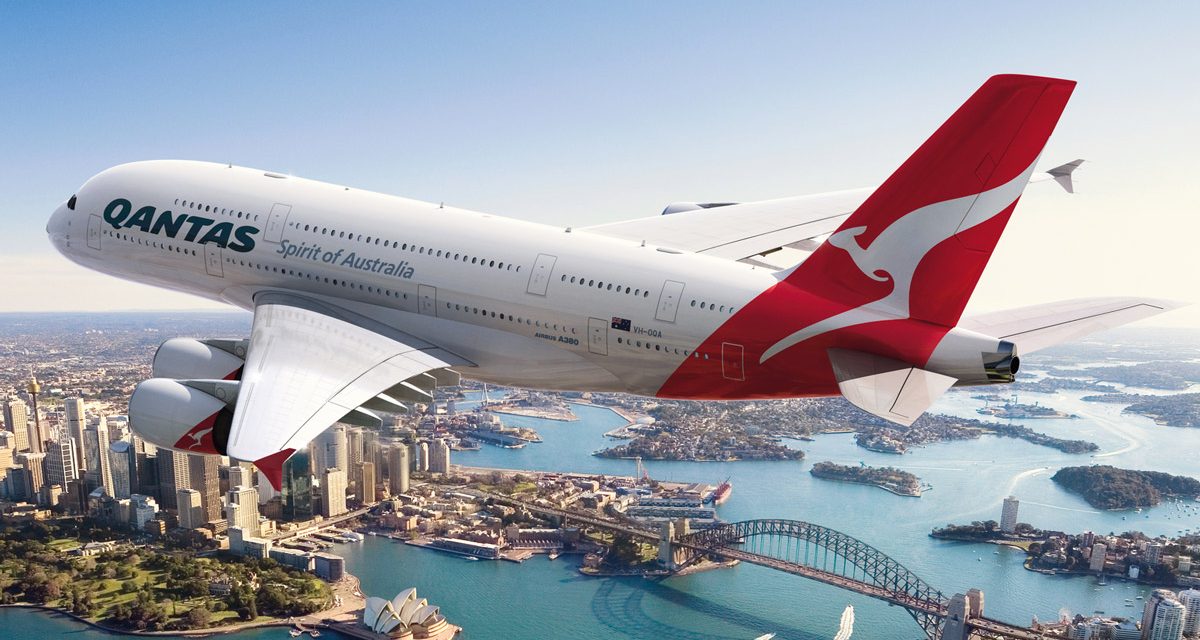
Qantas is reportedly considering an order for about 20 additional widebody aircraft, potentially setting up another contest between Airbus and Boeing for a large slice of the airline’s international fleet.
According to Reuters aviation correspondent Tim Hepher, Qantas is discussing either additional Boeing 787 Dreamliners or the Airbus A350-900 with both manufacturers. The negotiations remain confidential, no decision has been made, and Qantas says it has no new aircraft order to announce.
That probably means quite a lot may be happening behind the hangar doors.
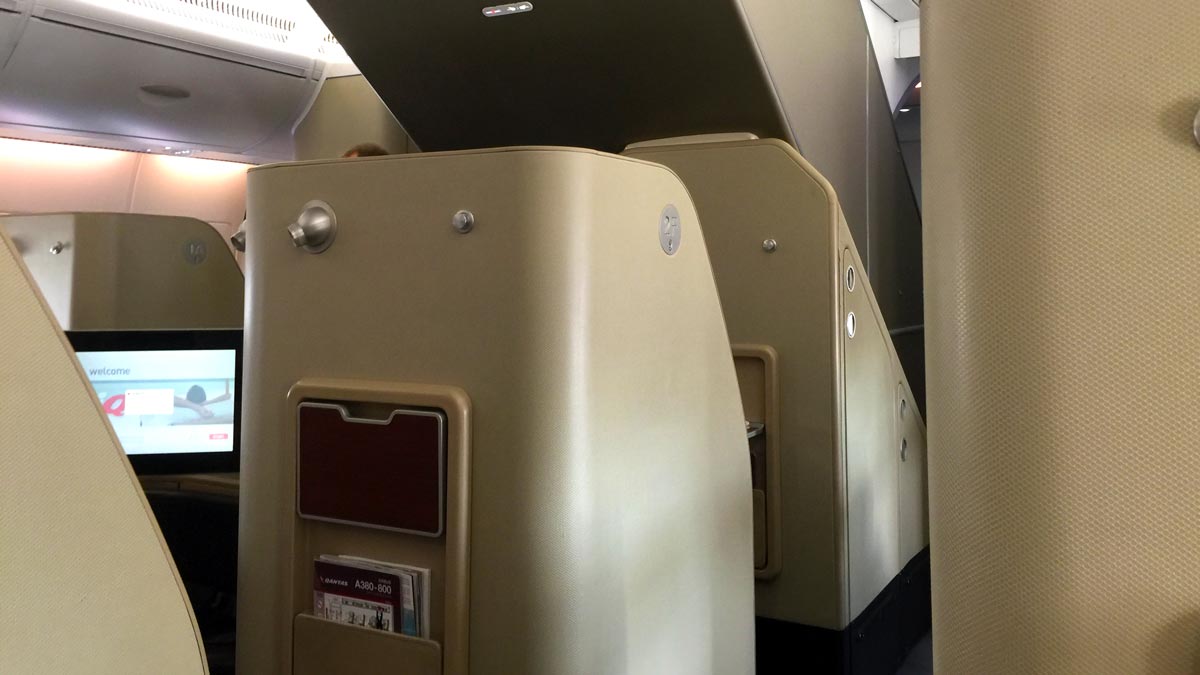
Qantas needs more long-haul aircraft
The potential order forms part of Qantas’ enormous fleet renewal program, covering about 200 aircraft across the group.
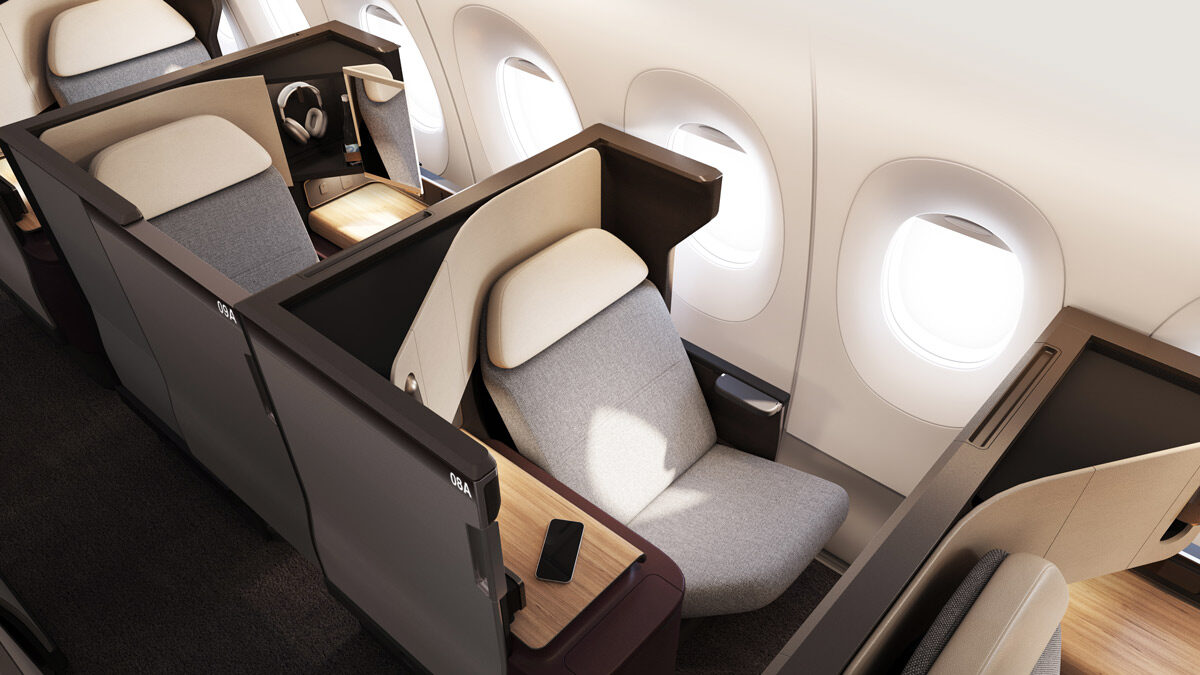
Qantas has been focusing public attention on the Airbus A350-1000ULR aircraft being built for Project Sunrise. Those specially modified jets will fly non-stop from Sydney to London and New York, on 20+ hour flights.
Project Sunrise is just one part of Qantas’ international fleet planning.
The airline must also replace its workhorse Airbus A330s, which operate routes across Australia, Asia and the Pacific. It also needs to prepare for the eventual retirement of the Airbus A380 fleet. The replacement needs to be capable of flying conventional long-haul routes efficiently, rather than every long-haul jet being designed to reach London without stopping.
Boeing already has a foot in the door
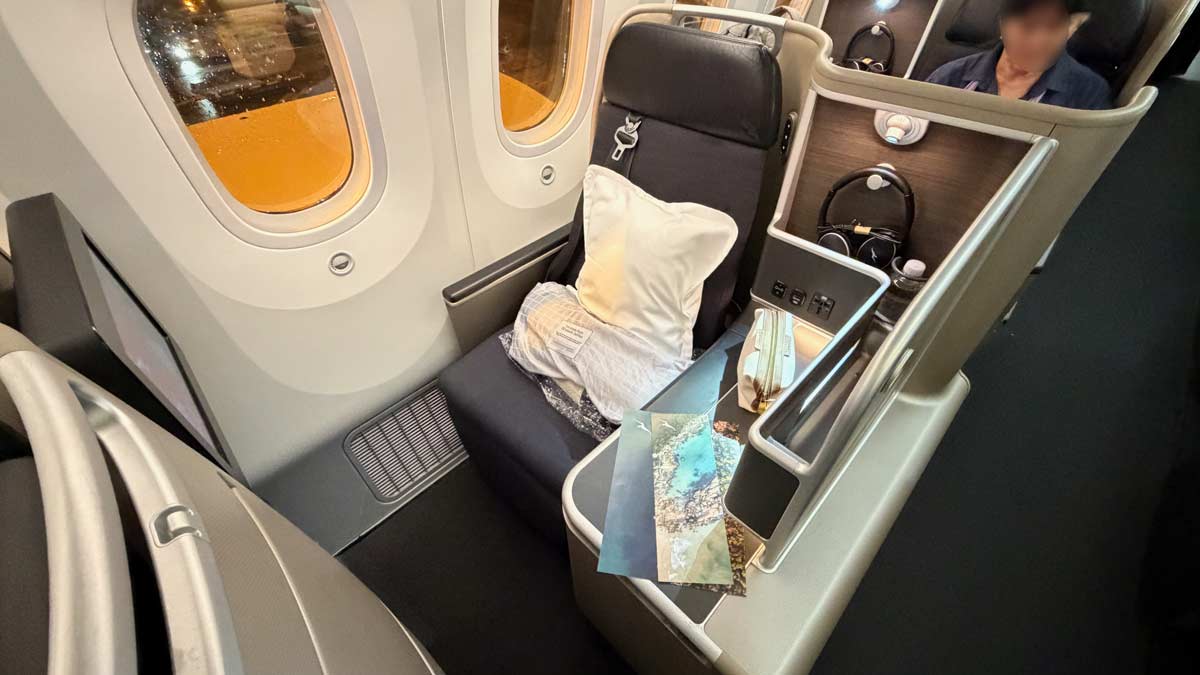
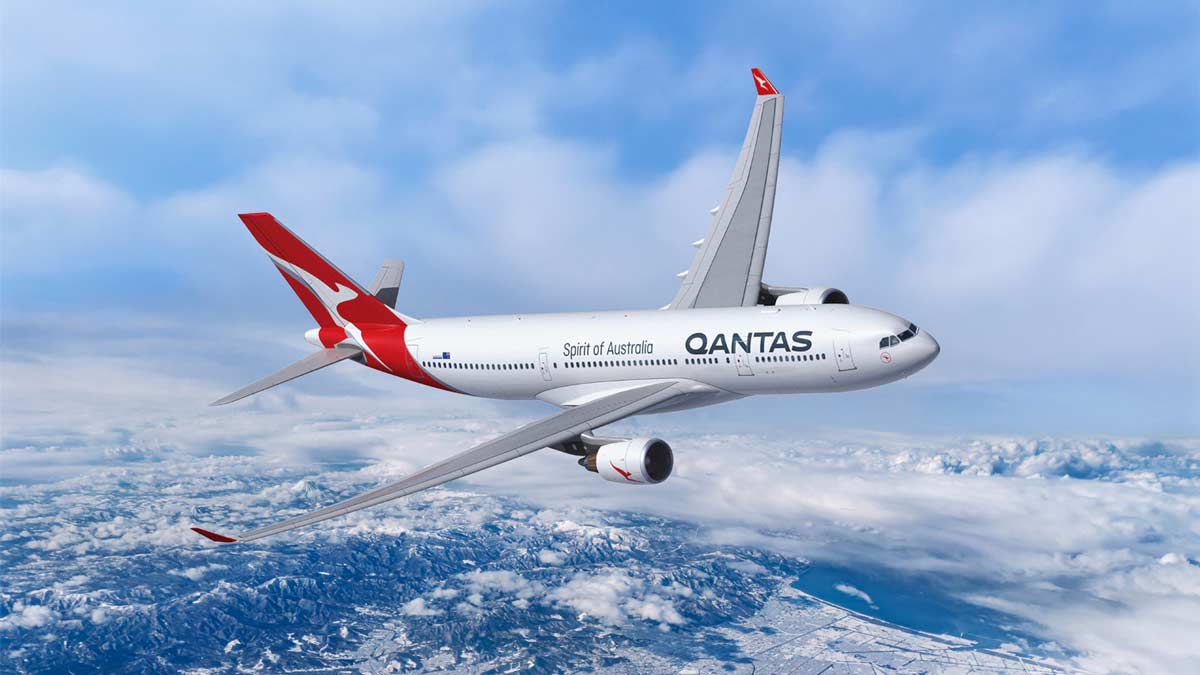
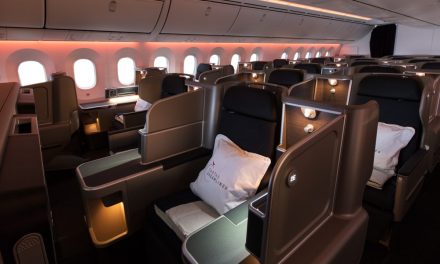
Qantas currently operates 14 Boeing 787-9 Dreamliners, configured with 42 Business, 28 Premium Economy and 166 Economy seats. It originally had a lot more 787s on order until Alan Joyce cancelled them.
It already has another 12 Dreamliners on order made up of four 787-9s and eight larger 787-10s. Deliveries are expected from the 2028 financial year, with the aircraft progressively replacing the fleet’s A330s.
The 787-9 offers the range needed for services to destinations including Europe and North America, while the larger 787-10 carries more passengers but cannot fly as far. That makes it particularly useful for busy services within Asia and potentially some shorter long-haul routes.
Ordering more 787s would offer Qantas obvious benefits. It already operates the aircraft, has trained pilots and engineers, and will already be receiving more of them. Adding further Dreamliners could simplify fleet planning while allowing the airline to use different versions across a wide range of routes.
It would also avoid introducing yet another aircraft subtype into an international fleet that will already include A330s, A350-1000s, A380s and two versions of the 787.
Airbus is offering the smaller A350
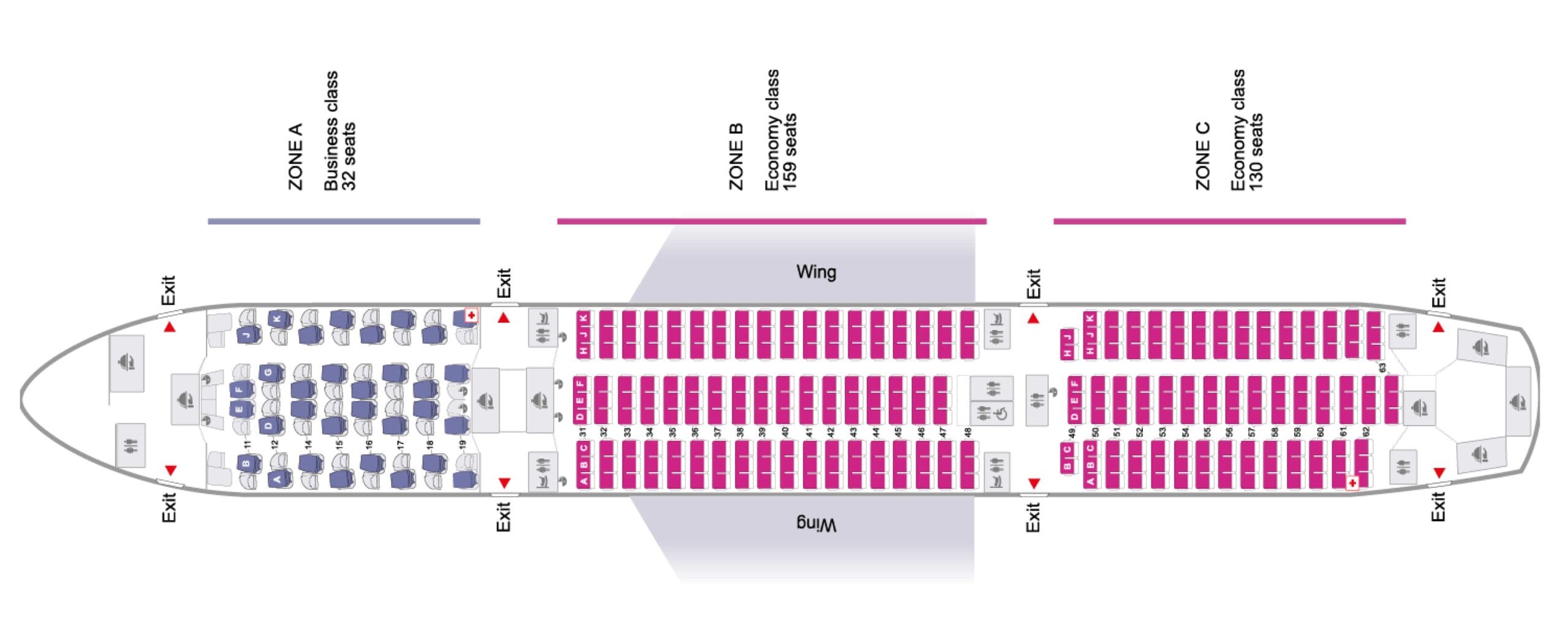
The alternative under consideration is reportedly the Airbus A350-900.
This is important because it is not the same aircraft as Qantas’ incoming A350-1000s. The A350-900 is the smaller and more widely operated member of the family, sitting broadly in the same long-haul market as the Boeing 787-9.
For Qantas, ordering A350-900s could create a larger Airbus widebody family alongside the A350-1000. Pilots cannot simply swap between aircraft without appropriate training and qualifications, but common systems and cockpit design can still provide operational advantages.
The A350-900 also offers substantial range and capacity, making it suitable for routes to Asia, North America, South Africa and Europe. Depending on Qantas’ eventual cabin layout, it could replace larger A330 services or support international network growth.
Qantas has not previously ordered the standard A350-900. It already has 24 of the A350-1000s on order: 12 ultra-long-range Project Sunrise aircraft and 12 standard long-range versions announced as part of its wider fleet renewal.
Existing options could speed up a deal
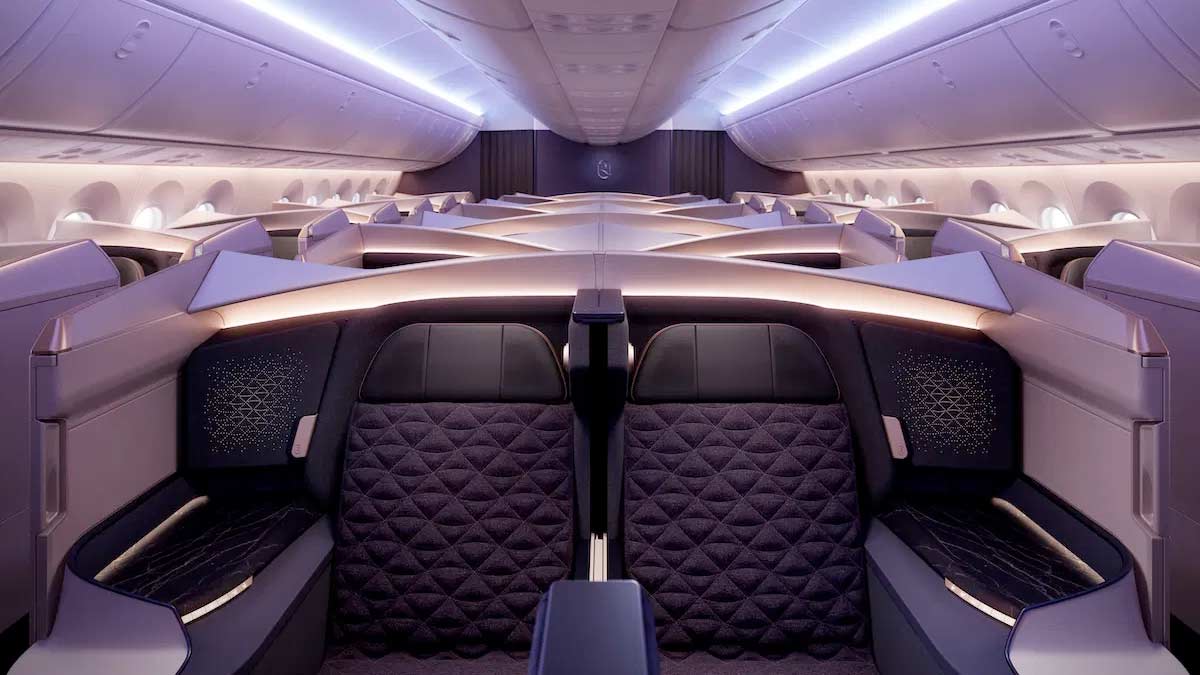
Reuters reports Qantas holds additional aircraft purchase options divided between Airbus and Boeing, and that some of these could be exercised as part of the latest discussions.
Options give an airline the right to order more aircraft under previously negotiated commercial arrangements. They can be particularly valuable when manufacturers’ delivery books are full, and airlines are competing for production positions many years in advance.
Delivery availability matters. Qantas may be deciding not only which aircraft best suits its network, but also which manufacturer can actually deliver enough of them when required.
Airlines worldwide are ordering new widebody jets while Airbus and Boeing continue to manage supply-chain and production constraints. Securing delivery slots has become almost as important as negotiating the price.
Project Sunrise is already running late
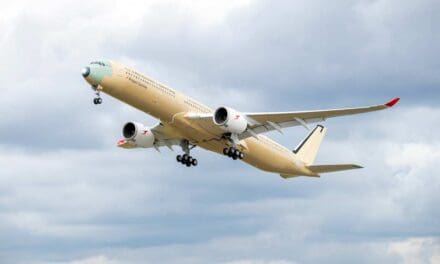
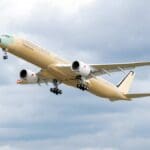
The possible order comes as Qantas’ first specially modified A350-1000ULR begins flight testing in France.
The aircraft completed its maiden flight in early June, marking a significant milestone for Project Sunrise. However, its delivery has slipped by about four months and is now expected in April 2027.
Qantas plans to initially operate the aircraft between Sydney and London and Sydney and New York. The delay illustrates why long-term fleet planning must happen years before passengers see a new aircraft at the gate.
For passengers
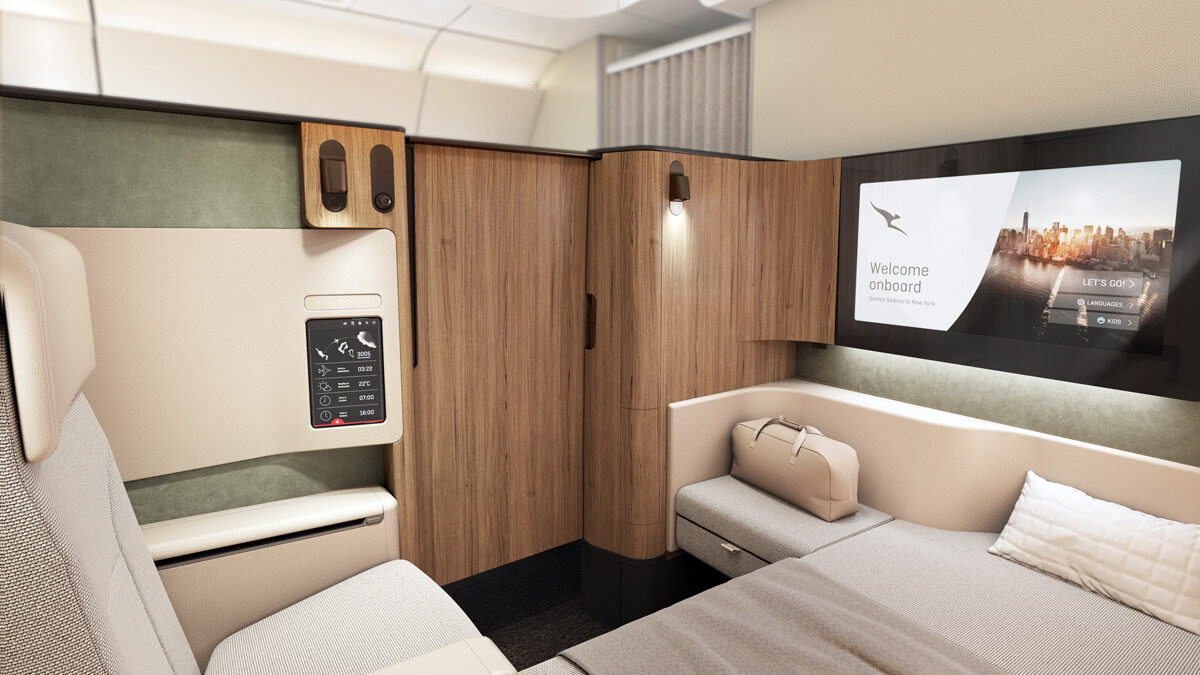
For travellers, another widebody order would eventually mean newer cabins, quieter aircraft and a greater likelihood of direct international services.
It could also give Qantas enough aircraft to expand rather than merely replace its existing fleet. That might support additional frequencies to major destinations, new long-haul routes, or the return of capacity removed during recent disruptions.
2PAXfly Takeout
There is nothing groundbreaking here. With aircraft lead times running close to half a decade, and new aircraft manufacture, testing and certification running to at least a decade, aircraft need to be ordered early. Qantas has already announced it intends to retire the A380 in the 2030s. So, it has to get a move on with an order.
Boeing can provide continuity by delivering more 787s. Airbus can offer the broader A350 family built around the aircraft Qantas has already selected for Project Sunrise and future long-haul operations.
Price, delivery timing, manufacturer support and fleet flexibility will probably determine the winner.
Passengers will mourn the loss of the A380, as its a favourite with those who have travelled on it, including me. Much as I would like to happen, the re-animation of the A380 project, unless airlines overwhelming demand it, is a fantasy.
My bet is actually on a combination of the 787 and the A350 family. So there.






What did you say?