




















CHINESE AIRLINES: 2026 guide to which airline is best

I was really surprised when I looked at the 2PAXfly reader statistics and found that an article about which Chinese Airlines were best was one of 2PAXfly’s most popular posts. That was nearly 18 months ago, so time to update my choices.
When I first wrote this guide in January 2025, Chinese airlines were still rebuilding their Australian networks after the pandemic. Eighteen months later, in August 2026, they are back with a vengeance.
There are now more flights, more Australian gateways and, crucially, some seriously competitive fares, particularly if you are heading beyond China to Europe.
The problem remains the same: Air China, China Eastern, China Southern, Hainan, XiamenAir, Sichuan, Tianjin, and Juneyao can all start to blur into one large red-and-gold airline after a few minutes on Google.
You will notice that Cathay Pacific is not listed. It’s kind of a special case as a legacy airline originally based in the British Crown colony of Hong Kong. To put it politely, Hong Kong was a colonial legacy ‘acquired’ by the British from, and then returned to China.
So, which airline should you choose in 2026?

The Chinese airlines are back
Australia–China capacity has recovered substantially and, in some cases, expanded beyond its pre-pandemic levels.
China Southern now flies to its Guangzhou hub from Sydney, Melbourne, Brisbane, Perth, and Adelaide. Importantly, Adelaide–Guangzhou has become a year-round operation. Previously, it flew three times weekly, with additional flights during peak periods.
China Eastern has also expanded. Its established Shanghai services from the east coast were joined in June 2026 by Adelaide–Shanghai, operated with an Airbus A350-900. The first seasonal run ended on 2 August, but China Eastern has already confirmed another three-times-weekly season between 17 December 2026 and 16 February 2027.
Juneyao Air is no longer the interesting new kid I described in the 2025 version. Its Shanghai–Sydney service celebrated its first anniversary late last year after carrying more than 100,000 passengers, and it also serves Melbourne.
Meanwhile, taking Sydney as an example, airlines servicing the city include Air China, Hainan, Sichuan Airlines, Tianjin Airlines, and XiamenAir, plus China Eastern, China Southern, and Juneyao.
Qantas, however, still isn’t flying passengers directly between Australia and mainland China. That leaves the Chinese carriers with the field largely to themselves.

Cheap fares remain the attraction
Chinese airlines can undercut Qantas, Singapore Airlines, Cathay Pacific and the Gulf carriers dramatically, particularly between Australia and Europe.
I an no longer quoting fixed fares because Chinese airline pricing has, in line with its competitors become much more dynamic. The bargain you saw today may disappear tomorrow.
But return Economy fares to Europe around the AU$1,000–$1,500 mark still appear, and discounted Business Class can undercut the traditional Asian and Middle Eastern carriers by several thousand dollars.
That’s why these airlines deserve consideration.

Service: better than the stereotype, but…
In the original article I rather delicately asked: “But their service is sh*t?” The answer has changed.
Modern Chinese airlines generally operate young widebody fleets, including Boeing 787s and Airbus A350s. Seats can be excellent, particularly in Business Class.
The weaknesses tend to appear elsewhere.
English-language entertainment can be limited. Catering is understandably designed primarily around Chinese tastes. English proficiency among crew varies more than you might experience on Singapore Airlines, Cathay Pacific or Qantas.
And the biggest concern isn’t necessarily what happens when everything goes right. It’s what happens when it goes wrong.
Schedule changes, refunds, disrupted connections and dealing with call centres remain the areas where you need to be most cautious. That’s worth remembering before saving $300 on an Economy fare — or $3,000 in Business.

Hainan Airlines — still the quality leader
Hainan remains the pick among the mainland Chinese carriers for pure onboard quality, according to online feedback. Remember, I have not flown on all these airlines, although I hope to.
Skytrax continues to certify Hainan as a five-star airline, putting it alongside airlines including Singapore Airlines, Cathay Pacific, ANA, Qatar Airways and EVA Air.
It also won Best Airline in China, Best Airline Staff Service in China and World’s Best Business Class Comfort Amenities at the 2025 Skytrax awards.
From Australia, Hainan’s principal attraction is access to China via Haikou from Sydney and Melbourne.
Its weakness for Australians travelling to Europe is geography. Haikou, on Hainan Island in southern China, isn’t nearly as natural a European transit point as Guangzhou, Shanghai, or Beijing.
Verdict: If China itself is your destination and Hainan’s schedule works, for all-round comfort and service, this is the first choice among mainland Chinese options.
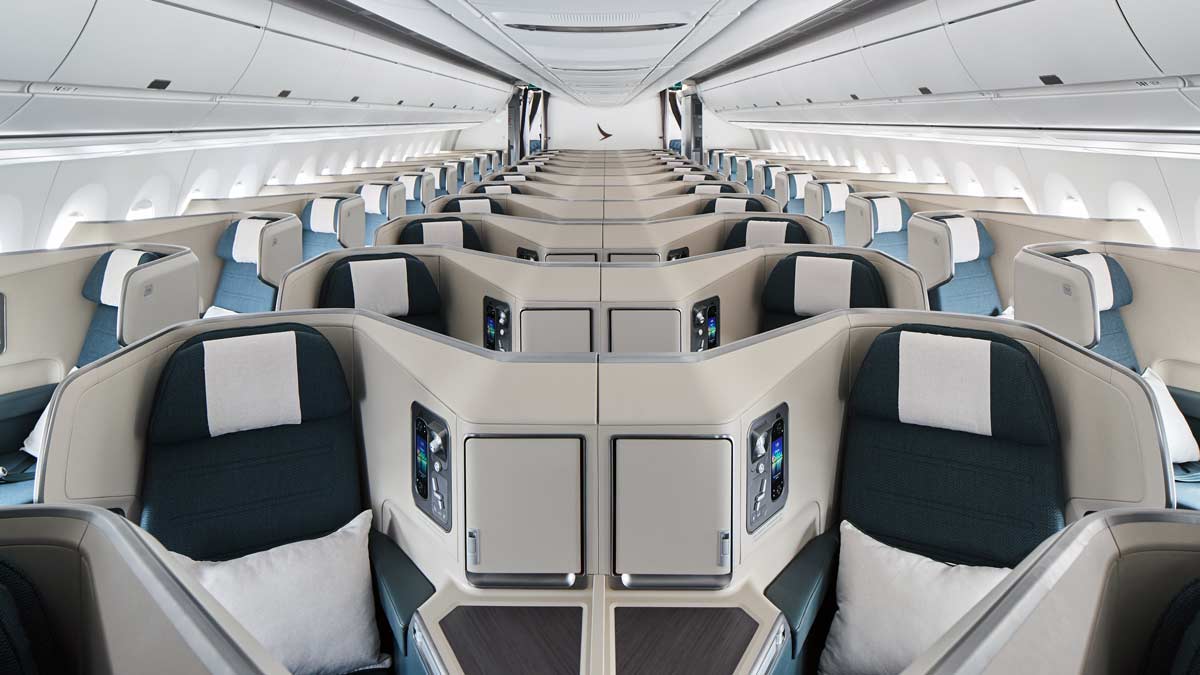
Cathay Pacific — still the safe premium option
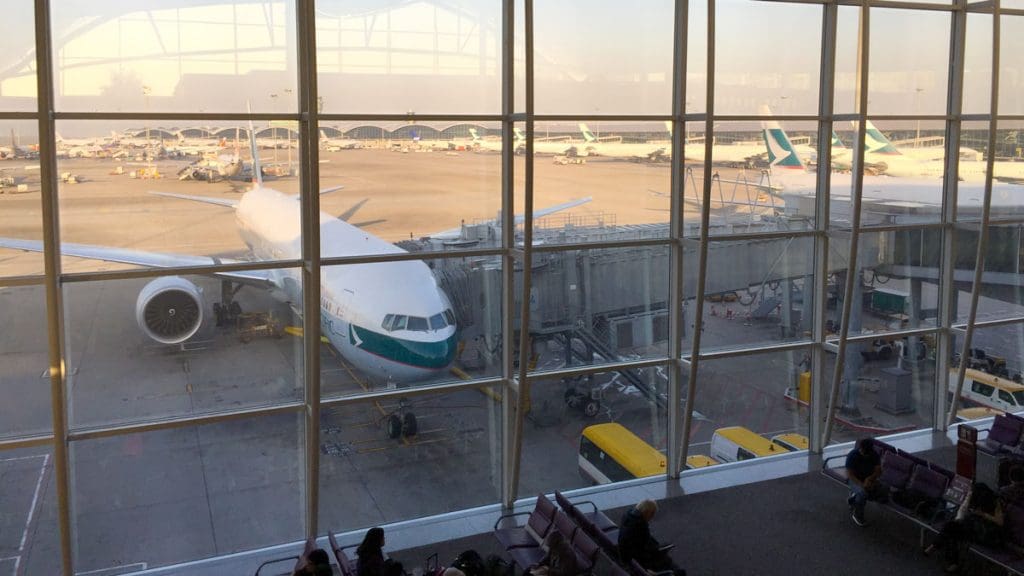
Yes, Cathay Pacific is Hong Kong-based rather than a mainland Chinese airline.
It is a full member of OneWorld, has an excellent Hong Kong hub, an extensive international network, and far more experience carrying English-speaking transit passengers. I’ve also experienced their service and intend to again later this year.
Skytrax, for what it’s worth, continues to certify Cathay as a five-star airline.
Its Australian network includes Sydney, Melbourne, Brisbane, and Perth, with Adelaide also returning seasonally.
The catch is price. Cathay will frequently cost substantially more than China Southern, China Eastern, or Sichuan Airlines.
Verdict: If you value smooth connections, lounges, frequent-flyer benefits, and competent assistance when things go pear-shaped, Cathay remains the lowest-risk choice. But you will pay for that.
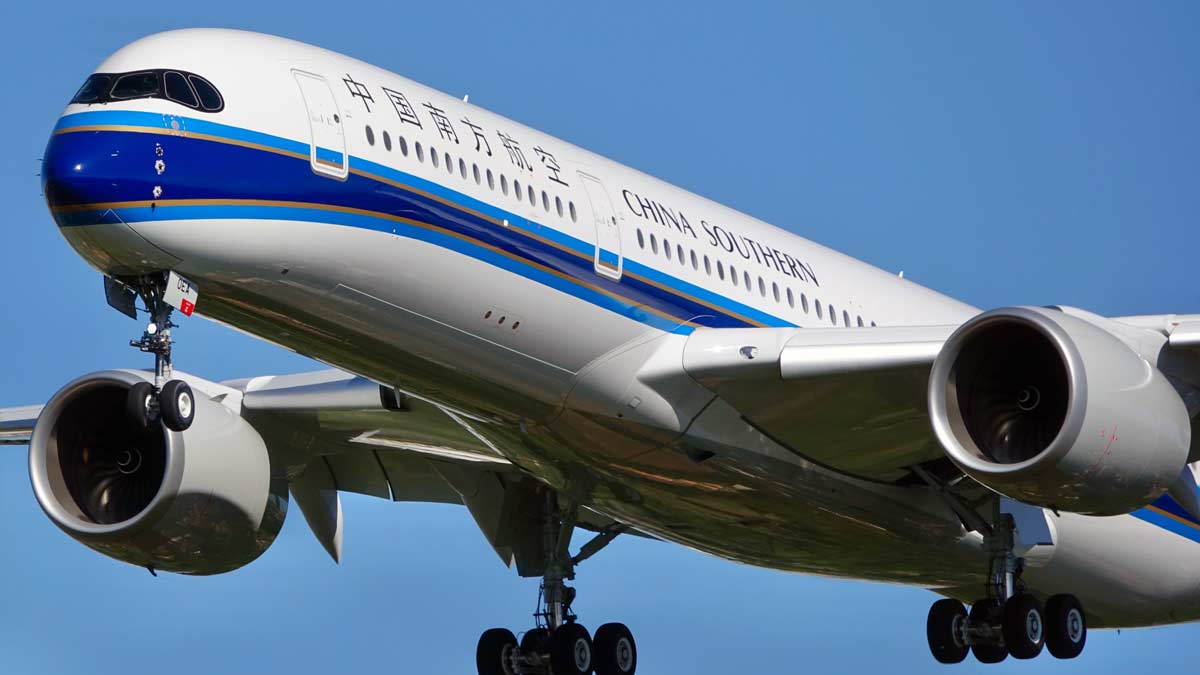
China Southern — probably the best all-rounder
China Southern is Skytrax-certified as a four-star airline, one step above most of its major mainland competitors.
More importantly, Guangzhou is geographically well-positioned for Australians heading to Europe.
China Southern’s reach in Australia is also hard to beat. It serves Sydney, Melbourne, Brisbane, Perth and Adelaide, with Adelaide now a permanent year-round route.
Its Boeing 787s and other long-haul aircraft offer a perfectly credible premium experience, and its enormous domestic network makes Guangzhou an excellent gateway to China.
China Southern left SkyTeam in 2019, so the alliance situation is less attractive than before, although it maintains individual partnerships with other airlines.
Verdict: For the combination of fares, Australian network, aircraft, onward connections and reasonable service, China Southern is likely the mainland Chinese all-round winner for 2026.

China Eastern — strongest for Shanghai
China Eastern remains a SkyTeam member and is the obvious choice if Shanghai is your destination.
Skytrax rates China Eastern as a three-star airline. Its big advantage is network breadth from Shanghai Pudong, with substantial domestic, Asian, and European connectivity.
The Australian network has also strengthened. Adelaide joined China Eastern’s network for the first time in June 2026, using the very pleasant Airbus A350-900. The service returns for the Australian summer from December.
For Qantas Frequent Flyers: Qantas maintains a bilateral partnership with China Eastern despite the latter belonging to SkyTeam.
Verdict: An obvious choice for Shanghai and a potentially excellent-value route to Europe, especially aboard an A350. Indications are that the overall service level is below Hainan and China Southern.

Sichuan Airlines — the sleeper choice
Sichuan Airlines connects Sydney and Melbourne with Chengdu.
Chengdu is an increasingly important western Chinese hub, and Sichuan often produces remarkably cheap fares. Current schedules still show direct Sydney–Chengdu flights in 2026.
The airline isn’t part of a global alliance; however, its international network is smaller than those of China Southern, China Eastern, or Air China.
Entertainment and English-language service are also areas where expectations should be tempered.
Verdict: One to price-check. If Sichuan is thousands cheaper in Business Class, I could be persuaded very quickly.
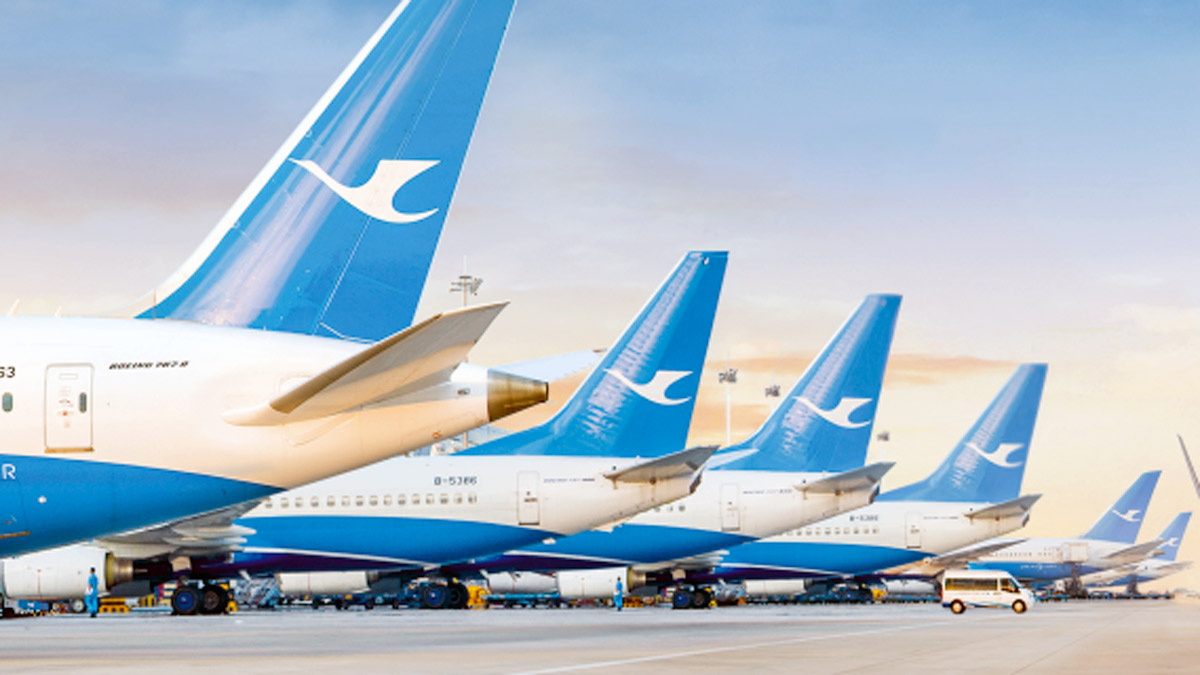
XiamenAir — understated but worth considering
XiamenAir is a SkyTeam member and operates from Sydney and Melbourne to Xiamen.
Its Australian website is now considerably easier to navigate than some Chinese airline sites and actively sells Australian departures.
Xiamen is another southern Chinese gateway, so onward travel to northern Europe isn’t quite as geographically tidy as via Shanghai or Beijing.
But XiamenAir has built a reputation for a relatively polished operation and also offers transit services for eligible international passengers.
Verdict: Not my first choice for Europe, but certainly not one I’d dismiss, especially at the right fare.
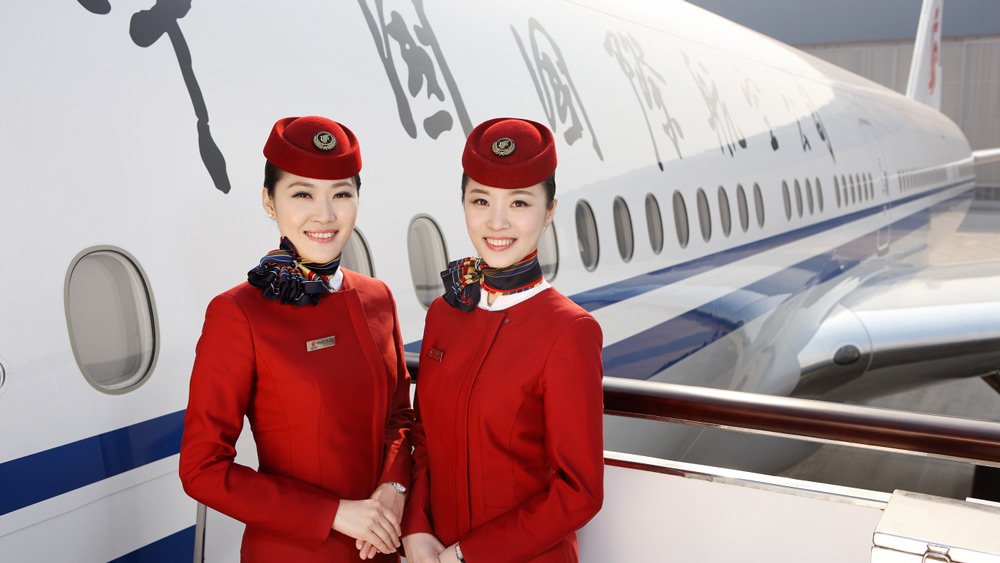
Air China — best for Beijing and Star Alliance
Air China remains the obvious option for Beijing.
It serves Sydney and Melbourne, and its Australian operation is expanding again during the 2026 northern winter, including additional capacity and a daily Beijing–Sydney service from November.
Its greatest attraction for frequent flyers is Star Alliance membership. If you collect points or status with Singapore Airlines KrisFlyer, United MileagePlus, Air Canada Aeroplan or another Star Alliance scheme, that can be very useful.
The downside is that Air China’s onboard reputation remains patchier than Hainan’s or China Southern’s.
Verdict: Choose it for Beijing, Star Alliance benefits or a spectacular fare rather than because you’ve always dreamed of an Air China meal service.
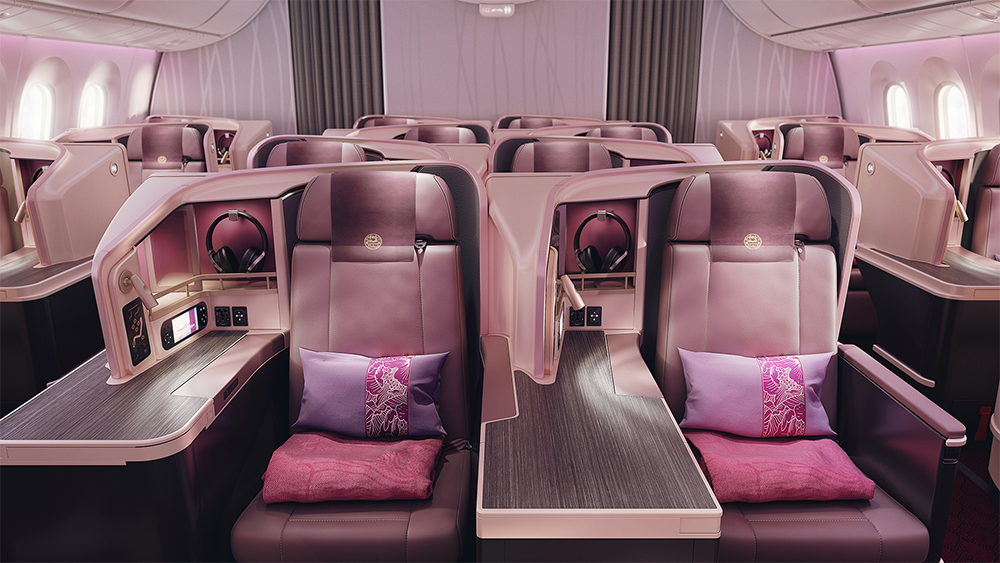
Juneyao Air — much more interesting than it was
It operates Boeing 787-9 Dreamliners between Shanghai and Sydney and Melbourne, and the Sydney service alone carried more than 100,000 passengers during its first year.
Juneyao isn’t a full Star Alliance member but is a Star Alliance Connecting Partner.
Its 787 Business Class product can look extremely attractive for the money, and Shanghai is a very useful transit point. The reservations and customer-service infrastructure still isn’t as reassuring as Cathay Pacific or a major alliance carrier.
Verdict: One of the airlines I’d be much more willing to try in 2026 than I was in early 2025.
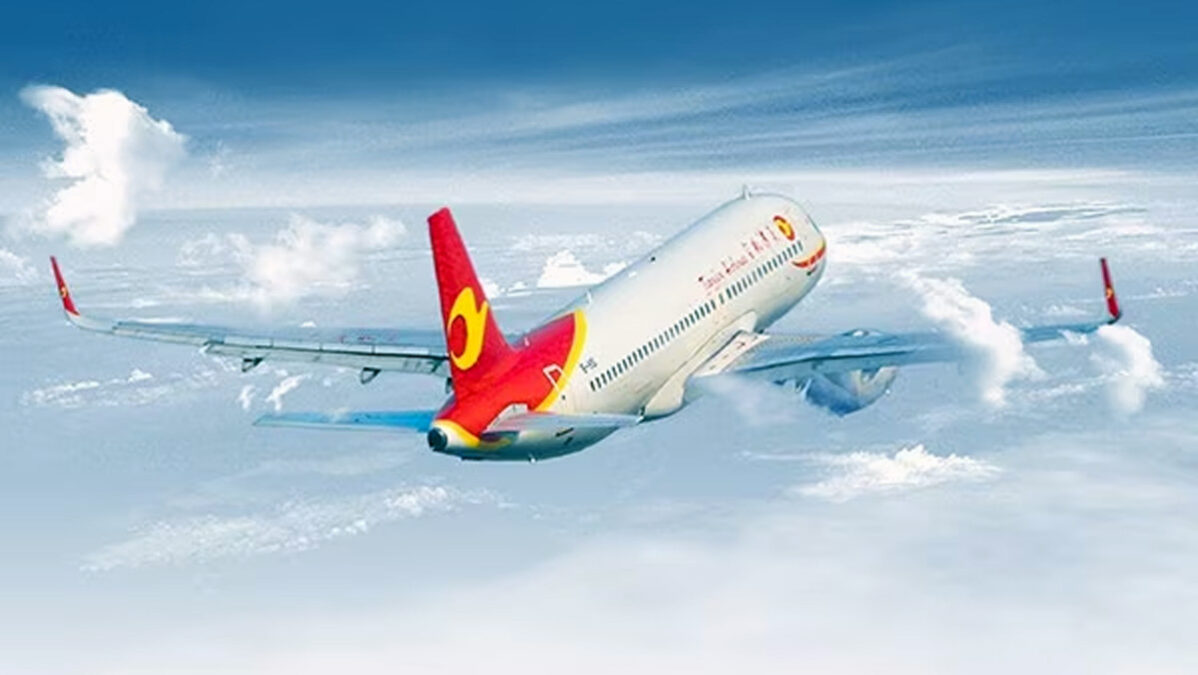
Tianjin Airlines — for bargain hunters
Tianjin remains the most difficult carrier here to recommend confidently.
It is operating in the Australian market; Melbourne Airport and Sydney Airport both continue to list the airline but its route structure, website and booking experience remain less transparent than those of the big three Chinese carriers.
That doesn’t make it a bad airline. It does make it an airline I’d book only where the fare or schedule offered a compelling advantage.
Verdict: Adventurous bargain hunters rather than nervous first-time China travellers.
My 2026 ranking
If I were spending my own money, I’d divide them this way:
| Airline | My 2026 verdict | Best for |
|---|---|---|
| Cathay Pacific | Best overall | Quality, connections, oneworld |
| Hainan Airlines | Best mainland service | Premium onboard experience |
| China Southern | Best mainland all-rounder | Europe connections and Australian network |
| China Eastern | Very competitive | Shanghai, SkyTeam, Europe |
| Juneyao Air | Rising fast | Cheap 787 Business Class via Shanghai |
| XiamenAir | Solid alternative | SkyTeam and Xiamen connections |
| Air China | Functional rather than fabulous | Beijing and Star Alliance |
| Sichuan Airlines | Wildcard | Cheap fares via Chengdu |
| Tianjin Airlines | Specialist choice | The seriously price-sensitive |
That’s a little different from my 2025 assessment. The biggest mover is China Southern. Its extensive Australian network and Guangzhou hub now make it extremely difficult to ignore.
Juneyao has also proven itself more than it demonstrated in 2025.

2PAXfly Takeout
The days when my travel agent and I automatically rejected a Chinese airline fare to Europe are over.
If Cathay Pacific were only a few hundred dollars more, I’d still choose Cathay. The lounges, OneWorld alliance benefits (for me), Hong Kong hub and greater confidence that somebody will answer the telephone when your flight disappears from the departure board are worth something.
Among the mainland carriers, I’d lean towards putting China Southern at the top of my shopping list, closely followed by Hainan, whose network suits the trip. That opinion is based on feedback from travellers online, since I have not flown with either airline internationally.
But price changes everything.
Would I fly Juneyao, China Eastern or Sichuan Airlines to Europe if the Business Class fare were AU$3,000 cheaper than Singapore Airlines, Cathay or Qatar? Absolutely.
But I would first check the aircraft, connection time, and fare conditions very carefully.
And I’d still load my iPad with enough films to get me to London.






What did you say?