











SYDNEY AIRPORT: T2 and T3 to be joined, plus international gates
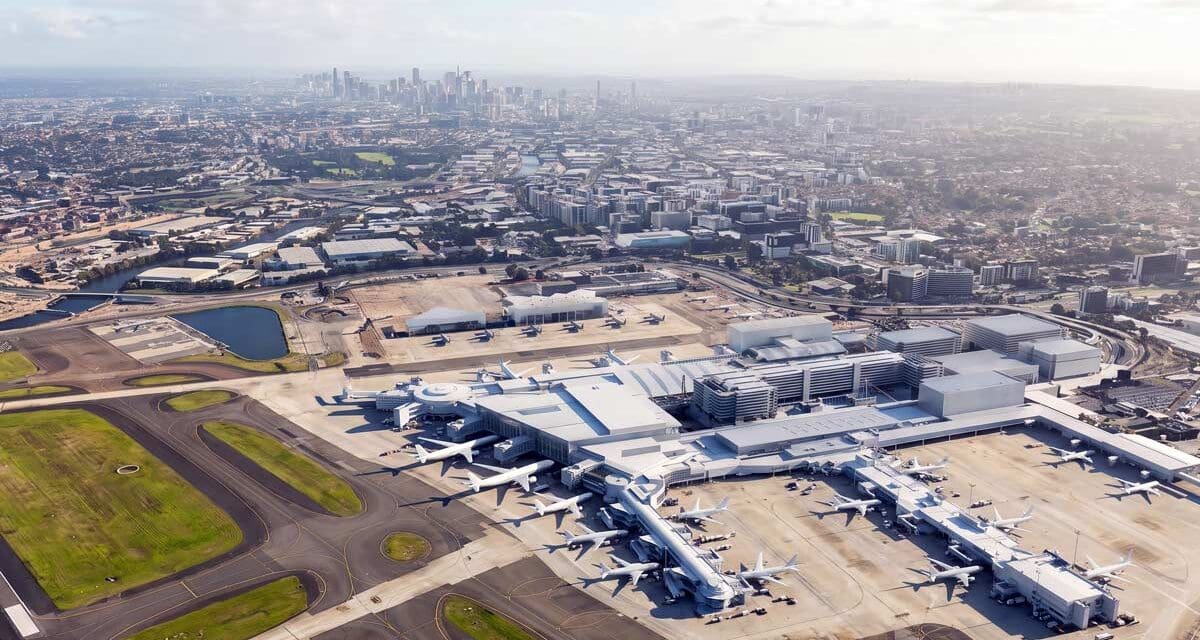
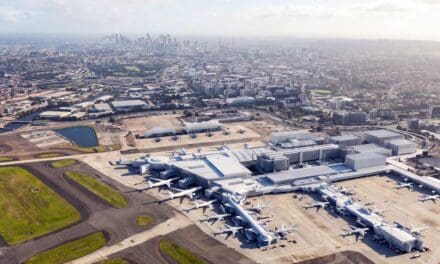
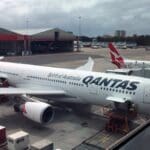
Sydney Airport has received Australian Government approval for its updated Master Plan 2045, clearing the way for what could become the biggest transformation of Kingsford Smith since the lead-up to the 2000 Olympics.
And despite Western Sydney International (WSI) finally entering the picture, Sydney Airport at Mascot clearly has no intention of quietly surrendering its position as Australia’s main international gateway.
The approved plan forecasts Sydney Airport handling 72.6 million passengers a year by 2045, that’s around 75% more than the 41.4 million passengers recorded in 2024. International traffic is expected to almost equal domestic and regional traffic, reaching 36.4 million passengers annually compared with 36.2 million domestic and regional travellers.
That is an enormous amount of humanity to squeeze through an airport constrained by Botany Bay, surrounding suburbs, and a nightly curfew.
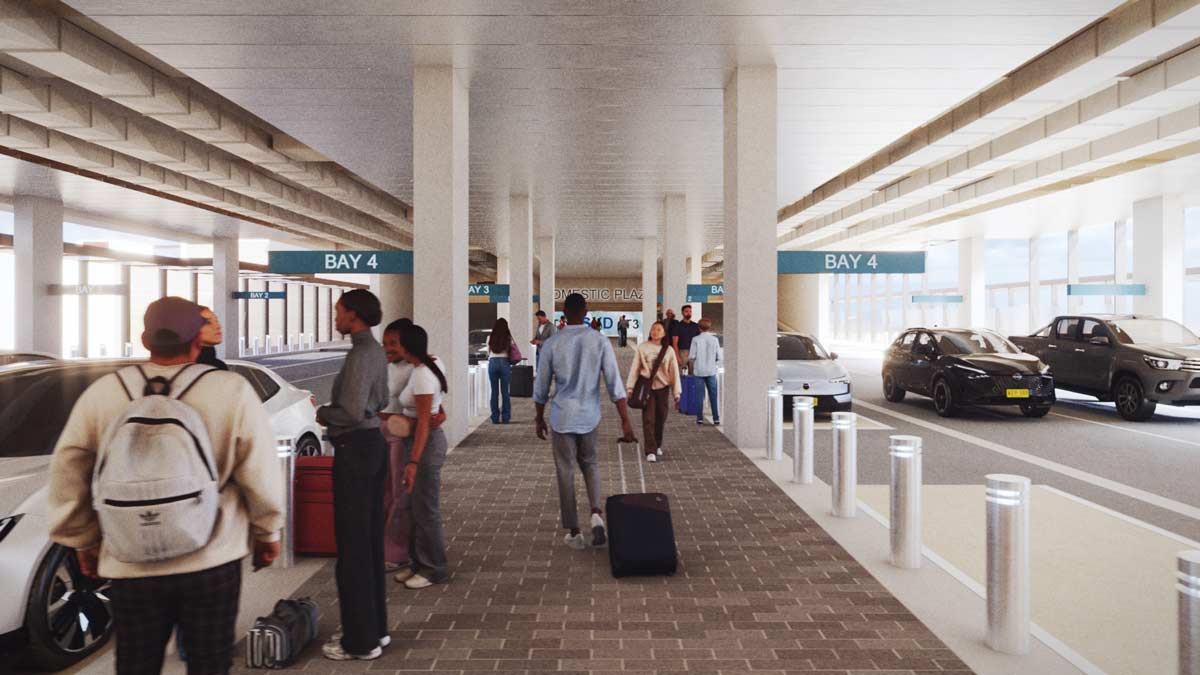
Sydney Airport has been master-planning for decades
Sydney Airport master plans are nothing new. Successive 20-year plans have wrestled with the same problem: how to fit more passengers and aircraft into a site hemmed in by suburbs and Botany Bay. The previous Master Plan 2039, approved in 2019, forecast 65.6 million passengers by 2039 and proposed terminal, road, and airfield upgrades. What makes the 2045 plan different is the scale of the proposed terminal integration and the fact that Sydney Airport is now planning its future with a genuine competitor set to open at Badgerys Creek.
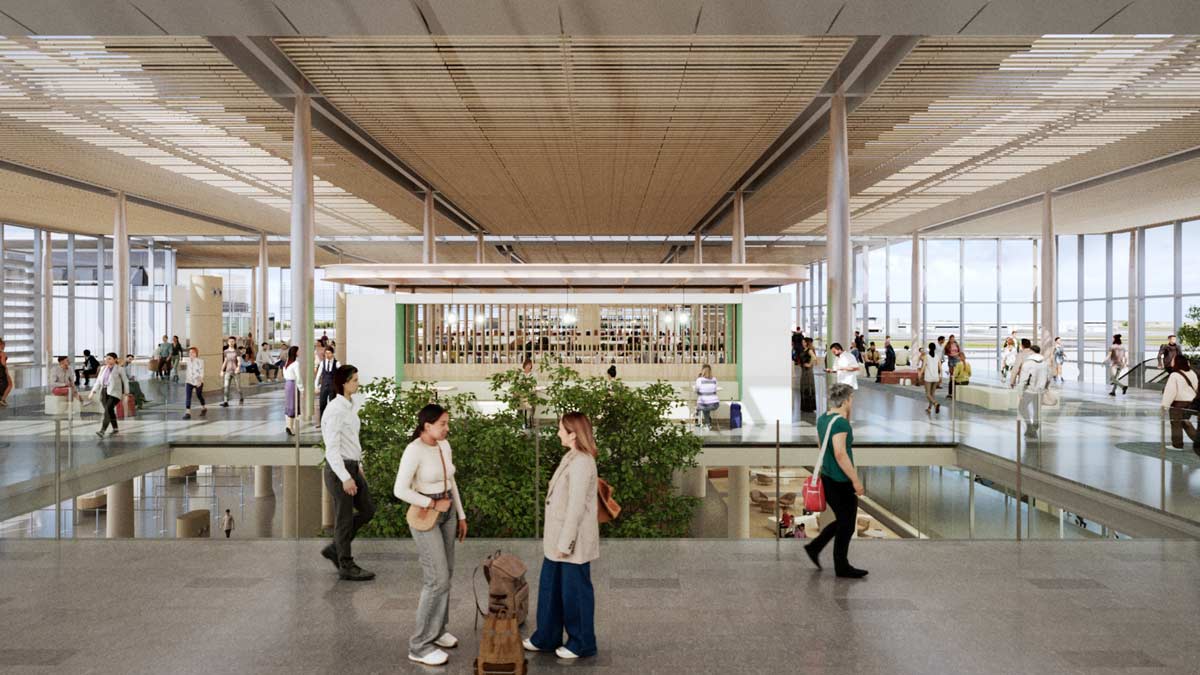
T2 and T3 to be ‘combined’
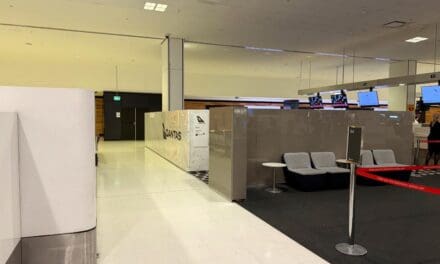
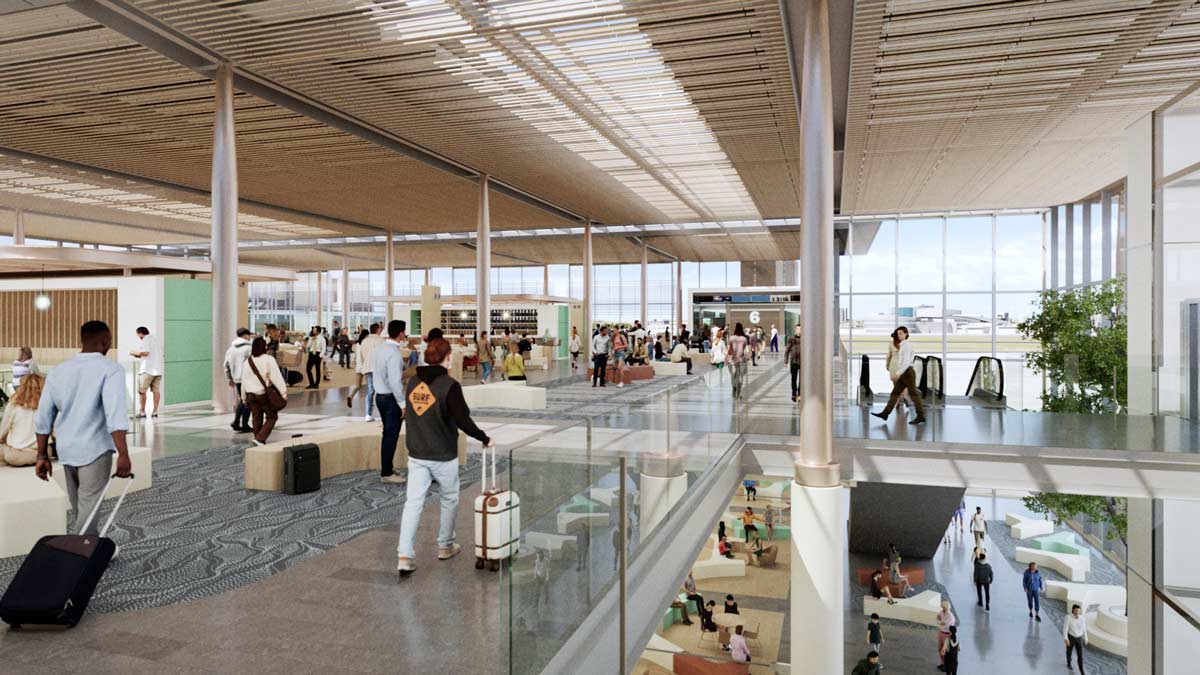
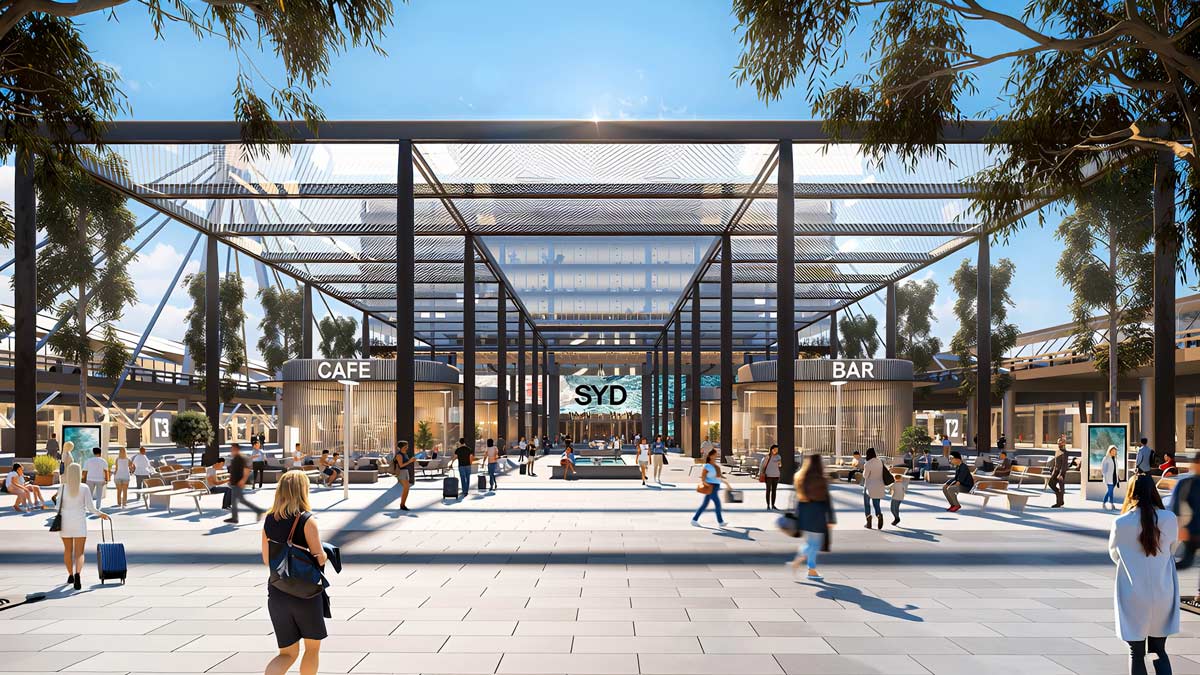
Sydney Airport plans to bring T2 and T3 together into a more integrated terminal complex, capable of handling domestic, regional, and international flights. The airport claims this creates a more connected precinct rather than maintaining the current distinction between international T1 and the domestic terminals.
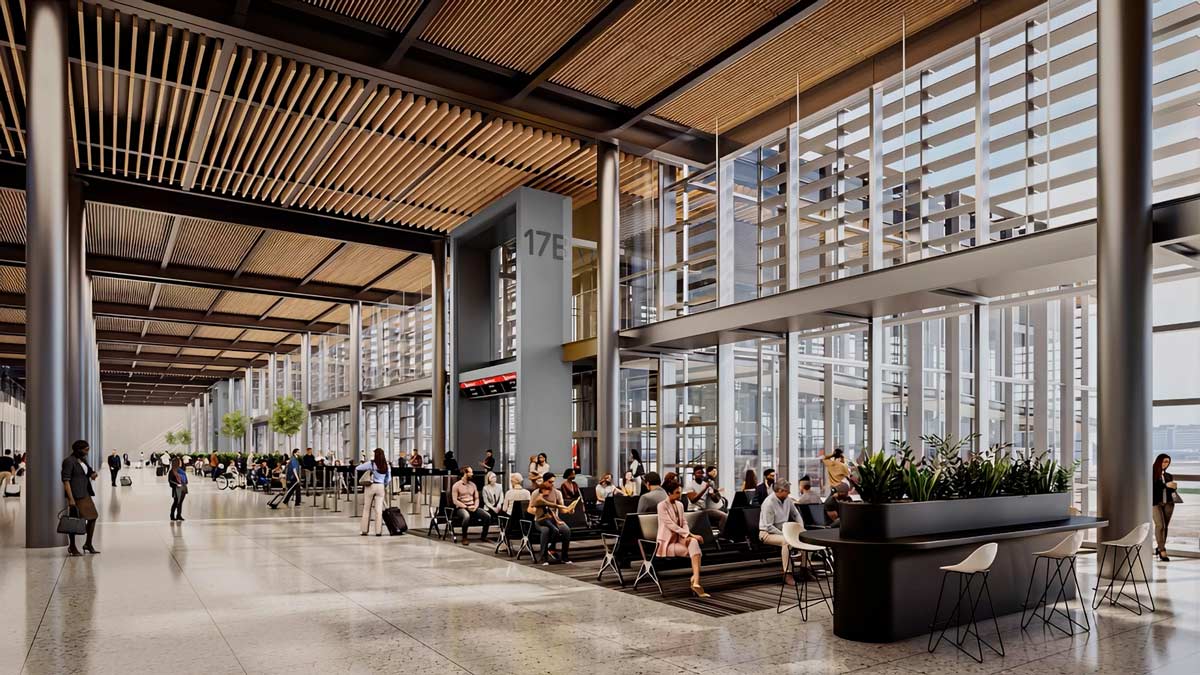
The expansion could deliver up to 12 new international gates around the domestic precinct, with two additional international gates at T1. Domestic and regional capacity would also increase.
At present, connecting passengers can enjoy the glamorous choice of bus, road transfer or paying for a short train journey between terminals located on opposite sides of the runways. An integrated domestic/international precinct won’t eliminate all transfers. It will be interesting to see which flights get the no-transfer guernsey.
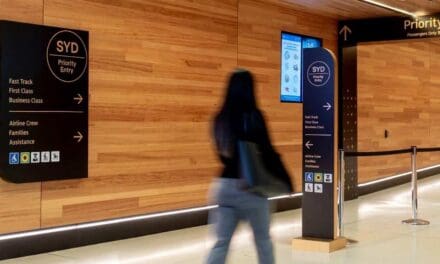
Sydney Airport says future facilities are intended to provide faster check-in, improved security and better passenger processing, with an ambition of getting travellers from kerb to gate in around 15 minutes. We’ve all heard that before.
Getting 72 million people to Mascot may be harder
Sydney Airport is already one of the country’s busiest transport precincts, and another 30 million or so passengers each year will require significant improvements to road and public transport access.
The Airport Link train remains enormously important, particularly given Mascot’s great competitive advantage: location. For travellers heading to or from central , inner west or eastern Sydney, Kingsford Smith remains much closer than its new competitor at Badgerys Creek.
And then there’s Western Sydney Airport
Western Sydney International begins passenger operations on 25 October 2026. Unlike Kingsford Smith, it can operate 24 hours a day and its initial terminal is designed for up to 10 million passengers annually. WSI’s own Master Plan expects almost 20 million passengers by 2045.
So this isn’t simply a story about accommodating Sydney’s aviation growth. It’s also about competition.
Mascot has the location, existing airline networks and Australia’s largest established international hub. WSI has unrestricted operating hours, a brand-new integrated terminal and room, lots of it, to expand.
Sydney Airport’s response since it didn’t take up its right to develop WSI is: bring it on.
Rather than allowing Western Sydney to absorb all future growth, Kingsford Smith intends to grow by another 75% itself. If both airports hit their forecasts, Sydney could be handling more than 90 million passengers annually across its two airports by 2045. Hopefully, I will have moved from under SYD’s flight path by then!
2PAXfly Takeout
Just remember, these are just plans. What actually happens might be quite different. But it does signal a war, at least of Master Plans, between Kingsford Smith and Western Sydney International.
In reality, they both have their advantages and disadvantages, which depend on where you live in Sydney. For me, Kingsford Smith, close to the center, will always be my preferred airport. I’m a 15 minute cab ride away on a bad day. Until WSI gets its railway connection, it won’t even be an option for me.
But, if I were living out west in Sydney, then WSI, even with its limited transport links, might be more desirable.
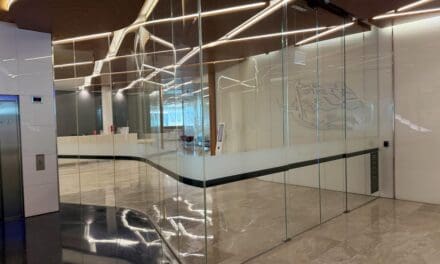
What is weird is that the design language between this expansion, and WSI is strangely similar! See here.






What did you say?