





TURKISH AIRLINES: Non-stop Australia flights delayed until 2027
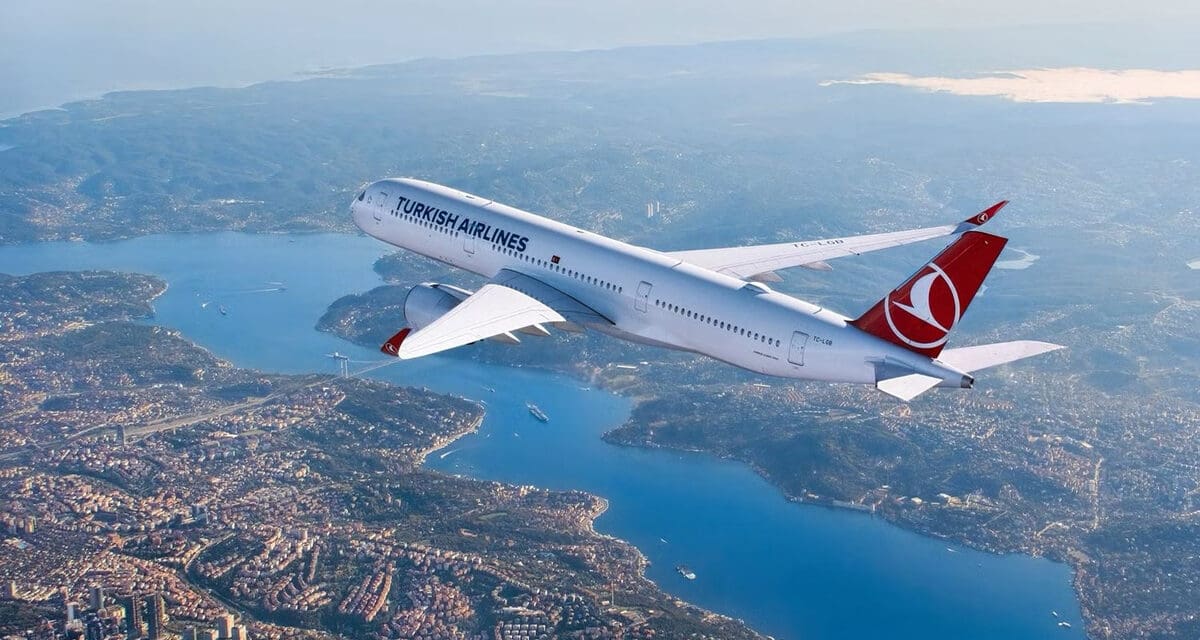
Turkish Airlines’ promised non-stop flights between Istanbul and Australia have slipped again, with Sydney now expected by the end of 2027 and Melbourne pushed into 2028.
That is the bad news.
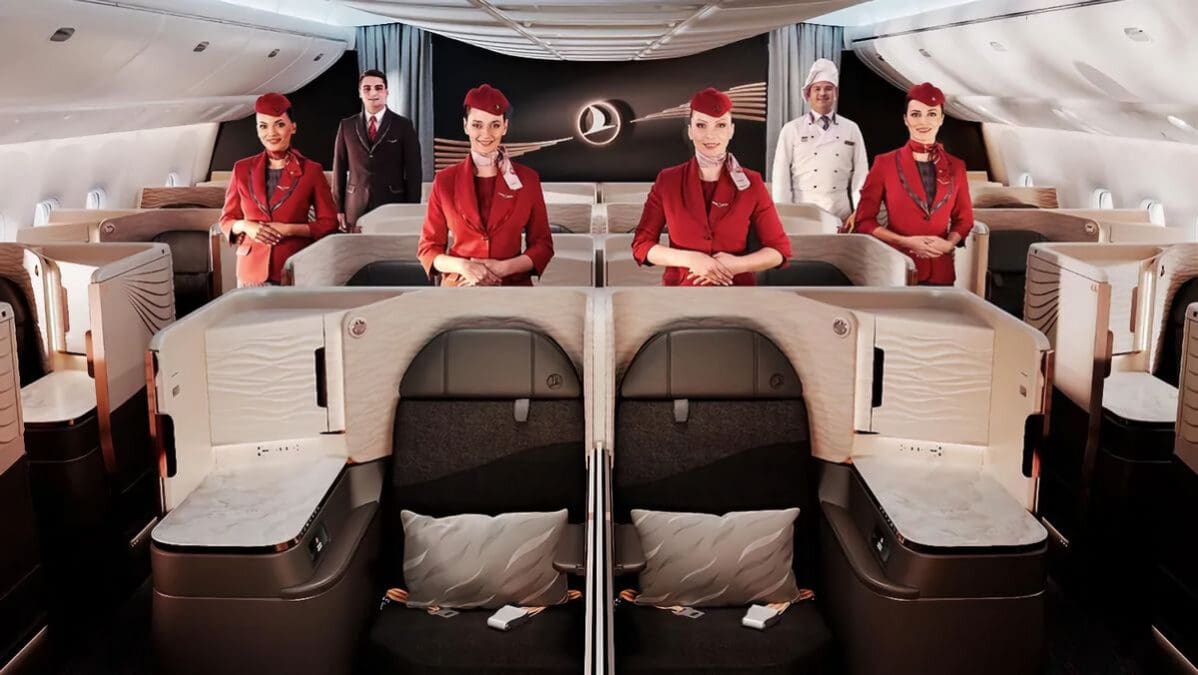
Turkish Airlines plans to fly a specially configured Airbus A350-1000, heavy on premium seats, fitted with the airline’s new Crystal business class suites to Australia. Turkish already claims to fly to more destinations than any other airlines, so these Australian flights are designed to make Istanbul a serious one-stop alternative to the Gulf, Singapore and Hong Kong hubs.
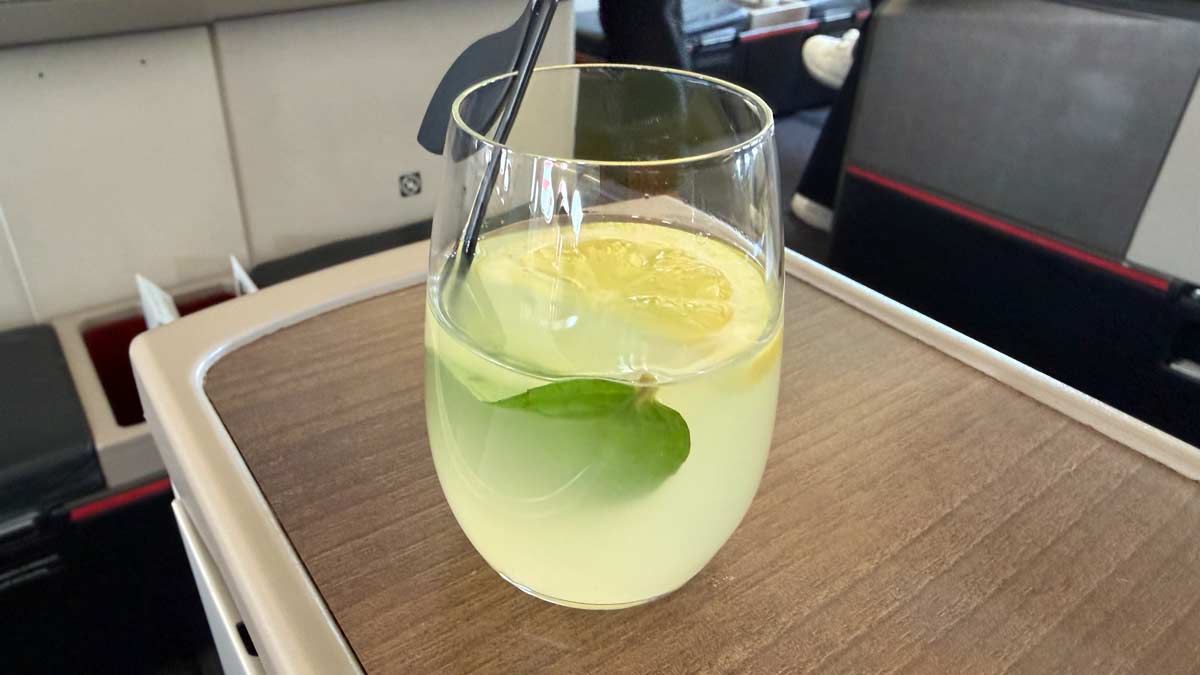
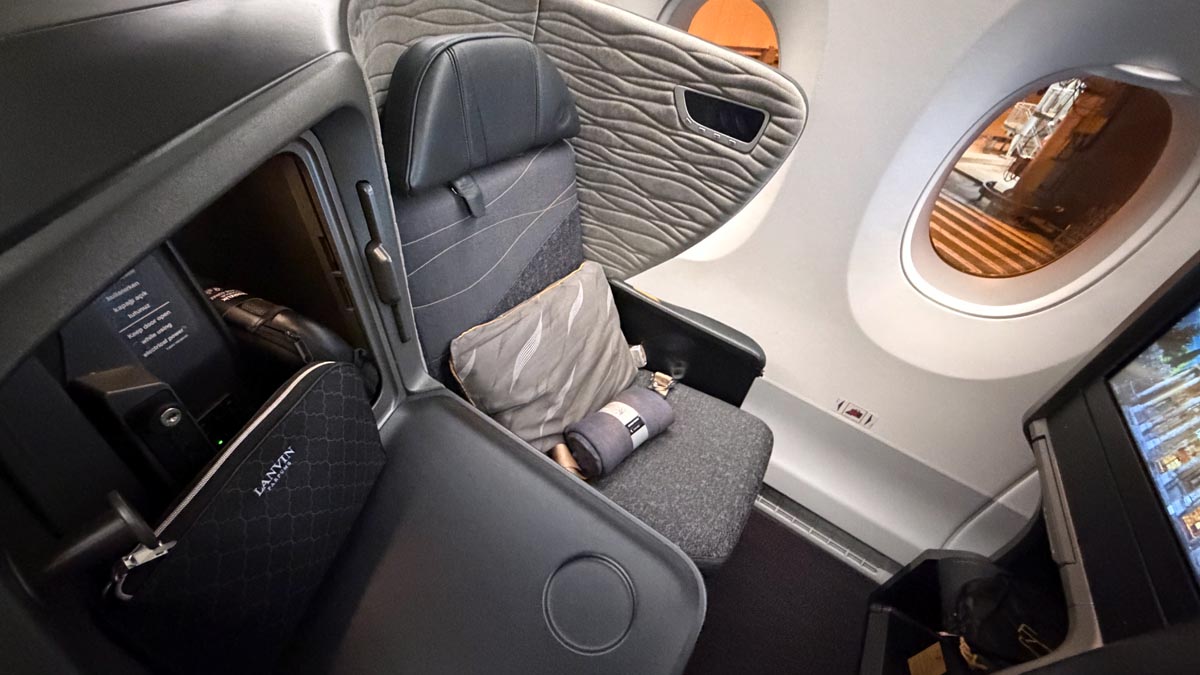
And after my recent experience flying Turkish Airlines between Australia and London via Istanbul, returning via Singapore and onward with Qantas I have mixed feelings about the option. My view is partly coloured by the delay that a two stop journey via Asia to Europe causes. But, its also coloured by the Business Class seats that Turkish uses on these flights.
But come 2028, that will all change. Different aircraft with different seats will be servicing the route, and there will be no Asian stop.
Sydney first, Melbourne later
ET reports that Turkish Airlines’ non-stop Sydney to Istanbul service originally flagged for late 2026 has now been delayed until the end of 2027. That’s a year’s delay. Melbournians will have to wait until sometime in 2028 for their direct flights.
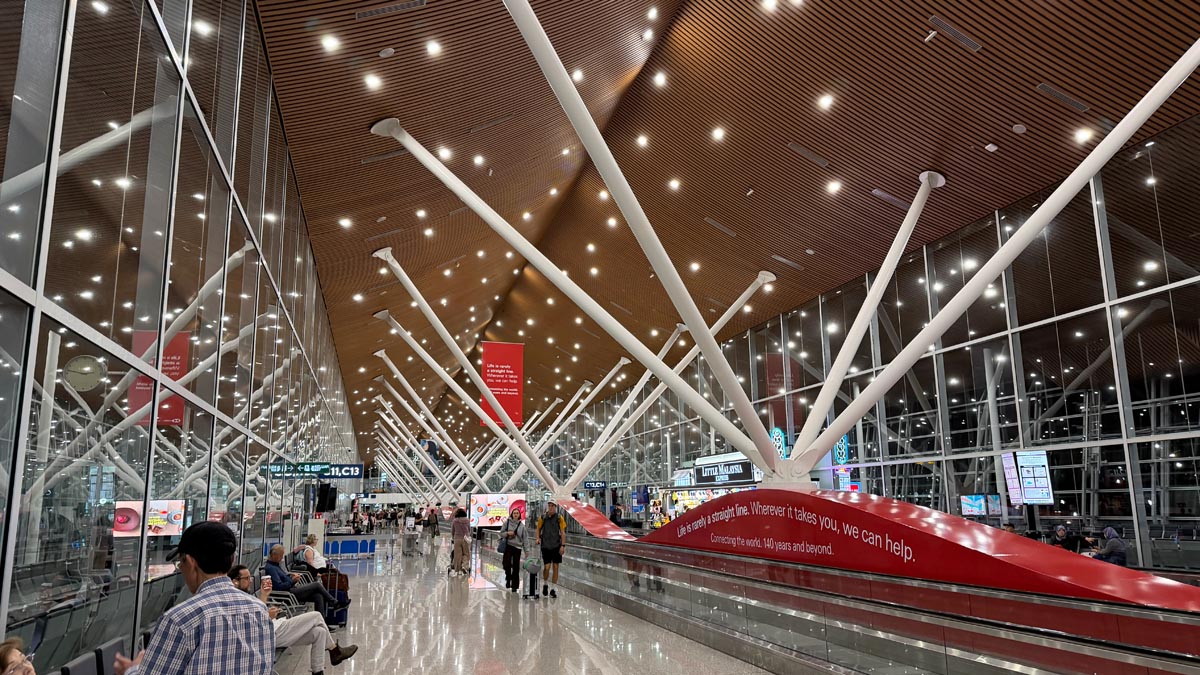
Currently, Turkish Airlines serves Sydney via Kuala Lumpur and Melbourne via Singapore. Both routes use the airline’s existing long-haul fleet, but neither is the true non-stop Australia–Türkiye link the carrier has been promising.
Turkish Airlines chairman Murat Şeker has told the aviation site Simple Flying that the airline expects to start direct flights with a specially designed A350-1000 by the end of 2027. The first of Turkish’s 15 A350-1000s is due in mid-2027, with eight reportedly being configured for the 17-hour non-stop flights to Sydney and Melbourne.
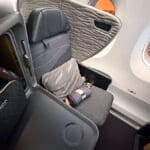
Lets hope the Business Class cabin has roomier seats, with wider foot wells.
A premium-heavy A350-1000
The aircraft Turkish wants for Australia is a customised Airbus A350-1000, carrying fewer passengers than usual and skewed towards premium cabins. It won’t have an extra fuel tank like the ultra long version that Qantas has ordered.
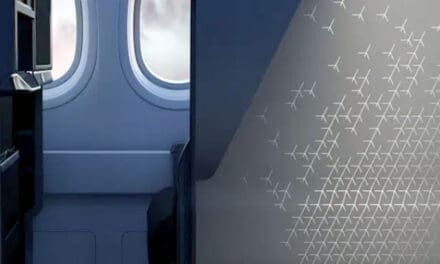
According to the reporting, the version configured for the Australian route will have 66 Business Class seats using Turkish Airlines’ new Crystal Suite announced in 2024. The current standard A350-1000 layout has 48.
So the aircraft will carry fewer people, more in premium cabins. That means less weight, more range, and enough revenue to make the route work. Ultra-long-haul flying has to pay its way, and as with the A380 that can sometimes be a tricky juggling act.
The Crystal Suite uses the Safran Unity platform, with high walls, sliding privacy doors, wireless charging, AC and USB-C power, Bluetooth audio and a 22-inch entertainment screen.
Premium economy
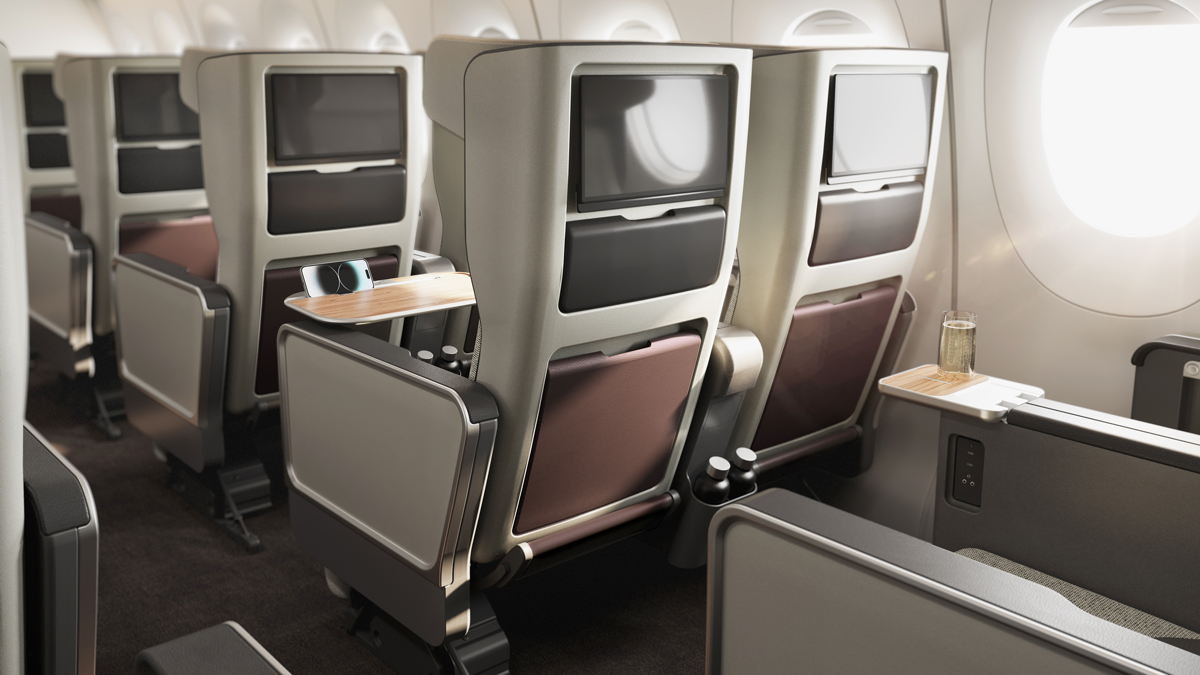
Turkish Airlines is expected to introduce, or arguable re-introduce premium economy on the A350 fleet, although the timing is a little slippery. Şeker has reportedly suggested premium economy could arrive at the beginning of 2028, which may or may not line up neatly with the Sydney non-stop launch.
A properly designed premium economy cabin could be the sweet spot for travellers who want more space, more recline and a better meal service.
If Turkish gets premium economy right, it could become a very interesting option for Australia–Europe flyers, and not just those with Turkish heritage.
Turkish v Qantas Project Sunrise
There is an obvious comparison here with Qantas and Project Sunrise. Both airlines are waiting on Airbus A350-1000 variants. They are both chasing the ultra-long-haul market. Both are trying to convince passengers that fewer stops are worth more money.
But the Turkish Airlines plan is not identical to Qantas’ Sydney to London and Sydney to New York ambitions.
Qantas requires a unique ultra-long-range A350-1000 fitted with an additional fuel tank to handle flights of around 22 hours. Turkish’s Istanbul to Sydney and Istanbul to Melbourne flights are shorter, closer to the 17 hour so don’t need the extra fuel tank.
That does not mean the job is easy. Şeker has acknowledged that Turkish is still working through the business case and aircraft economics with Airbus. Although it would be a foolish airline that announced a route not having done its due dilligance on the economics before ordering multi-million dollar aircraft.
My Turkish Airlines take
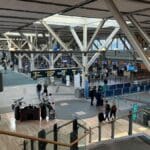
Istanbul Airport is huge, and is not particularly traveller friendly. There are vast distances to cover between the centralised lounge and some of the far flung gates. It is not the world’s most intimate transit experience. But it does work as a global hub, and Turkish Airlines has the route map to make it work.
For travellers heading beyond the obvious European gateways like London, Turkish can be compelling. Cities in southern Europe, the Balkans, the Caucasus, North Africa and the Middle East are often easier via Istanbul than via London, Doha or Singapore.
Five hours saved
Once the non-stop flights begin, Turkish Airlines expects to save travellers about five hours compared with the current one-stop services via Kuala Lumpur and Singapore.
Cutting a stop removes a whole layer of airport faff: boarding, disembarking, security, ground delays, gate changes and reduces the risk of missing your onward connection.
![Hagia Sophia, Istanbul, Turkey 2008 [Schuetz/2PAXfly]](https://www.2paxfly.com/wp-content/uploads/2023/12/Turkey-Istanbul-Hagia-Sophia-CIMG0051_1.jpg)
2PAXfly Takeout
Turkish will give Australian travellers another way to Europe that does not rely on. Emirates, Qatar Airways, Etihad, Singapore Airlines, Cathay Pacific and Qantas.
And competition, on a good day, can reduce fares.
Having recently flown Turkish Airlines through Istanbul, I can see the logic, but also the downside. It’s currently the long way round, and I am not a fan of the current Business Class seats. But Turkish have the network, the hub and the ambition. Now it just needs the aircraft.


What did you say?