

























AIRLINES: What is a codeshare agreement and why they matter
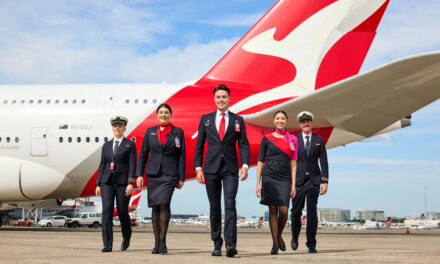
If you’ve ever booked a flight on Qantas, only to discover you’re actually flying on an Emirates or Cathay Pacific aircraft, you’ve already encountered a codeshare agreement . Although you may not have realised it when you booked.
Codesharing allows airlines to dramatically expand their networks without buying more planes or employing more staff. At the same time, it gives customers the illusion that the airline runs a far more extensive network than actually exists.
In Australia, where geography makes international partnerships essential, codeshares play a particularly important role.
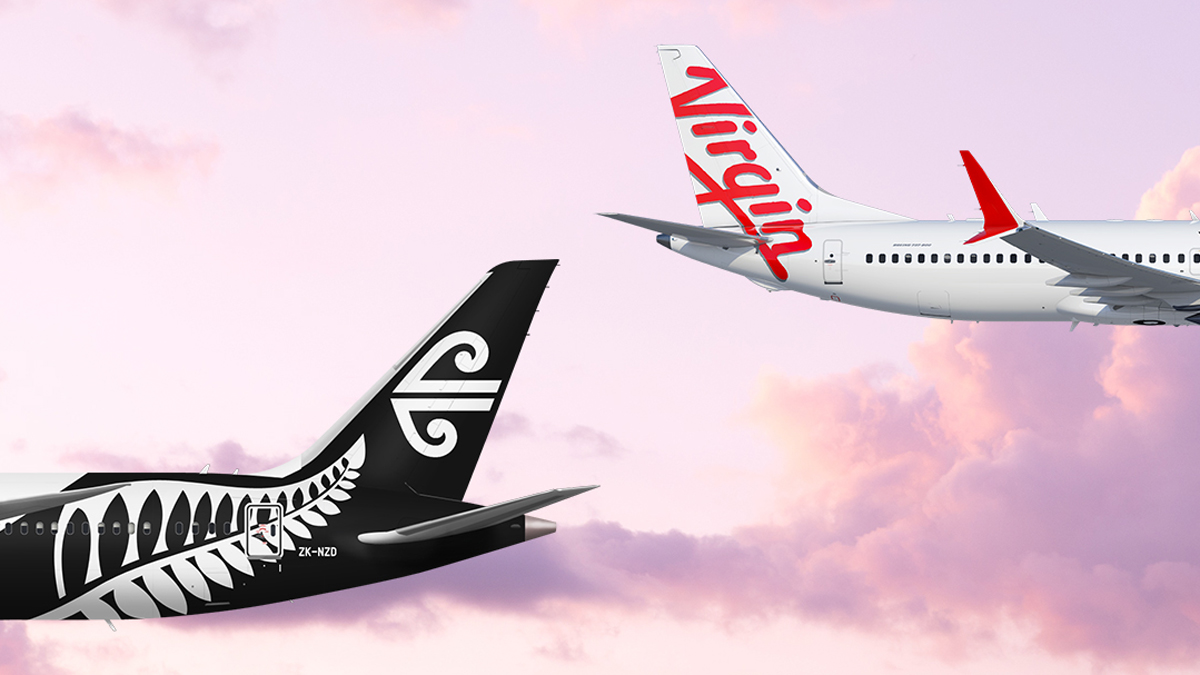
The basics of codesharing
A codeshare agreement allows one airline to sell seats on a flight operated by another airline using its own flight number.
So a single flight might carry multiple ‘identities’. A Qantas service between Sydney and Dubai, for example, may physically be flown by Emirates, but also appear in booking systems as a Qantas flight.
Behind the scenes, only one airline operates the aircraft and crew. The partner airline simply markets and sells seats.
For passengers, the purchase experience feels like that of the marketing airline, until you step on board and get a completely different cabin, seat and service.
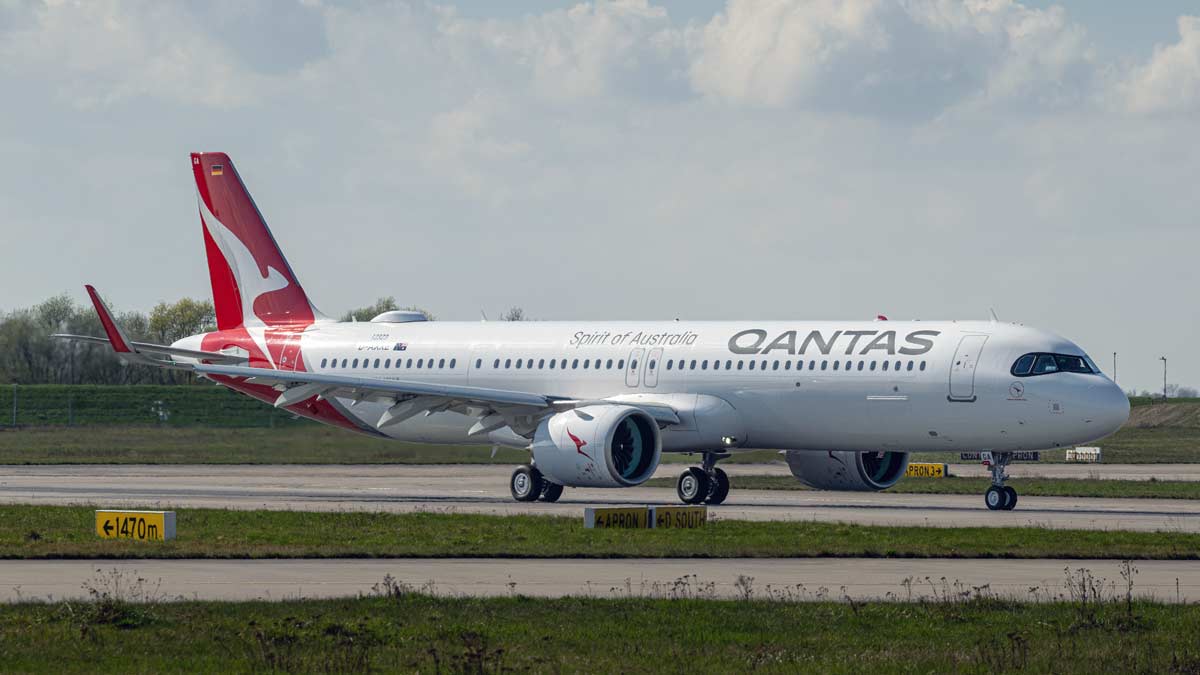
Qantas has mastered the codeshare
No Australian airline uses codesharing more extensively than Qantas. Although (spoiler) Virgin performed a strategic coup de grâce when it teamed up with Qatar Airways to end the Qantas ‘monopoly’, and make Virgin into an international alirline again.
As a member of the OneWorld alliance and through major bilateral partnerships, Qantas has codeshare arrangements with airlines including Emirates, American Airlines, British Airways, Cathay Pacific, Japan Airlines and Finnair.
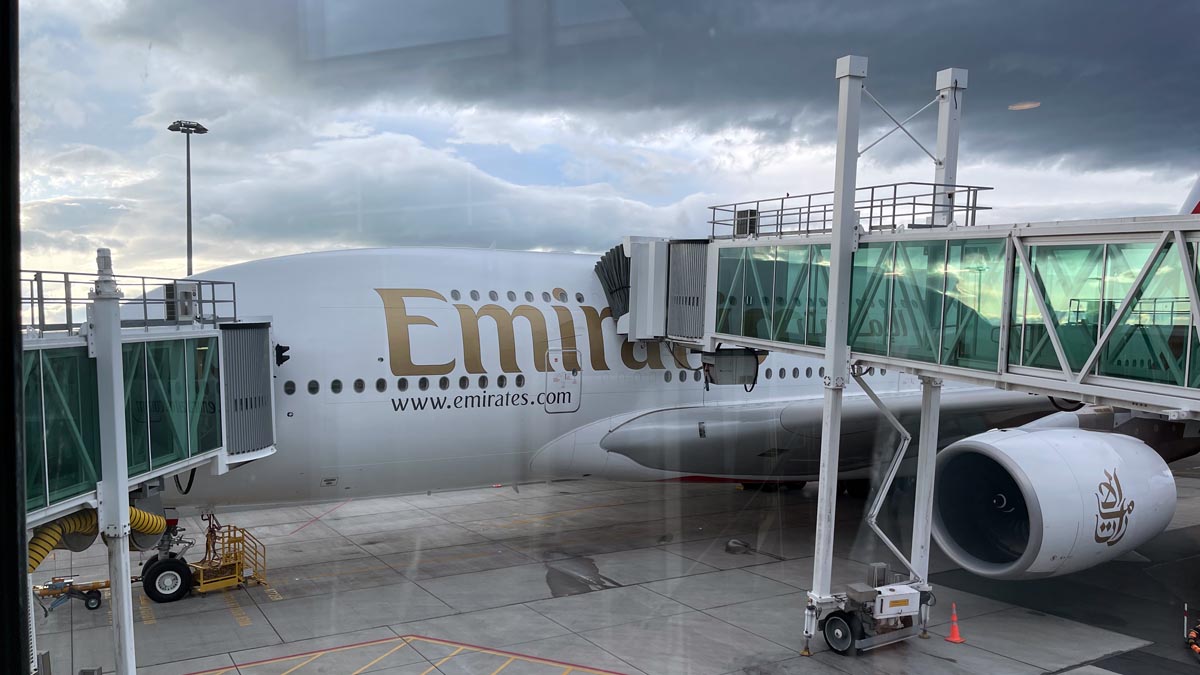
The Emirates partnership is the most visible. Many ‘QF’ flights to Europe and the Middle East , other than London, and seasonally Paris and Rome are actually operated by Emirates via Dubai. For Qantas, it provides global reach without having to fly its own aircraft to dozens of destinations.
Although Qantas used to fly to Dubai, and via codeshare on to numerous European and other destinations, it no longer flies its own aircraft to the Middle East. All those flights are now on Emirates aircraft, or ‘metal’ as insiders say.
The advantage for travellers is that through Qantas they have access to hundreds of cities, usually only involving one ‘stop’ in Dubai. The downside for Qantas loyalists is that they won’t be travelling on Qantas aircraft with Qantas crew. Some Qantas ticket holders might rate that as an advantage. While others, well, let me just say that I am surprised by the number of passengers on social media, who are absurdly surprised when they discove that they are travelling on an Emirates rather than a Qantas aircraft.
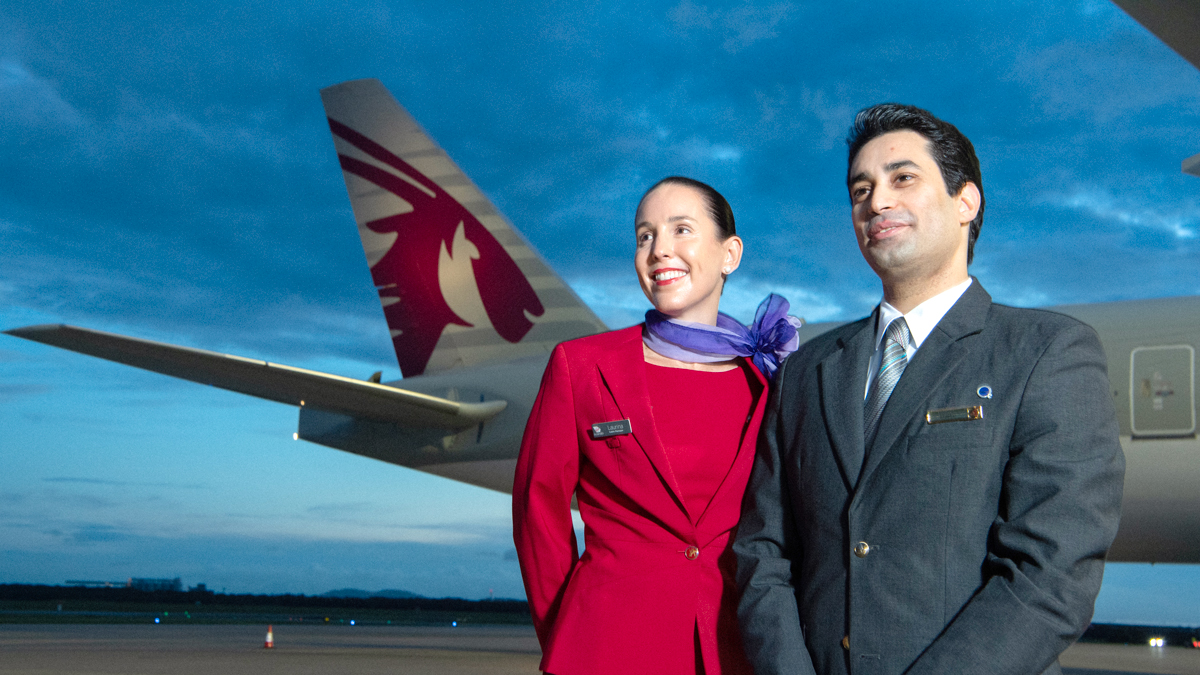
Virgin Australia used codeshare to become an international airline
Virgin Australia also relies on codeshares, rebuilding its international partnerships around key carriers, including Qatar Airways, Singapore Airlines, United Airlines and Air New Zealand.
It’s arrangement with Qatar Airways, a member of OneWorld is perhaps the most noteworthy. Historically, Qatar wanted a heap more flights from Australia, but was thwarted by the federal government. In a bit of a coup, Virgin Australia now has what is officially a ‘wet leasing’ arrangement with Qatar Airways. Effectively doubling its number of flights to Australia, it added 28 new services with this arrangement. For all practical purposes as far as passengers are concerned this ‘wet leaseing’ arangement, where Virgin Australia leases the aircraft, pilots and crew from Qatar, this amounts to a codeshare arrangement where both Qatar and Virgin market the flights
Today, all Virgin “VA” services beyond Oceania are flown by partner airlines. A VA-branded ticket to anywhere in Europe, for instance, means you will almost certainly be flying on a Qatar Airways aircraft via Doha. Other major codeshares are with Singapore Airlines, United Airlines, ANA, Air Canada and Air New Zealand.
This strategy, especially its arrangement with Qatar is a master stroke, allowing Virgin Australia to vastly increase its network and remain competitive internationally without operating a long-haul fleet of its own.
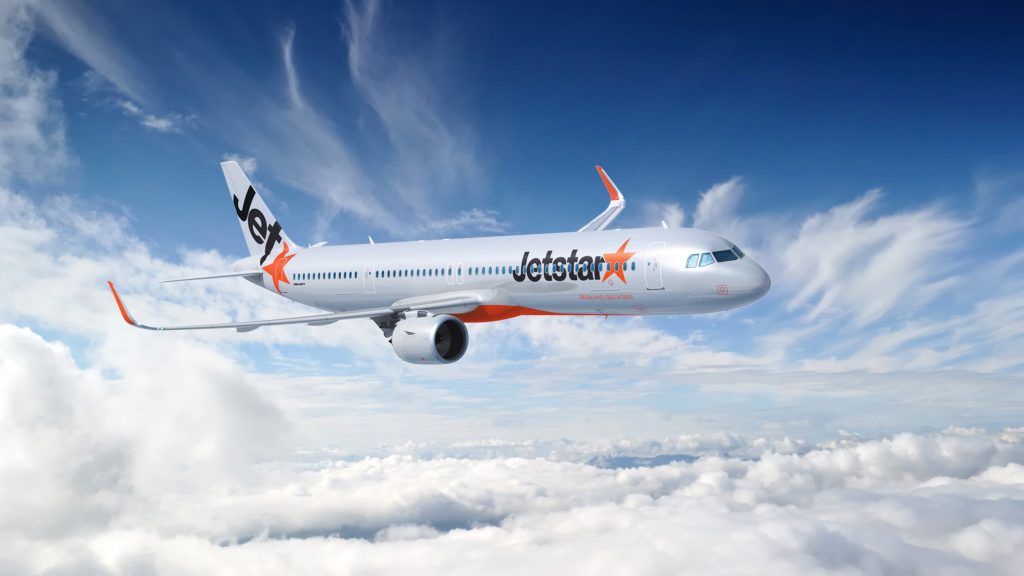
Jetstar, Rex and limited codesharing
Low-cost carriers generally avoid broad codeshare arrangements because they add complexity. If they do run codeshare agreements it is usually on selected routes, with a smaller number of partners than the full service airlines.
Jetstar has some limited codeshare links within the Qantas Group, so that includes Qantas mainline and Emirates. It also has some codeshares on limited routes with Japan Airlines, American Airlines and IndiGo.
Rex, focused primarily on regional routes, does not have any international codeshare arrangements. It seems to prefer the lower level interline arrangments with its partners.
Codeshare for passengers
Codesharing has clear advantages by giving travellers more routing options, often with better baggage allowances, loyalty benefits and disruption protection. On a codeshare flight you can earn frequent flyer points and status credits with your preferred airline. However, your earning rate may not be the same, depending on which flight number your booked on.
Caveat emptor or ‘buyer beware’. Social media is full of passsengers expecting to earn one rate of frequent flyer points, and finding out they have earnt a lot less. I’m looking at you Qantas when booking flights on OneWorld partner Malaysian Airlines.
But there are other downsides. Seat selection, upgrades and lounge access can become complicated under codeshares. What you may be entitled to under you status with say, Qantas, may not apply when you are travelling on a codeshare airline. Policies differ between the marketing airline and the operating airline, and passengers sometimes fall between the cracks.
It can also feel misleading when a ‘Qantas flight’ turns out to be something quite different.
Codeshare vs interline: not the same thing
Codesharing is often confused with interlining, but they’re not the same, although can share some attributes.
A codeshare is about selling and branding flights. An interline agreement is about ticketing and baggage handling. Many partnerships include both, but not always.
A flight can be codeshared without full interline benefits, and vice versa. Confused? You are not alone.
How you can tell that you are on a codeshare
There tend to be some subtle but easy giveaways. Check the flight number, it may start with a different airline code than you were expecting. Or, if it does come with the code you were expecting, it will probably have a longer flight number. This does vary by airline.
Another telltale is ‘operated by’, so it might be Qantas, but operated by Emirates.
Your confirmation and booking documentation will spell out who you are actually flying with, so check them.
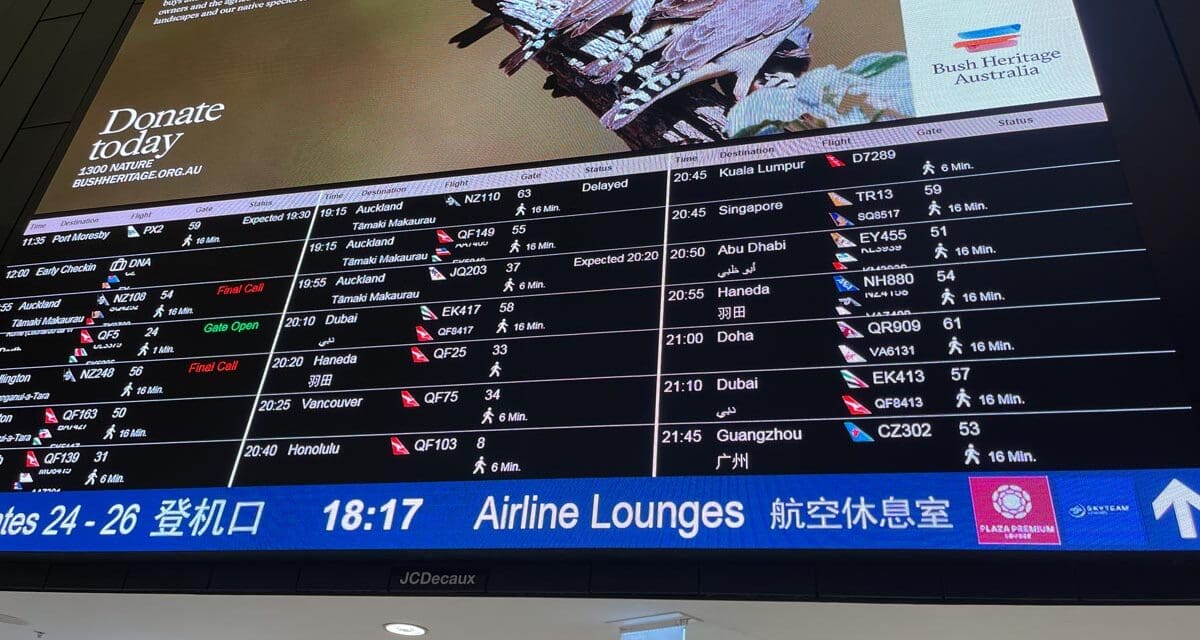
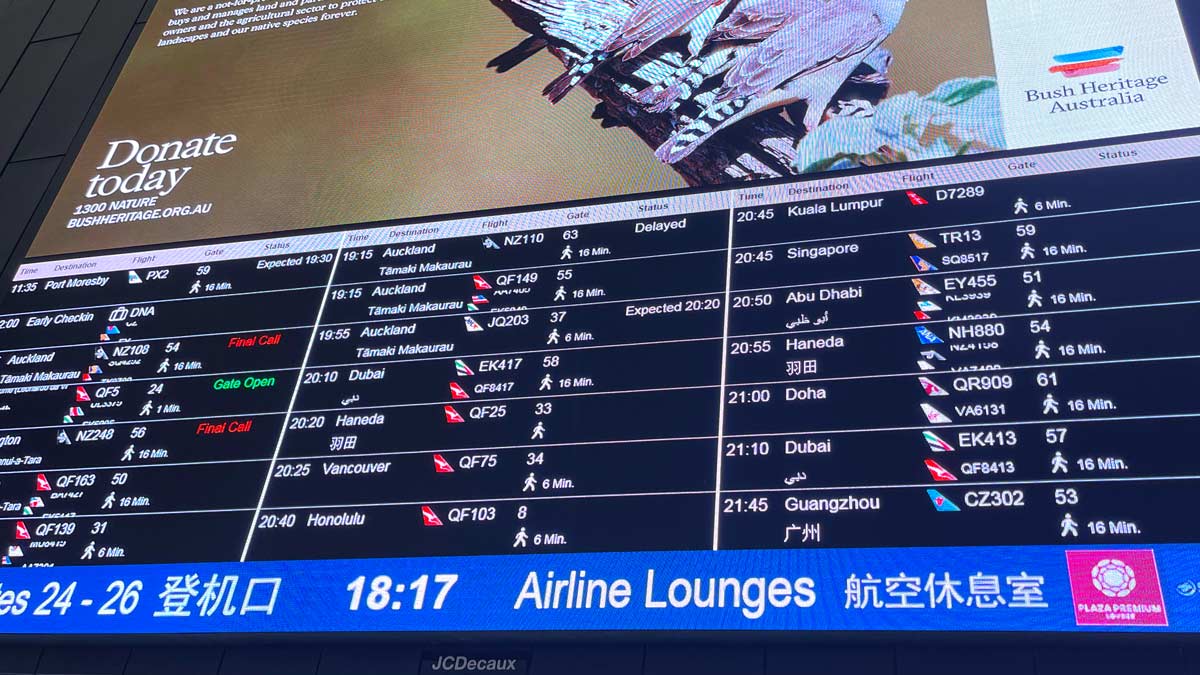
If you fail all of those options, and arrive at the airport, then the departure board is a dead giveaway. Where the flight number is listed, it will cycle through all of the codeshare numbers applying to the flight you are catching. But, by then its probably too late!

2PAXfly Takeout
Codeshare agreements are one of the main reasons Australian airlines can offer such wide-reaching global networks. That is despite operating relatively small fleets.
Qantas uses them to project itself to more destinations and with more frequencies across Europe and the Americas. Virgin Australia relies on them to be a truly international airline.
For travellers, codeshares can be incredibly useful – as long as you know who is really flying your plane. Before you book, it always pays to check the fine print and see which airline logo will be on the aircraft body.









What did you say?