



















AIRLINES: Busiest and most profitable routes in the world.
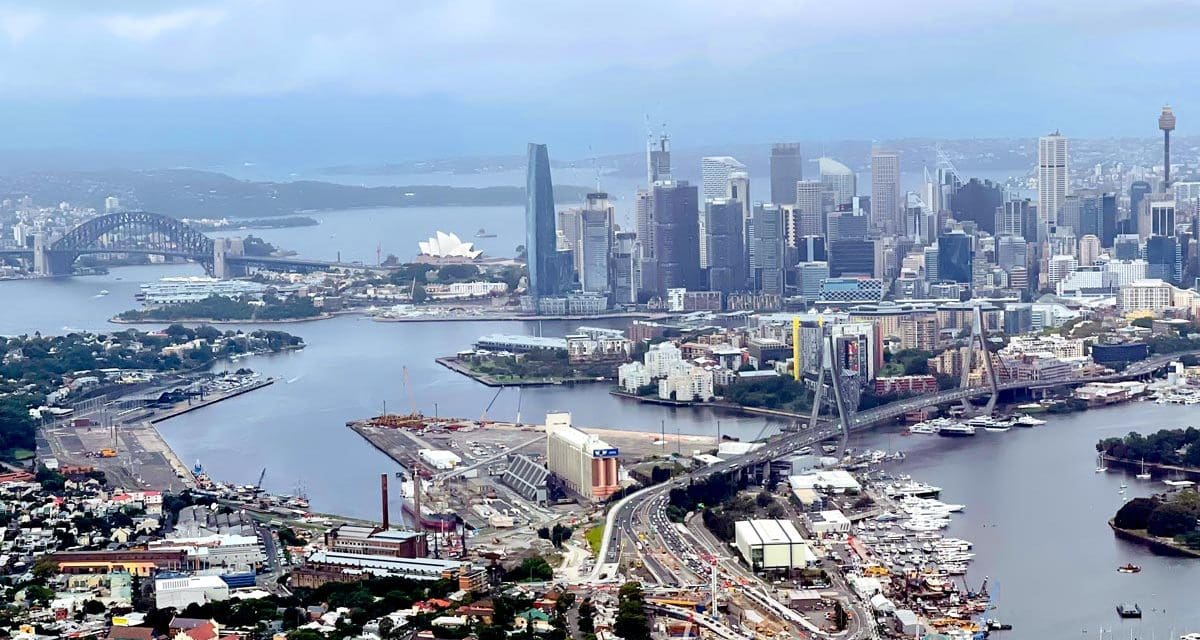
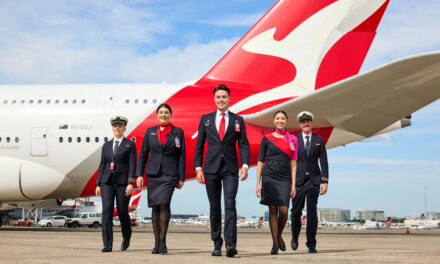
The world’s busiest airline routes aren’t always the most profitable, and Australia’s most famous flight is a case in point. Globally, the busiest airline routes by seat count are in Asia, but most are less profitable than Sydney–Melbourne. The busiest route for 2025 is in South Korea, it joins Jeju and Seoul. The Sydney–Melbourne air corridor may have slipped slightly in the global rankings for passenger volume, but it remains one of the most lucrative routes anywhere in the world, thanks to a potent mix of high fares, constrained capacity and limited competition.

Sydney–Melbourne: few seats, high yields
According to data from the Official Airline Guide (OAG), the Melbourne–Sydney route dropped to sixth place globally in 2025, overtaken by Saudi Arabia’s Jeddah–Riyadh shuttle. Even so, it remains the only route outside Asia to crack the global top 10, with just under nine million scheduled seats this year.
What really matters for airlines, however, is revenue. OAG data shows passengers on the Sydney–Melbourne route paid an average of US$104 (around AU$155) per seat in 2025, up 2 per cent on last year.
Despite carrying fewer passengers than some global rivals, the route continues to deliver outsized returns. In 2023, Melbourne–Sydney reportedly generated more revenue than any airline route in the world, even though total passenger numbers had fallen.
The 10 most profitable airline routes in the world (2025)
Ranked by estimated revenue and yield, not passenger volume
| Rank | Route | Why it’s so profitable |
|---|---|---|
| 1 | Sydney – Melbourne (SYD–MEL) | Duopoly, high fares, heavy business travel; generated more revenue than any route globally in 2023 |
| 2 | New York – London (JFK–LHR) | Premium-heavy transatlantic market, strong corporate demand |
| 3 | Los Angeles – New York (LAX–JFK) | High proportion of premium and corporate traffic |
| 4 | London – Dubai (LHR–DXB) | Strong premium cabins, global connectivity |
| 5 | Singapore – London (SIN–LHR) | Long-haul premium yields, strong business traffic |
| 6 | Hong Kong – London (HKG–LHR) | Premium-heavy route with limited substitutes |
| 7 | Paris – New York (CDG–JFK) | Consistent premium demand year-round |
| 8 | Tokyo – London (HND/NRT–LHR) | High-yield corporate and government travel |
| 9 | Dubai – New York (DXB–JFK) | Strong First and Business Class demand |
| 10 | San Francisco – New York (SFO–JFK) | Tech-sector corporate travel drives yields |
Why the route prints money
The profitability of the Sydney–Melbourne route depends on a few structural advantages.
Competition is tightly controlled, with Qantas (including Jetstar) and Virgin Australia dominating the market. That duopoly gives both airlines considerable pricing power relative to routes crowded with low-cost carriers.
Passenger mix also matters. The route continues to attract a high proportion of business travellers who value frequency and flexibility and are willing to pay for it.
Capacity is another key factor. OAG data indicate that approximately 10% fewer scheduled seats were available on the route in 2025 than in 2019, thereby exerting upward pressure on fares. The Australian Competition and Consumer Commission has also pointed to strong domestic travel demand in September and October as contributing to higher prices.
The result is a route that may not top the global passenger charts but delivers premium returns for the airlines that fly it.
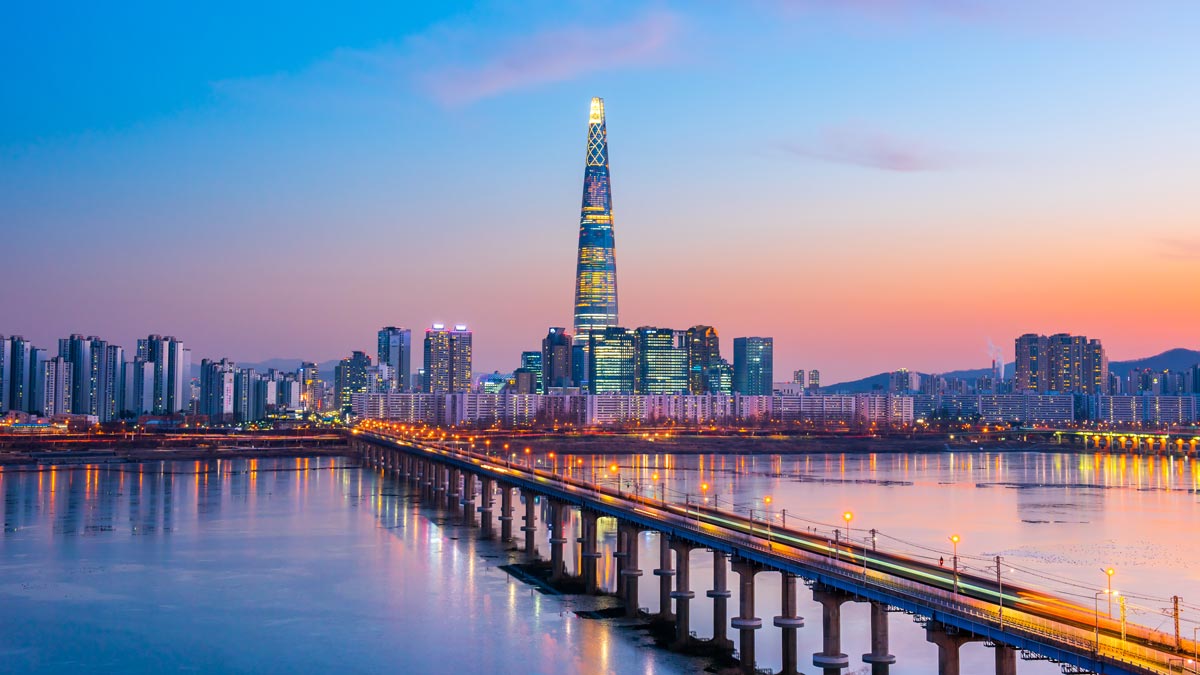
The world’s busiest routes in 2025
Globally, the busiest airline routes by seat count are overwhelmingly in Asia, and many are far less profitable than the Sydney–Melbourne route.
The busiest route in the world in 2025 was Jeju–Seoul in South Korea, with 14.4 million scheduled seats. Average fares fell 11 per cent to US$44, as seven airlines competed with almost 39,000 seats a day on the short 243-nautical-mile hop.
Japan followed closely behind, with Tokyo–Sapporo and Tokyo–Fukuoka ranking as the second- and third-busiest routes, respectively, with 12 million and 11.5 million seats, respectively.
OAG’s methodology counts scheduled seats in both directions on commercial airline routes.
The 10 busiest airline routes in the world (2025)
Ranked by scheduled seats, both directions, commercial services
| Rank | Route | Estimated seats (2025) | Notes |
|---|---|---|---|
| 1 | Jeju – Seoul (GMP/CJU) | ~14.4 million | World’s busiest route; very low average fares, intense competition |
| 2 | Tokyo – Sapporo (HND/NRT–CTS) | ~12.0 million | Only non-Asian route in the global top 10 |
| 3 | Tokyo – Fukuoka (HND/NRT–FUK) | ~11.5 million | Strong business and leisure mix |
| 4 | Jeddah – Riyadh (JED–RUH) | ~9.5 million | Rapid growth driven by Saudi domestic demand |
| 5 | Hanoi – Ho Chi Minh City (HAN–SGN) | ~9.0 million | Vietnam’s main north–south artery |
| 6 | Sydney – Melbourne (SYD–MEL) | ~8.9 million | Only non-Asian route in global top 10 |
| 7 | Mumbai – Delhi (BOM–DEL) | ~8.5 million | India’s busiest domestic corridor |
| 8 | Shanghai – Shenzhen (SHA/PVG–SZX) | ~8.2 million | Major Chinese business route |
| 9 | Beijing – Shanghai (PEK/PKX–SHA/PVG) | ~8.0 million | High-speed rail competition limits growth |
| 10 | Seoul – Busan (GMP–PUS) | ~7.5 million | One of Asia’s classic domestic shuttles |

Profitable routes beyond Asia
Outside Asia, the Sydney–Melbourne route remains busier than routes linking some of the world’s largest cities, including Shanghai–Shenzhen, Mumbai–Delhi, and Beijing–Shanghai.
In Africa, the busiest route is Cape Town–Johannesburg. In Europe, the Barcelona–Palma route ranks highest, driven largely by leisure travel.
In the Americas, around 6.2 million seats are flown annually between Bogotá and Medellín, while Vancouver–Toronto is North America’s busiest route with 3.65 million seats a year.
![Bonza Airlines 737 at Sunshine Coast Airport August 2023 [Schuetz/2PAXfly]](https://www.2paxfly.com/wp-content/uploads/2023/12/Bonza-Boeing-737-sunshine-coast-airportIMG_0219.jpg)
Busy doesn’t mean cheap
For travellers, busy routes often sound like a recipe for cheaper fares. For airlines, the opposite is often true.
The most profitable routes tend to be those with strong demand, limited competition and disciplined capacity. Sydney–Melbourne still ticks all three boxes. It may have lost a little altitude in the global rankings, but where it really counts — airline profits — Australia’s busiest air corridor is still flying high.
2PAXfly Takout
Being busy in the airline industry does not mean cheap. You need to look further to seat availability, because that capacity and competition are what drive down prices. The busiest routes are dominated by short-haul Asian shuttles with huge volumes and relatively low fares.
The most profitable routes, by contrast, are usually long-haul or premium-heavy corridors, or rare short-haul routes like Sydney–Melbourne, where competition is limited, and demand is inelastic.
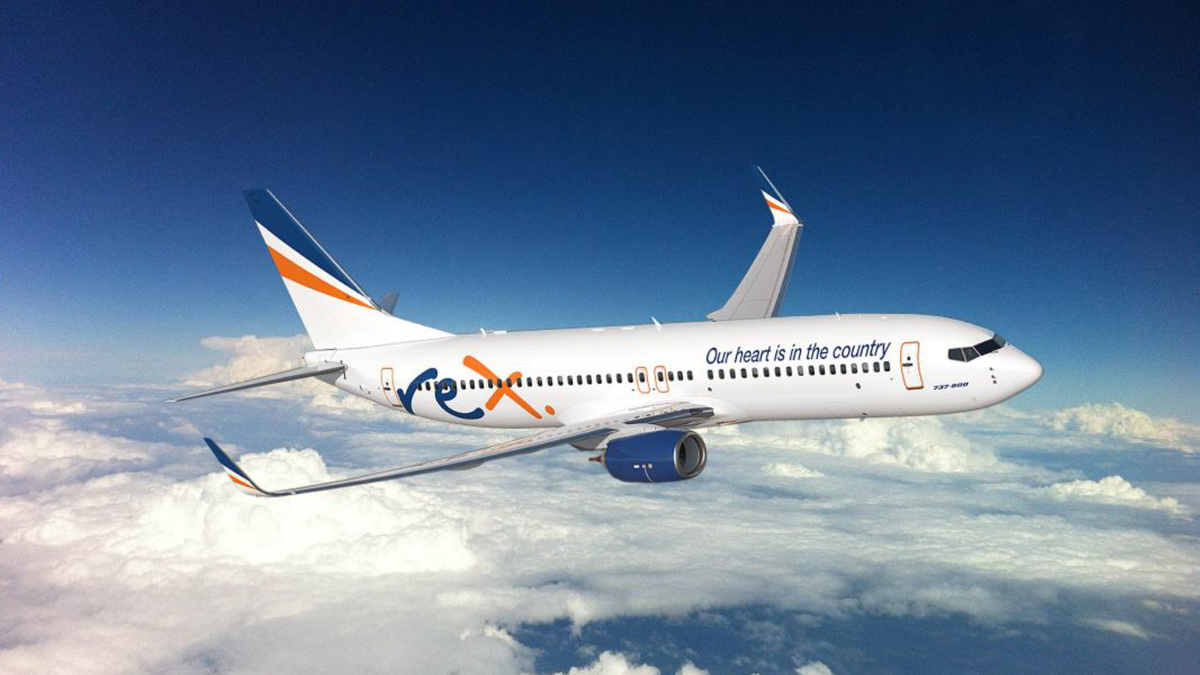
My observation regarding the difference between domestic Australian air travel before and after the pandemic is that, although capacity has almost returned, demand has far outpaced it. Add to that the departure of one big player, Regional Express (REX), from the capital city market, and the demise of both Tiger on domestic, and Bonza on tourist routes has further reduced competition.
To return the competitive edge to Australian aviation and reduce airfares, we need a new domestic airline competitor.







What did you say?