






















LOYALTY: Airline programs now worth billions. Qantas in top 10
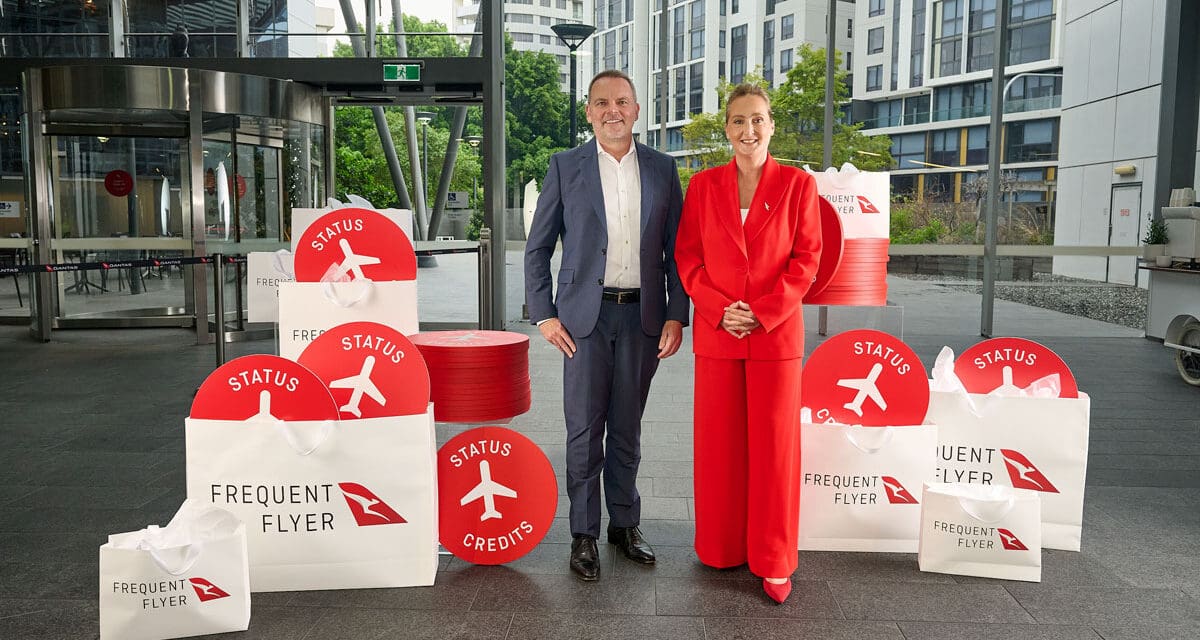
If you’ve ever wondered why airlines seem more interested in selling points than seats, a new global report puts some serious numbers behind that suspicion.
According to the latest On Point Loyalty Top 100 report, airline loyalty programs have evolved into multi-billion-dollar businesses, and for Australian travellers, that shift is already reshaping how your points work.

Qantas Frequent Flyer in the global top 10
Qantas Frequent Flyer is now ranked the 9th most valuable airline loyalty program in the world, with an estimated valuation of US$7 billion (A$10.1 billion).
That puts it firmly in the global top tier, just behind heavyweights like KrisFlyer (A$8 billion) and Cathay (A$7.7 billion).
Qantas Frequent Flyer now has more than 18 million members, issues over 200 billion points each year, and generated AU$2.86 billion in revenue in FY2025, contributing AU$556 million in profit back to the airline. That’s a staggering number for something that started life as a simple marketing tool back in 1987.
Velocity is smaller
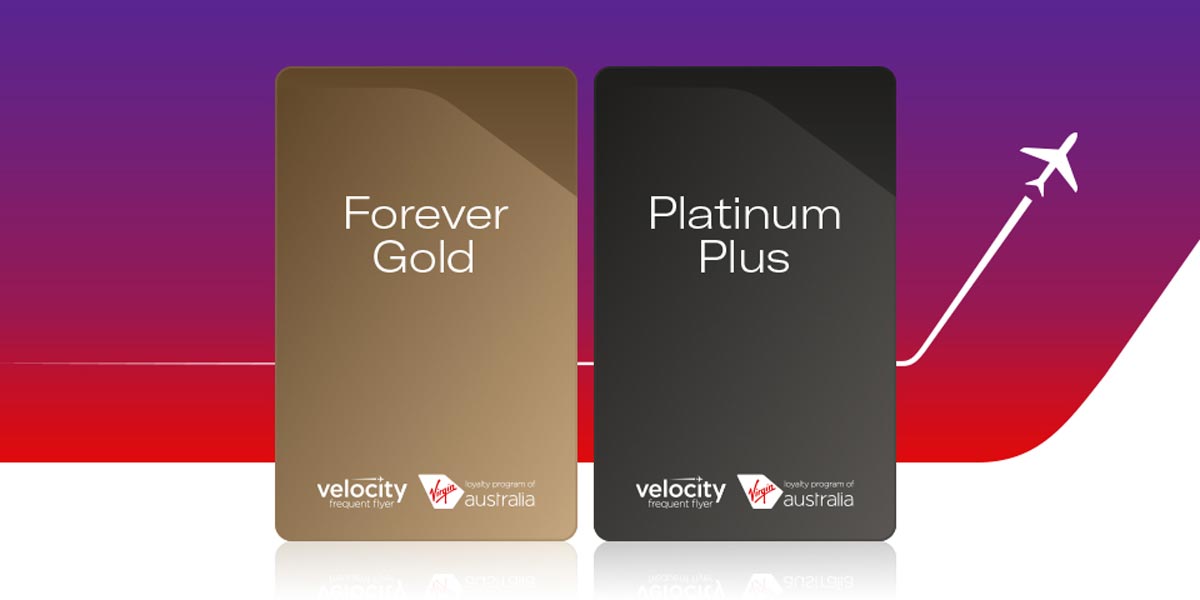
Velocity Frequent Flyer ranks #29 globally, with a valuation of AU$2.58 billion and around 12 million members. That’s smaller than Qantas, but reinforces the broader point that loyalty programs are no longer side hustles. They have become a core part of how airlines make money.
US airlines top the chart
At the very top of the rankings, it’s the US airlines that dominate. Programs like AAdvantage, MileagePlus and SkyMiles together have a jaw-dropping value of A$121 billion.
That’s due to the scale of the US credit card market, where banks buy huge volumes of points to offer generous rewards to consumers. Much more generous than in Australia
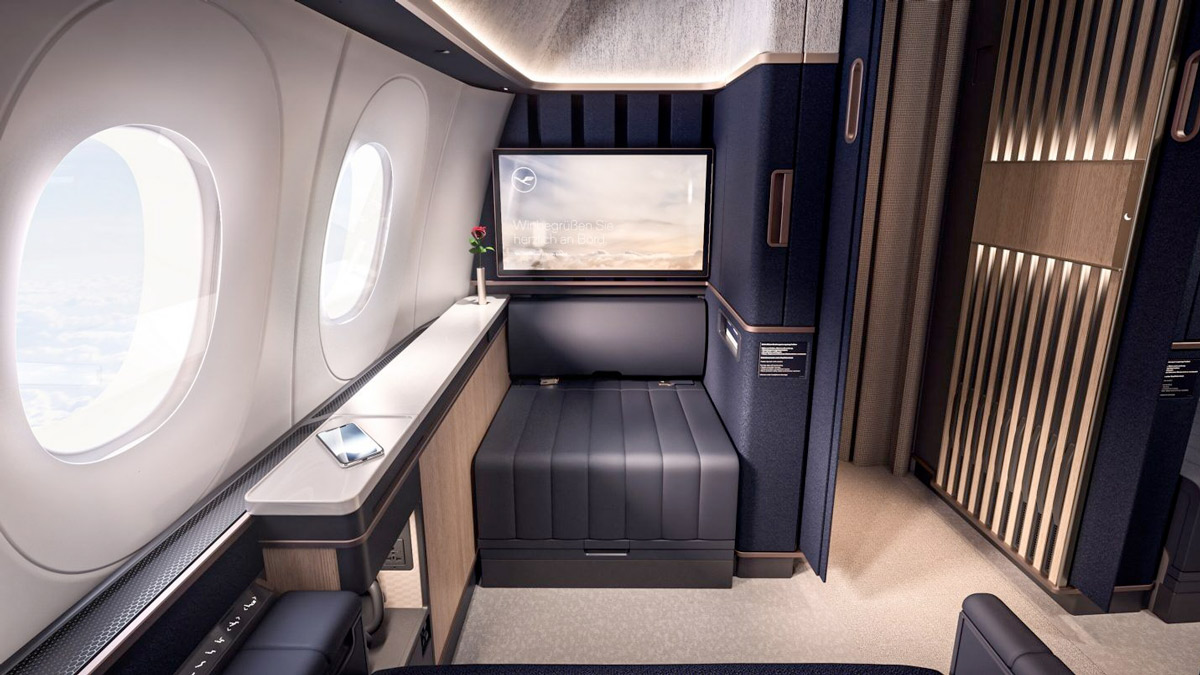
IAG’s Avios (A$15 billion) used by airlines like British Airways and Iberia, and Miles & More (A$12.6 billion) Lufthansa groups loyalty currency also feature strongly.
From marketing tool to money machine
The key shift highlighted in the report is that loyalty programs are no longer about loyalty, they’re about revenue for the airline. They provide predictable cash flows, and strong margins. That’s the reason airlines are increasingly focussing on credit card partnerships, retail and financial services integration.
It also explains why programs are issuing more points than ever before since selling those points is incredibly profitable.
Qantas proved it during COVID
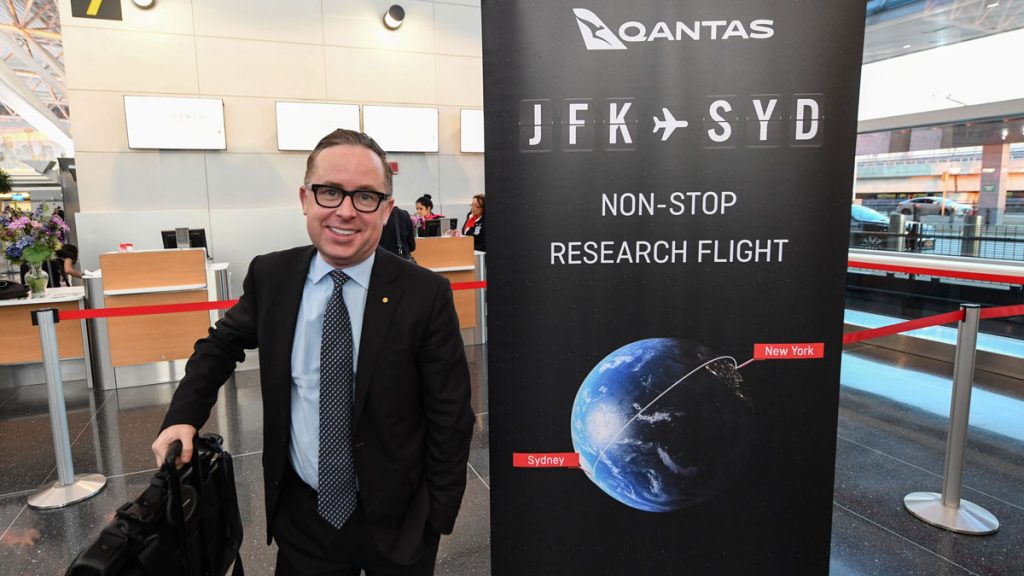
The pandemic became a proving ground for how profitable the schemes were to an airline like Qantas. While planes were grounded and borders closed, Qantas’ loyalty division was the only part of the airline making money, delivering AU$333 million in profit in the 2020–2021 financial year.
Back in 2013, when Qantas shares had reached junk bond status, CEO Alan Jones, fortunately, it turned out, rejected a sale of the loyalty business for AU$2.4 billion. At the time, some obserers though not selling was the wrong decision. In hindsight, that decision looks like a masterstroke.
Today, Qantas expects its loyalty arm to generate $800 million to $1 billion annually by 2030.
![Baggage carousel, Arrivals Wellington Airport 2022 [Schuetz/2PAXfly]](https://www.2paxfly.com/wp-content/uploads/2023/12/baggage-arrival-wellington-airport-2022-IMG_9319.jpg)
Impact for travellers
When loyalty programs become billion-dollar businesses, their priorities shift. Customers cease to be the focus. Maximising revenue and manageing cost become the primary purpose. That is evidenced by more points being issued than ever before. It also accounts for the shifting focus away from flying to ‘earn on the ground’, and the increaseing price of redeeming points for flights. It also has lead to dynamic reward models, like the Qantas ‘Points+’ scheme.
In simple terms that means points are easier to earn, but harder to use well.
Reward seats are scarce
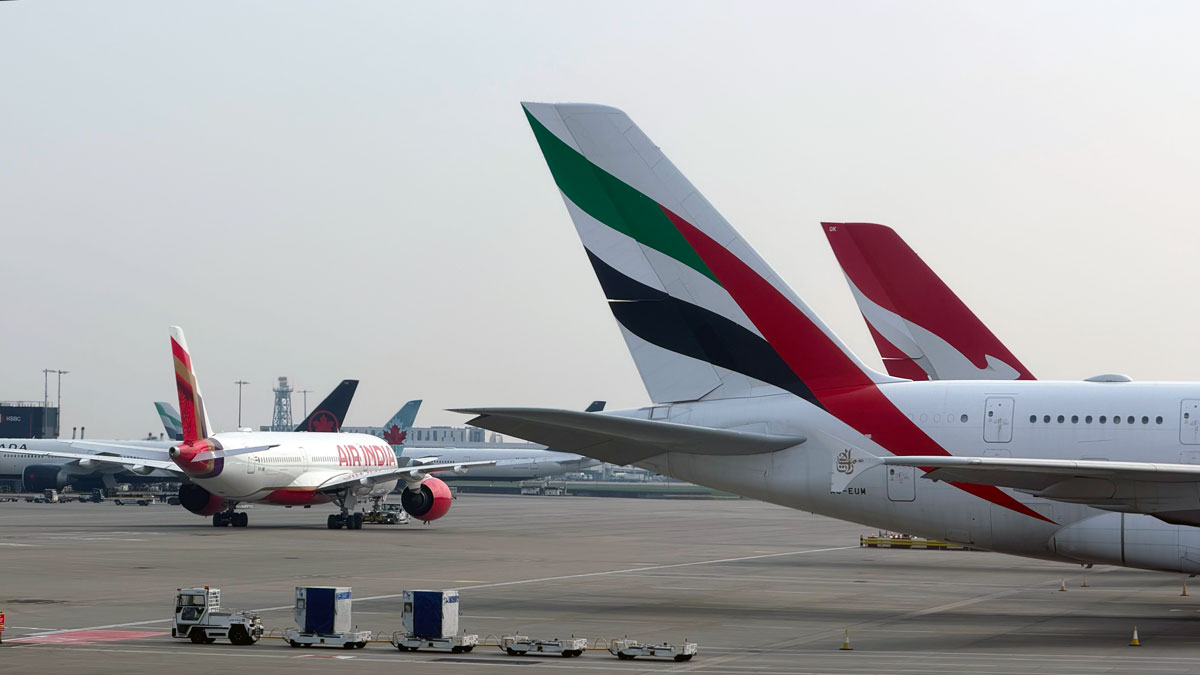
Airlines have massively increased the number of points available, but not increased the number of seats that can be redeemed by the same multiplier. That’s why seats are scarse. Airlines claim there are more seats available than ever. And they are right. It’s just that there are more millions of points chasing thos seats. That’s why premium cabin availability is so tight. It’s also why tools to find reward seats (like the new Virgin and Qantas search platforms) are becoming increasingly important.
It’s not that seats don’t exist it’s just that there are millions more points chasing them.
2PAXfly Takeout
This report confirms what savvy travellers have known for years. Frequent flyer programs aren’t just about rewarding loyalty, they’re among the most valuable assets airlines have.
For Australian travellers, it means that the time might come soon, that the points game is no longer winnable. And if travellers don’t feel like they can win by using points the way they want to, and I mean in premium cabins, then disenchantment and brand damge are not far away.
Airlines, and here in Australia, Qantas and Virgin need to achieve that fine balance between revenue and customer satisfaction. Otherwise the whole house of credit cards might come tumbling down!
That’s enough. I need to search Qantas rewards to see if I can get a free flight to Vienna!









What did you say?