

















QANTAS: A380 wing panel peels on first flight out of mothballs
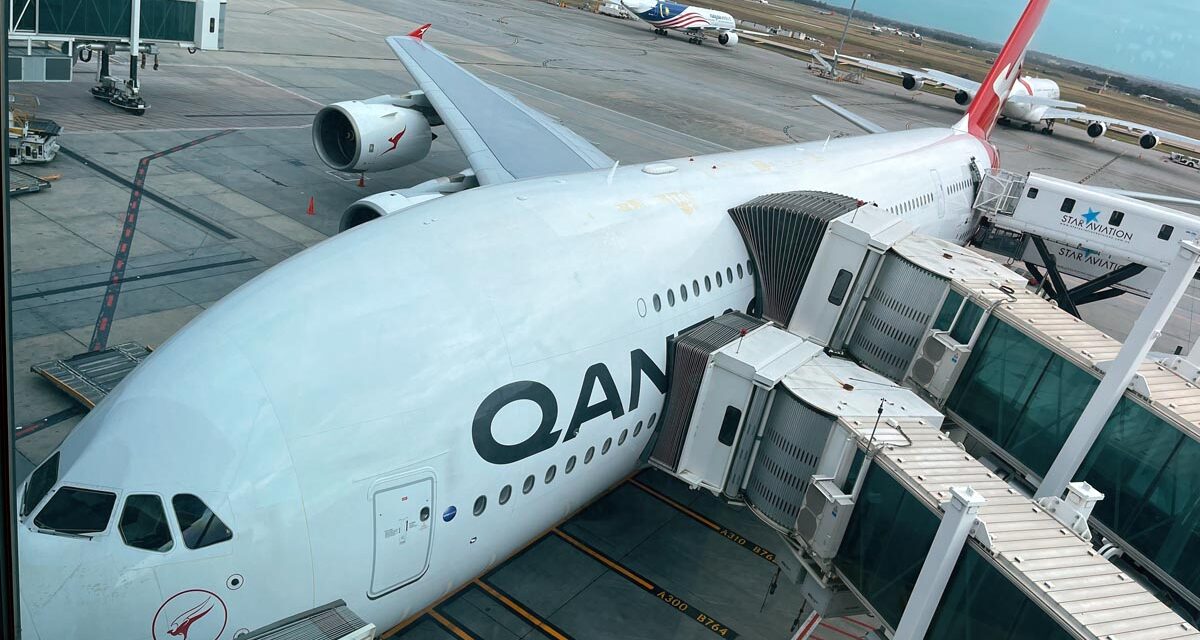
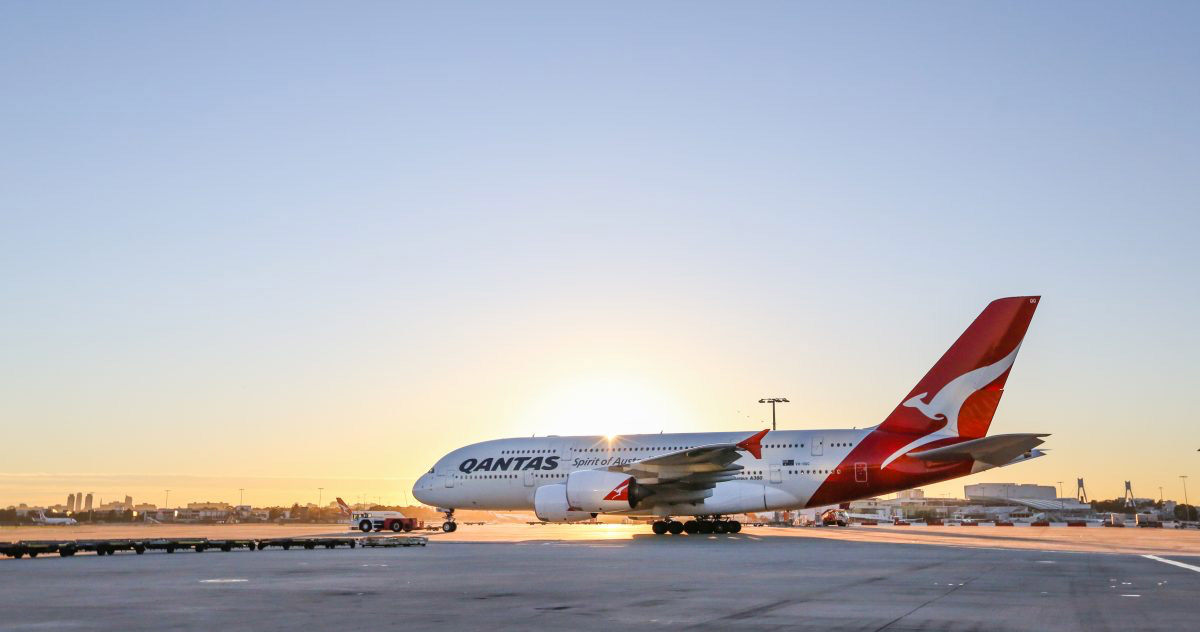
Qantas’ big, shiny, triumphantly returned Airbus A380 has been unceremoniously benched in Los Angeles after part of its left wing peeled apart on its first commercial flight back in service.
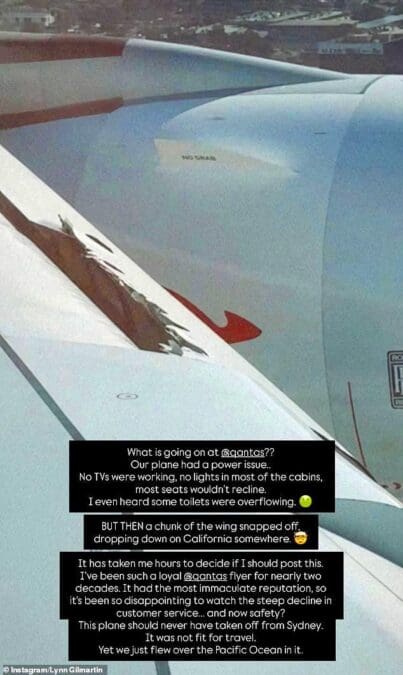
This happened after news releases only a few days ago with Qantas chest-beating about the superjumbo’s grand return after a ‘complete’ 100,000-hour maintenance overhaul. With a ‘full cabin refresh’, flight QF11 from Sydney to Los Angeles touched down with a damaged slat, exposing what appeared to be a hole in the wing surface. and because of social media, we have an image care of Instagram and Lynn Gilmartin.
The aircraft operated normally — Qantas
A Qantas spokesperson confirmed the damage on Monday (US time):
“A section of the slat on the left wing of one of our A380s was found to be damaged after landing in Los Angeles… The aircraft operated normally and landed without incident. Engineers are now replacing the slat so it can return to operations.”
Slats, for those not in the ‘avgeek’ set, are movable panels on the leading edge of the wing, deployed during take-off and landing to help keep the aircraft flying safely at low speeds. They are not meant to look like a rogue possum has chewed through them.
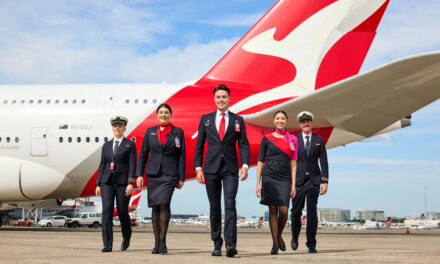
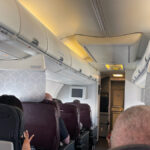
This A380, VH-OQC “Paul McGinness”, one of Qantas’ original 2008 deliveries, also suffered an unrelated electrical malfunction, knocking out inflight entertainment for a portion of the cabin on the 13-hour flight.
The aircraft was scheduled to return as QF12 to Sydney, but will now remain at LAX until a replacement slat assembly arrives mid-week. Passengers, which included former ambassador and treasurer Joe Hockey, received cancellation messages citing “extended maintenance to ensure a safe flight.”
Cue Hockey on Instagram:
“YOU MUST BE KIDDING #qantas”
Joe Hockey on Instagram
Awkward timing after Qantas’ A380 victory lap
Only days earlier, Qantas had flaunted the superjumbo’s return, describing the revival work in glowing terms:
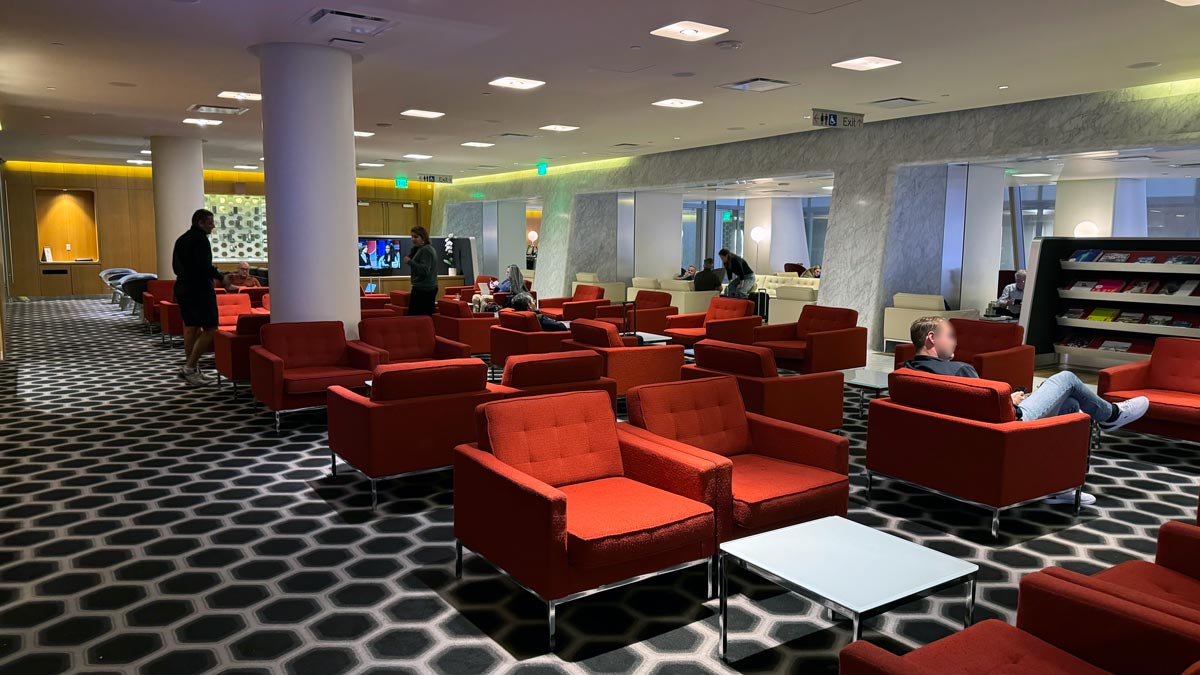
“Maintenance and engineering teams from around the world have completed more than 100,000 hours of work along with a full cabin refresh to prepare ‘Paul McGinness’ to rejoin the international fleet.”
That makes this incident, on the first commercial flight out of storage, spectacularly ill-timed for an airline still battling public trust issues around reliability, consistency, and its ever-aging long-haul fleet.
While Qantas states the aircraft landed safely and performed as expected, customers may be less reassured that cosmetic wing surfaces are detaching after such an intensive refurbishment program.
What happens next?
Qantas engineering teams are replacing the slat in Los Angeles, with the airline promising an update for customers by Wednesday evening AEDT.
Affected passengers have been re-accommodated on other flights, despite the current pre-Christmas capacity squeeze.
Airbus has not yet commented on whether this is an isolated event or a sign that aircraft returning from long-term desert storage will warrant closer scrutiny.
Why A380 reliability matters right now
Qantas is heavily relying on its small A380 fleet to meet peak summer demand and provide resilience amid A350 delivery delays and 787 maintenance cycles. The airline has marketed the returning A380 as a ‘spare’ to smooth potential holiday disruptions, which now looks somewhat optimistic.
The A380’s return was intended to signal stability. Instead, it’s become a reminder that airlines resurrecting long-parked metal face complex engineering realities… and the optics can turn on a dime.
2PAXfly Takeout
While Qantas stresses that there was no safety risk and that the aircraft performed normally, the images of a visibly damaged wing surface aren’t exactly reassuring for travellers. A small puncture to the wing flap is nothing compared to an engine explosion, which occurred on a Qantas A380 out of Singapore in 2010.
Passengers booked on the Los Angeles–Sydney route this week should brace for delays or rebooking, as the grounded superjumbo temporarily squeezes an already tight long-haul schedule in the lead-up to Christmas.
This incident also puts fresh pressure on Qantas to show that the A380 refurbishment program is robust, reliable, and not prone to teething issues after extended storage. The airline can’t afford repeated glitches from a fleet it’s counting on for operational resilience.
And finally, as every seasoned flyer knows, December is not the month to assume everything will run perfectly. It’s wise to pack patience and a backup entertainment device.






What did you say?