





















VIRGIN AUSTRALIA: Cuts Doha flights on Qatar jets as bookings lag
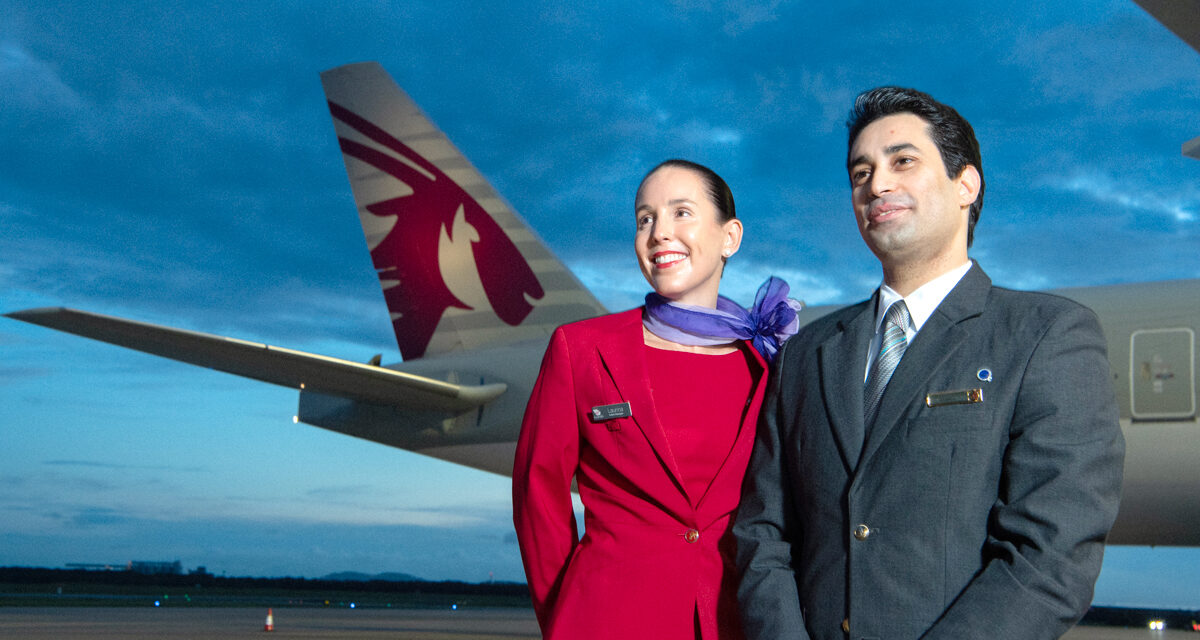
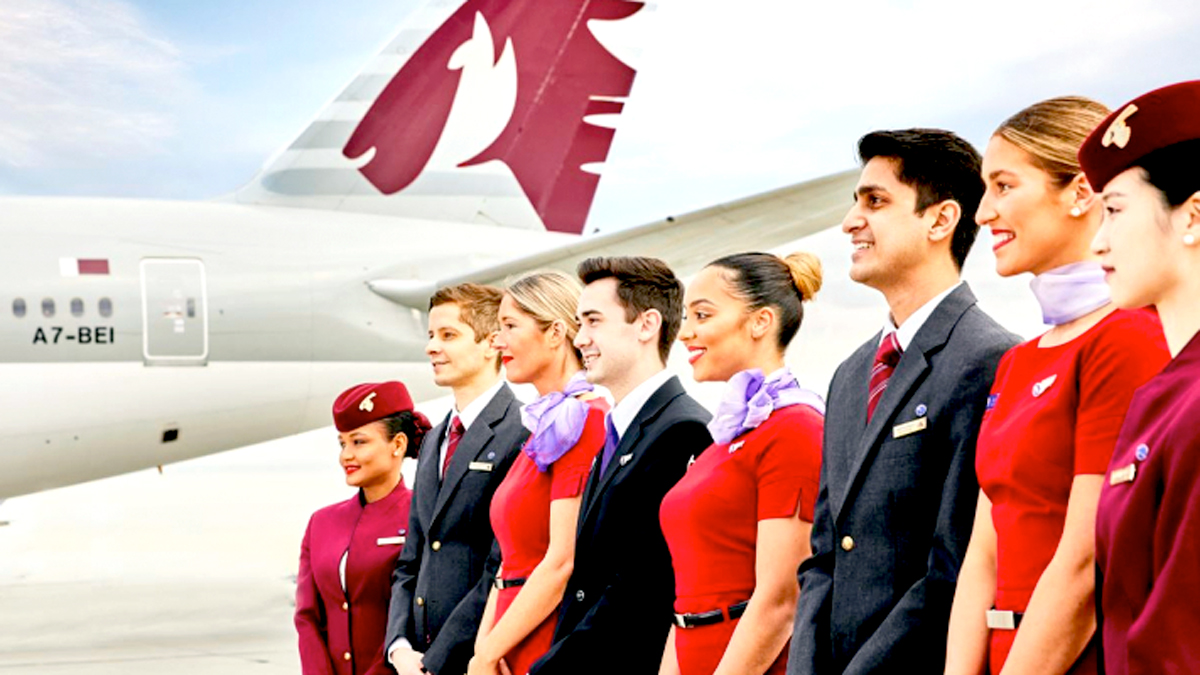
Virgin Australia’s high-profile partnership with Qatar Airways is facing an early recalibration, with several Australia–Doha services reduced across late summer and autumn schedules.
The services are operated by Qatar aircraft but sold under Virgin’s code, allowing passengers to earn Velocity Status Credits on long-haul sectors from Melbourne, Sydney, Brisbane and Perth to Doha.
On paper, the arrangement gave Virgin Australia a global footprint without owning a single widebody aircraft. In practice, the numbers suggest the rollout hasn’t been as strong as hoped. Or possibly this is just a seasonal blip.
Flight cuts
The cuts affect flights to Doha out of Perth, Brisbane and Adelaide. Most are reductions in frequency for several months, but still represent a significant reduction in available seats on the route. The question is, are these just low season adjustments, that will be reversed when we hit shoulder or peak season? Or, are this more permanant reductions?
Here are the details.

Perth cuts: QR901/QR900 or VA21/VA22
Between 16 February and 16 March, Virgin has reduced two weekly frequencies on the Perth–Doha rotation.
The flights affected are:
- QR901/VA21 PER–DOH (operated by Qatar Airways)
Typically departs Perth late evening (22:45), arriving Doha early morning (05:15) - QR900/VA22 DOH–PER
Departs Doha mid-evening (20:30), arriving Perth late afternoon (18:45)
Boeing 777-300ER in Qatar’s long-haul configuration are used on this route, consisting of:
- 42 Qsuite Business Class seats
- 24 Premium Economy (on refitted aircraft, where applicable)
- ~312 Economy seats (depending on configuration
With roughly 354 seats per flight, removing two weekly rotations over a month equates to approximately 6,372 seats withdrawn from the Perth market.
For Western Australia, which relies heavily on long-haul connectivity to Europe and the Middle East, that’s a meaningful capacity dip.
Brisbane cuts: QR899/QR898 or VA6133/VA6132
Flights out of Brisbane is also seeing two weekly frequencies cut during the same 16 February–16 March period.
Affected services include:
- QR899/VA6133 BNE–DOH
Departs Brisbane late evening (21:55), arrives Doha early morning (05:00) - QR898/VA6132 DOH–BNE
Departs Doha evening (20:00), arrives Brisbane late afternoon (17:30)
These flights are operated by Airbus A350-1000 aircraft configured with approximately:
- 46 Qsuite Business seats
- 281 Economy seats
Total: 327 seats per flight.
Removing two weekly frequencies over a four-week period removes roughly 7,788 seats from Brisbane’s long-haul capacity.

Adelaide cuts: QR915/QR914 or VA6125/VA612
Qatar has reduced Adelaide–Doha services by two flights per week between 13 April and 15 June.
The flights involved are:
- QR915/VA6125 ADL–DOH
departs Adelaide (ADL) at 22:00, arrives Doha (DOH) at 04:00 +1 day - QR914/VA612 DOH–ADL
departs Doha (DOH) at 20:20, arrives Adelaide (ADL) 16:14 same day.
Adelaide is generally served by the Airbus A350-900, configured with:
- 36 Qsuite Business seats
- 247 Economy seats
Total: 283 seats.
Across the two-month period, this reduction removes a substantial 14,160 seats from the South Australian market.

Why this matters beyond the numbers
Industry sources suggest Virgin is receiving around 10% of bookings on these Qatar-operated flights when sold under the Virgin code.
That low figure is important since it indicates roughly the revenue Virgin Australia is receiving from the code-share agreement. While Velocity members can earn Status Credits when booking via Virgin, many travellers may still default to booking directly with Qatar, particularly for premium cabins, which is a loss of revenue to Virgin.
This indicates that the partnership generates brand presence but may not yet be driving sufficient Virgin-coded revenue.
Runway works at Hamad International Airport
It is possible that factors in addition to the popularity of the flights have affected the frequencies on this route.
Runway 16L/34R at Hamad International Airport is currently operating with reduced capacity due to a reduction in length as part of ongoing remediation works. This situation is expected to continue until the completion of the maintenance phases in June 2026.
It is expected that the runway will be completely closed during ‘Phase 3’ between roughly 13 April and 13 June 2026. At the peak of the work (April-May), a 8.2% reduction in total capacity is expected. The reduction will not impact all routes equally. Long-haul routes with high volumes will be the most affected.
It will be interesting to see whether these cuts are extended to the period of the runway works at Doha’s Hamad Airport. That might indicate that they are related, as opposed to caused by a lack of sales.
The politics
One incentive for Qatar Airways to form this arrangement with Virgin Australia was the Australian government’s resistance to doubling Qatar’s bilateral capacity to Australia.
Qantas objected strongly to the increase, and the federal government declined Qatar’s expansion request. That seems to be the prompt for Qatar to deepen its links to Virgin, including acquiring a 25% stake in the company.
The Virgin Australia tie-up, wet leasing, and codesharing of Doha services are widely viewed as a strategic workaround for the denied bilateral capacity expansion. But now, Qatar is reportedly back in discussions about expanded air rights. That may affect the durability of the partnership long-term.
2PAXfly Takeout
These are targeted trims to capacity during the traditional low-demand shoulder season. For travellers, this reduction in capacity limits choice and any downward pressure on prices.
For Virgin Australia, it’s a reminder that selling long-haul flying without owning the aircraft requires more than a codeshare. It requires more and cleverer marketing to change customer behaviour and to restore an international brand identity for Virgin Australia.
What has been seen as a very clever pivot by both Qatar and Virgin may not be as clever as we all thought. For Qatar, it was a way to double flights, without a fight with the Federal Government. For Virgin, it was a way to get back into the international long-haul market without investing billions in aircraft and additional crew and pilots.
Let’s hope that the Virgin–Qatar partnership isn’t in trouble, but just going through an adjustment phase.
If Qatar eventually secures more direct rights, the real test will be whether Virgin remains effectively just a distribution partner or will it be relegated to a stepping stone for Qatar Airways Australian ambitions.








There are runway works at Doha April 13-June 13 so there are cuts across Qatar’s network
Hi Sam,
Thanks for this information. Interesting point, which I have now incorporated into the story. However, these works don’t start until after the current flight suspensions which mostly go through until mid-March, whereas the runway works don’t start until mid-April.
Incorrect. 16L/34R is already operating with reduced capacity due to reduced length. It’ll be closed entirely from 13 April to 10 June, but capacity reductions have already been implemented.
Hi Brad,
Thanks so much for your comment and its clarifying facts. I have fact-checked your information, confirming it is correct. I will amend the post to reflect the facts you have advised. Thanks again. Your comment is most welcome.