



















QANTAS: Gets A321XLR configuration very wrong. Too few loos.
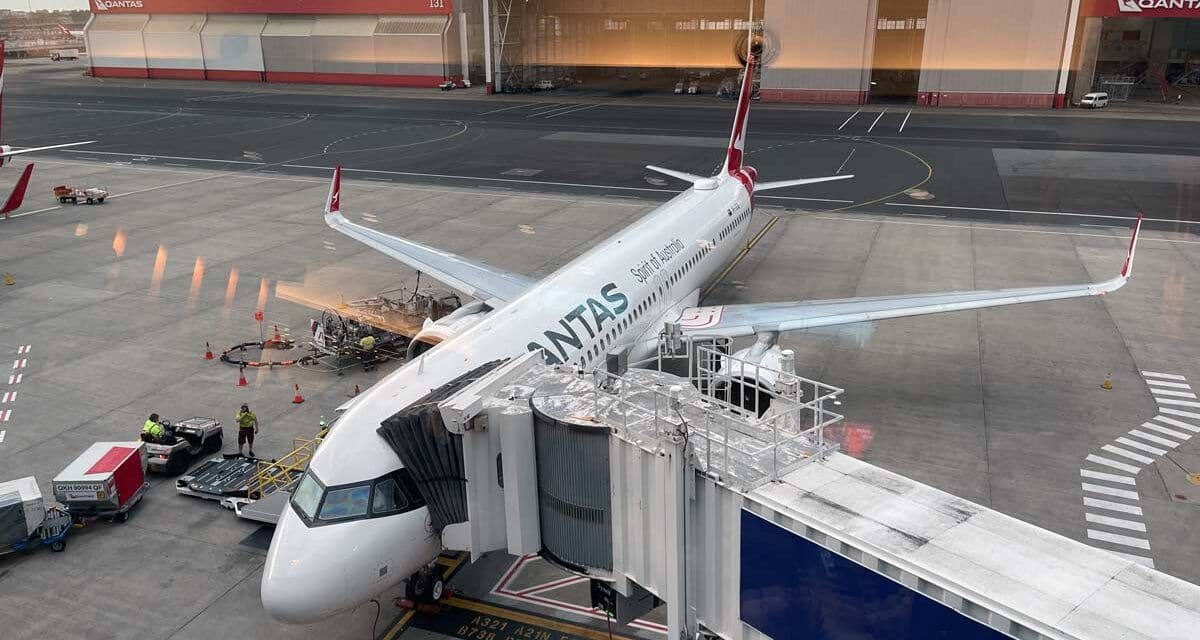
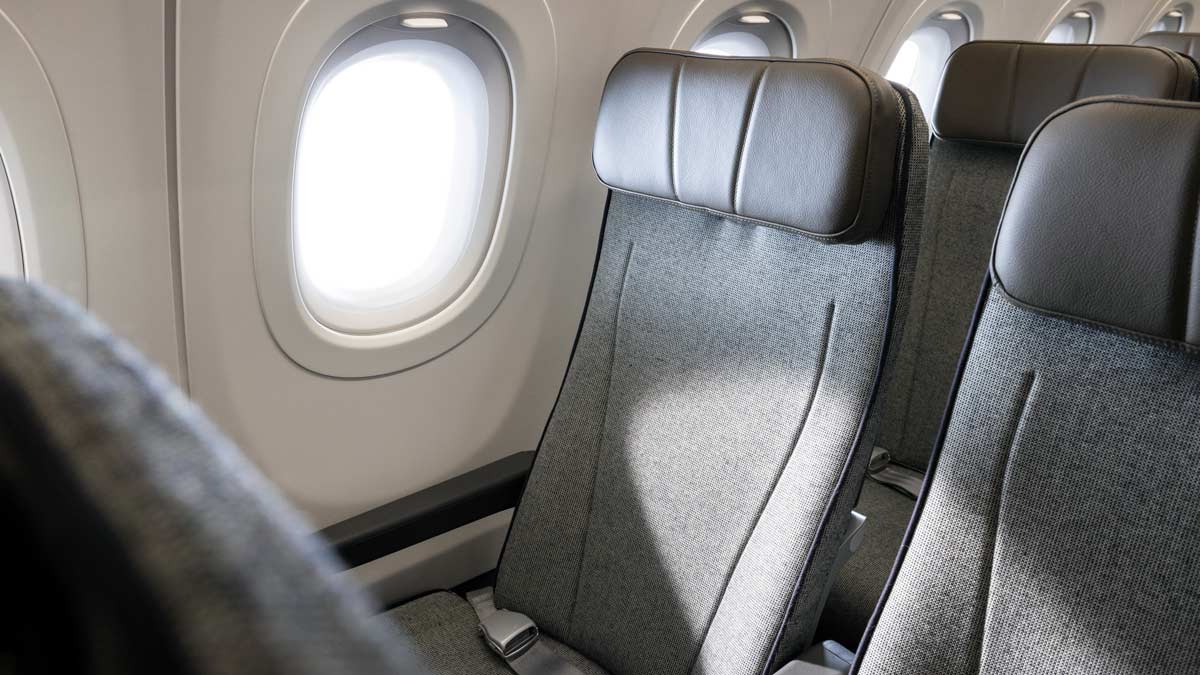
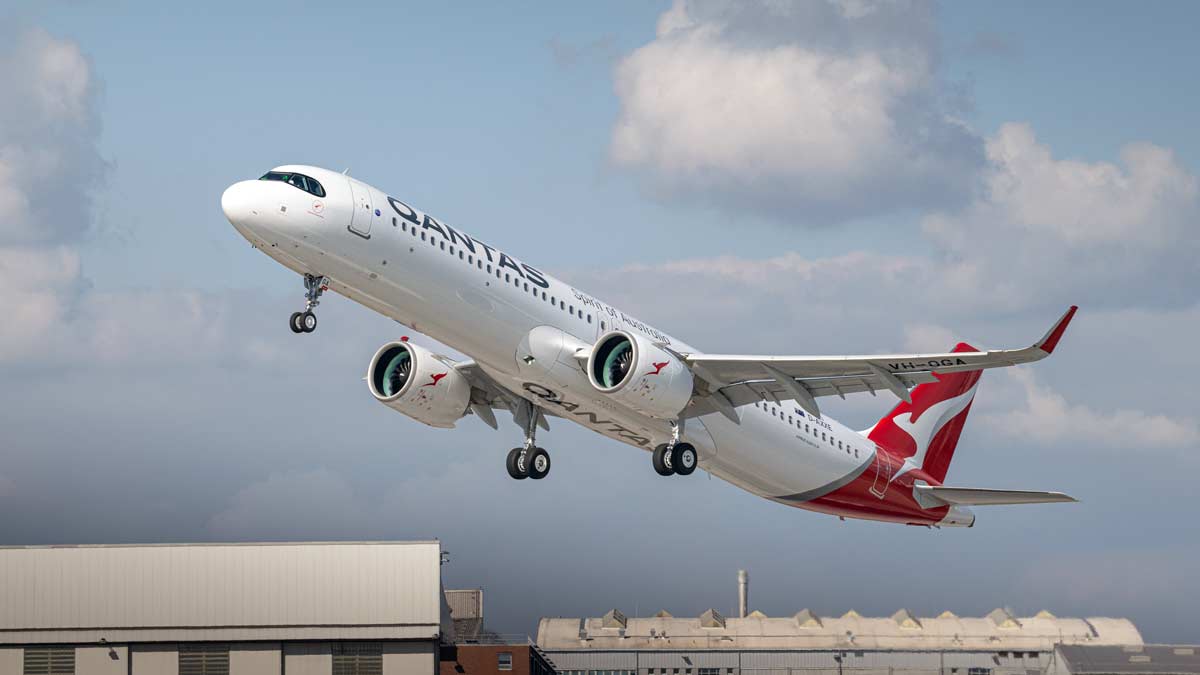
When Qantas began introducing its new Airbus A321XLRs, the focus was on longer range, larger overhead bins, and a more modern onboard experience.
Instead, they got one incredibly basic thing wrong. It has become the talking point amongst passengers. That is, not enough toilets, or colloquially, ‘too few loos’.
For a full-service airline trying to regain credibility with passengers after the damage ex-CEO Alan Joyce caused to the brand, that’s a big error. They need to fix it quickly. You can’t market yourselves on comfort, reliability, and a premium experience, and then not deliver.
Two loos for 180 economy passengers
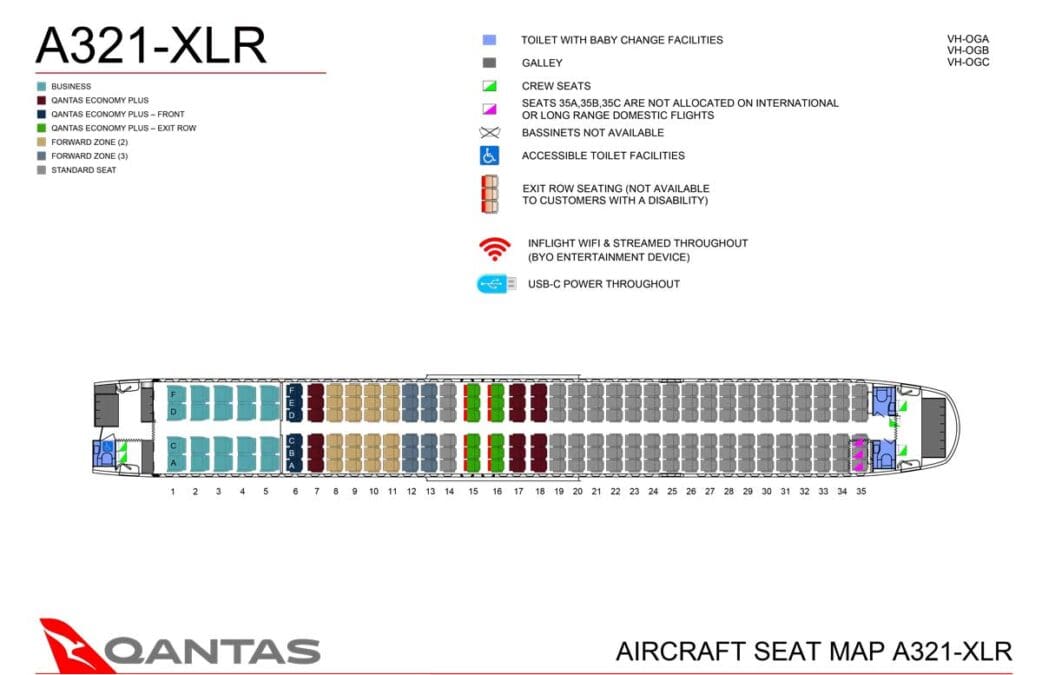
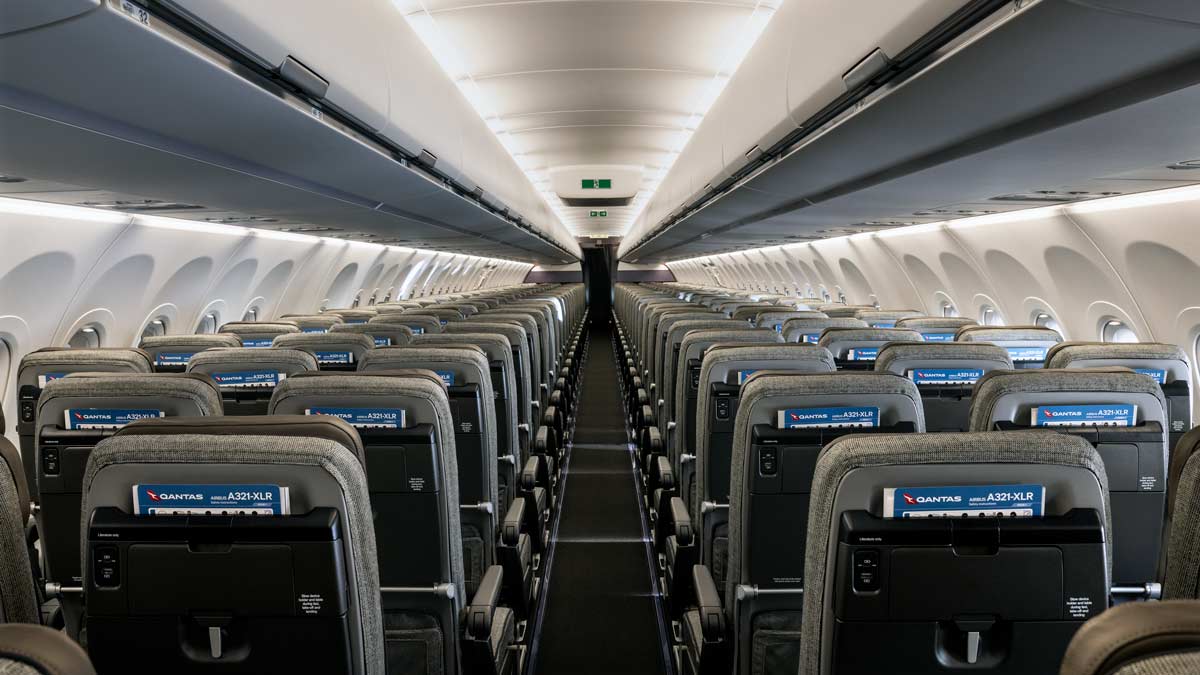
On the first three A321XLRs delivered to Qantas, the layout includes 200 seats, 20 in Business and 180 in Economy, but only three lavatories in total.
One is located at the front of the aircraft for Business Class passengers and flight staff. That leaves just two toilets at the rear for the entire economy cabin and crew.
That means the loo-to-passenger ratio is roughly one toilet for every 90 Economy passengers. That’s a ratio that has been labelled among the worst in the industry for a full-service carrier.
Why this matters
On short domestic hops such as Sydney–Melbourne, passengers may barely notice. But on longer domestic sectors, say the four-hour Sydney to Perth, the layout becomes far more problematic.
Expect queues to form after meal service and before landing. The rear galley is becoming congested, with cabin crew weaving around people waiting for the bathrooms. It already happens on the Boeing 737s with only 162 in economy, 174 including Business Class.
Comments from those who have flown the Qantas aircraft feel that the constant traffic to the rear toilets breaks the sense of comfort and calm. Indeed, Qantas realised its mistake back in September 2025.
For travellers who pay full-service fares and hold elite status, that does not make for happy campers.
What was Qantas thinking?
Like all airlines, Qantas designs its cabins around what’s known as LOPA. That’s the Layout of Passenger Accommodations. In simple terms, it’s the balance between comfort and revenue. Number of seats and premium cabins compared to space allocated for meals, crew, storage and bathrooms.
More seats mean more tickets to sell. That extra capacity for sale can make the difference between a profitable route and loss making one. But in this case of this new aircraft and configuration, many believe the balance has tipped over to a negative.
Passengers’ perception of comfort can be undermined by limited access to amenities. And that is particularly true on single-aisle aircraft.
Qantas admits error
Significantly, Qantas has already taken steps to address the issue. Qantas will take delivery of VH-OGD, its fourth Airbus A321XLR, this month (February 2026). It will have a fourth lavatory placed just aft of the forward cabin. This will adjust the horrible passenger-to-toilet ratio.
This revised layout will provide 177 economy seats with three toilets accessible by economy passengers. That gives a passenger-to-toilet ratio in Economy of slightly better than 1:60, making it more competitive and closer to the industry standard.
And, Qantas has confirmed that the first three ‘mistake‘ aircraft will be retrofitted with an additional toilet when they next go for heavy maintenance.
Crew feedback on the loo too
It wasn’t just passengers who thought the layout was excremental. Navigating the toilet queues during drink service and rubbish collection was a pain for the crew. Happy crew means happy passengers, which means happy airline.
I wonder if this loo shortage is a hangover from the Alan Joyce cost-cutting, maximising profit, even if at a cost to passenger satisfaction era?
What other airlines do
Other major airlines operating the A321 family have three lavatories for Economy passengers as standard. That inlucdes Delta Airlines, Lufthansa and others.
2PAXfly Takeout
It always amazes me when behemoth companies like Qantas, which spend billions on aircraft and research, get so few, but so important, things wrong. Or, more likely, make the decision to deliberately discomfort passengers to save money and make more profit, hoping that they won’t notice. But, we do. We value the comfort of seats, the roominess and availability of overhead bins, and the size, design and accessibility of the loos. Those experiences shape the way we view an airline and its service.
It’s not just the price.








FWIW, American Airlines just rolled out their a321xlr for trans-continental and long-haul overseas routing….same thing – 3 lavs…2 for coach and 1 in the front for 20 business class pax plus crew. No sign yet they see the error in their ways.
Hi Mike,
Thanks for the AA information. I had seen that, but left it out given how different the domestic markets are in the US and here in Australia. I’ll keep an eye out if they change their decision. Especially once they put them on international routes.