
















ETIHAD: A380 comeback gathers momentum as next superjumbo flies from storage
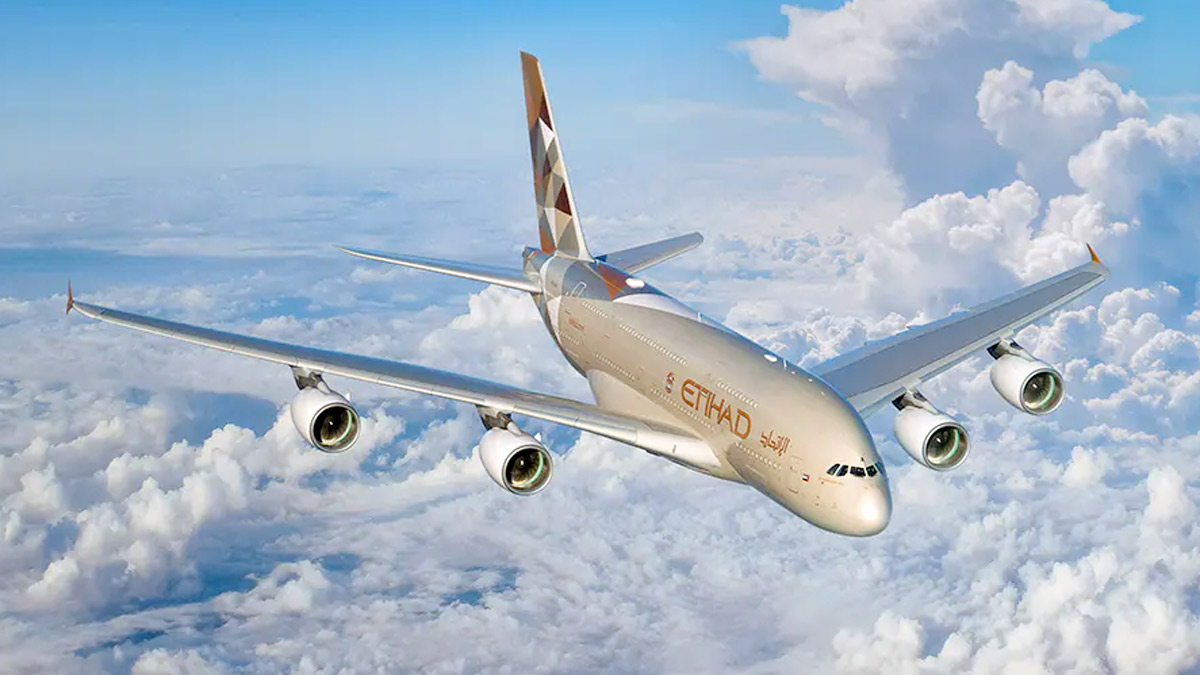
Etihad Airways has just brought another A380 out of long-term storage, making its superjumbo revival firmly part of the airline’s long-term strategy.
Another giant wakes up
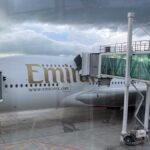
Etihad’s Airbus A380 A6-APC departed Tarbes-Lourdes-Pyrénées Airport in southwestern France on January 14, flying back to Abu Dhabi after years in storage. According to flight-tracking data from Flightradar24, the 11-year-old aircraft had barely moved since the pandemic, recording only two test flights — in August 2023 and December 2025.
Now back on home soil, A6-APC will undergo heavy maintenance and reactivation work at Etihad Engineering before returning to commercial service, becoming the airline’s eighth operational A380.
From grounded fleet to near full strength
Etihad originally operated 10 A380s, all parked in 2020 as international travel collapsed due to the pandemic. One aircraft was dismantled in 2025, but the remainder have steadily returned as premium demand rebounded faster, and more strongly than expected.
Seven of Etihad’s superjumbos are already flying daily from Abu Dhabi to London, Paris, Toronto and Singapore, routes where slot constraints and premium-heavy demand make the A380 particularly effective. With A6-APC now back, just one Etihad A380 remains in storage, also at Tarbes. It’s expected to return later this year.
If that happens, Etihad will be operating a nine-strong A380 fleet, a scenario not predicted even two years ago.
Asia in focus
The newly returned aircraft is slated to operate daily Abu Dhabi–Tokyo Narita flights from June 2026, timed for the northern summer peak. It’s suggested that the final A380 will enter service from January 2027 on another Asian route, possibly Seoul.
Not the only airline to revive its A380s
Etihad is far from the only airline to rediscover the value of the superjumbo. Emirates never let go of its A380s and continues to operate the world’s largest fleet. Singapore Airlines brought its A380s back as long-haul demand surged, while Qantas has returned the aircraft on flagship routes. In Europe, Lufthansa reversed earlier retirement plans, and British Airways has reactivated its fleet to meet transatlantic demand.
Built for premium demand
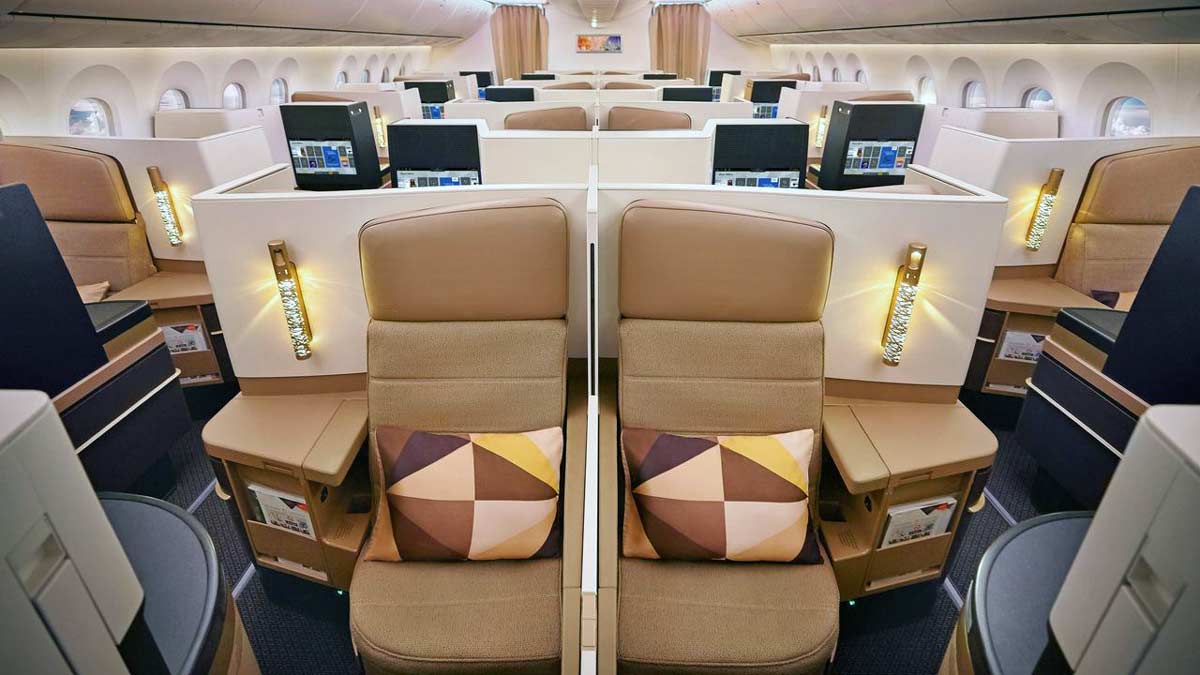
Etihad’s CEO Antonoaldo Neves has said the airline intends to keep its A380s flying at least until 2032. Each aircraft adds around 70 business-class seats, allowing Etihad to grow premium capacity at congested airports without adding frequencies. That’s a powerful argument where aircraft and landing slots are scarce in today’s market.
Still a flagship experience
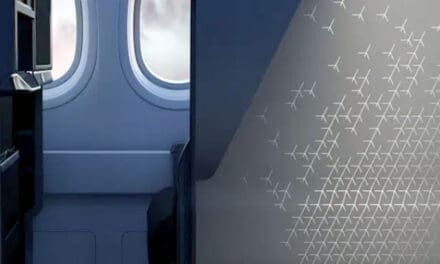
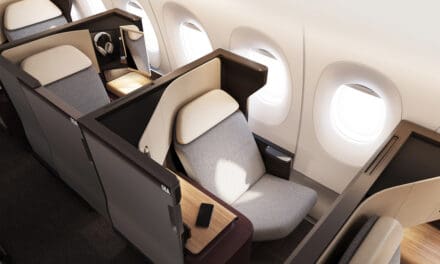
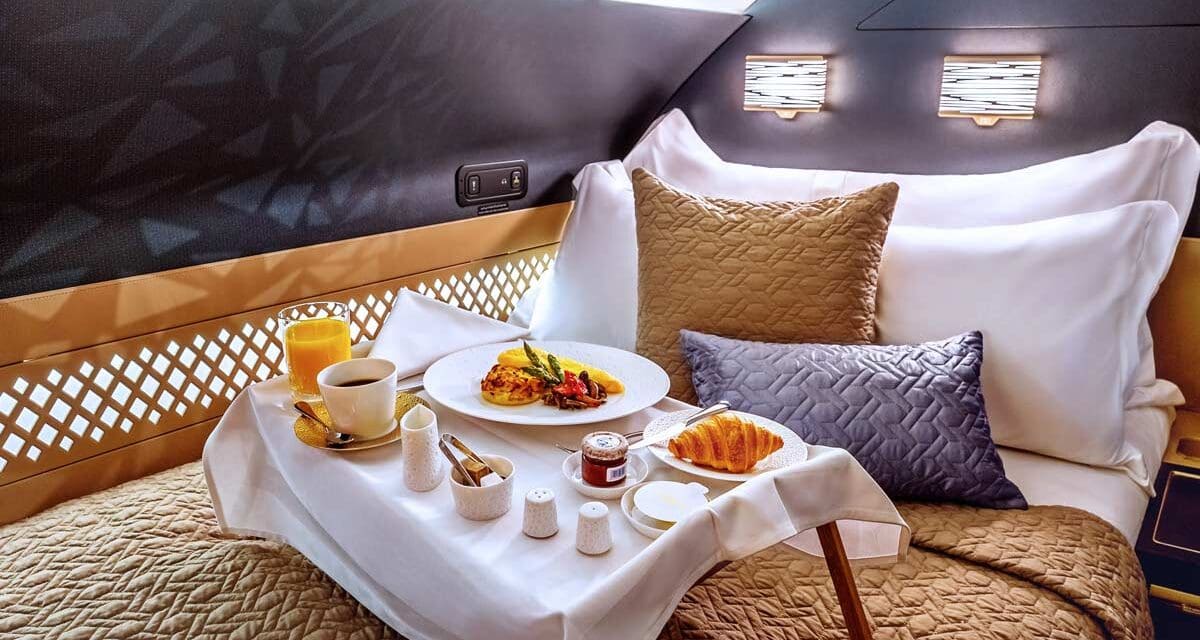
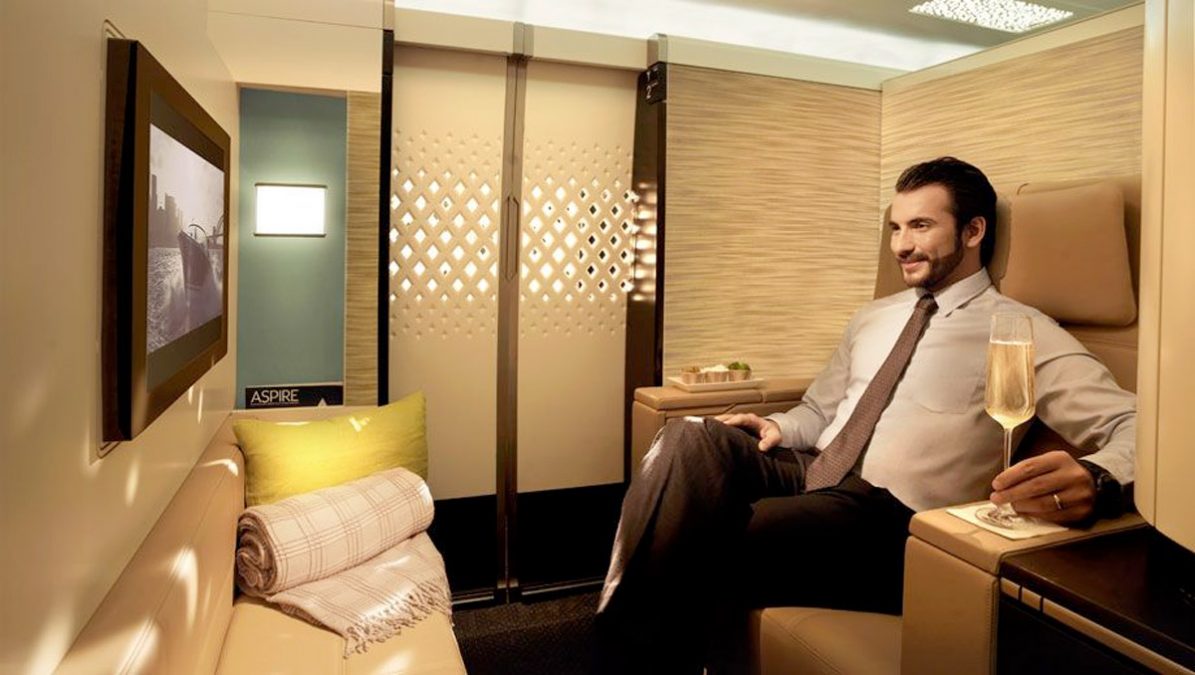
The appeal isn’t just capacity. Etihad’s Business Studios remain among the roomiest in the sky, while First Class Apartments, with a separate armchair and bed, are still unmatched. Etihad also has the unique The Residence, a three-room suite with a living room, bedroom and shower.
2PAXfly Takeout
The aircraft is a total hit with passengers, but most airlines have had difficulty making the economics work. Emirates Tim Clarke says that’s because most airlines don’t have enough of them. Well, as the A380’s biggest customer, he would say that. Clarke is even trying to convince Airbus to develop a new version of the aircraft using lighter, contemporary materials and more powerful, efficient engines. Airbus says ‘sure’, if you have a spare couple of billion to throw at us.
Although I really wish Airbus would consider refreshing the A380, it would take a major shift in industry needs and economics to make that a real possibility. More’s the pity.









What did you say?