
















SYDNEY AIRPORT: Air traffic control shortages bring chaos
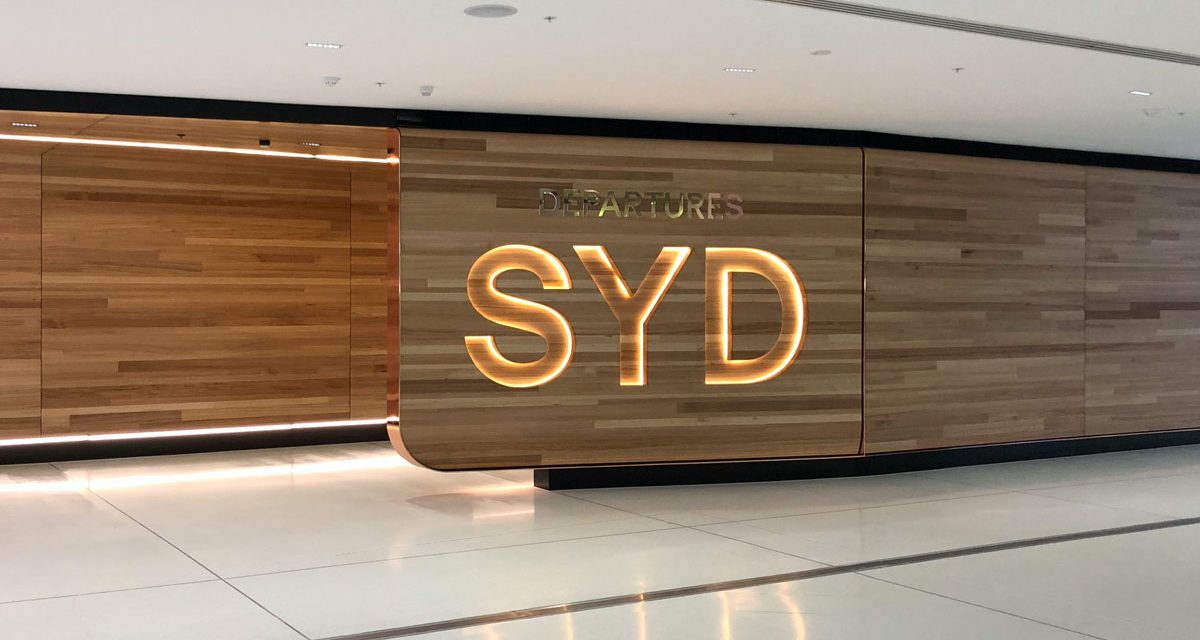
Dozens of flights have been cancelled, and many more were delayed on Thursday, 15 January 2026, according to the AFR. A shortage of air traffic control staff has triggered the worst disruption at Australia’s busiest airport since the pandemic began. As always, when Sydney sneezes, the entire national air network catches a cold.
What went wrong?
The problem wasn’t the weather, the aircraft, or the airlines. Airservices Australia has confirmed that short-notice sick and carers leave among air traffic controllers forced aircraft arriving and departing Sydney to operate with increased spacing, a necessary safety measure, but one that dramatically reduces capacity.
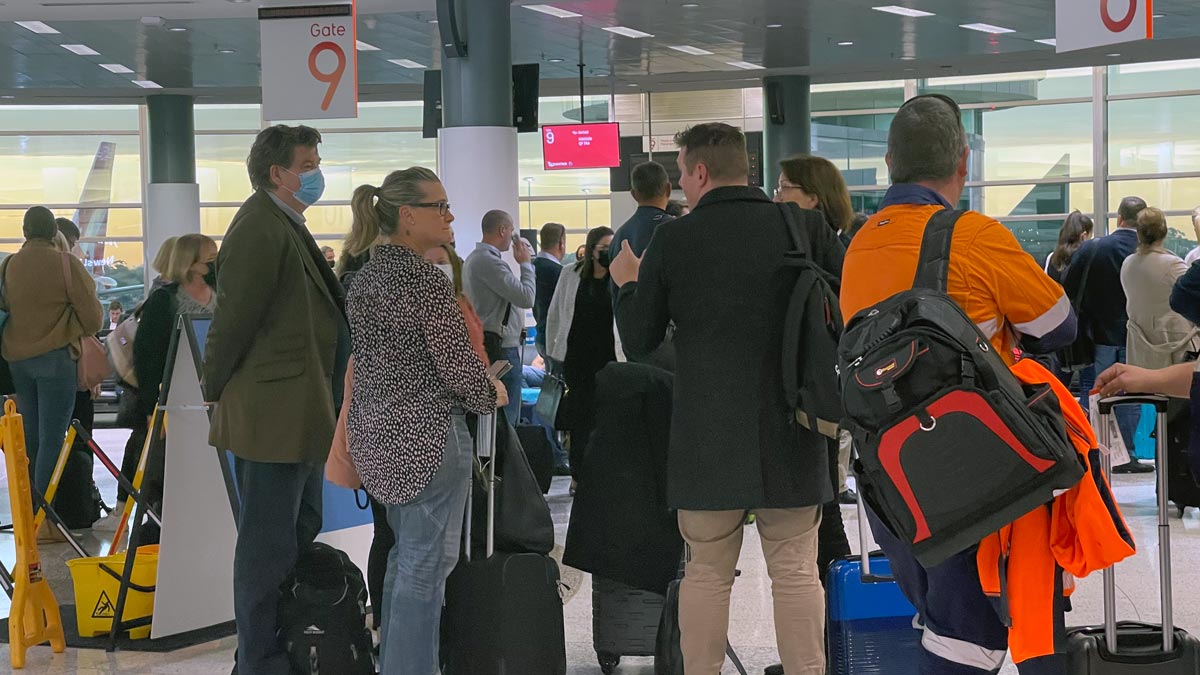
The result is that Aircraft have been stuck on the tarmac for up to two hours. Dozens for flights have been cancelled, and knock on delays have been rippling across the countries airports
Affected airlines
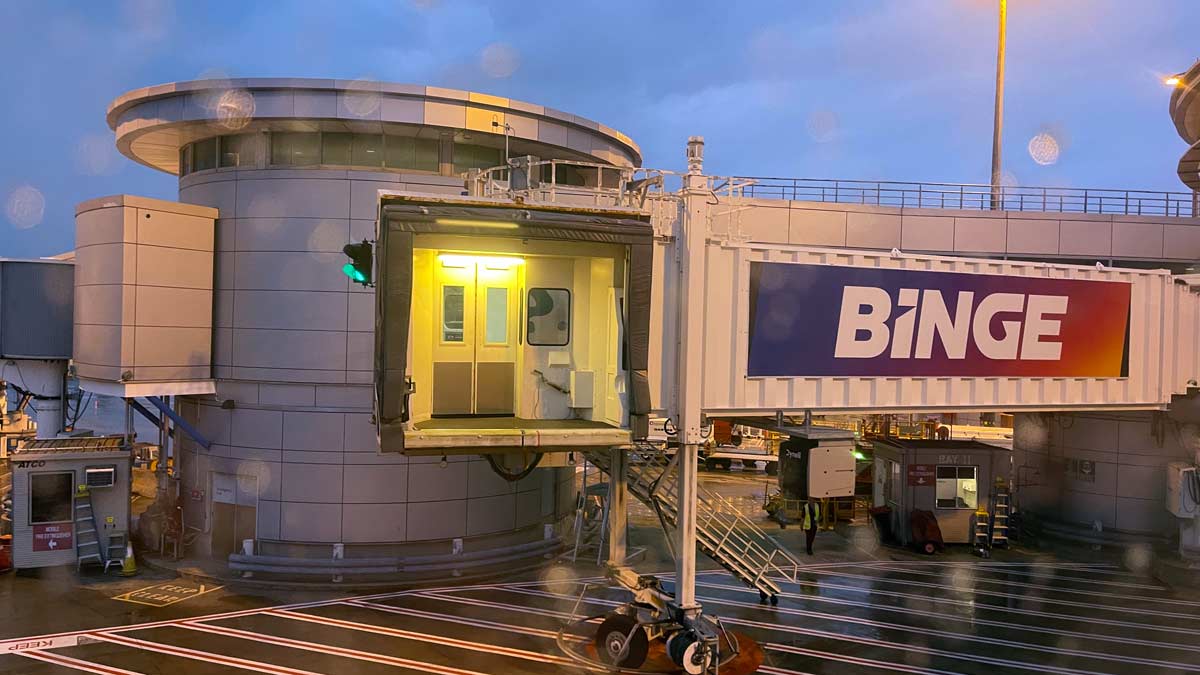
This issue has affected nearly all airlines operating into or out of Sydney Airport. At least 30 Qantas and Jetstar flights have been cancelled. Approximately ten Virgin Australia services have also been cancelled.
Because Sydney sits at the centre of the Australian aviation spiderweb, delays have quickly spread to Melbourne, Brisbane, Perth and beyond.
Airlines say this isn’t new
Airlines for Australia and New Zealand chief executive Stephen Beckett didn’t mince words, describing the situation as “not an isolated incident”.
According to Beckett, staffing shortages within air traffic control have been an ongoing issue, and when Sydney slows down, every other airport pays the price.
For passengers, that means missed connections, cancelled meetings, unexpected hotel stays and yet another reminder that airline disruptions aren’t always caused by airlines.
Airservices Australia is recruiting, but…
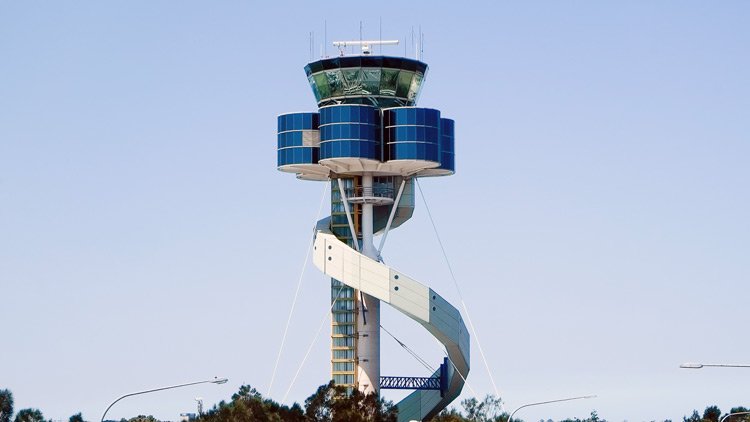
Airservices Australia reports it has recruited 91 air traffic controllers in the past year and insists delays caused by staffing shortages are far lower than previously.
That may be true, but it’s cold comfort to travellers stranded at the gate.
What this means for travellers
This kind of disruption highlights the uncomfortable reality of Australian aviation, that some aspects have still not recovered from COVID-19. And one of these aspects is the training and staffing of Aviation Australia with air traffic controllers. The pandemic saw many people leave the system, and with a 12 to 18-month training program, the sector is still recovering.
And its across the industry. When staffing levels drop unexpectedly, whether in airline ops, baggage handling or air traffic control, the Australian system doesn’t bend. It breaks.
For passengers, the lessons are familiar but worth repeating. Avoid tight connections, especially when transiting Sydney. Carry any essentials in your hand luggage, and a spare set of clothes, in case delays drag on. Airlines are still responsible for rebooking you when these kinds of disruptions occur, so be familiar with your rights and the terms and conditions of your ticket. What affects Sydney affects the rest of Australia, so expect disruptions at your airport even though it may be far from Sydney.
2PAXfly Takout
Air travel demand is back to pre-pandemic levels. That means airports are full, and schedules are packed, but staffing levels across the industry remain fragile.
When air traffic control shortages can bring the country’s busiest airport to a crawl, it raises uncomfortable questions about resilience, planning and whether Australia’s aviation infrastructure is keeping pace with reality.
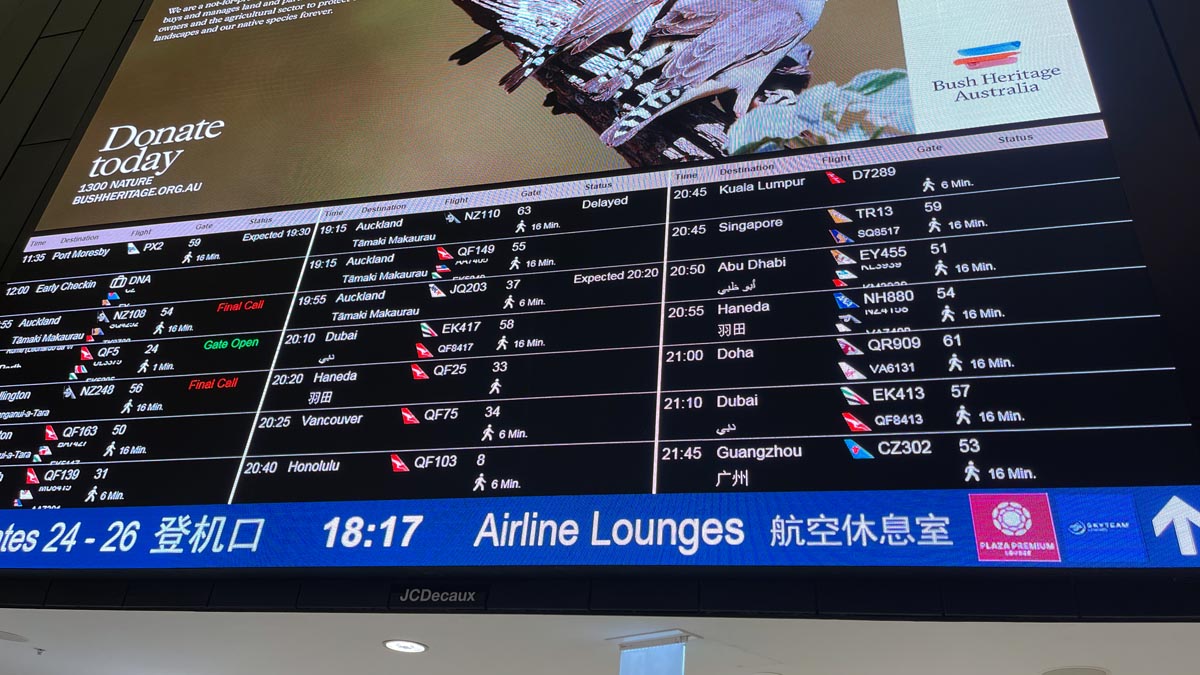
For now, travellers are left doing what they’ve done far too often lately. They wait, watching departure boards flicker, and hoping their flight isn’t next to be tagged with ‘delayed’ or worse, ‘cancelled’.





What did you say?