



















QANTAS: First Project Sunrise A350-100ULR jet rolls out
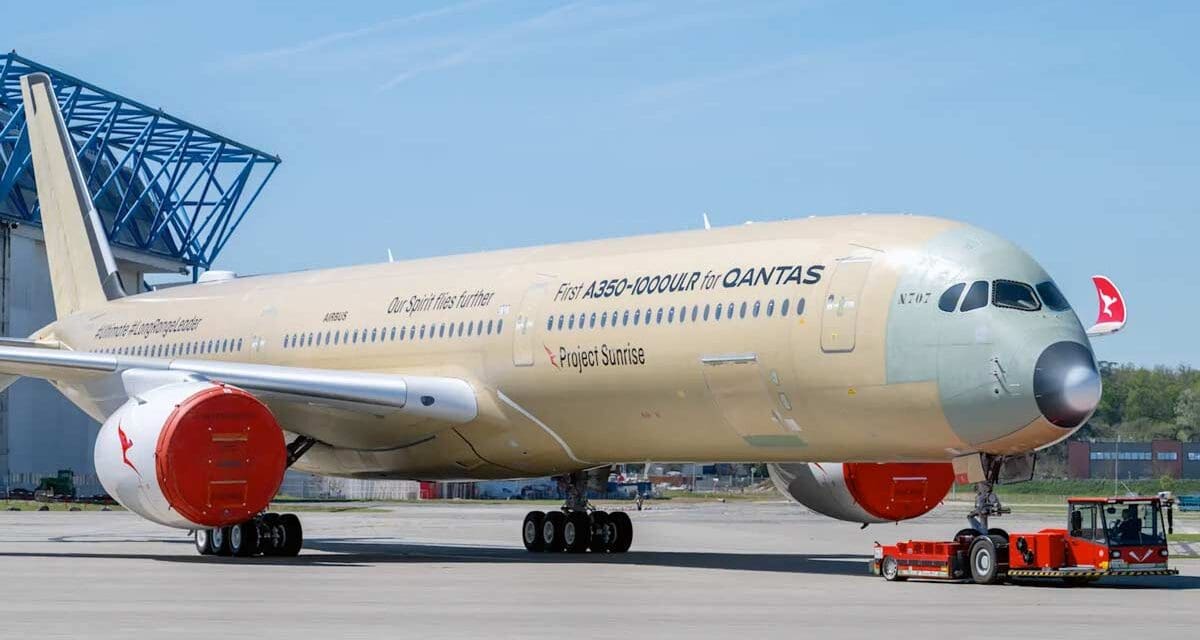
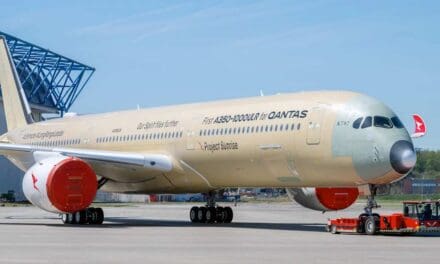
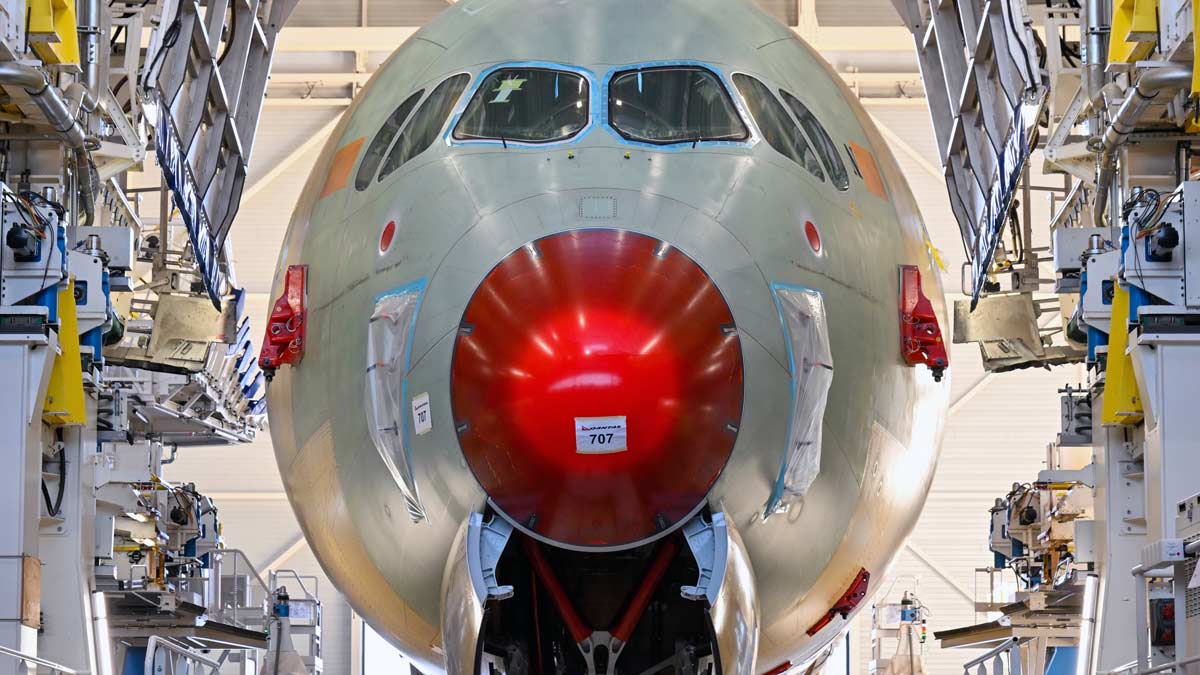
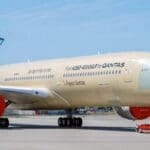
After years of hype, delays and plenty of scepticism, Qantas, or more accurately, Airbus, has rolled out its first ultra-long-haul Airbus A350-1000ULR from the factory in Toulouse, marking a major milestone for Project Sunrise. It’s a timely occurrence, with the current Middle East trauma, that this aircraft could fundamentally change how Australians get to Europe, making for one single uninterrupted flight from the East Coast of Australia.
A plane built to bypass the Middle East
The new Airbus A350-1000ULR (Ultra Long Range) is no ordinary jet. It is specifically designed for flights of up to 22 hours and can link Australia directly with cities like London and New York, without the traditional stopovers in Asia or the Middle East.
With ongoing instability and airspace disruptions across parts of the Middle East, Russia and Ukraine, the ability to avoid transit hubs entirely is becoming more than just a convenience; it’s a strategic advantage.
Qantas has even suggested that, depending on winds, the fastest route between Sydney and London could fly over Japan and across the North Pole, completely sidestepping traditional flight paths.
What next?
The aircraft, now fully assembled with fuselage, wings, landing gear and Rolls-Royce Trent XWB engines, will enter a two-month flight testing program in France. This phase will validate the aircraft’s performance, particularly the modifications that make Project Sunrise possible, including an additional 20,000-litre fuel tank to support those marathon 20+ hour flights.
If all goes to plan, the first commercial services from Sydney to London and New York are expected to launch in early 2027.
Fewer seats, more space, higher fare
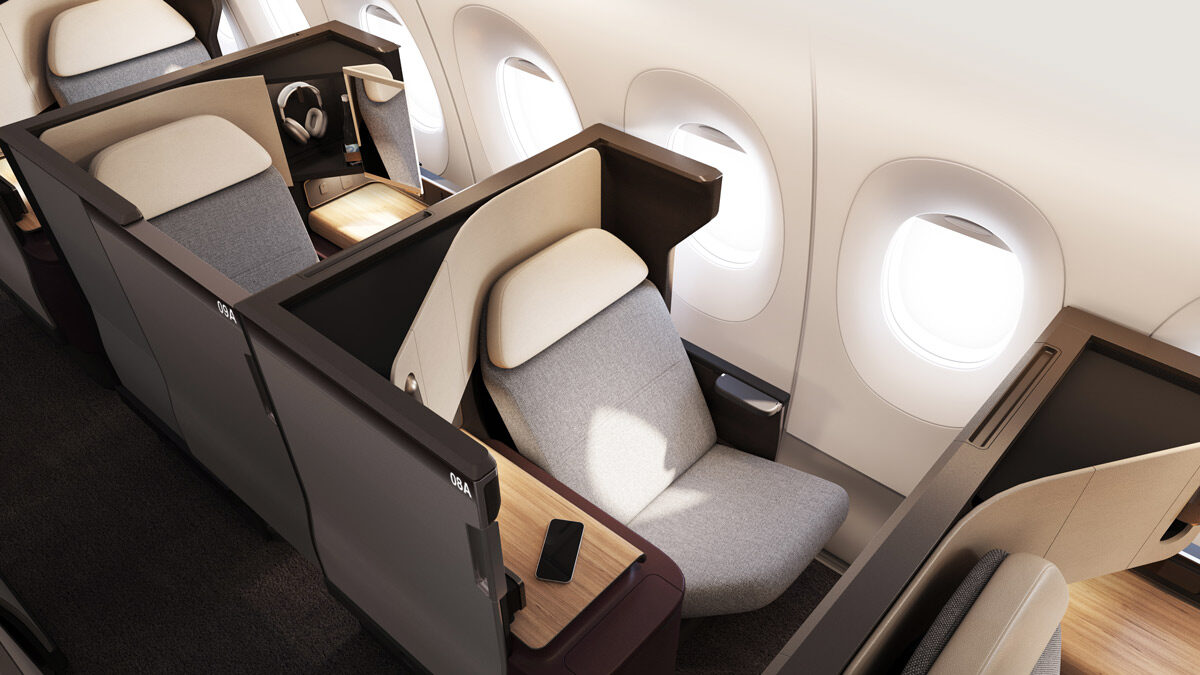
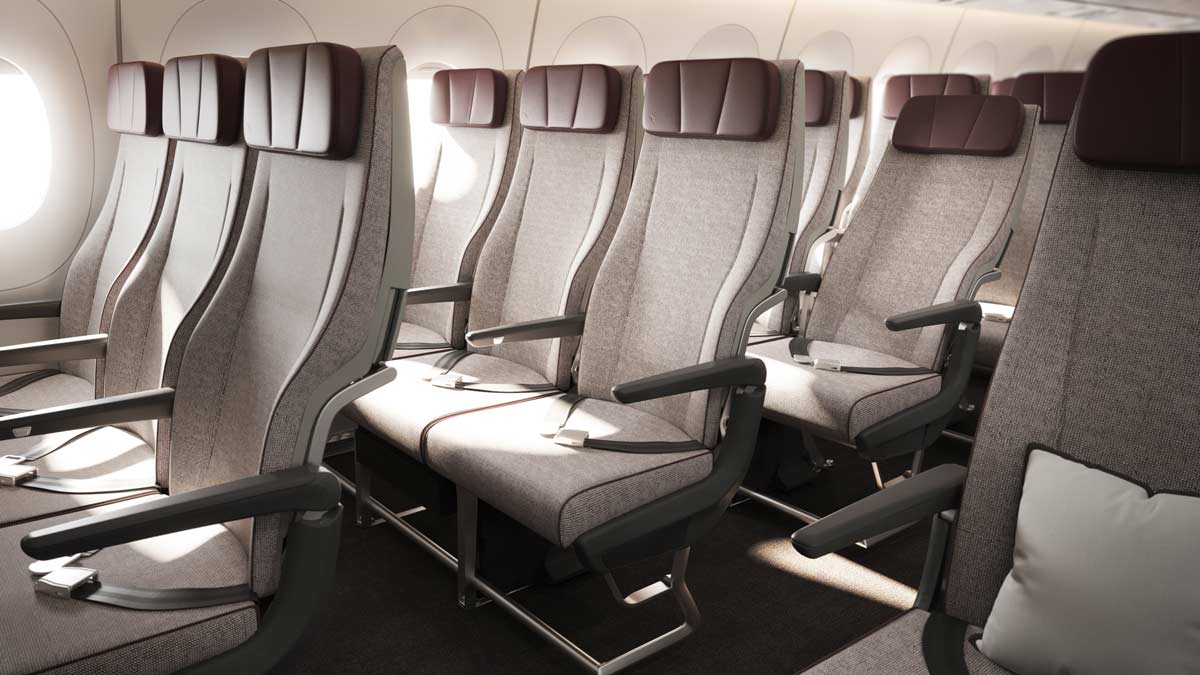
Instead of packing in the usual 300+ passengers, Qantas is configuring the aircraft with just 238 seats, trading capacity for comfort and range. That means more personal space in all cabins and a lower overall weight, which allows more fuel to be carried in an additional tank. That all leads to higher-priced fares for this ultra-direct flight.
But Qantas is betting that travellers, particularly business and premium leisure passengers, will pay around 30% extra to skip stopovers and the Middle East and get to Europe faster.
The cabins
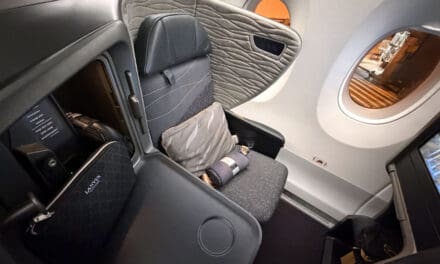
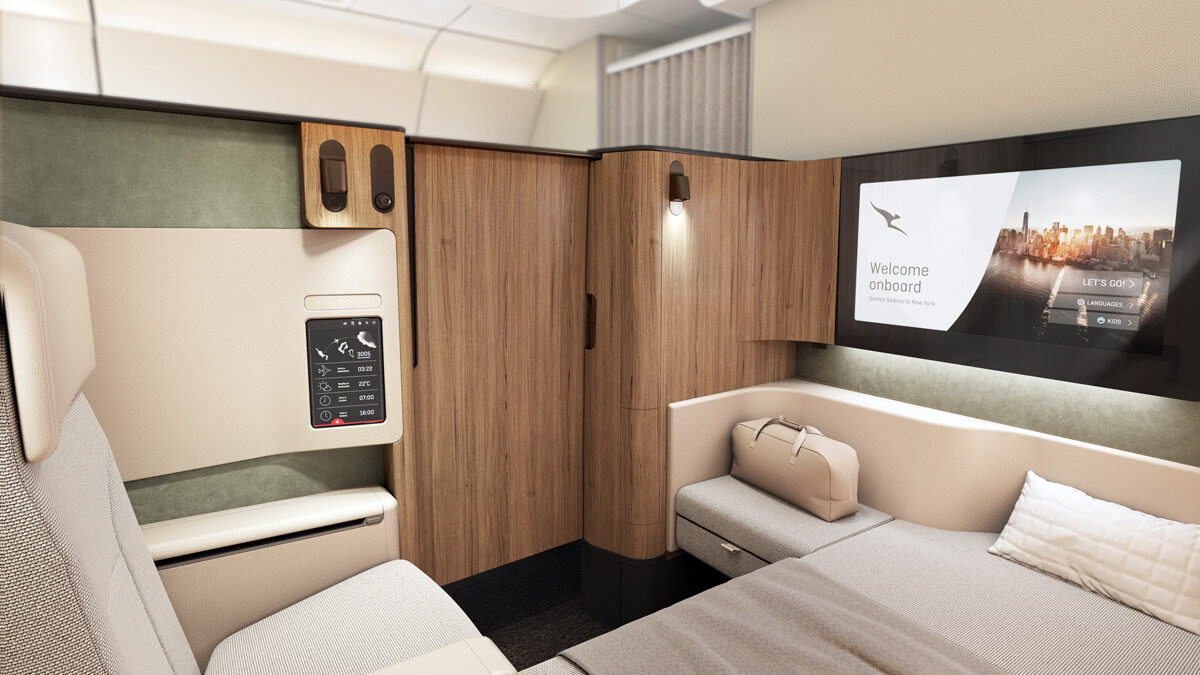
Spending nearly a full day on a plane isn’t something airlines had to plan carefully for. The A350 cabins, designed by Australian designer David Caon, will include dedicated ‘Wellbeing Zones’, which are really just souped-up spaces around an exit door, where passengers can stretch, move and reset during the flight.
There’ll also be redesigned premium cabins, upgraded self-serve refreshment areas, and a strong focus on passenger comfort across all classes. If Qantas does not make ultra-long-haul flying actually tolerable, it will have failed, and passengers are unlikely to continue to pay a high premium for the flights.
Double sunrise
There’s also a bit of storytelling baked into the rollout. Qantas plans to name its fleet of 12 A350 aircraft after stars, a tribute to its World War II-era ‘Double Sunrise’ flights, where Catalina flying boats navigated ultra-long routes using celestial navigation. The first aircraft already carries the slogan: “Our Spirit flies further.”
It’s all in the timing
Critics have long questioned whether passengers would really pay more to spend longer on a single flight, rather than breaking the journey. But the world has changed since that question was first raised.
With geopolitical tensions affecting traditional flight paths, and travellers increasingly wary of complex itineraries, the appeal of non-stop, point-to-point travel has grown. Avoiding transit hubs doesn’t just save time, it reduces exposure to delays, cancellations and security risks. In today’s environment, that’s even more a compelling proposition.
Not just about convenience — it’s about control
There’s also a strategic angle here. By flying non-stop, Qantas reduces its reliance on third-country hubs and contested airspace. That gives the airline more control over routing, scheduling and risk management.
2PAXfly Takeout
For Australian travellers heading to Europe or New York, this aircraft represents a genuine shift in how long-haul travel will work. If successful, then flights might continue to have fewer stopovers, more direct routes, and a premium-heavy experience designed for endurance. It could also challenge the hub and spoke model for desirable routes
But this option will come with higher fares and very long hours in the air. That might be OK if you are in First or Business, or even Premium. But 22 hours in Economy, I’m not so sure. I am definitely too old for that.
But as global travel becomes more complex, the idea of boarding once in Sydney and stepping off in London, without the Middle East, without the transit hassle, is starting to look very appealing.
If Qantas gets this right, then it might be a true pioneer of these particularly ultra-long-haul routes.





What did you say?