






















EUROPE: New EES entry system for Australians
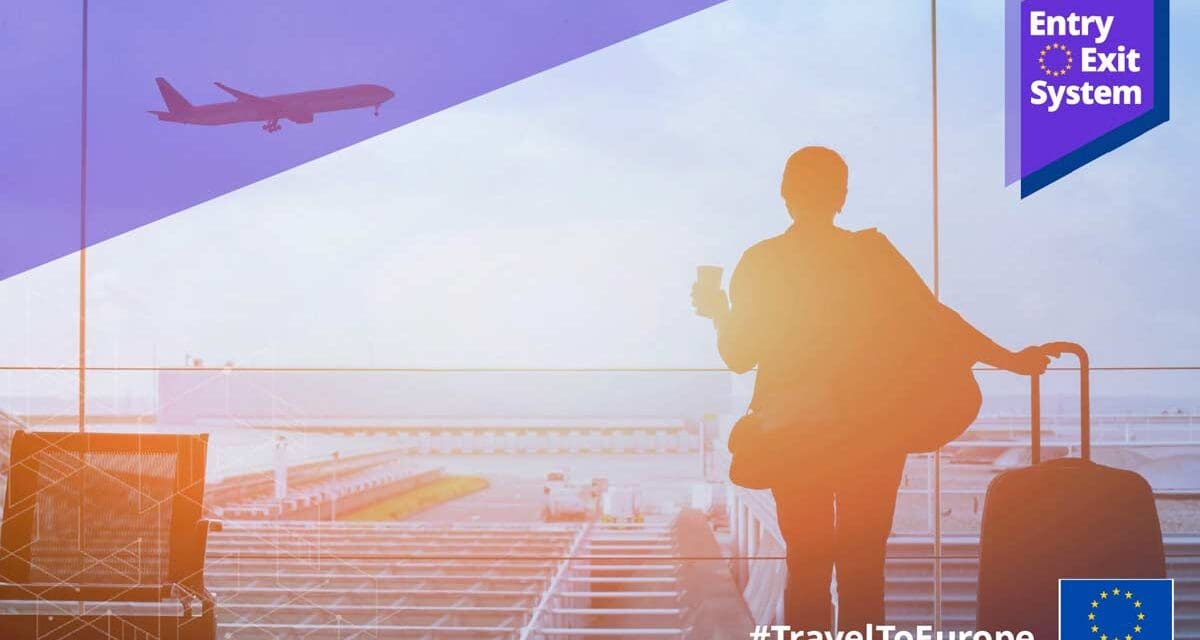
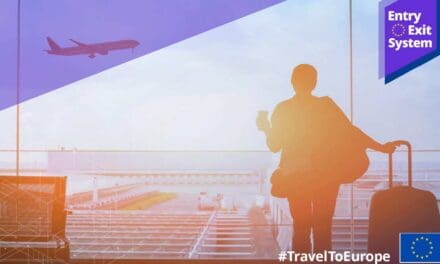
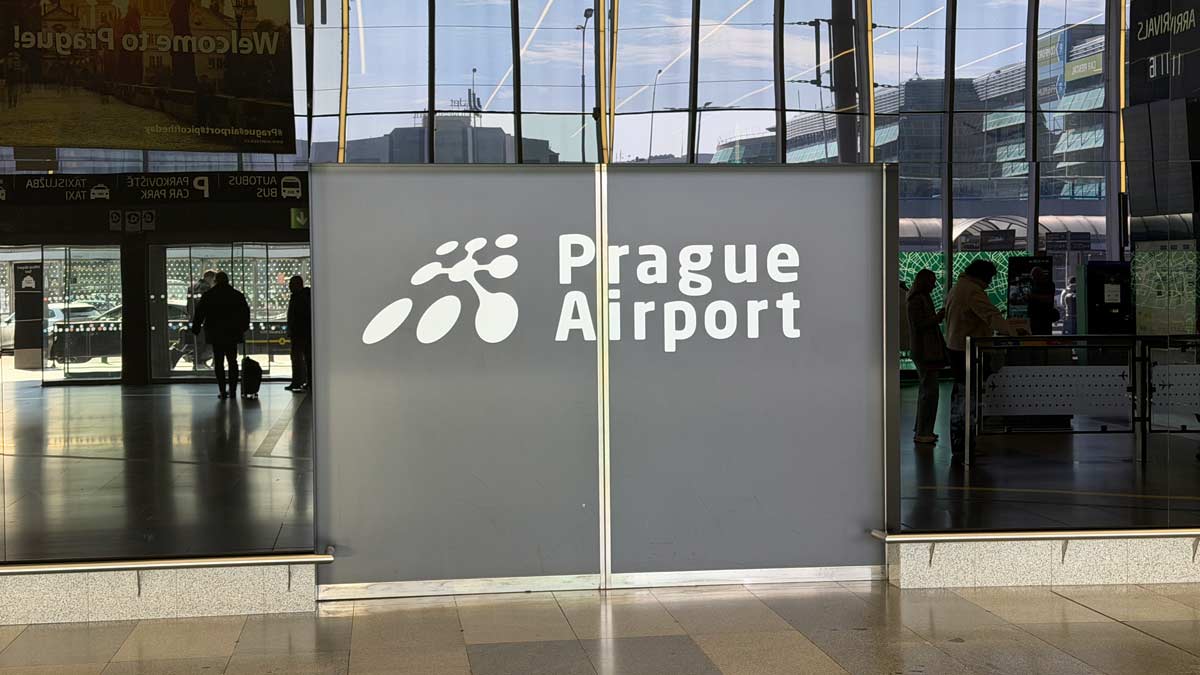
From April 10, a major overhaul of border control across much of Europe comes into full effect, replacing the familiar passport stamp with biometric data, digital records. I experienced this when entering the Czech Republic at Prague Airport in March, and it was surprisingly efficient.
It’s called the Entry/Exit System (EES), and while it promises smoother travel in the long run, contrary to my experience, Australian travellers should be prepared for some teething issues on their next trip.
Biometrics replace passport stamps
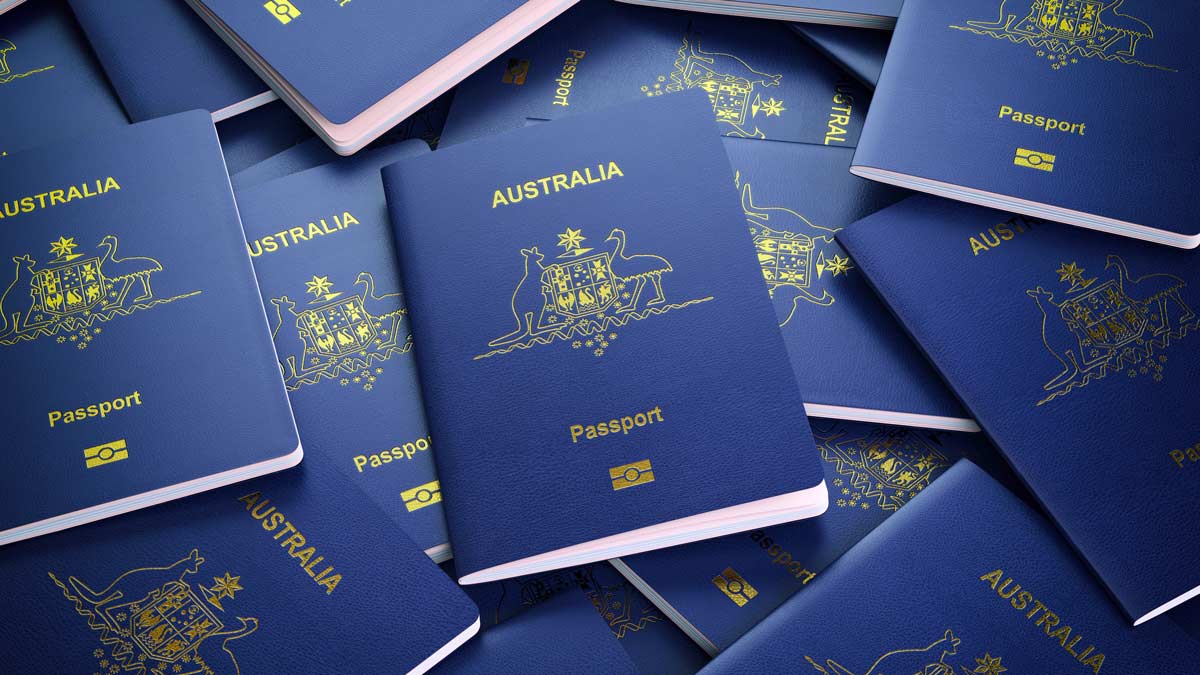
Well, that’s the promise. At my entry and exit in Prague, I had my biometrics (face and fingerprints) photographed, but I still got stamps in my brand-new passport. Eventually, under the new system, Australians arriving in Europe will no longer simply hand over their passport for a stamp.
You will first need to visit a kiosk or a border officer to have your biometric data collected. Think of it like re-entering Australia, but you need to not just get your passport stamped, but also your fingerprints and a face scanned. That then creates a digital profile linked to your passport.
You need to do this for all short-term visits (up to 90 days in any 180-day period), whether you’re travelling for tourism, business or visiting family.
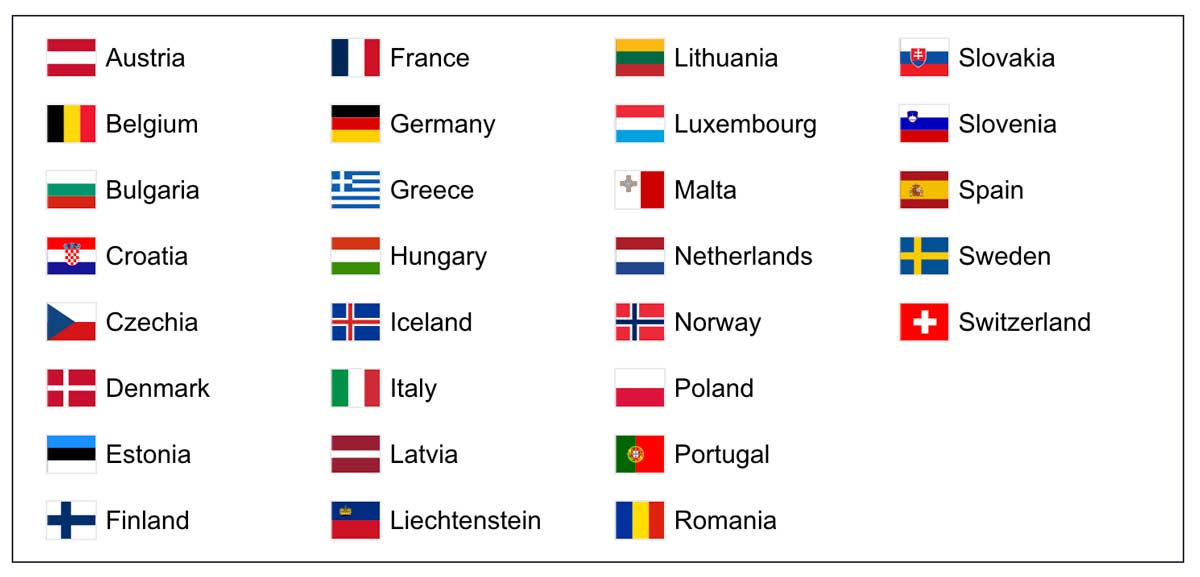
The system covers the 29 countries of the Schengen zone, including major destinations like France, Italy, Germany, Spain and Switzerland, and in my case, the Czech Republic.
Expect longer queues
That biometric registration process, including fingerprints, photo, and verification, adds extra time at the border, and early reports suggest queues are already building at major airports and rail entry points. If they have them, scan at the free-standing registration stations before you get to passport control. That will make your processing quicker, and there may even be a separate queue for you. If you miss the stations, the passport-checking booths are likely to be equipped with fingerprint and face-scanning devices as well. So you can also do it there.
Although it may be more time-consuming now, it should expedite your entry in the future.
Why Europe is doing this
The new system is designed to tighten border security and modernise how travellers are tracked. By replacing manual passport stamps with digital records, authorities can more easily detect overstays, identify false identities, and monitor transfers across the Schengen area.
ETIAS is next
The EES is laying the groundwork for another big change coming later in 2026. The European Travel Information and Authorisation System (ETIAS) will be like the US’s ESTA or the UK’s ETA.
Australians will need to apply online before travelling, pay a small fee (around €20 / A$35), and receive approval before boarding their flight.
Combined with EES, this means European travel will soon involve both pre-clearance and biometric checks on arrival. That’s a significant shift from the relatively frictionless system Australians have enjoyed for decades.
Affect on your travel plans
For most travellers, the impact will be manageable. However, it is wise to allow extra time for immigration at the moment. Avoid tight connections, particularly if you’re transiting to another Schengen destination.
Head to the standalone machines in the arrival area and do your biometrics. My advice is, don’t wait until you approach the passport booth.
It’s also going to mean you can’t just float around Europe anymore. You will need to be a bit more structured about your approach. Remember, this new system will apply to both rail and air travel.

2PAXfly Takeout
The new EES system may add time and complexity to your arrival in the short term. It also means that authorities are collecting more information about you than previously. But, eventually, future trips should be smoother.
ETIAS will be the bigger change. You will no longer be able to do a simple ‘book and go’ trip to Europe. You will need to complete another online stip, probably a few days before your travel.
Although my innate sense of privacy blanches at the additional data being collected. If this makes travel smoother, as it has for Australians entering the UK, then I’m for it.












What did you say?