






















AIR NEW ZEALAND: Cuts 1,100 flights, affecting 44,000 passengers due to Middle East conflict

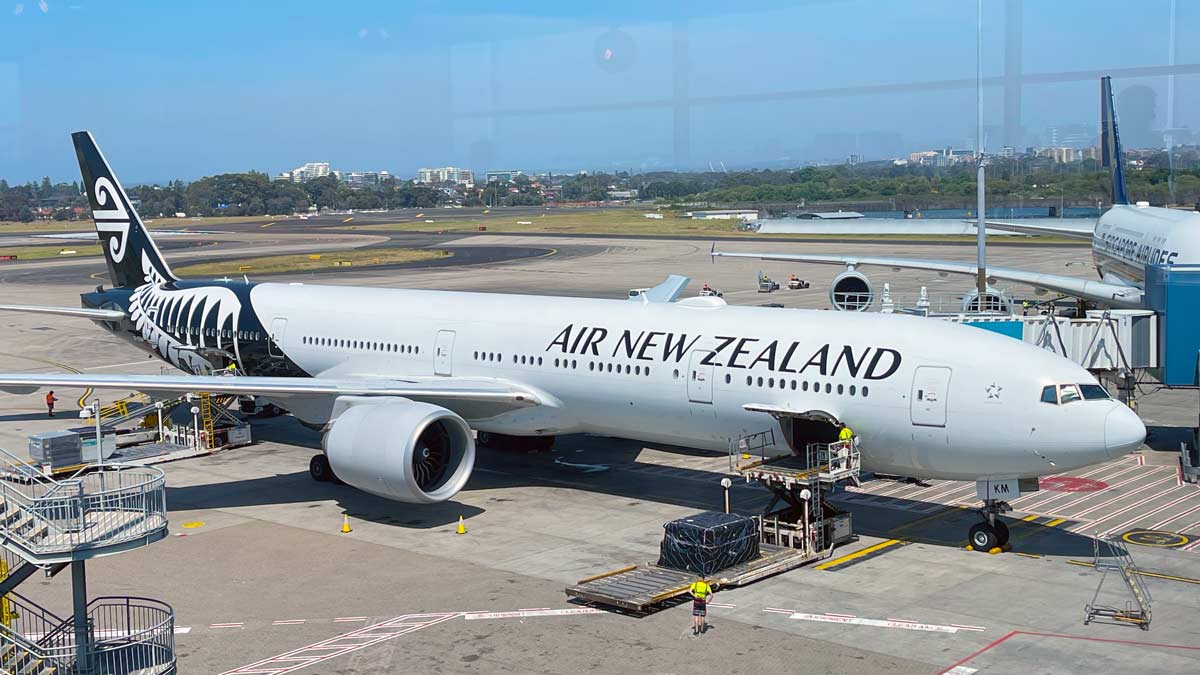
If your upcoming trip involves Air New Zealand, it’s worth double-checking your booking. The Kiwi carrier is cancelling around 1,100 flights through to early May, impacting roughly 44,000 passengers, as surging fuel prices ripple through the aviation industry.
Most travellers are expected to be rebooked onto the same-day flights, as in most cases, frequencies will be affected rather than routes cut.

Frequency trimming
Air New Zealand says the cuts will be spread ‘proportionally across the board’, meaning both domestic and international services are affected, but no routes are being scrapped entirely.
Instead, the airline is trimming frequency, particularly on off-peak flights. That means fewer choices, tighter schedules, and less flexibility if things go wrong.
The airline expects to carry around 1.9 million passengers over this period, so while the percentage impact is relatively small, the real-world effect for travellers can still be significant, especially if you have connecting flights.
Why flights are being cut
At the heart of this is one thing: fuel. The ongoing Middle East conflict has sent jet fuel prices soaring, putting immediate pressure on airline operating costs. For Air New Zealand, that’s already translated into a suspension of earnings guidance, a half-year loss and fare increases across the board.
Ticket prices are already rising, with domestic fares up around NZ$10, short-haul international up NZ$20, and long-haul tickets increasing by roughly NZ$90.
Cutting less profitable flights, especially those that aren’t full, is one of the fastest ways airlines can protect margins.

For travellers
The impact isn’t just about cancellations. With reduced competition in the market, expect higher fares on other flights, less choice of flights, and potentially longer layovers when connecting.
When airlines cut frequency, it reduces competition within their own network. That can lead to:
Regional affect
Air New Zealand isn’t acting in isolation. Across the Asia-Pacific, airlines are responding to the same fuel shortage shock, and travellers are starting to see the effects.
Qantas and Jetstar have already flagged fare increases as fuel costs spike, although they’ve so far avoided large-scale schedule cuts. Middle Eastern carriers, traditionally a key link between Australia and Europe, have scaled back services due to both fuel costs and airspace disruptions.
Emirates has reduced its Australian footprint, while Qatar Airways has cut a significant portion of its network, including services tied to Virgin Australia.
That results in fewer seats overall, particularly on long-haul routes, just as demand for travel to Europe remains strong.
US routes are safe, for now
Interestingly, Air New Zealand is holding firm on its US network, including flights to Los Angeles, San Francisco, New York and Houston. That’s not accidental.
With Middle East routes disrupted, many travellers are now routing through North America to Europe. New Zealand sits in a relatively stable geographic position for these ‘safe corridor’ flights, making its US services more strategically important than ever. So while some flights are being trimmed, these long-haul links are being protected.
Already booked? Here’s what to do
If you’re flying with Air New Zealand in the coming weeks, keep an eye on your booking for any schedule changes, especially if you have onward connections. Even small timing shifts can have knock-on effects.
If your flight is cancelled, you’ll likely be rebooked automatically, but don’t assume the new option is the best one. Check alternatives, especially if timing matters.
And if you’re booking now, you might want to build in some buffer for your connections. With fewer flights operating, the margin for disruption is shrinking.

2PAXfly Takeout
After the post-COVID lockdowns, demand for travel has expanded dramatically, with airlines screaming for new aircraft to meet demand. Once expected to be retired permanently, aircraft like the A380 are back in the skies and have been flying full until recently.
This current geopolitical instability, which is producing jet fuel shortages, airline uncertainty, and traveller caution, is also shifting travel patterns and contributing to the reshaping of airline networks across the region.
For travellers, that means fewer flights, higher prices and less flexibility, hopefully just for the moment.
Air New Zealand’s cuts may be modest on paper, but they’re part of a much bigger trend. And if fuel prices stay high, don’t expect this to be the last round of schedule trims.










What did you say?