


























HONG KONG: Transit just got riskier for Australian travellers
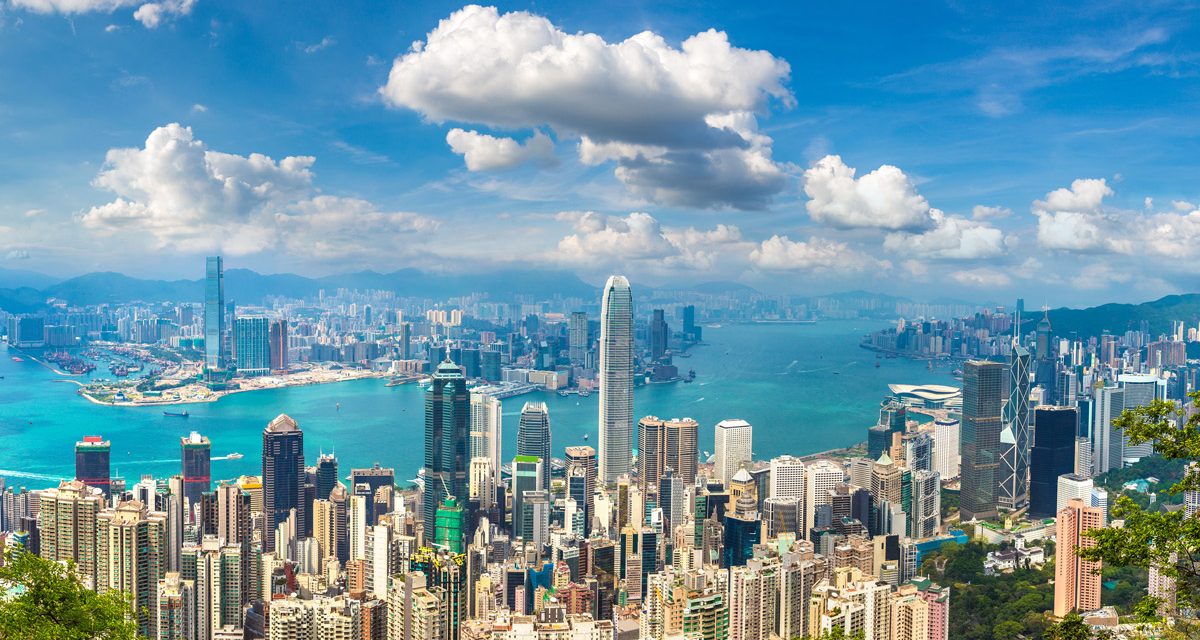
If Hong Kong has been your go-to transit hub for Asia or Europe, You need to know about some recent changes. Hong Kong’s National Security Law, and how it’s enforced, are raising fresh concerns for travellers, including Australians, even if you’re only transiting through the airport.
New powers on electronic devices
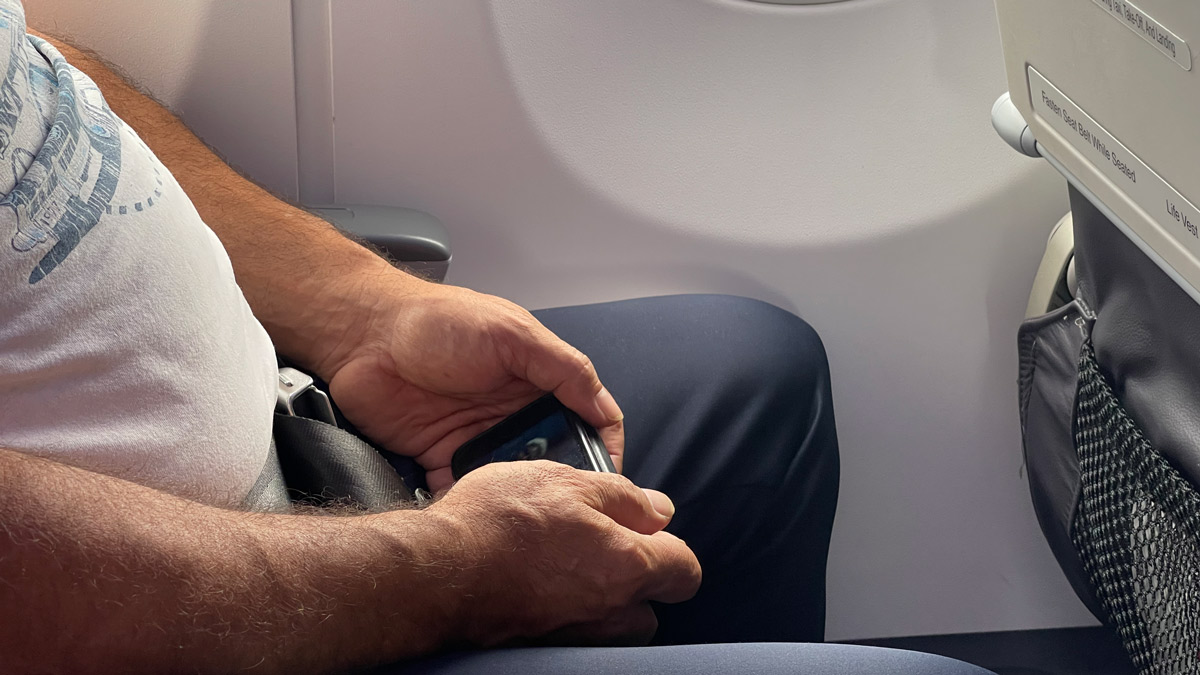
Recent amendments have expanded the powers of Hong Kong authorities under the National Security Law, including the ability for police to demand access to your electronic devices.
In practical terms, this means travellers may be required to unlock their phones or laptops, provide passwords or decryption assistance, and potentially grant access to apps, files or cloud-based accounts. Refusing to comply can be treated as a criminal offence, with penalties including fines or imprisonment.
Crucially, these powers apply to anyone physically present in Hong Kong, including passengers in transit at the airport. Even if you never clear immigration or leave the terminal, you are still subject to local laws.
Australia’s official advice is exercise caution
The Australian government already advises travellers to exercise a high degree of caution when travelling to Hong Kong.
Official guidance notes that national security laws can be interpreted broadly, and travellers may be detained without charge. Access to legal support may also be limited, and activities that would be considered routine elsewhere could potentially breach local laws.
For Australians with dual nationality or Chinese heritage, there may be additional complications, including limits on consular assistance. More detail is available via Smartraveller.
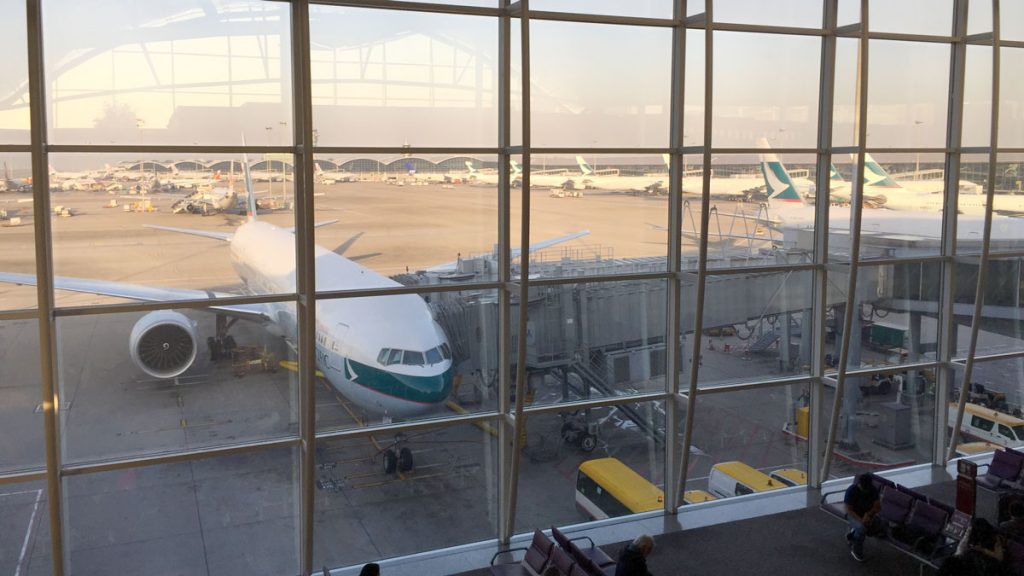
What’s changed for travellers?
Hong Kong has long been one of the world’s easiest and most efficient transit hubs. For decades, it offered a predictable, low-risk stopover for travellers heading between Australia, Europe and North Asia.
That equation is now shifting.
Under the current legal framework, laws can apply to foreign nationals as well as residents, and enforcement powers are broad, with limited judicial oversight. The definition of ‘national security’ is also deliberately wide, which increases uncertainty around how rules may be applied.
In practical terms, travellers could be subject to scrutiny based on content stored on their devices, their professional background, or even past travel and online activity.
For most leisure travellers, the likelihood of being stopped remains low. However, the consequences if something does go wrong are significantly more serious than in the past.
This sets Hong Kong apart from many other transit hubs, where passengers typically face fewer legal exposures while in transit.

What to consider
If you are connecting via Hong Kong, it’s worth considering what data you are carrying on your devices, whether you are comfortable with the possibility of device access requests, or whether you need to take some action before travelling.
You might even want to consider other transfer alternatives, including connections via Singapore, Tokyo, Seoul and Bangkok. While these may involve slightly longer travel times, they may also offer greater certainty for some travellers.

2PAXfly Takeout
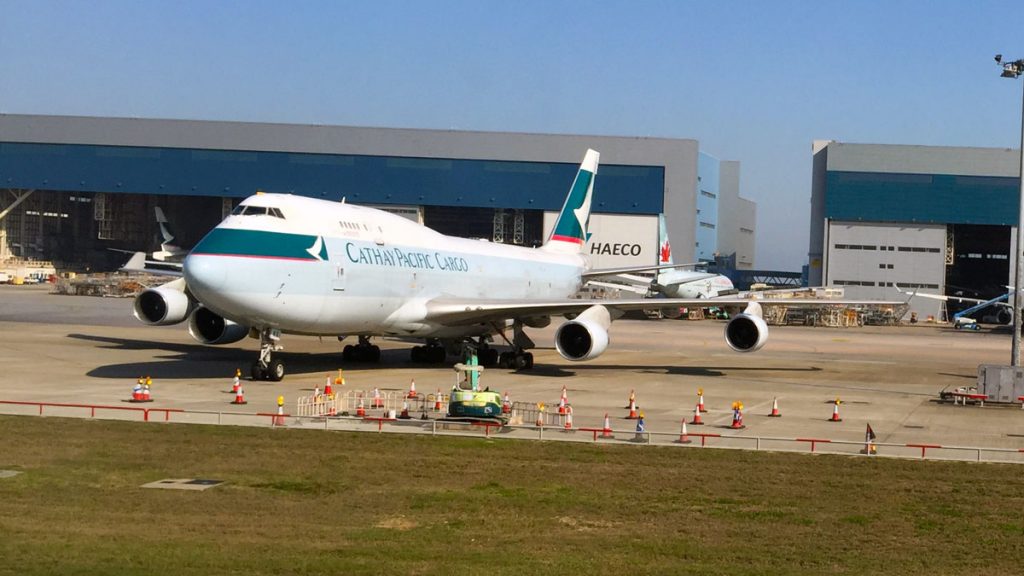
Hong Kong remains a major aviation hub, especially for Cathay Pacific which are based there, but it is no longer the neutral transit point it once was. In terms of access to your personal devices and information, it is joining with the USA in demanding access. Interestingly, the Australian Government has similar powers with travellers, but they are drawn more narrowly, and currently are seldom exercised.








What did you say?