


























AIRLINES: How to travel with GLP-1 medications
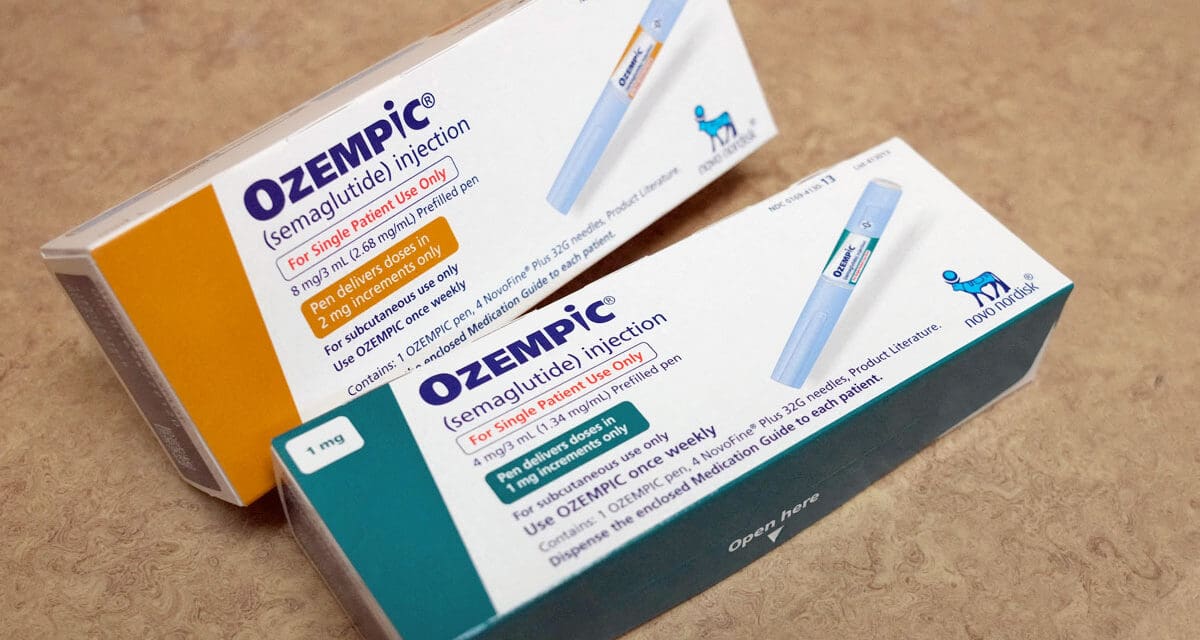
Travelling with GLP-1 medications such as Ozempic, Wegovy or Mounjaro is very manageable on long-haul trips, but it does pay to understand how they handle temperature and how best to carry them onboard aircraft.
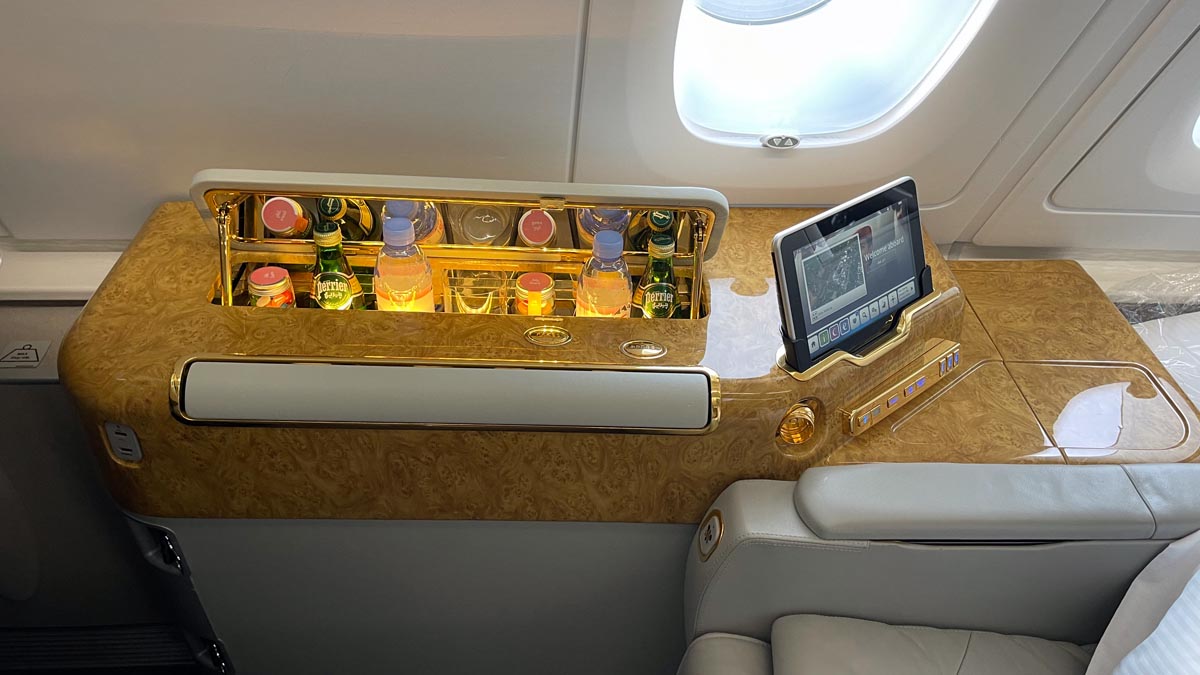
Let’s start by saying DON’T ASK THE CREW TO STORE YOUR MEDICATION IN A REFRIGERATOR ON BOARD! Sorry for shouting, but I just wanted to make this clear. First off, cross-contamination; second, onboard refrigerators are unreliable; third, cabin crew have enough to worry about than the management of your Type 2 diabetes or weight-loss program.
GLP-1’s don’t always need refrigeration
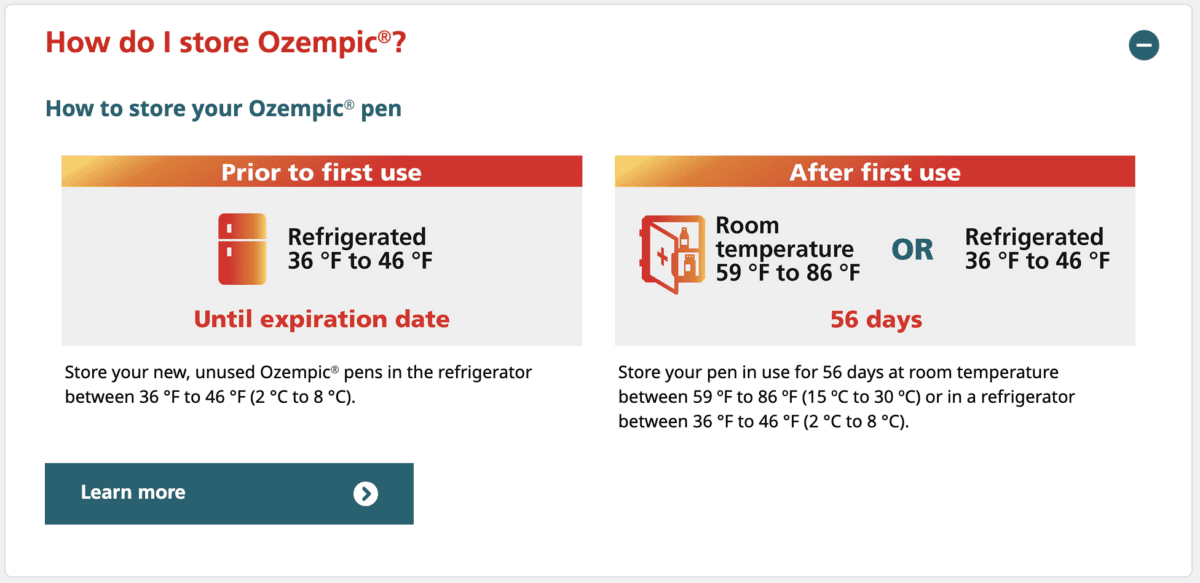
The first thing to know is that these medications don’t always need to be refrigerated. While they should be kept in the fridge before first use, once in use, they can safely be stored at room temperature for a limited time. For semaglutide-based medications like Ozempic and Wegovy, that window is typically up to 56 days, provided they are kept below 30°C (86°F). Mounjaro, has a shorter window at around 21 days under the same conditions.
For most trips, this means active cooling isn’t necessary, as long as the medication is kept out of direct heat and sunlight.
Always pack in your carry-on
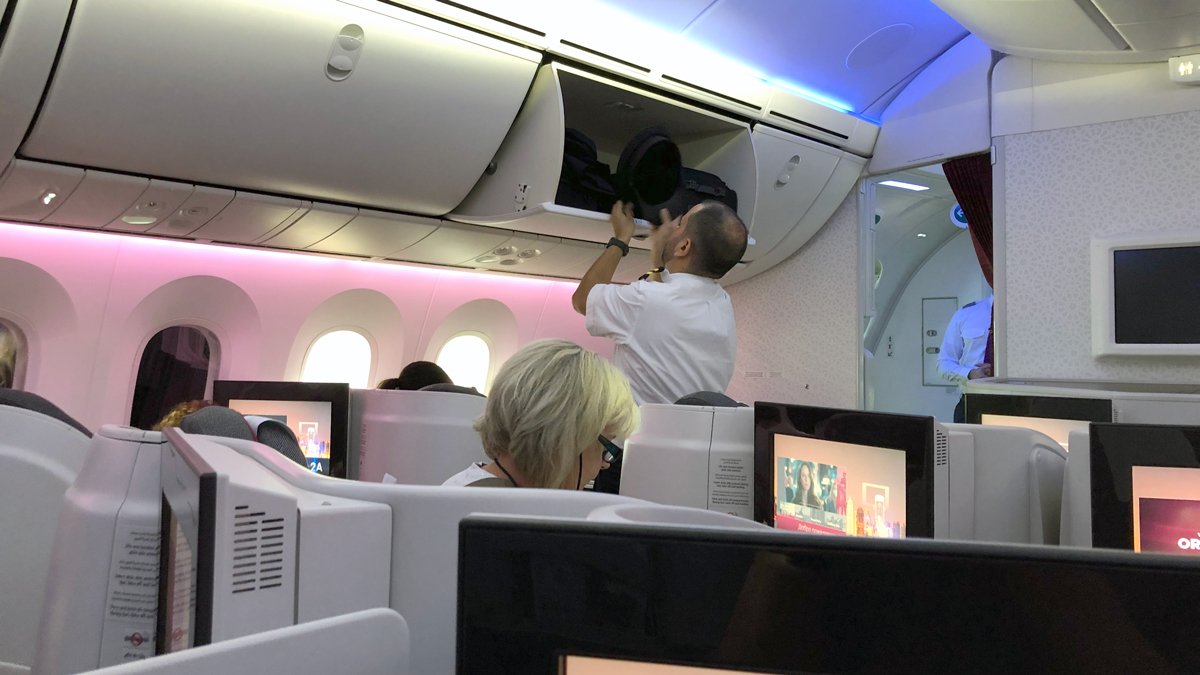
When packing for a long-haul flight, the most important rule is to always carry your medication in your cabin bag. Checked luggage is not suitable, as temperatures in the hold can drop low enough to freeze the medication, rendering it ineffective. There is also the risk of delays or lost baggage.
Keeping your medication with you in the cabin avoids both those issues and gives you control over storage conditions.
Use a simple pouch or a cooling case if needed
In most cases, a simple insulated pouch is sufficient. The aim isn’t so much to keep the medication cold, but to protect it from temperature spikes during transit.
If you are travelling through particularly hot climates, for example, transiting through the Middle East or Southeast Asia a purpose-built medical cooling wallet such as a FRIO wallet (no endorsement) can provide extra peace of mind. These are designed to keep medication within a safe temperature range without freezing it.
Avoid freezing
It’s important to avoid placing the medication directly against ice packs. Freezing can damage GLP-1 in the pens, rendering them usekess. So if you do use cooling packs, make sure there is a barrier, such as cloth, or use a proper medical cooling case designed for this purpose.
Heat is a risk but freezing is also damaging.
Getting through airport security
Airport security is generally straightforward. You are allowed to carry injectable medications, including pre-filled pens, needles and alcohol swabs, in your hand luggage.
While you typically won’t need to declare them, it’s wise to carry your prescription label and/or the original pharmacy packaging. A doctor’s letter can also be helpful, particularly when travelling through countries with stricter medication controls.
During the flight
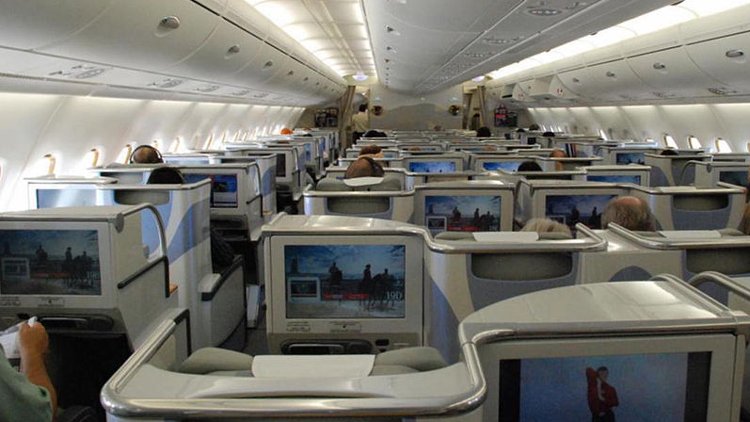
Once onboard, there is no need to refrigerate your medication. Cabin temperatures are well within the safe range for GLP-1 drugs.
Simply keep the pen in your personal item or carry on. Avoid placing it in areas where it might be exposed to excess heat or direct sunlight.
At your destination
Storage at your destination depends on how long you’ll be staying. If you’re using the medication within its room-temperature window, keeping it below 30°C is sufficient.
If you have access to a fridge such as a hotel minibar you can refrigerate it, but take care to avoid placing it near the freezer compartment where it could accidentally freeze.
Common mistakes to avoid
Most problems travellers encounter come down to a few common mistakes. Packing medication in checked luggage, exposing it to high heat (such as leaving it in a car), freezing it with ice packs, or travelling without supporting documentation can all create issues that are easily avoided with a bit of planning.
2PAXfly Takout
GLP-1 medications are surprisingly travel-friendly. As long as you keep them in your carry-on, protect them from heat and avoid freezing them, they can be safely transported on even long-haul journeys. There is absolutely no need to hassle the crew about something that is actually your responsibility.
For most trips lasting a few weeks, refrigeration isn’t necessary at all, just careful handling and a bit of preparation before you leave.
Thanks to fellow Boarding Area blogger PYOK for inspiring this post.









What did you say?