

















QANTAS: Boosts Europe flights as fares surge
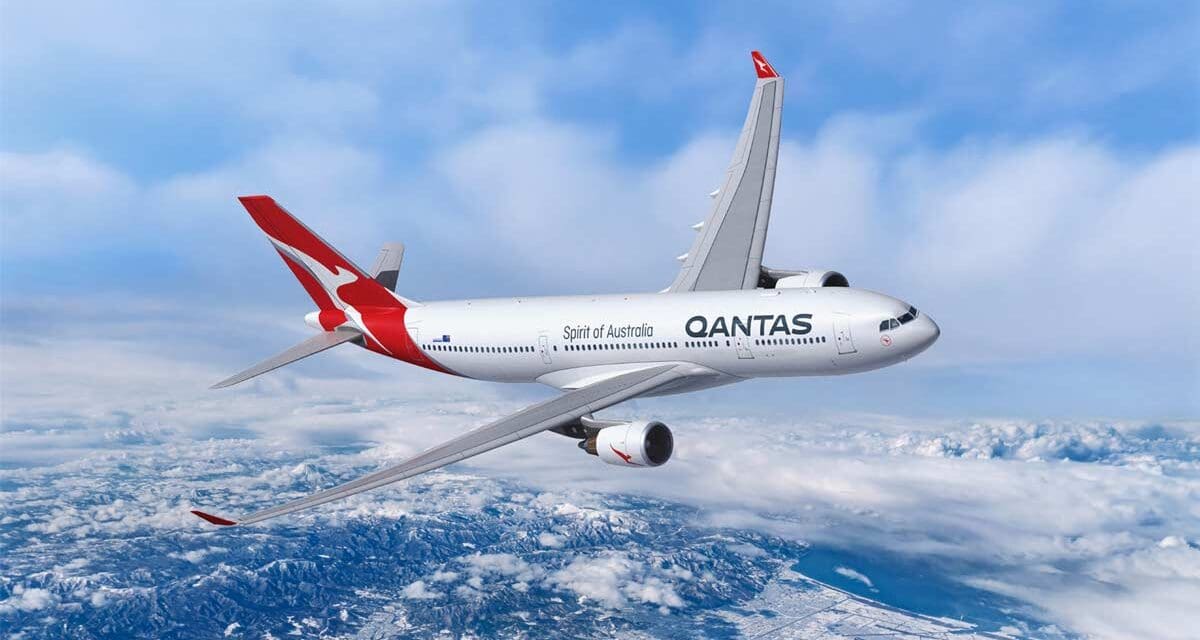
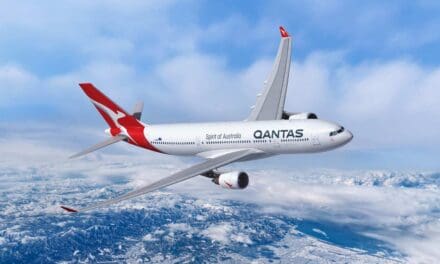
If you’re trying to get to Europe right now, then Qantas is stepping up its international game. It’s ramping up flights to Europe as travellers scramble to avoid disrupted routes through the Middle East. But expect significantly higher prices.
But while more seats are coming, it’s not quite the relief it might sound like.
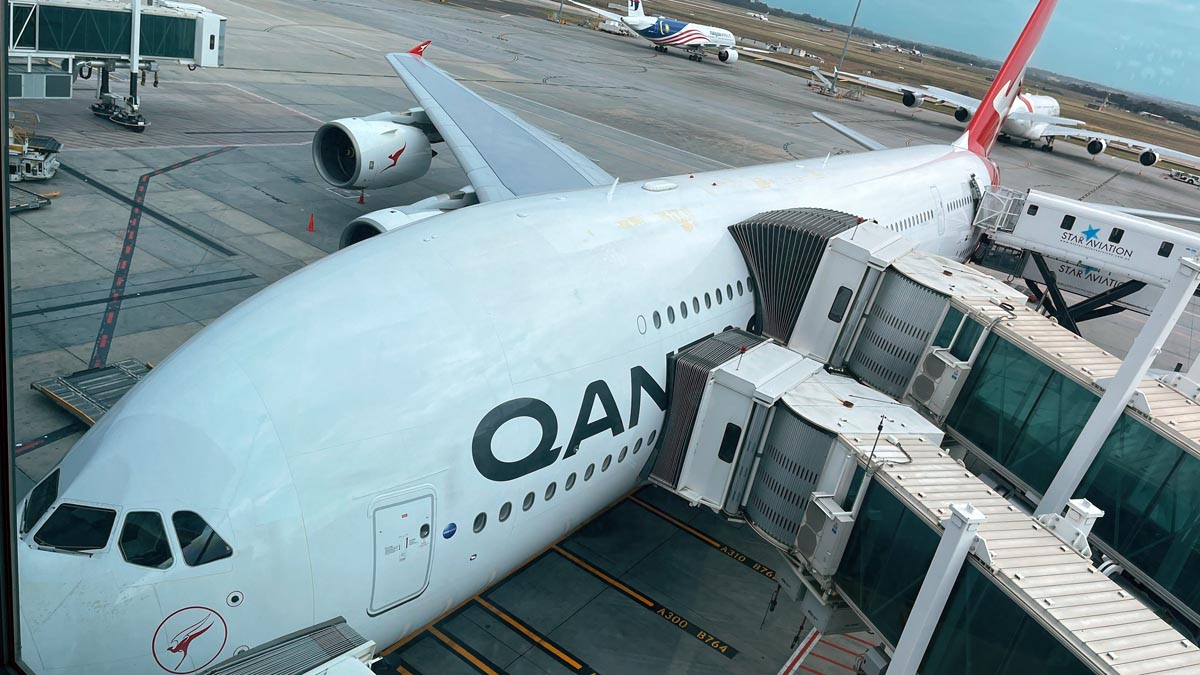
More flights to Europe, but demand is still outpacing supply
Qantas is increasing capacity on key European routes via Asia, while demand for flights that bypass the Middle East is surging.
Paris
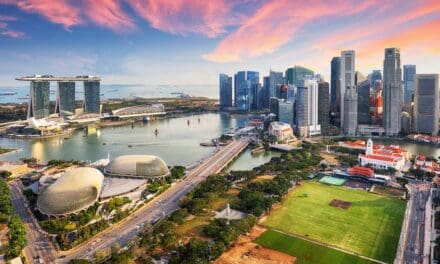
Flights from Sydney to Paris via Singapore will rise in frequency from three to five per week, with the added benefit of departing from Sydney rather than Perth. That seemingly small change is important. It adds around 60 extra seats per flight and makes the service more accessible for East Coast travellers who would otherwise need to position to Perth.

Rome
At the same time, the airline is boosting its Perth–Rome service to daily flights, up from four per week, while increasing Perth–Singapore services to 10 per week. Those additional Singapore flights are timed to better connect into Qantas’ European services, effectively feeding more passengers into the network.
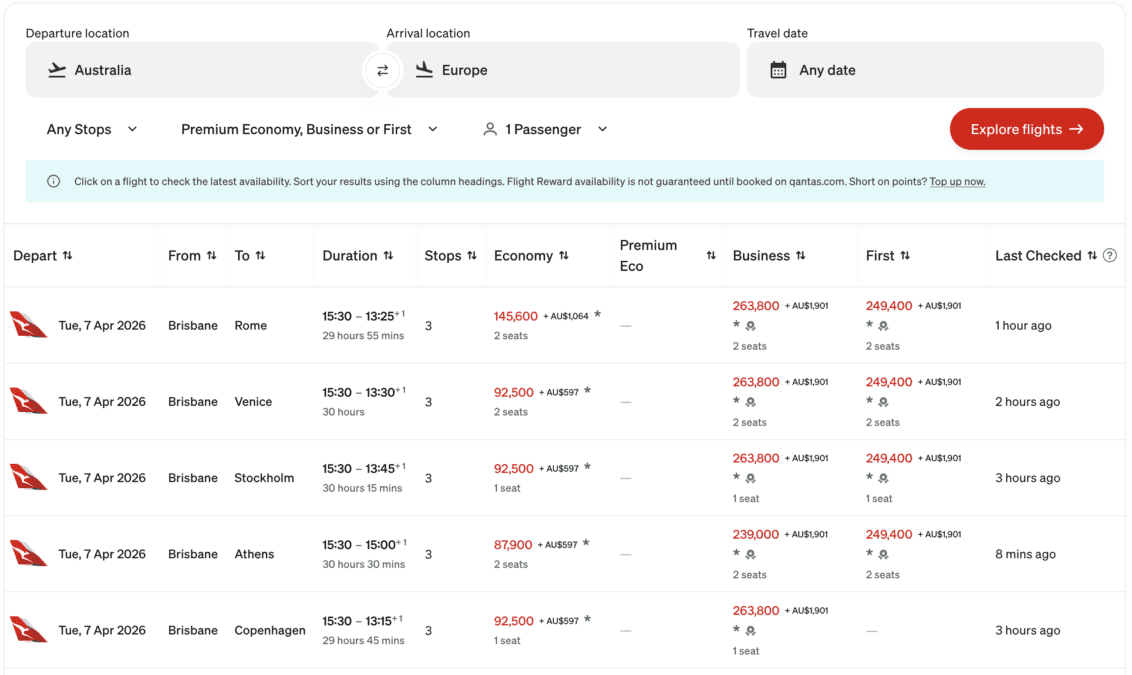
All of these changes are being rolled out between mid-April and late July 2026. That’s right in the middle of the peak European travel season. Time to head over to the new Classic Rewards search tool and see if there are redemption seats available as well!
Qantas can see demand from its own customers to get as many passengers to Europe as possible, as quickly as possible. That is provided it’s not via the Middle East with its partner Emirates.
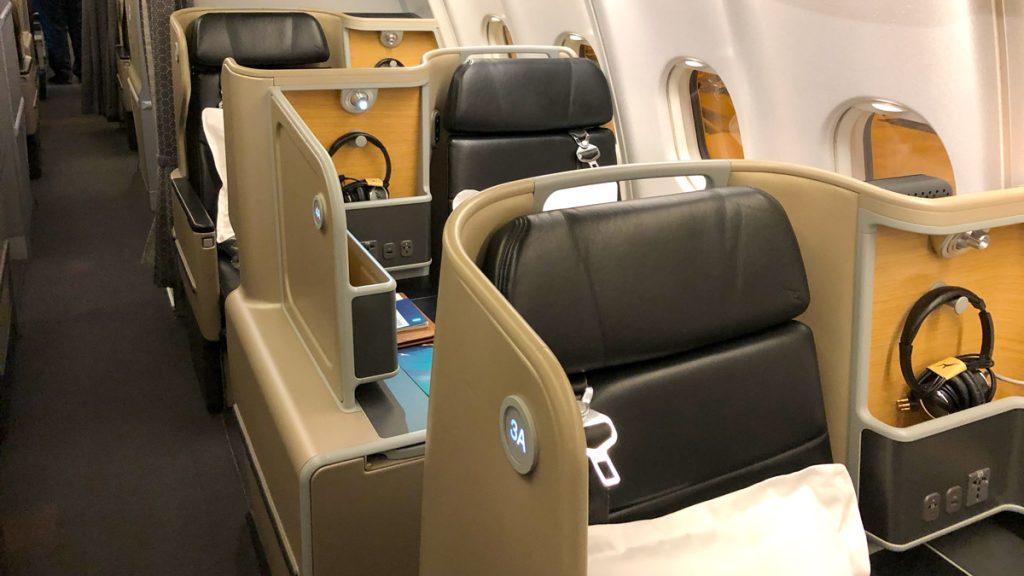
Europe flights are hard to find
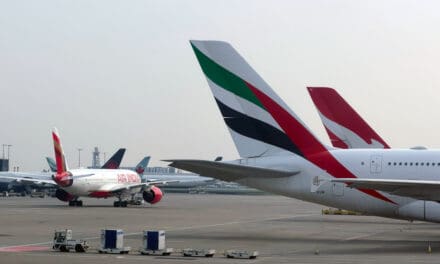
Qantas partner airlines like Emirates and OneWorld alumni like Qatar and Oman Air, that rely on hubs like Dubai, Doha and Oman have scaled back or cancelled services due to safety concerns linked to the Iran conflict. That has effectively removed a major chunk of capacity between Australia and Europe almost overnight.
Travellers who would normally transit through the Gulf are now being funnelled onto alternative routes. Many are opting for flights via Perth, either non-stop or with a short connection, while others are routing through Asian hubs such as Singapore, Hong Kong or Tokyo.
That sudden shift has created a bottleneck, with more passengers chasing a smaller pool of available seats, and prices moving upwards accordingly.

Fares are climbing
A one-way Sydney to London fare is now averaging more than $1,500, roughly double what travellers were paying at the same time last year. Across the board, international fares have risen by an estimated 15 to 20% or even more since the conflict began.
Flights are also running with load factors pushing well above 90% on many Europe-bound services. In that environment, why would airlines discount? The usual cycle of sales and deals has largely disappeared.
Where is Qantas getting its extra planes?
Qantas is reshuffling its existing fleet.
The airline is redeploying Boeing 787 Dreamliners from its United States routes, while also using smaller aircraft on some American services to free up capacity to Asia and Europe. Airbus A330s that would normally operate on domestic flights are being shifted onto international routes. This reallocation is expected to generate around 1,400 additional seats for Europe-bound travellers.
The trade-off is that other parts of the network will feel the impact. Travellers heading to the United States will see either fewer flights or different aircraft types, or both, as capacity is redirected toward Europe.
Fuel uncertainty
Behind all of this is a deeper and more persistent challenge, that’s the supply of jet fuel.
The conflict has disrupted global oil supply chains, particularly through the Strait of Hormuz, sending jet fuel prices sharply higher. Even airlines that hedge fuel costs are feeling the pressure, especially as refining margins, which are not typically hedged, have surged. Remember that Australia does not refine its own Jet fuel.
Across Asia, airlines and governments are preparing for fuel shortages. Some carriers are adjusting schedules or cutting less profitable routes, while governments are looking at ways to protect domestic fuel supplies.
Closer to home, Jetstar has already reduced flights across to New Zealand, describing the cuts as temporary but clearly linked to the same pressures affecting the broader industry.
What this means for your Europe trip
Uncertainty is the answer. Flights to Europe are becoming more expensive and more crowded, and the routes themselves are changing as airlines adapt to new constraints. Schedules may shift, aircraft types may change, and availability and price can tighten quickly.
In this environment, flexibility is more important than ever. Being open to different departure cities, alternative routings or slightly adjusted travel dates could make the difference between securing a seat and missing out altogether.
2PAXfly Takeout
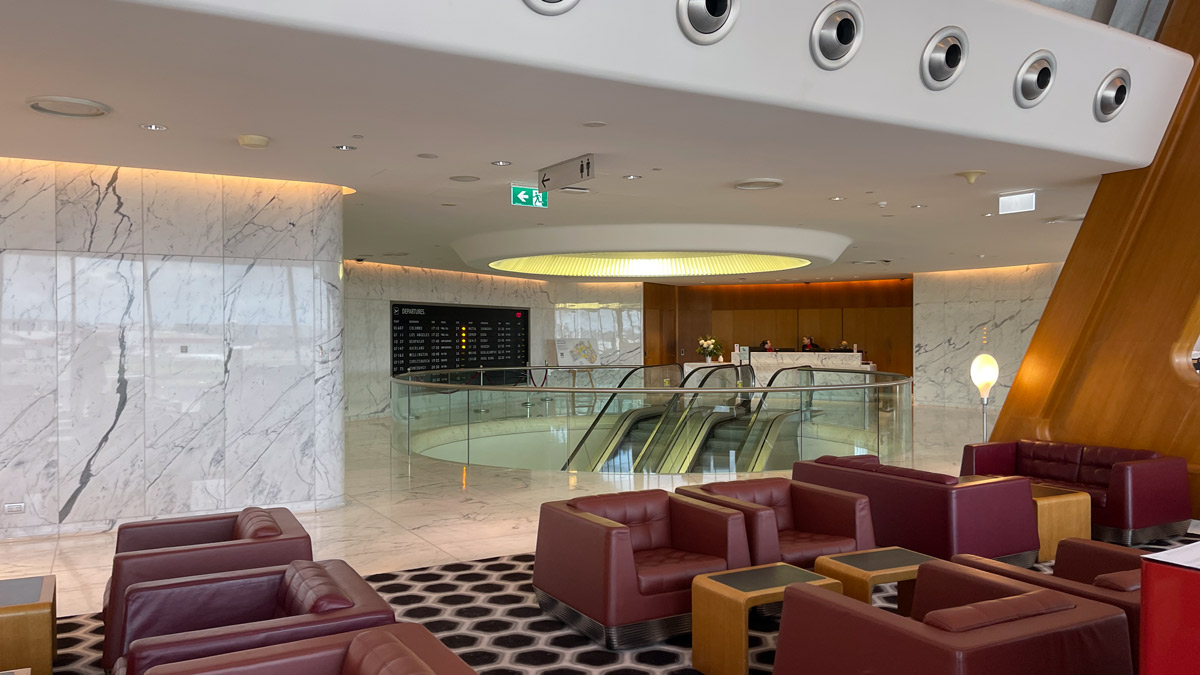
I’m in Europe at the moment, on a fare bought nearly 12 months ago, neatly skirting the Middle East. My Business Class airfare cost half as much as my husband’s, who had to rebook from Emirates the day after the US and Israel started bombing Iran. That’s an illustration of how fares are changing.
Even though Qantas is adding flights to Europe, it’s doing so in a market under significant strain.
With Middle East routes disrupted, fuel costs rising and demand surging, the system is being reshaped in real time. More seats are coming online, but they are entering a market where competition for those seats is intense, and prices are heading to the stratosphere as a result.
If you can, put together alternative plans in case your flight is likely to be affected. But don’t cancel your flight if you want your airline to find you an alternate. Qantas, for instance, has liberalised rebooking conditions, so in the first instance, contact them and see what they can offer. Once you cancel a fare, your original airline owes you nothing for finding replacement arrangements.




What did you say?