
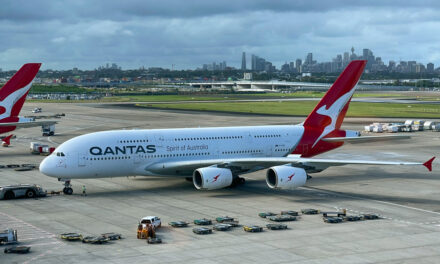









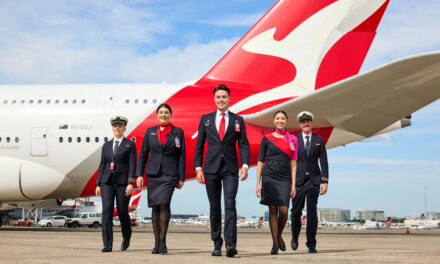














QANTAS: To review airfares every fortnight during Middle East war. Other airlines introduce fuel surcharges.
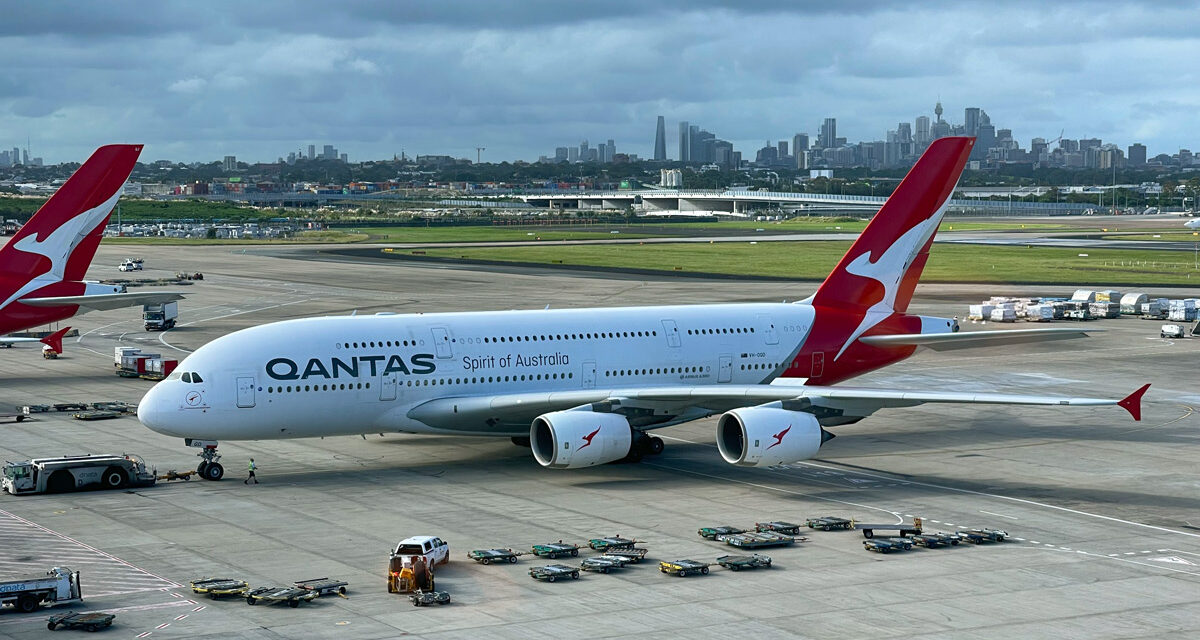
Qantas says it will review international airfares every two weeks, as soaring fuel costs and a rapidly shifting global aviation map make even short-term pricing forecasts difficult. It’s not alone, airlines across Australia, Europe and Asia are now raising fares, adjusting schedules and warning of more changes to come.
Background
If you’re trying to lock in flights right now, then expect prices to fluctuate – wildly. Currently, if you are prepared to risk a flight cancellation and book with a Middle East based airline, you can find some of the cheapest Economy and Business Class fares I have ever seen. If you want to travel avoiding the Middle East, then expect to pay a premium now, and possibly a bigger one next week.
Airfares are moving wildly
Qantas has already lifted some international fares by around 5%, but more importantly, it’s how often those prices are revisited. And increased Jet fuel prices will not just affect international pricing. Expect it to affect the cost of domestic flights too.
The airline says it’s now effectively pricing in real time, reassessing fares fortnightly as fuel costs, demand and route availability change. That’s a significant departure from the traditional model, where fares were set months in advance with predictable seasonal sales cycles.
Travellers are already seeing the impact. Return fares to London that were sitting around $1,800 have surged to as much as $5,000 in recent weeks, with planes running at more than 90% full.
But pricing across airlines is inconsistent. Today, I can see a return Economy fare to London in May on Etihad for AU$899. That’s unheard of, even if it comes with a great risk of being cancelled. Similarly, Emirates and Qatar sit at around AU$1,500. Avoiding the Middle East with someone like Malaysia or Thai Airways sees fares around the AU$2,000 mark. Swap to a top-tier airline, avoiding the region, mostly based in Asia, and you are looking at AU$2,500 and above, return.
Move to Qantas, and flights range from the AU$2,700 mark to very close to AU$8,000.
Current and predicted disruption is driving the change
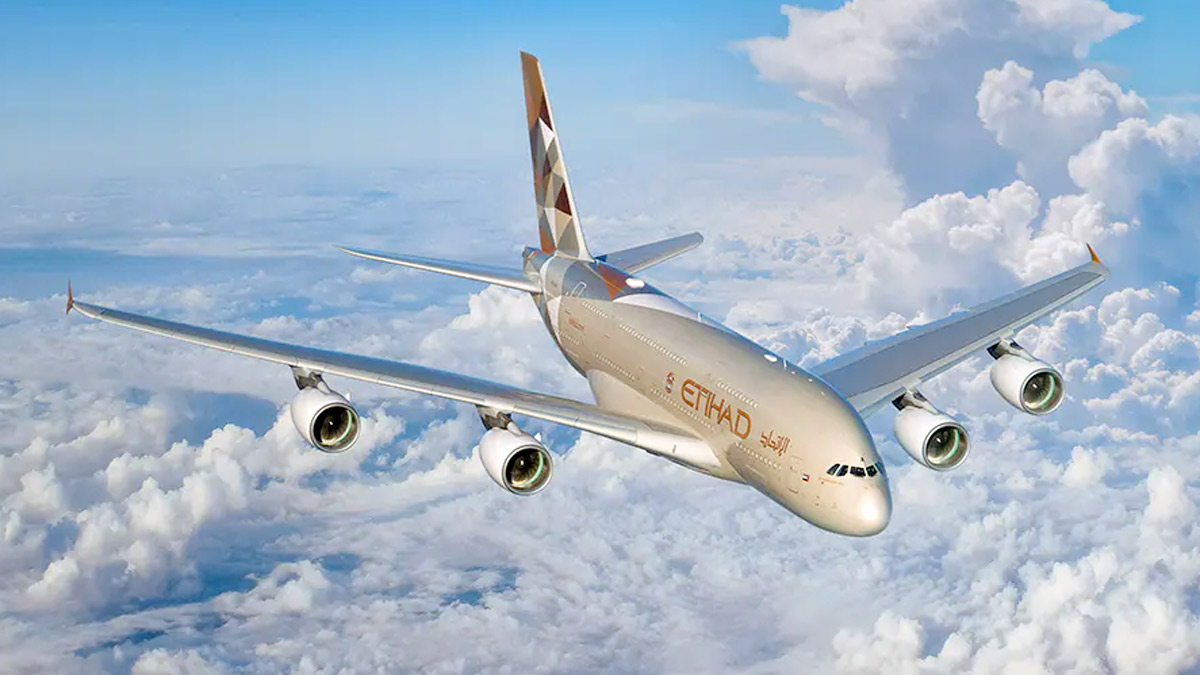
The root cause is the ongoing disruption across key Middle Eastern aviation hubs. Carriers such as Emirates, Qatar Airways and Etihad Airways have all scaled back services as airspace closures and security risks ripple through the region.
At the same time, governments, including Australia, have warned travellers about transiting through the Middle East, pushing more passengers to take alternative routes via Perth, Asia and even the United States. One of my mates has recently booked an insurance fare via Auckland and New York to Italy, in case his flights via the Middle East get cancelled. He didn’t have to pay that much more, plus he gets a few nights in NYC!
The winter period in Australia is traditionally when we all head to Europe. Of course, some will delay or cancel their trips given the current turmoil, or even change their destination. That makes for unpredictable demand after the initial rebooking of cancelled flights.
But there is now an additional variable that goes to the core of the airlines’ cost base. That’s the price of Jet fuel, which usually accounts for roughly half of an airline’s expenditure. Jet fuel prices have surged dramatically, in some cases doubling compared to pre-conflict levels.

Expect schedule changes
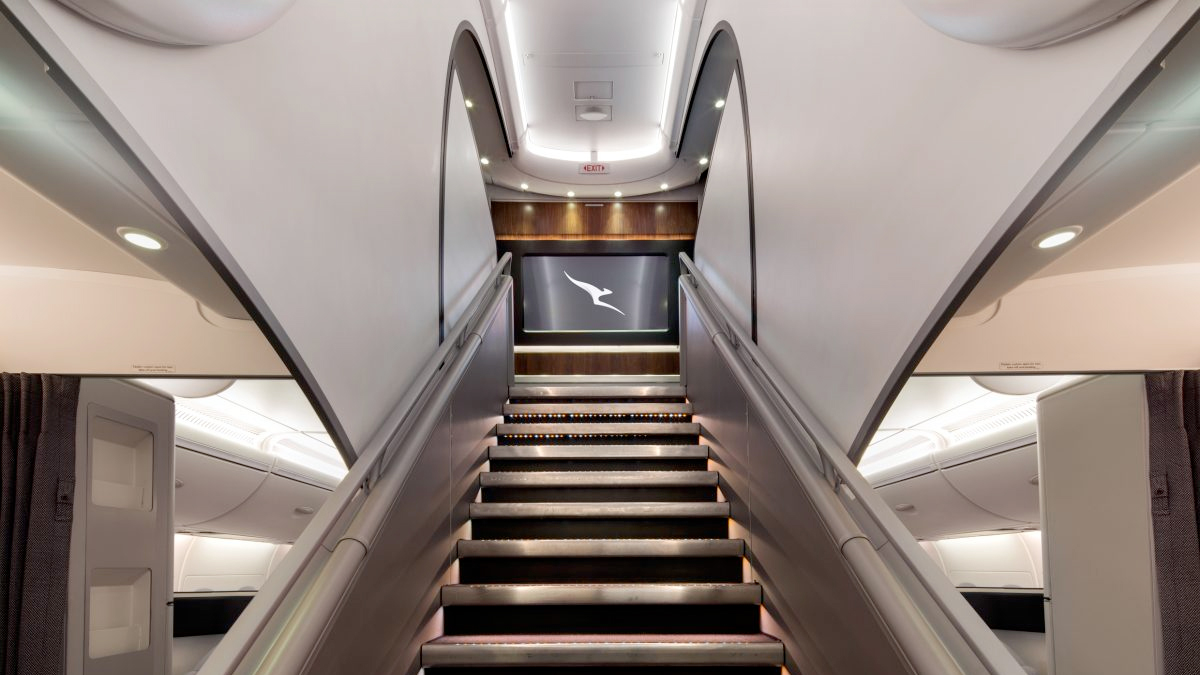
Qantas isn’t just adjusting fares, it’s also looking closely at its network. The airline has flagged that it may consolidate flights on routes with less demand, particularly to the United States. It could also redeploy aircraft toward high-demand European services. For example, redeploying an A380 from a USA route to a European route nearly doubles capacity on that flight.
This reflects a broader industry trend. Airlines are no longer treating schedules as fixed. In light of rapid technological change, they’re actively shifting aircraft and routes to chase demand and manage costs.
Qantas is not alone
The announcement from Qantas might make it the most explicit about its fortnightly pricing reviews, but it’s far from alone. Air New Zealand has already raised fares and warned of further price and schedule changes, even suspending its profit outlook due to fuel volatility.
European carriers such as SAS have implemented temporary fare increases and pricing adjustments in response to the same pressures. Airlines globally are introducing or considering implementing fuel surcharges, schedule tweaks and similar capacity shifts as fuel costs rise and routes and demand change.
Even where airlines haven’t yet raised prices, such as Virgin Australia, they are closely monitoring the situation and assessing the longer-term impact of sustained fuel increases.

Travellers, expect uncertainty
For passengers, the biggest change is uncertainty. Airfares are no longer predictable, and the old rules about when to book are becoming less reliable. Instead, pricing is being actively managed in response to global events, often with very little notice.
That means a fare you see today may not be there in two weeks or could even increase again before you’re ready to book. You need to set those fare alerts!
At the same time, popular routes to Europe are likely to remain expensive in the near term, particularly as airlines prioritise filling seats on fewer available flights.

2PAXfly Takeout
It’s my view that airlines were moving toward this more dynamic pricing model anyway. With improvements in technology, including the application of Artificial Intelligence’s data processing power, things were bound to change, with predictive power becoming more reliable. Qantas’ move to review fares every fortnight is a clear signal of how volatile the aviation market has become, and how airlines are even more determined to preserve their profit margins in the face of calamity.
The entire industry is now operating in a dynamic, reactive mode, adjusting prices and schedules as conditions change, and that means a new reality for travellers.
Airfares will be less predictable, less stable and, for the near future, higher.
That means flexibility on timing, routing and airline choice has moved from wise to essential.








What did you say?