
























VIRGIN AUSTRALIA: Vape ignites on flight from Brisbane, emergency response at Melbourne Airport
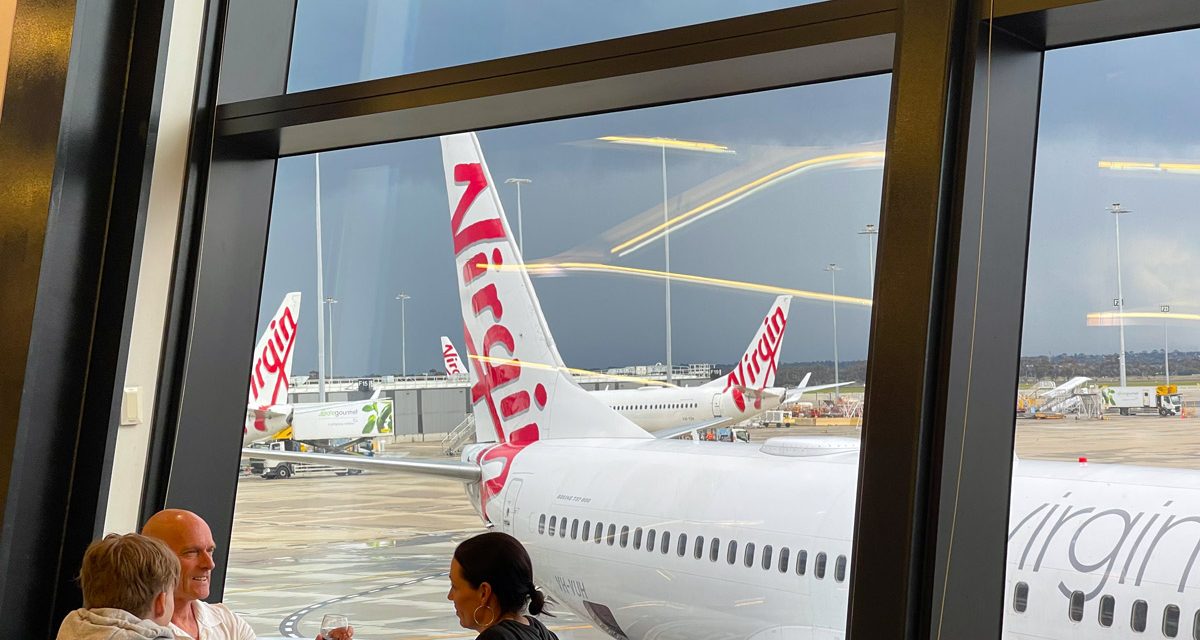
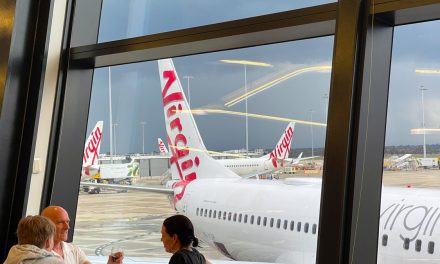
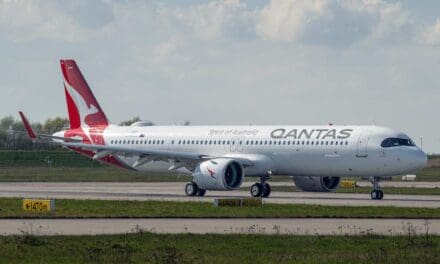
A vape device ignited inside the cabin of a Virgin Australia flight VA328 approaching Melbourne, prompting an emergency call from the flight crew and a precautionary response from airport firefighters. The incident occurred on Sunday, 15 March.
As the aircraft descended toward Melbourne Airport, the device activated and began smoking in the cabin, forcing pilots to issue an urgent PAN call to air traffic control. Emergency services were on standby while the aircraft continued its approach.
The Boeing 737 landed safely and taxied to the gate while aviation rescue and firefighting vehicles followed as a precaution. All passengers and crew disembarked normally with no injuries reported.
Virgin Australia later confirmed the cause of the incident.
Firefighters removed the device from the aircraft once it reached the gate.

PAN call explained
In aviation, a PAN call (from the French panne, meaning breakdown) signals an urgent situation that may require assistance, but it is less severe than a Mayday emergency.
Typical reasons for a PAN call include:
- smoke or fumes in the cabin
- technical issues
- minor onboard fires
- medical emergencies
In this case, the PAN call allowed Melbourne Airport emergency crews to prepare while the aircraft landed normally.
Vapes are a growing aviation safety concern
Vapes and e-cigarettes contain lithium-ion batteries, which can overheat, ignite or explode if damaged, short-circuited or accidentally activated. These batteries can enter thermal runaway, a chain reaction where heat builds rapidly and causes the battery to burn intensely.
Because of the fire risk, aviation regulators, including the Civil Aviation Safety Authority (CASA) require that:
- vapes and e-cigarettes must only be carried in cabin baggage
- spare batteries must not be placed in checked luggage
- batteries should be protected from short circuits
Lithium battery incidents are increasing
Lithium battery fires are becoming one of the fastest-growing onboard safety concerns for airlines worldwide.
Personal electronic devices commonly involved include smartphones, laptops, power banks, e-cigarettes and disposable vapes. Fortunately, cabin crew are trained to deal with lithium battery incidents with specialised fire containment procedures and equipment.
In the case of VA328, the situation was quickly contained before it escalated. But the incident is another reminder that even small personal devices can pose serious risks inside an aircraft cabin.
2PAXfly Takeout
It’s important that you are aware of devices that contain lithium batteries, and put them in your cabin luggage, not checked-in luggage. Most airlines now have some kind of ban on the use of power banks onboard, although many allow you to carry them in the cabin; the ban applies only to using or charging them on board.
Also, if you lose a device down the back of a seat or similar, don’t recline or search for it yourself. Tell the crew, and let them retrieve it safely. Damaged devices with lithium batteries are dangerous.







What did you say?