



















DISRUPTION: Middle East carriers and airports in chaos. What to do if you are travelling soon
What follows is practical advice for those travelling by air via the Middle East who will be affected by the conflict generated by the attacks on Iran.
Background
Escalating conflict in the Middle East has triggered major airspace closures and cascading flight chaos. Gulf hubs including Doha, Dubai and Abu Dhabi have seen airlines suspend operations, cancel flights and enforce no-fly zones, with knock-on effects to routes into Europe and beyond.
That disruption is global, not just local: more than 15,000 flights have been delayed, nearly 2,000 cancelled, and thousands rerouted as carriers avoid affected airspace.
This is the largest disruption to the airline industry since COVID-19.
Australian government travel advisories now list multiple Middle Eastern countries as “do not travel” due to volatile security conditions, including Qatar, the UAE, Iran and others.
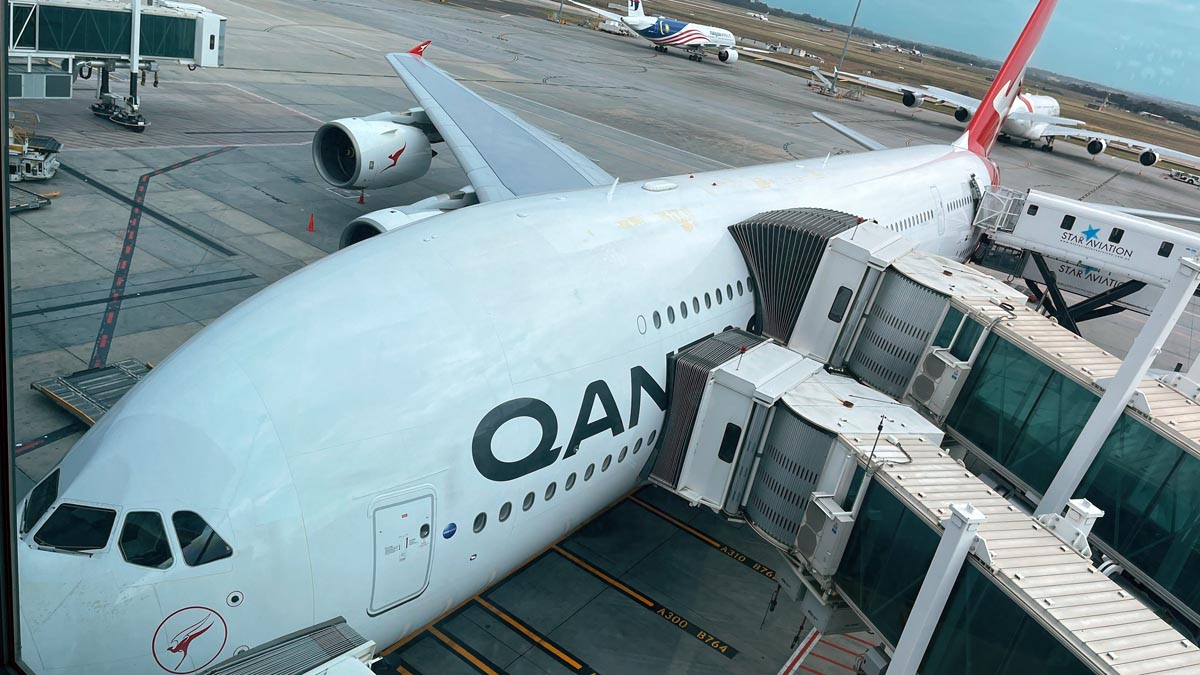
Flying in the next 7–10 days?
Expect changes and probably cancellation of your flights if you are travelling via the Middle East. Monitor your emails and text messages for communication from your airline or travel booking provider. Check these early and often. If possible, don’t call your airline for general information. They are inundated trying to sort out thousands of disrupted travel plans, without knowing when things will return to a semblance of normal.
Do not assume your itinerary is stable. Even if your flight is currently showing as scheduled, the situation is dynamic, which means plans can change very rapidly.
Check with your airline close to your flight, maybe a day or two before. Monitor and register with the Smartraveller site before you leave. That way, you will get email alerts as things change.
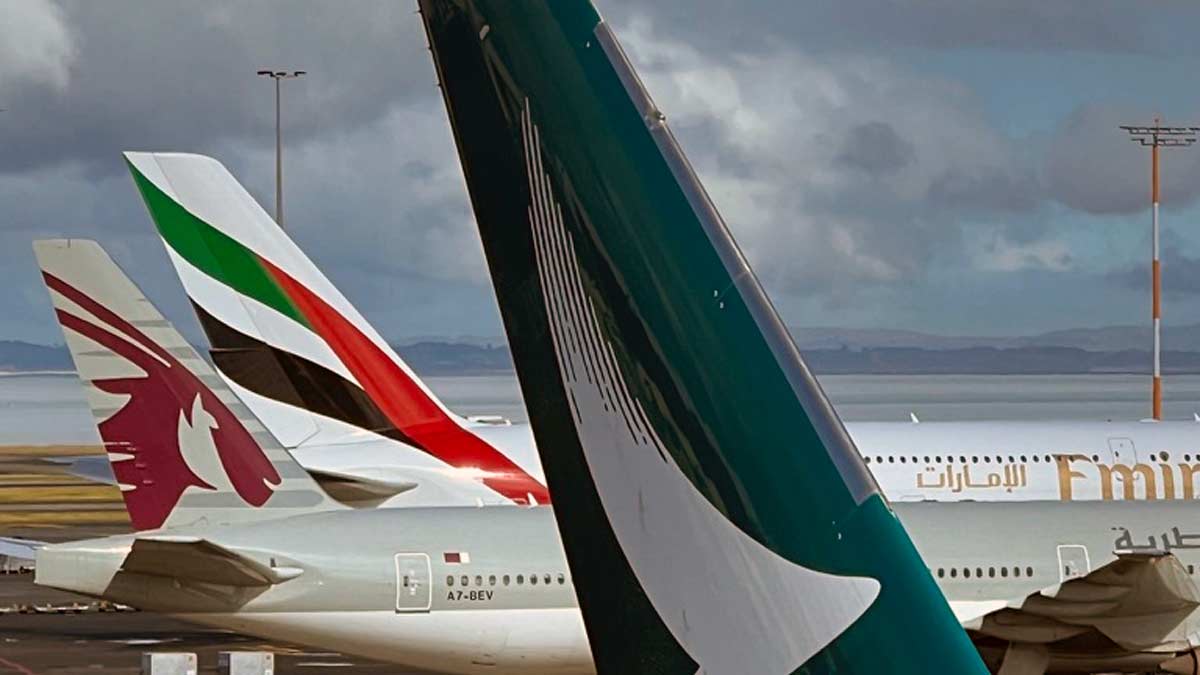
Airline-by-airline guidance
This information was current as of the morning of Monday, 2 March AEST. Things are dynamic, so you will need to check to see if information has been updated.
NOTE – do not cancel your flight if you want to reschedule or get a refund. If you do, the airline no longer has a responsibility to sort you out or refund you under the Australian Consumer Law. If you cancel, then you will be subject to the Terms and Conditions of the fare you booked, which may not entitle you to a free refund or rebooking.
Qantas
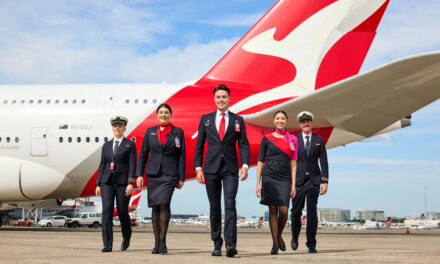
Qantas does not operate its own direct flights to Middle Eastern hubs, so services travelling on Qantas aircraft (‘metal’) aren’t currently affected by regional closures.
However, if you’re booked on a Qantas flight (usually a codeshare with Emirates) that connects onwards through the Middle East on partner carriers, monitor closely and be ready for reroutes via Europe or Asia.
You may want to proactively request a change in routing. You could be on the phone for a long time, however, unless you have access via your Qantas Frequent Flyer status to the premium phone service. Even then, expect to wait longer than usual.
Here’s a Qantas policy tip: If your flight is cancelled within 72 hours of departure, Qantas offers rebooking or a refund per its international conditions backed by Australian consumer rights. (Qantas)
Virgin Australia
Flights operated by Qatar Airways on Virgin’s behalf have already been cancelled. That includes several services between Australian cities and Doha.
Virgin has committed to free rebooking, travel credit or refund for passengers who no longer wish to travel on affected services.
If you’re booked on Virgin services via Doha, check your email/SMS for updates and proactively log into your booking. Don’t assume automatic rebooking goes to your ideal alternative.
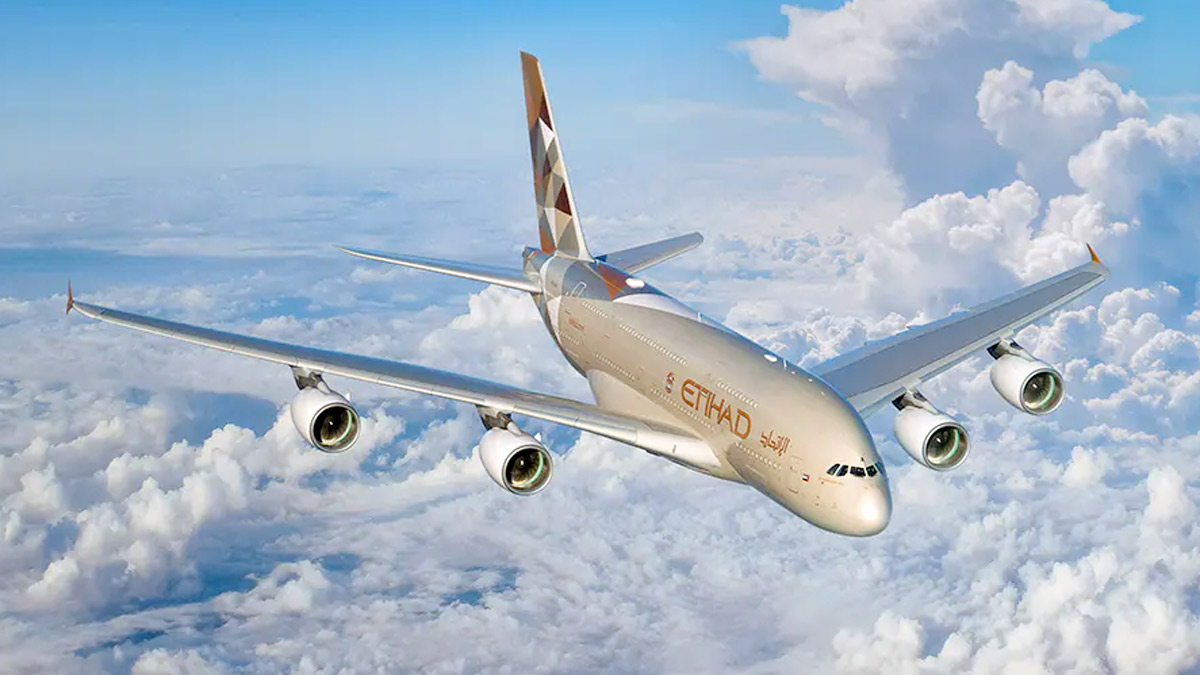
Emirates, Qatar Airways & Etihad Airways
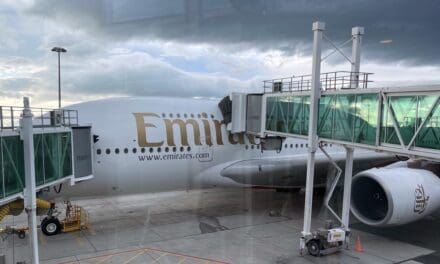
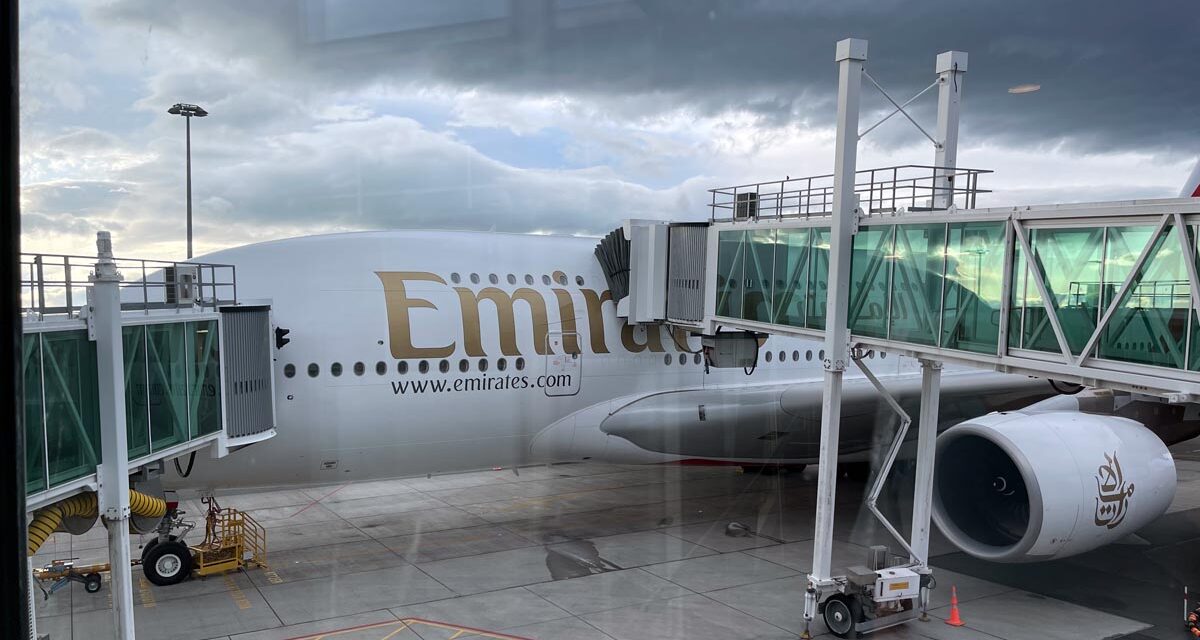
These carriers have suspended flights to/from their home hubs while airspace closure continues.
If you’re booked on these airlines, most are offering refunds or rebooking without fees for the affected dates.
Do NOT cancel yourself! Wait for the airline to notify you if your flight is officially cancelled. You risk losing refund entitlements if you cancel yourself.
Refunds, rerouting & legal rights
This is broad general advice that may change according to your particular circumstances
If the airline cancels your flight, you typically qualify for a cash refund or rebooking at no extra cost. You may be offered flexible travel credits, but under Australian consumer law, you are usually entitled to a refund. Refunds are usually offered if you don’t want an alternative routing.
Under the Montreal Convention, carriers may also owe compensation for delays or missed connections depending on the routing and the law. That said, something like war or military conflict is classified as a force majeure. That is a legal term referring to extraordinary events or circumstances beyond the airline’s control that prevent it from fulfilling its contractual obligations.
Consumer law protections
Australian flyers also have rights under the Australian Consumer Law (ACL) for services not delivered as promised, including cancellation and refund protections.
Airline terms matter
Always review the fare conditions you booked under. Low-cost or deeply discounted fares often have more restrictive change/refund terms — unless the airline cancels your flight.
Travel insurance probably doesn’t apply
Most travel insurance policies do not cover disruption due to war or armed conflict, particularly once a government advisory is in place. See force majeure above.
You need to be aware that cancellation costs won’t be covered if you choose not to travel to an affected region. You may be responsible for any change fees if the airline hasn’t officially cancelled your flight.
Some policies contain specific exclusions when a region is already flagged by DFAT as ‘Do Not Travel’, which currently applies to much of the Middle East.
Tips for travellers
Here are some practical tips in these circumstances:
- Don’t cancel on your own initiative. Cancelling first can jeopardise cash refunds or rebooking entitlements.
- Pack for unpredictability. Have essentials and medications in carry-on in case of diversions.
- Consider alternative routings. Flights via Europe or Asia that avoid Middle Eastern airspace may be more reliable if disruption persists.
- Allow extra connection time. Delays and reroutes can cascade across your itinerary.
2PAXfly Takeout
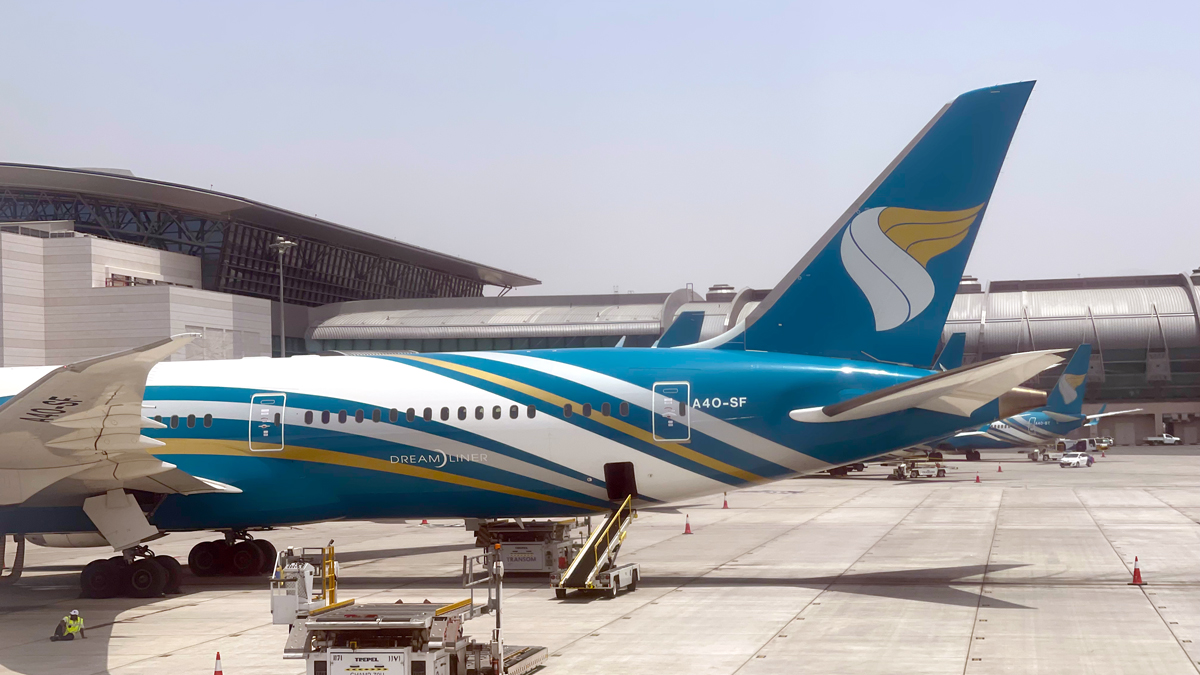
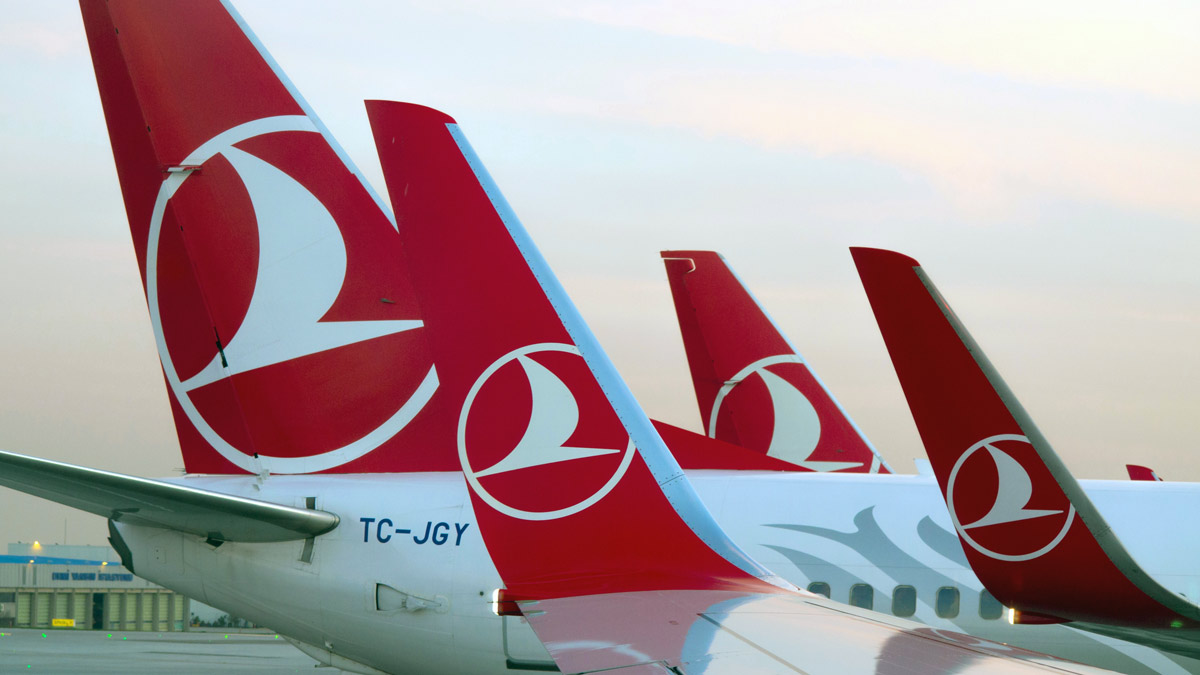
Although I am not travelling in the next few days, I am travelling this month. I was congratulating myself for choosing Turkish Airlines over Oman, thinking (wrongly) that Türkiye would not be affected. I then read my advice emailed to me regularly by Smartraveller. That advice warns of potential airspace closures over or around Türkiye due to retaliatory attacks.
I’m going to sit on my booking until closer to the time. I will be expecting disruption, cancellation, rerouting and delays.
I’m going to let the airline manage the changes unless they conflict with my onward flights. I hope I don’t need a refund, but I’m prepared for it. I will be monitoring the travel advice as it affects my insurance and will consider purchasing more comprehensive cover for these circumstances, knowing it will be expensive.
Wishing everyone who is travelling soon, a safe journey.










What did you say?