

























AIRLINES: What is an interline agreement and why they matter
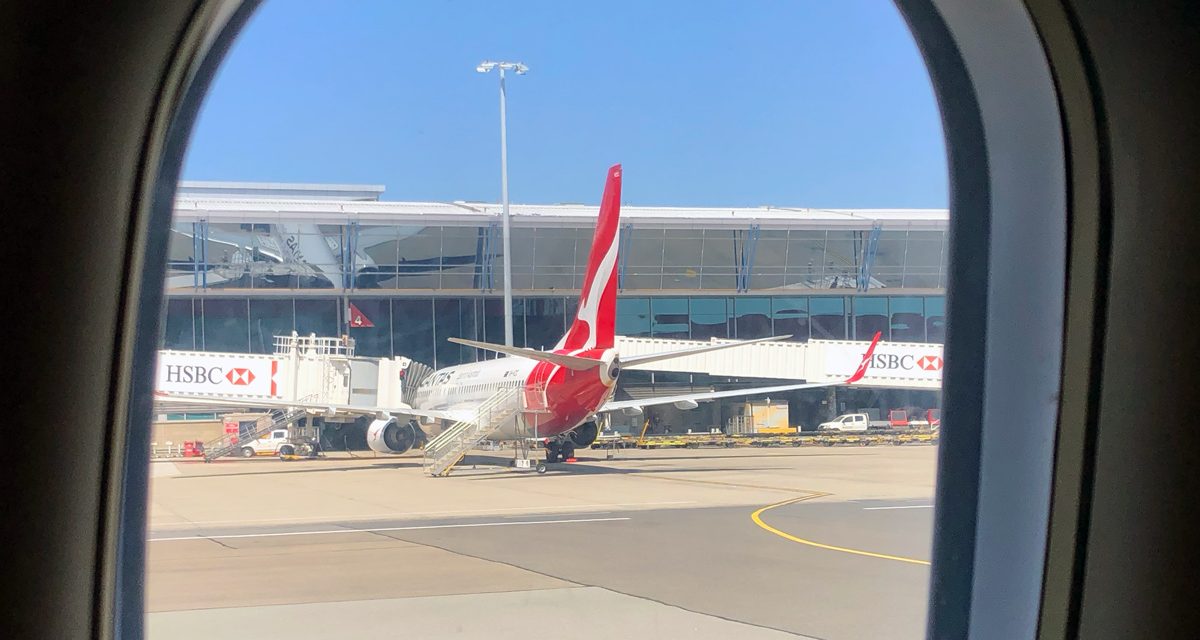
Most travellers would have no idea what an airline interline agreement is. But if you’ve ever checked a bag through to your final destination on two different airlines, been rebooked after a delay, or stitched together a multi-airline itinerary, you’ve probably almost certainly the beneficiary of one.
Put simply, an interline agreement is a deal between airlines that allows them to cooperate when passengers travel across more than one carrier. It’s not glamorous, but it’s one of the quiet systems that keep modern air travel functioning. Put more formally:
“Interlining, also known as interline ticketing and interline booking, is a voluntary commercial agreement between individual airlines to handle passengers traveling on itineraries that require multiple flights on multiple airlines.”
Todd, G., & Rice, S. (2002). Travel perspectives: A guide to becoming a travel professional. (Wikipedia)
How interlining works
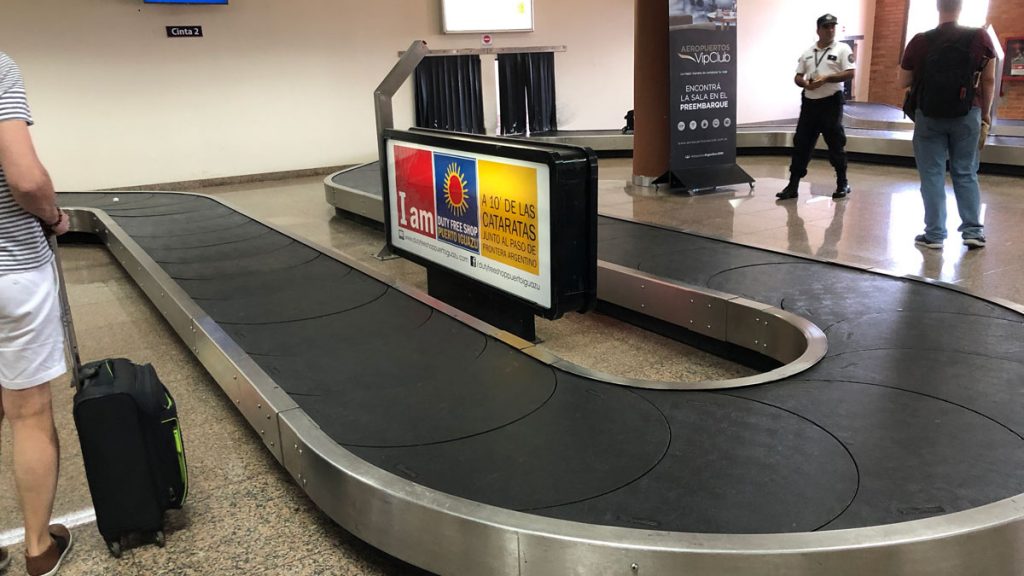
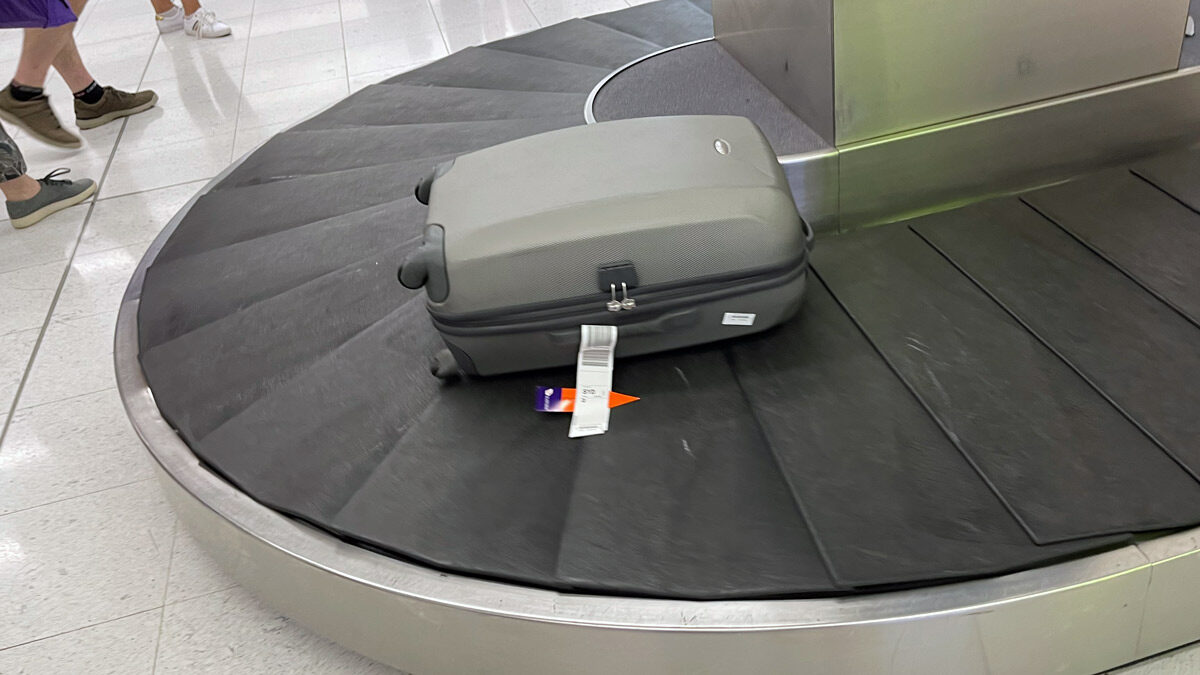
When airlines have an interline agreement, they agree to recognise each other’s tickets and baggage. That means one airline can issue a ticket that includes flights operated by another airline, check your luggage through to the final destination, and transfer passenger data between systems.
So instead of collecting your bags halfway through a journey, rechecking them, and buying separate tickets, everything is handled as one continuous trip.
Interlining is not the same as codesharing, where two airlines sell the same flight under different flight numbers. You can interline without a codeshare, and vice versa.
It’s important to remember that just an interlining agreement does not guarantee that your bags can be checked through if you have separate tickets. Nor that you can earn frequent flyer points on one airline while travelling on another. That would need a reciprocal loyalty benefits agreement or membership of an alliance.
Qantas, Australia’s interline champion
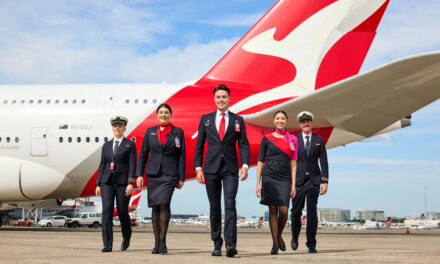
In Australia, Qantas is the heavyweight when it comes to interline agreements. It has a ton of them with other airlines.
As a member of the OneWorld alliance, Qantas automatically interlines with other alliance members such as British Airways, Cathay Pacific, Japan Airlines, and American Airlines. On top of that, it has additional agreements with non-OneWorld carriers.
For travellers, this means Qantas can sell itineraries that combine domestic flights with dozens of international partners. A passenger can fly from Hobart to London via Sydney and Singapore on multiple airlines, with bags checked through, on one ticket.
It also becomes really important and makes life easier when things go wrong. If a Qantas flight is delayed and causes a missed connection on a partner airline, staff can rebook passengers directly, rather than leaving them stranded, fending for themselves.
Virgin Australia has fewer partners
Virgin Australia’s interline network has changed significantly over the past decade. Before entering administration in 2020, Virgin had an extensive web of partners, including Delta, Singapore Airlines, Etihad and others. Many of those relationships were scaled back during restructuring.
Since the airline’s purchase by Bain Capital and consequent re-listing on the Australian Stock Exchange (ASX), Virgin has been rebuilding its interline relationships with other airlines. These are important for Virgin, since it currently does not belong to a wider alliance.
Virgin Australia now interlines and partners with airlines such as Qatar Airways, Singapore Airlines, United Airlines and Air New Zealand. This allows Virgin customers to connect to long-haul services without passengers having to buy separate tickets.
The network of interline agreements is not as broad as Qantas’, but it’s expanding, particularly with Middle Eastern and North American links.
Jetstar, Rex and the limits of low-cost interlining
Low-cost carriers generally avoid interline agreements because they add complexity, responsibility and cost.
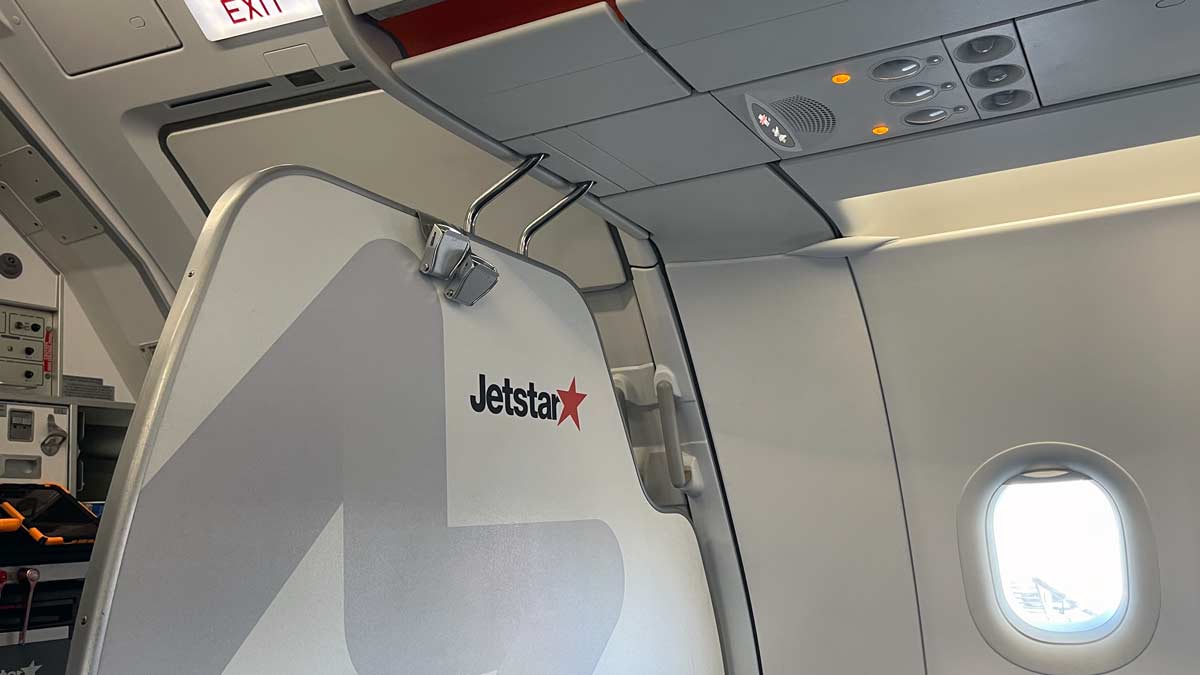
Jetstar, despite being part of the Qantas Group, has limited interlining, mainly within the group or with selected partners. In most cases, Jetstar passengers are expected to manage their own connections. Jetstar only lists ‘partners’ when there is a relationship with its frequent flyer schemes, and these are confined to Qantas, Emirates Skywards, and JAL Mileage Bank.
Rex operates some interline agreements, particularly on regional routes connecting to major carriers, but coverage is limited compared to the big players. Currently, I can only find two airlines with which it operates interlining agreements: Delta and Etihad.
For travellers on REX and Jetstar, this means booking separate tickets with these airlines carries more risk if delays occur.
Interlining agreements matter when things go wrong
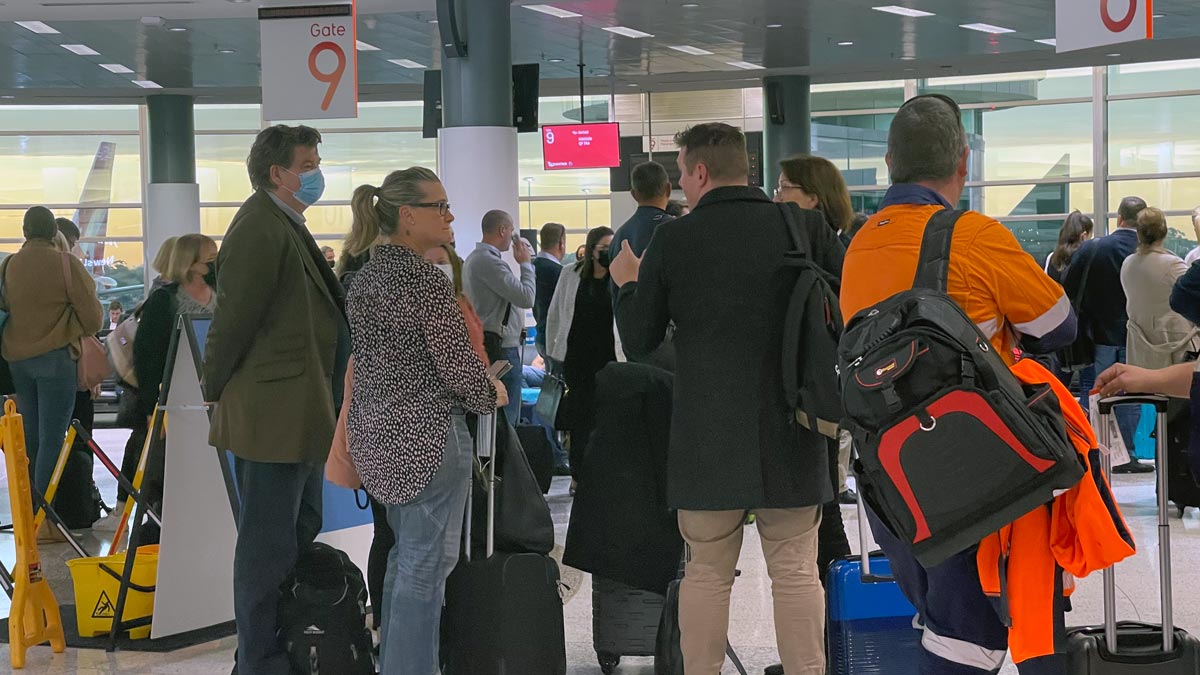
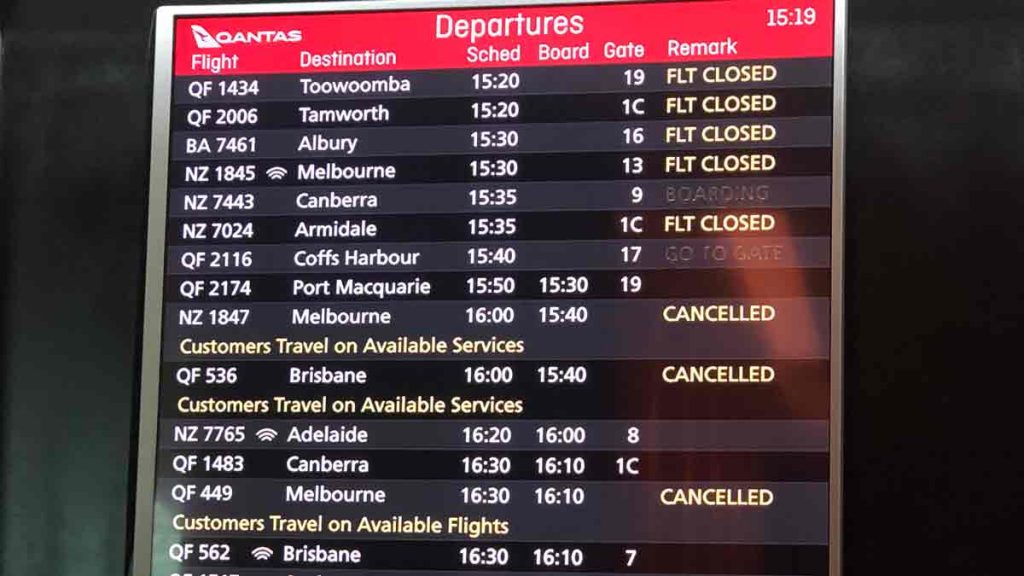
The biggest benefit of interline agreements appears during flight disruptions.
If you’re travelling on one ticket with interlining in place and a flight is cancelled, the airline has a responsibility to help reroute you, even if the next flight is on another carrier.
Without interlining, you’d largely be on your own.
Two separate tickets usually mean two separate contracts. Miss one flight, and the second airline may treat you as a ‘no-show’, regardless of the reason.
2PAXfly Takeout
Interline agreements are the plumbing of the airline industry, or maybe the glue. They are invisible when they work, painfully obvious when they don’t.
If the airlines you are booked on have an interline agreement, they can issue boarding passes for both airlines and check luggage between the airlines, all on the same ticket. It also means the airlines can sell connecting itineraries which involve travel on both airlines as a single ticket.
In Australia, Qantas remains the strongest player in this space, while Virgin is rebuilding its network. Low-cost carriers largely sit outside the system.
For travellers stitching together complex itineraries, especially involving regional or international connections, knowing whether airlines interline can make the difference between a smooth journey and a very long day at the airport.










What did you say?