






















ON-TIME PERFORMANCE: Qantas more punctual, but cancels more flights than Virgin Australia
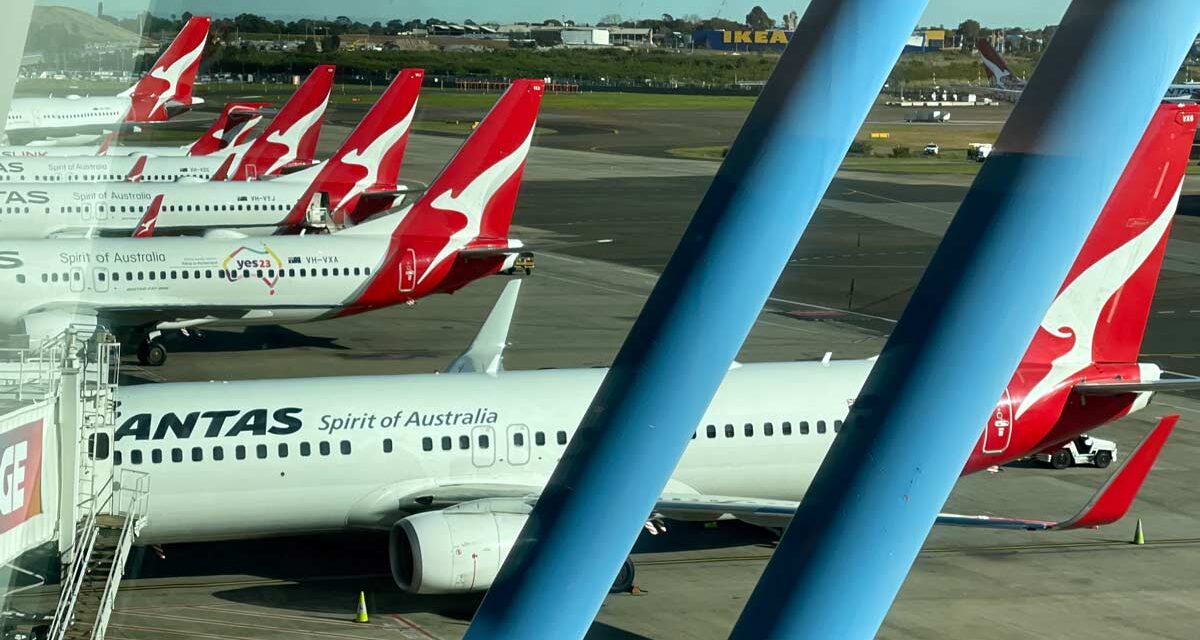
The latest government data released by BITRE (Bureau of Infrastructure and Transport Research Economics) has delivered a familiar but still uncomfortable truth for Australia’s airlines. Qantas is cancelling twice as many domestic flights as its main rival, Virgin Australia. It achieves that while outperforming other airlines on punctuality once the aircraft actually get airborne.
According to new figures from BITRE, Qantas cancelled 3.2% of its domestic flights in 2025. That’s almost double Virgin Australia’s cancellation rate of just 1.65%.
That gap matters, particularly as the Federal Government in Canberra edges closer to imposing tighter consumer protection rules around refunds and compensation for delays and cancellations.
More cancellations, better punctuality
While Qantas led the cancellation tables, its on-time arrival performance is more nuanced.
BITRE data shows 77.9% of Qantas domestic flights arrived on time in 2025. However, ‘on time’ is defined as landing within 15 minutes of the scheduled arrival time. Virgin wasn’t far behind at 76.1%, while Jetstar recorded 75.8%.
In other words, if your Qantas flight actually took off, it was slightly more likely to arrive on time than its competitors. The trade-off is that more services never left the gate at all.
Airlines and airports have spent the past two years clawing back reliability after the pandemic-era collapse in schedules. That is happening just as the federal government weighs tougher rules on passenger rights. Recent disruptions, including dozens of cancellations when air traffic controllers called in sick earlier this month, show how fragile the system can still be. That’s particularly true at Sydney Airport.
Virgin’s new jets are making a difference
One clear standout in the BITRE report is Virgin’s improving reliability, especially in regional operations.
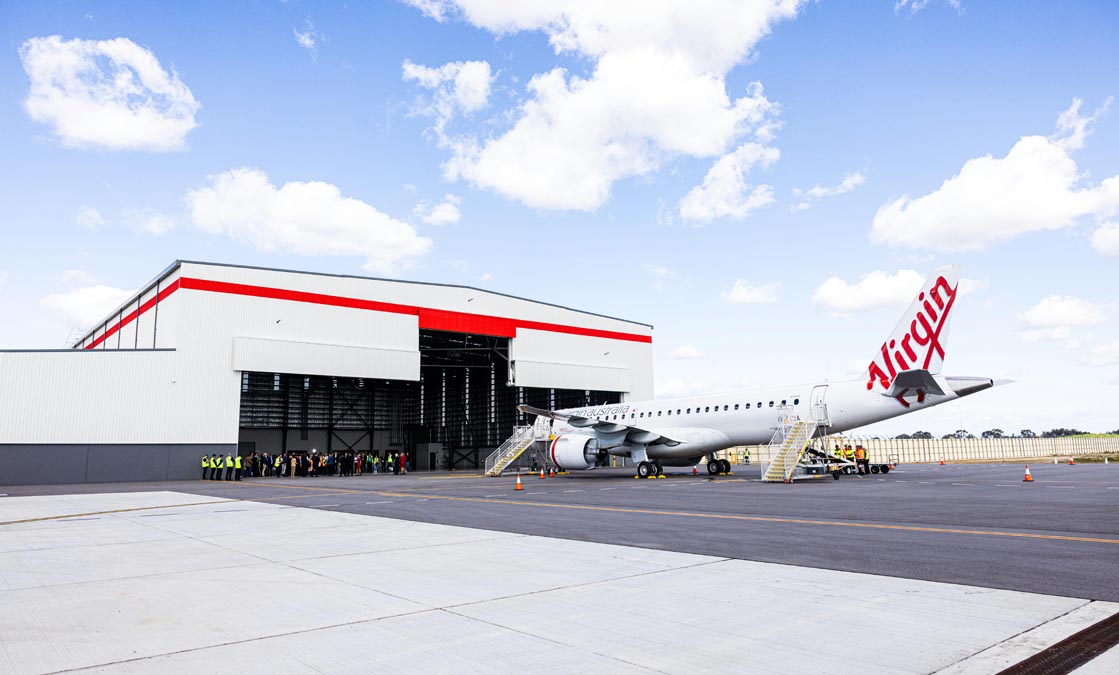
In December, the busiest month of the year for air travel, Virgin Australia’s regional arm recorded zero cancellations. Compare that performance with QantasLink’s 3 per cent cancellation rate. A big part of that improvement is the introduction of Virgin’s first Embraer E190-E2 aircraft, which are replacing ageing Fokker 100s in Western Australia.
These new jets perform better in WA’s hot conditions, making them particularly well-suited to fly-in, fly-out mining routes. They’re also the first brand-new aircraft dedicated to servicing the mining industry in decades. That advantage is not lost on corporate customers.
Virgin’s mainline city services also shone in December, with a cancellation rate of just 0.9%, compared with 1.4% at Qantas.
Qantas plays catch-up on fleet and product
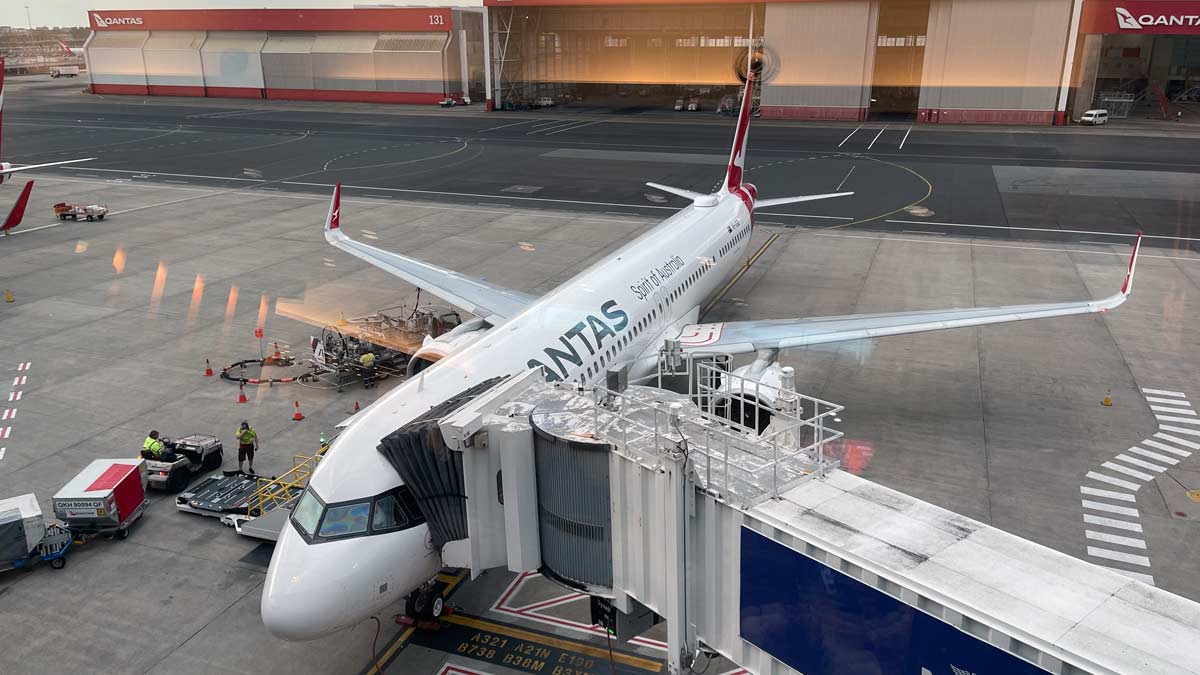
Qantas, for its part, is moving to close the gap. The airline has flagged upgrades to its Airbus A319s and remaining Fokker aircraft as it seeks to match Virgin’s premium push for major mining contracts.
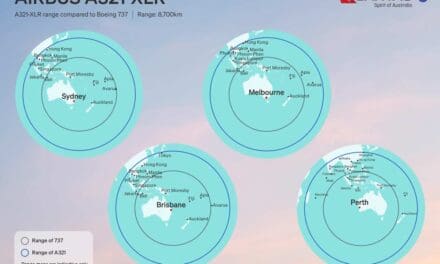
It is also in the middle of a broader fleet transition, replacing Boeing 737s with larger Airbus A321XLR aircraft. While those planes promise better economics and passenger comfort, they also take longer to board. That’s possibly the real factor behind the recent switch to boarding by group to improve operational performance at busy airports.
Fortunately for Qantas, customers on major routes with high frequencies affected by cancellations are typically rebooked quickly. The process is automated, although glitchy. I have received multiple texts about different flight reassignments, none of which reflect the new flight assignment I have organised at a Qantas Club counter. On the other hand, there is the vulnerability of regional operations. Bad weather and infrequent services, with limited alternative options, can disproportionately increase cancellation rates outside capital cities.
2PAXfly Takeout
The BITRE numbers underline a split reality for domestic flyers. Who wins this on-time-performance race depends on whether you value travelling on the flight you booked or leaving on time more.
Qantas is cancelling more flights than Virgin Australia, and at rates well above its own pre-COVID average. But when Qantas flights do operate, they’re marginally more likely to arrive on time. Virgin, meanwhile, is emerging as the reliability leader on cancellations. That’s partly due to the new Embraer jets on FYFO routes.
It will be interesting to see what happens to these reliability metrics as Qantas receives more of its fleet refresh aircraft from Airbus. Those Airbus A220s and A321s could tip the reliability scales in Qantas’ favour, or not.








What did you say?